Matt L.

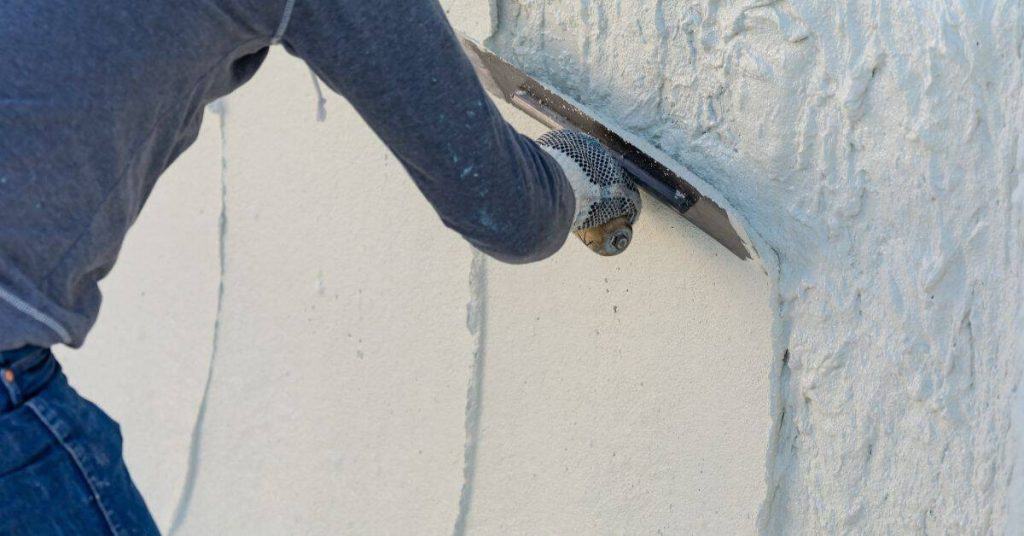
Concrete worker.

Close up of metal hose bib mounted on textured stucco wall

Mounting a Hose Reel on Stucco Without Cracking or Leaks (Fasteners, Spacers, Sealant)

Introduction Mounting a hose reel on stucco without cracking or leaks means securing the reel with proper fasteners, spacers, and sealant to protect the wall and keep water out. Use fasteners rated for masonry or stucco and add spacers to prevent screws from binding against the softer surface. Match the hardware to the wall substrate […]

Mounting a Hose Reel on Stucco Without Cracking or Leaks (Fasteners, Spacers, Sealant) Read More »

Wooden deck stairs attached to deck ledger and supporting posts

Stucco Meets Deck Ledger: A Water-Safe Detail for Existing Decks (No Rot Surprise)

Introduction This detail defines a water-safe method where stucco meets a deck ledger to keep moisture from seeping behind it. It’s a hands-on approach that seals the transition so rot is less likely. You’ll want to follow basic steps and check manufacturer or local guidance for any limits. Start by inspecting the ledger area for

Stucco Meets Deck Ledger: A Water-Safe Detail for Existing Decks (No Rot Surprise) Read More »

Close-up of textured stucco block wall

How to Stop Sprinkler Overspray From Destroying Stucco (Layout, Drip Lines, and Barriers)

Introduction Sprinkler overspray on stucco happens when sprinkler spray hits the wall instead of the yard, letting water soak into the stucco and fascia. Before making changes, observe a cycle to see where the spray lands and then plan adjustments to the layout and head spacing. Check manufacturer instructions or local rules for required clearances

How to Stop Sprinkler Overspray From Destroying Stucco (Layout, Drip Lines, and Barriers) Read More »

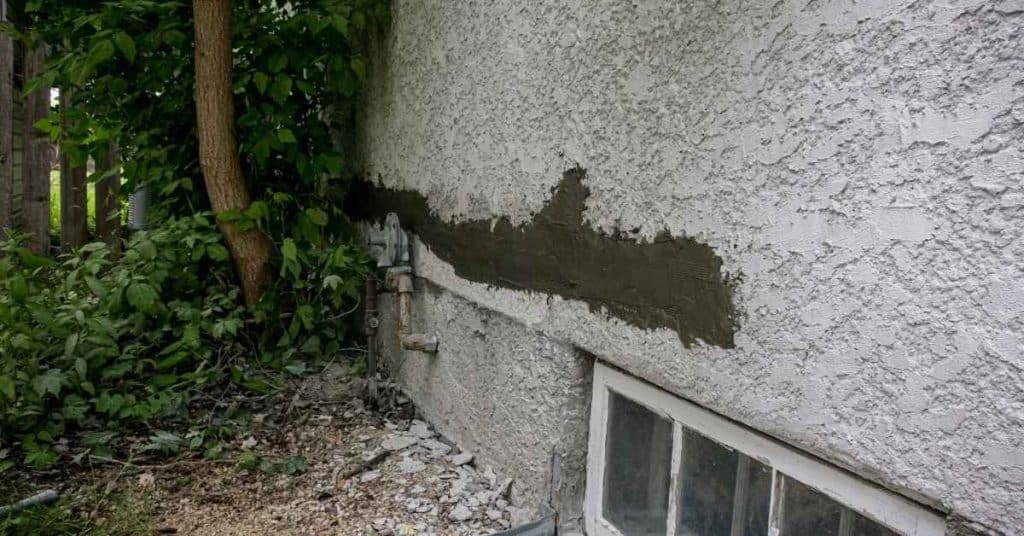
Exterior stucco wall with fresh dark patch above basement window

Stucco at Grade: Fixing a Wall That’s Too Close to Soil Without Tearing Everything Off

Introduction When stucco sits too close to soil, it traps moisture and can lead to damage over time. This article explains a practical way to fix it without tearing everything off. You’ll look for a small gap, proper flashing, and a plan to widen the clearance as needed. Start by inspecting for contact points and

Stucco at Grade: Fixing a Wall That’s Too Close to Soil Without Tearing Everything Off Read More »

Black wooden double entry doors with glass panels and exterior wall lights

Backwrapping EIFS at Windows and Doors: What It Is and Why DIY Patches Fail Without It

Introduction Backwrapping EIFS at windows and doors means wrapping the exterior foam, weather barrier, and flashing around the rough opening to protect and seal it. It helps prevent water intrusion and wind-driven leaks where the openings meet the wall. DIY patches often fail when the edge around the opening isn’t wrapped and flashed properly. Without

Backwrapping EIFS at Windows and Doors: What It Is and Why DIY Patches Fail Without It Read More »

Worker spraying stucco onto concrete block wall

Stucco Drainage Mats Explained: When a ‘Rainscreen’ Layer Helps and How to Detail It

Introduction A rainscreen behind stucco is a ventilated gap that lets water drain and dry. This article explains when adding that layer helps and how to detail it for DIY projects. Check your local rules and product instructions for any specific gaps and materials. Set up a continuous, vented cavity behind the stucco using a

Stucco Drainage Mats Explained: When a ‘Rainscreen’ Layer Helps and How to Detail It Read More »

Concrete slab with nine small drilled drainage holes

Core Drilling Small Holes in Concrete: Water Control, Bit Choices, and Patch Strategy

Introduction Core drilling small holes in concrete means using a core drill to bore precise holes and manage water for clean cuts. Water control is about keeping the dust down and cooling the drill, so use a steady water feed or a flood guard. Choose a bit size and type that matches the hole you

Core Drilling Small Holes in Concrete: Water Control, Bit Choices, and Patch Strategy Read More »

close up of cracked concrete surface with one large crack

Concrete Crack Stitching for DIYers: When Staples + Epoxy Beat ‘Fill and Forget’

Introduction Crack stitching is a method to rebind a cracked concrete surface using staples and epoxy to align and hold the pieces. It’s a practical, hands‑on repair you can tackle with basic tools. The stitched bond is designed to move with the slab rather than simply fill the gap. Plan your approach by inspecting the

Concrete Crack Stitching for DIYers: When Staples + Epoxy Beat ‘Fill and Forget’ Read More »

Highly polished concrete floor reflecting overhead lights

How to Make Concrete Look Like Limestone: Washes, Rubbed Finishes, and Sealers

Introduction This is a DIY technique to make concrete resemble limestone using washes, rubbed finishes, and sealers. You’ll work in stages from prepping the surface to applying color washes and texture. This approach aims for a natural, diffused look rather than a glossy finish. Start by cleaning the surface and addressing any rough spots, then

How to Make Concrete Look Like Limestone: Washes, Rubbed Finishes, and Sealers Read More »

Closeup of spider crack on rough concrete surface

DIY Concrete Waterproofing on the Inside: When It Works and When It’s a Trap

Introduction DIY concrete waterproofing on the inside is applying moisture barriers and sealants to interior concrete surfaces to keep dampness at bay. It helps when intrusion comes through cracks, porous walls, or hydrostatic pressure, but it isn’t a substitute for good exterior drainage. We’ll walk through identifying water sources and choosing practical interior steps for

DIY Concrete Waterproofing on the Inside: When It Works and When It’s a Trap Read More »