Matt L.

Concrete worker.

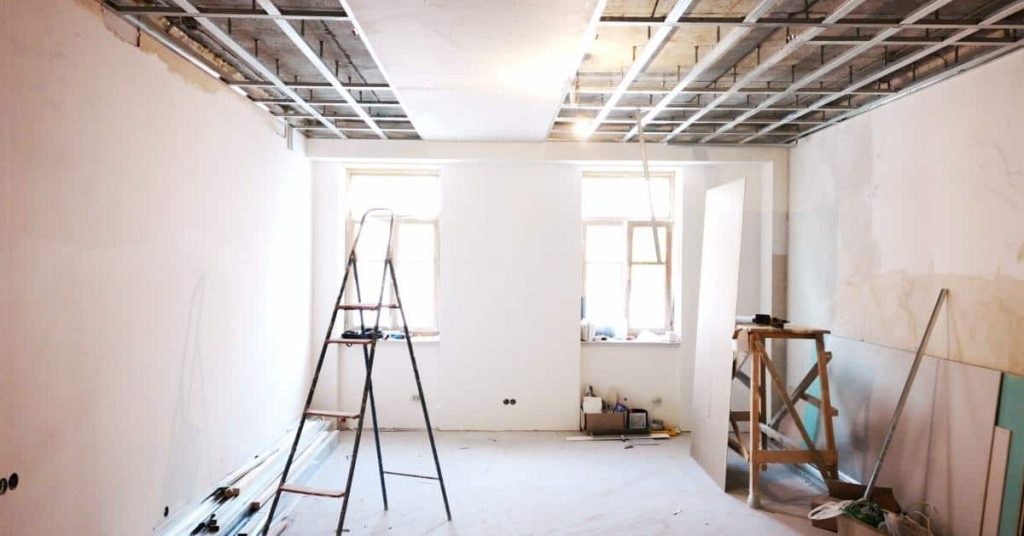
Empty room under construction with ladder and drywall panels

How to Install a Hydrophilic Waterstop Without Leaks or Blowouts

Introduction A hydrophilic waterstop is an embedded strip or sealant that swells when exposed to water and helps seal a concrete construction joint. Successful installation depends on using the exact product detail—not a generic overlap, adhesive, cover, or fastening rule. Identify the product profile and current installation guide before laying out the joint. This procedure […]

How to Install a Hydrophilic Waterstop Without Leaks or Blowouts Read More »
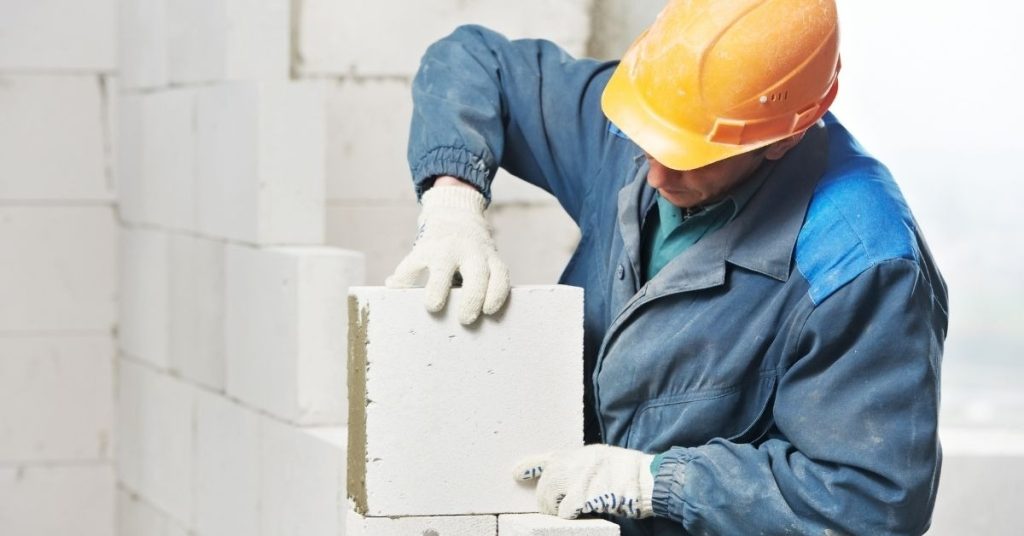
Construction worker placing foam concrete blocks on wall

Bentonite Waterstops: Controlling Swell, Preventing Gaps, and Common Mistakes

Introduction Bentonite waterstops are flexible liners embedded in concrete joints that swell when they get wet to seal the gap. They help control swelling and reduce leaks in walls, foundations, and slabs. Used in place of rigid seals, they require proper placement and overlap for a good seal. Installing bentonite waterstops involves placing the strip

Bentonite Waterstops: Controlling Swell, Preventing Gaps, and Common Mistakes Read More »

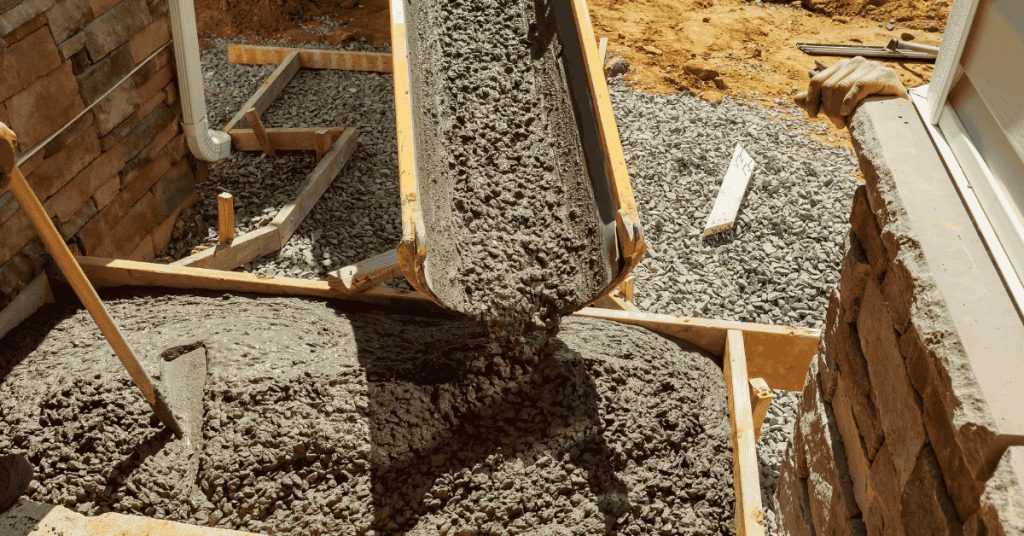
Concrete being poured into wooden formwork outdoors

Form Release Agent: How to Apply It Without Staining or Soft Spots

Introduction A form release agent is a coating applied to formwork to prevent concrete from sticking and to reduce staining. Options include water-based and solvent-based types, and the choice depends on the project, curing conditions, and safety considerations. Always read the product label and manufacturer guidance to choose the right option for your job. Apply

Form Release Agent: How to Apply It Without Staining or Soft Spots Read More »

Close-up of rough concrete surface with blurred background lights

Concrete Surface Blisters: Finishing Causes and How to Prevent Them

Introduction Concrete surface blisters are raised pockets on the finish caused by trapped air or moisture beneath the surface. They usually form when the surface dries too quickly or moisture moves upward as the concrete sets. Causes include finishing while the surface is still soft, excessive water in the mix, or rapid evaporation from sun,

Concrete Surface Blisters: Finishing Causes and How to Prevent Them Read More »

Hand using steel trowel to smooth wet concrete surface

Steel Trowel vs Magnesium Float: Which Finish Fits Which Job

Introduction Steel trowel finish is a smooth, hard surface created by pulling steel blades across fresh concrete to close the surface. It yields a dense, glassy look when done correctly. Use it carefully, as over-troweling can trap moisture or create a brittle surface. Magnesium float finish is a light, textured surface achieved by smoothing with

Steel Trowel vs Magnesium Float: Which Finish Fits Which Job Read More »

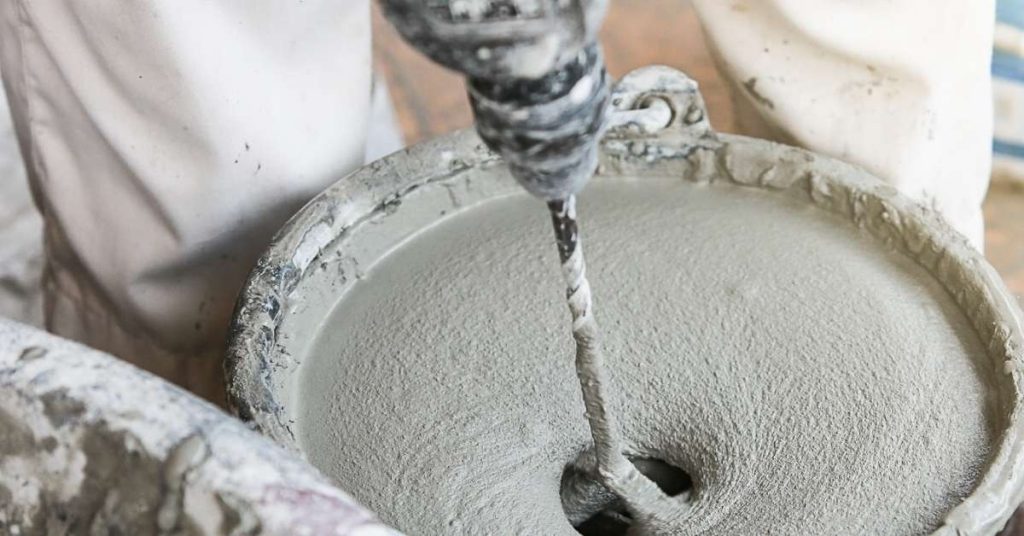
Mixing gray cement mixture in a bucket with drill paddle

Polymer-Modified Overlays: Mixing, Thickness, and Curing for Durability

Introduction Polymer-modified overlays are thin concrete toppings that use polymer additives to improve adhesion and durability. Mix according to the product label and manufacturer instructions; mix until uniform. Apply in an even coat to the prepared surface, checking that the mixture stays workable. The right thickness and proper curing are key to long‑lasting results. Follow

Polymer-Modified Overlays: Mixing, Thickness, and Curing for Durability Read More »

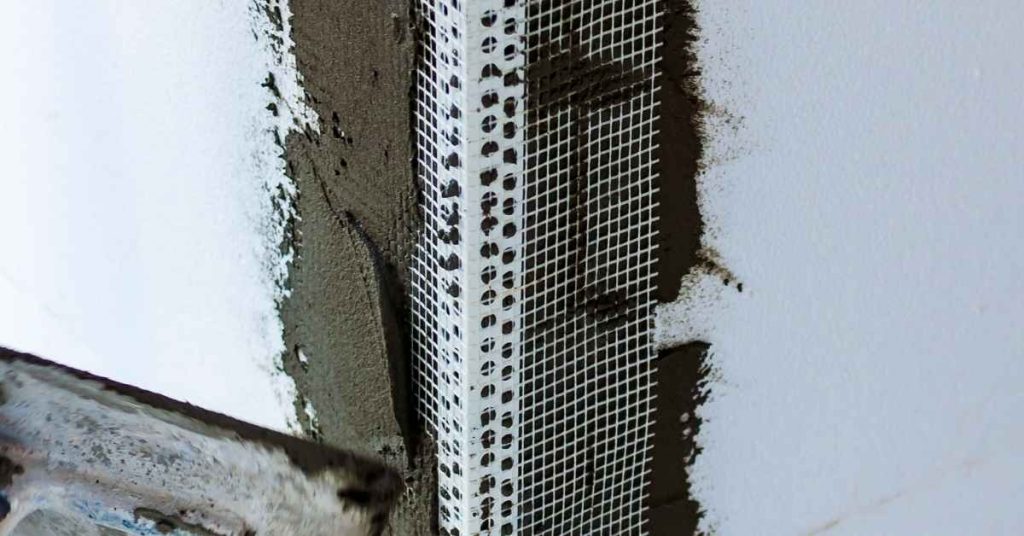
White mesh embedded in wet stucco on white wall surface

Stucco Over ICF Walls: Choose the Right System and Detail Openings

Introduction Yes, stucco can be installed over ICF walls—but ICF foam is not a generic substrate for arbitrary mesh, lath, or fasteners. Start by selecting one complete, manufacturer-approved assembly for your ICF brand: traditional cement plaster on mechanically attached lath, direct-applied cementitious stucco, or an adhered synthetic/EIFS-style system with fiberglass mesh embedded in base coat.

Stucco Over ICF Walls: Choose the Right System and Detail Openings Read More »