Aerial view of roof under construction with workers and plywood

What Type of Roofing Lasts the Longest – Causes, Tests & Fixes

Introduction

The roof type that lasts the longest is the one that’s right for your climate and built and maintained well.

This article keeps it plain and practical, focusing on real-world checks you can do and honest, hands-on advice you can apply on a DIY project.

Types of roofing materials include shingles, metal, and tile, each with its own durability pattern.

Durability factors like ventilation, underlayment, attic insulation, roof pitch, and fastener quality affect how long a roof lasts, along with routine maintenance for each type; watch for signs that maintenance is needed and plan fixes accordingly.

Key takeaways

  • Inspect shingles, tiles, and metal panels for curled edges, rust, or cracks regularly.
  • Metal roofs resist wind better but check seams for leaks and corrosion.
  • Tile roofs require solid underlayment and clear debris to prevent water pooling.
  • Regular inspections identify aging underlayment and soffit ventilation issues before failures.
  • Safety: work from ladders with fall protection and always power down near edges.
  • Verify local codes and warranties before replacement; improper installs void coverage.
Table of Contents

Overview: Roofing Lifespans and What “Longest” Means

Lifespan metrics help you compare roofs without guessing. Expect to see service life, warranty life, and practical lifespan referenced by manufacturers and pros. Understanding these terms helps you judge durability, maintenance needs, and cost-effectiveness.

Key factors that influence longevity include material type, installation quality, roof pitch and ventilation, underlayment, flashing, attic moisture, climate, maintenance practices, and extreme events. Practical decisions hinge on local conditions and how often you plan to inspect or repair. Use visual cues and professional checks to separate inevitable wear from preventable failures.

How Roofing Lifespan Is Measured

The lifespan of a roof can be measured in several ways. Manufacturers often provide an expected service life, usually in years to failure under ideal conditions. This isn’t the same as warranty life – that’s just how long the manufacturer covers claims.

Real-world lifespan is different. It depends on maintenance intervals and inevitable wear. A roof might last 20 years according to the manufacturer but only 15 with poor upkeep. So, when comparing roofs, consider practical lifespan too.

Tip: Don’t rely solely on manufacturer claims. Consider local conditions and typical lifespans in your area.

Key Factors That Influence Roof Longevity

The lifespan of a roof depends on several key factors. Material type is crucial – asphalt, metal, tile, or concrete/flat each have different lifespans and maintenance needs.

Climate plays a big role too. Extreme heat, cold, UV rays, and wind can shorten lifespan. So does poor installation quality, inadequate ventilation, and lack of proper underlayment and flashing.

Maintenance practices are vital. Regular inspections and timely repairs extend roof life. Even extreme events like hail or fallen branches can impact longevity if not properly addressed.

Roof pitch matters too. Steeper roofs may last longer due to better water runoff, but they’re also harder to maintain.

Back to top ↑

Comparative Guide to Roofing Materials and Expected Lifespans

This guide covers asphalt shingles, architectural shingles, metal, slate, clay/tile, synthetic membranes, wood shake, green/vegetative, and PVC/TPO. It highlights typical lifespans and notes variations within a material line based on product grades and warranties. Verify specifications on product labels or data sheets when budgeting.

Durability features like wind and impact resistance, fire ratings, and underlayment compatibility translate to real-world performance in different climates. Reading warranty terms helps you understand coverage, exclusions, and whether periods are prorated or non-prorated. Climate, slope, and ventilation also modify expectations, so document and compare accordingly.

Longest-lasting options explained (slate, clay/tile, metal)

Certain materials naturally outlast others due to their inherent properties. Slate, clay or concrete tile, and metal are top contenders.

Slate is a fine-grained rock that’s highly resistant to extreme weather conditions. Expect 75-100+ years with proper installation and maintenance.

Clay or Concrete Tile can last just as long, around 70-100 years. They’re fired at high temperatures, making them durable against UV rays, wind, and rot.

Metal Roofing, especially steel or aluminum, can endure 40-70+ years. It’s lightweight, durable, and resistant to fire, mildew, and insects.

Cost, weight, and structural implications by material

The right roofing choice depends on your budget and home’s structure. Here’s what to consider:

  • Asphalt Shingles: Affordable ($70-$120 per square), light (1.5-3 lbs/sq ft), but short lifespan (15-30 years).
  • Architectural Shingles: Mid-range ($100-$160 per square), medium weight (3-5 lbs/sq ft), longer life (20-30+ years).
  • Metal Roofing: Premium ($100-$800 per square), light (0.5-2 lbs/sq ft), long-lasting, but complex installation.
  • Slate: High-end ($600-$1,600 per square), heavy (7-10 lbs/sq ft), requires structural reinforcement for some homes.
  • Clay/Tile: Premium ($400-$2,500 per square), heavy (8-12 lbs/sq ft), needs reinforced framing. Consider snow load and wind resistance ratings.

Back to top ↑

Common Causes of Roof Failure and Accelerated Aging

Weather drivers such as wind uplift, hail impact, UV exposure, and freeze–thaw cycles accelerate cracking, damage, and sealant failures. installation mistakes can shorten life through faulty underlayment, flashing, or fasteners. Verify installation claims with manufacturer instructions or local code notes when planning repairs.

Ventilation and moisture management, drainage and ponding, biological growth, debris, and occasional foot traffic all contribute to degradation. Look for signs like hidden leaks, rot, or worn coatings, and plan preventive maintenance accordingly. Diagnoses should consider both age-related wear and repair history.

Climate-specific threats (sun, salt, freeze/thaw, heavy rain)

Different climates pose unique challenges to your roof. Understanding these can help you choose the right materials and maintain them effectively.

Sun exposure breaks down roofing materials over time. Intense UV rays can degrade sealants, causing cracks and leaks. Choose UV-resistant materials if you live in a sunny climate.

Salt from coastal regions can corrode metal roofs and damage shingles. Regular cleaning is crucial to prevent buildup.

Freeze-thaw cycles and heavy rain can cause expansion and contraction of roof materials, leading to cracks and leaks. Ensure your roof has proper insulation and ventilation to mitigate these effects.

Installation and design mistakes that reduce lifespan

Proper installation is key to a long-lasting roof. Here are some common mistakes to avoid:

  • Improper flashing: Inadequate or incorrectly installed flashing can lead to water intrusion at valleys, eaves, and rakes.
  • Insufficient underlayment: Without proper underlayment, your roof is susceptible to leaks and moisture damage.
  • Wrong fasteners: Using the wrong type or size of nails or screws can cause fasteners to back out over time, leading to shingle loss.
  • Poor slopes: Inadequate slope causes water to pond on your roof, accelerating damage and increasing leak risk.

Always hire a reputable contractor to ensure your roof is installed correctly. Regular inspections can help catch any issues early.

Back to top ↑

How to Test and Assess Your Roof’s Condition and Durability

Start with a safety-first visual inspection: curling, cracking, missing shingles, flashing around chimneys, gutter condition, and signs of water intrusion in the attic. Note any sagging or unusual deck movement. Keep a simple log of findings and dates.

DIY checks include tapping shingles for solid versus hollow sounds and using a bright flashlight to spot worn granules. An attic inspection should look for leaks, staining, mold, and ventilation issues. Save professional testing for major concerns or complex materials.

Step-by-Step Process

Follow this clear, numbered sequence to test and assess your roof’s condition and durability safely and effectively.

  1. Preparation: Wear sturdy shoes, gloves, and safety glasses. Inspect from the ground first with binoculars. Check weather forecast for safety.
  2. Safety checks: Use a secure ladder. Inspect gutters before climbing. Never climb in wet conditions.
  3. Main work: Inspect roof surface, flashing, and chimneys. Tap shingles to check for solidity. Use a flashlight at angles to see granule loss.
  4. Attic inspection: Check for leaks, stains, mold, or sagging. Inspect ventilation. Measure insulation compression.
  5. Cleanup and final checks: Document findings with photos. Log repairs. Create an inspection schedule.

Visual checkpoints and signs of wear

Use this checklist during your visual inspection to identify potential issues early.

  • Curled or broken shingles: Indicates age, improper installation, or heat damage. Check all shingles.
  • Missing granules: Shows wear and tear. Inspect from various angles.
  • Rust on metal roofs: Signs of corrosion. Check regularly to prevent spread.
  • Cracked tiles: Indicates age or improper installation. Check all tiles.
  • Sagging roof deck: Could signal structural issues. Inspect closely for signs of rot.
  • Interior stains: Suggests water intrusion. Check attic and ceilings.
  • Moss or algae growth: Can trap moisture, accelerating damage. Remove if present.
  • Gutter condition: Poor gutters can cause leaks. Inspect for cracks or separations.

Quick rule: Regular visual checks help catch minor issues before they become major problems.

Diagnostic tests and professional assessments

Professionals use specialized tools to diagnose roof issues. Here’s when these are warranted:

Infrared scans: Detect heat loss, indicating moisture intrusion. Useful after heavy rain or snow.

Moisture meters: Measure moisture content in materials. Help pinpoint leaks and water damage.

Core sampling: Takes a small sample of roof material for lab analysis. Determines age, composition, and condition. Use when considering major repairs or replacement.
Back to top ↑

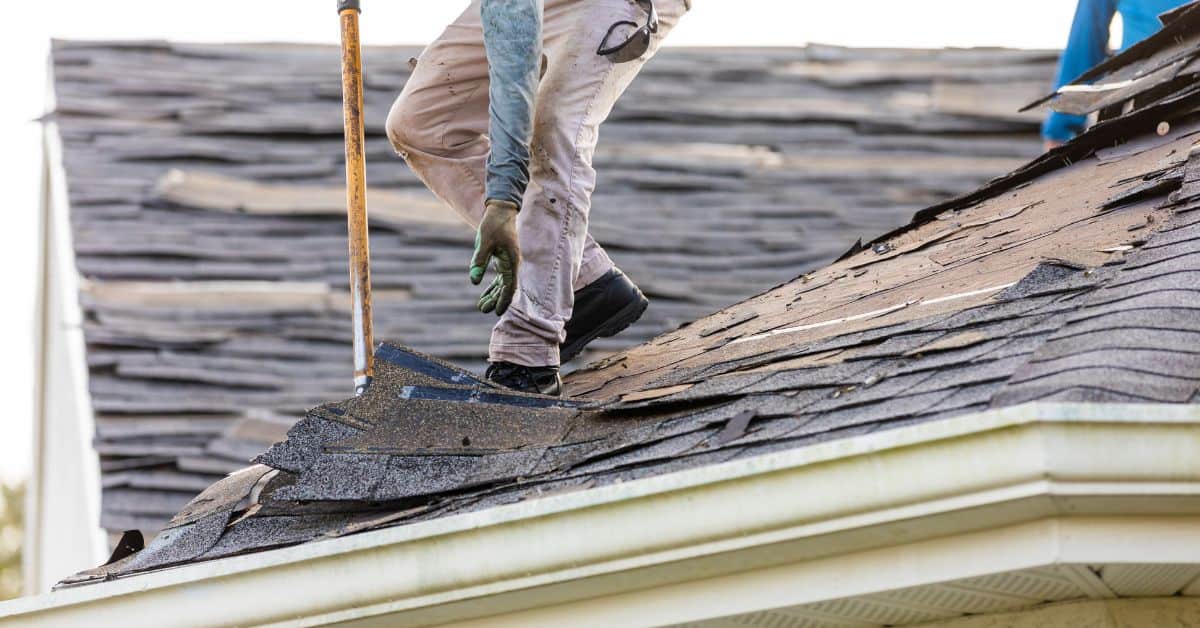
Worker removing old asphalt shingles from roof

Common Fixes and Repair Options by Material and Problem

Map the material to the problem: asphalt, metal, and tile each have typical fixes like patching, resealing, or flashing repairs. Use this map to plan targeted repairs and avoid unnecessary replacements. Always follow safety guidelines and tool lists for the chosen material.

Repair steps should distinguish patching from replacement. Consider durability, warranty compatibility, and access to insulation and flashing when deciding. A repair plan should include maintenance implications and potential impacts on future performance.

Temporary vs Permanent Repairs and Expected Outcomes

Some roof repairs are quick fixes that buy you time, while others restore your roof’s full performance. Knowing the difference helps manage expectations.

Temporary Repairs: Tar patches, sealants, or spot nailing can stop leaks temporarily. They’re cheap and easy but don’t last. Expect 1-3 years at best before re-repairing is needed.

Permanent Repairs: Replacing damaged shingles, fixing flashing, or re-battling ventilation restores your roof’s integrity. These repairs last as long as the surrounding materials, often 5-10+ years depending on your roof type.

When to Repair vs When to Replace

Deciding between repairing and replacing your roof depends on several factors. Here’s a simple guide:

Repair: For minor damage (single leak, small area), if your roof is less than 10-15 years old, and the cost of repair is significantly lower than replacement.

Replace: If there are multiple leaks or widespread damage, your roof is over 20 years old, or the cost of repairs equals or exceeds half the cost of replacement. Also consider if you plan to sell soon; a new roof can boost curb appeal and value.

Back to top ↑

Maintenance Practices to Maximize Roof Lifespan

Regular maintenance extends life by reducing surprise failures and preserving safety. Different roofing materials require tailored tasks, but core principles apply across DIY and professional work. Keep the plan visible and stick to it.

Create a seasonal routine: spring, summer, fall, and winter checks with clear triggers such as post-storm debris or ice dam risk. Include annual schedules for gutters, flashing checks, ventilation, and moss control, with simple maintenance steps and safety reminders.

DIY Maintenance Checklist and Safety Tips

Regular upkeep extends your roof’s lifespan. Here’s a safe, step-by-step DIY maintenance checklist.

  • Inspect Gutters: Ensure they’re secure, free of debris, and draining properly. Clogged gutters can cause leaks and damage to your home’s foundation.
  • Remove Debris: Clear leaves, twigs, and other debris from the roof surface. Piles of debris hold moisture, promoting mold growth and rot.
  • Check Flashing: Inspect metal flashing around vents, chimneys, and skylights for gaps or rust. Damaged flashing allows water intrusion.
  • Examine Shingles: Look for cracked, curled, or missing shingles. These issues can lead to leaks and further damage.
  • Inspect Downspouts: Ensure they’re securely attached and directing water away from the home’s foundation.
  • Check Ventilation: Make sure vents are clear of debris and functioning properly. Good ventilation prevents moisture buildup in the attic, which can cause rot and mold.
  • Trim Trees: Remove dead branches that could fall on your roof during storms. Overhanging trees also allow leaves to accumulate on the roof.
  • Inspect Moss/Lichen: Check for moss or lichen growth, which can hold moisture and damage shingles over time.

Quick rule: If you notice any major issues or feel uncomfortable performing a task, stop and hire a professional.

Professional Maintenance Services and Preventive Upgrades

While DIY tasks are crucial, some jobs require a pro’s touch. Here are services that extend your roof’s life:

Roof Tune-ups: A professional inspection can identify minor issues before they become major problems. Schedule tune-ups every 2-3 years.

Resealing: Over time, seals around vents and chimneys can crack or peel. Pros can reapply sealant to prevent water intrusion. This service is typically needed every 5-10 years.

Ventilation Upgrades: Improving attic ventilation can help prevent moisture buildup. Pros can install or upgrade vents as needed, usually every 5-10 years depending on your home’s specific needs.

Gutter Guards: These systems keep debris out of gutters, reducing clogs and maintenance. They typically last 10-20 years but may need periodic cleaning.

Back to top ↑

Safety, Building Codes, Insurance and Warranty Considerations

Prioritize safety with PPE, fall protection plans, ladder safety, weather awareness, and site housekeeping. Establish a clear approach to manage hazards and emergencies on the job. Documentation of safety practices helps with claims or audits.

Understand permits, licensed installers, and code requirements that affect material choice and installation. Local inspections and warranty terms influence eligibility and coverage. Insurance and warranty details should be reviewed to align repairs with policy expectations.

How warranties work and what to check

Before signing any contract, understand your roofing warranty. It’s crucial for maximizing your investment.

  • Manufacturer warranty: Covers defects in materials. Check duration (usually 20-50 years) and if it’s transferable to new owners.
  • Workmanship warranty: Covers installation errors. Check duration (usually 1-3 years) and if it covers labor costs.
  • Exclusions: Know what’s not covered, like damage from natural disasters or improper maintenance.
  • Validation of coverage: Ensure the contractor is licensed and certified by the manufacturer to offer their warranties.
  • Warranty registration: Register your warranty with the manufacturer after installation. Miss this, miss out on coverage.
  • Expected value over time: Understand how warranties affect your roof’s expected lifespan and replacement costs.
  • Inspection rights: Know if you can inspect your roof for defects during the warranty period without voiding it.
  • Claim process: Understand how to file a claim, including any required documentation or inspections.

Quick rule: Always read and understand your warranties before signing. They’re your safety net if something goes wrong.

Insurance claims, hail/wind events, and documentation

Understanding when to file an insurance claim can save you money and stress. Here’s how to navigate hail or wind damage.

First, document the damage. Take photos of all affected areas from various angles. Note the date and any weather conditions that may have caused it.

Next, file a claim promptly. Most policies require you to report damage within a certain time frame. Delay could lead to denial of your claim.

When interacting with adjusters, be clear and concise. Provide all necessary documentation and ask for their findings in writing. This protects you from any disputes later on.

Premiums and replacement decisions: Filing a claim may increase your premiums. However, if the damage is significant, it might be worth it to replace the entire roof rather than just repairing the damaged areas. Consult with your insurance provider and contractor to make an informed decision.

Back to top ↑

Environmental Impact and Sustainability of Long-Lasting Roofing

Compare environmental footprints of durable materials, focusing on manufacturing emissions, installation waste, and embodied energy. Consider end-of-life options like recyclability and salvage potential. Look for take-back programs or reclaimed material paths where available.

Assess sustainability enhancers such as cool roof coatings and solar-ready designs. Regional climate and recycling streams influence incentives and feasibility. Ask suppliers about certifications and whole-building impacts to guide durable, green choices.

Recyclability and end-of-life options

When it comes to the environment, what happens at the end of a roof’s life is just as important as its manufacturing process. Here’s how common long-lasting materials stack up:

Metal Roofs: Highly recyclable, with some manufacturers offering take-back programs. Old metal roofs can be melted down and reused.

Asphalt Shingles: Less recyclable than metals, but many recycling centers accept them. Some companies offer reclaimed asphalt pavement (RAP) for new road construction.

Tile & Slate: Both are durable and long-lasting, but not easily recycled. They can be reused or salvaged, reducing landfill waste. Consider reclaimed options when replacing.

Energy performance and climate benefits

Long-lasting roofs aren’t just about longevity; they can also help reduce energy use and combat urban heat islands:

Cool Roofs: Reflective coatings or membranes can lower roof temperatures by up to 50°F, reducing air conditioning needs. They’re especially beneficial in hot climates.

Insulation: High-quality insulation under your roof can significantly improve energy efficiency, saving money and reducing emissions year-round.

Green Roofs: Living roofs insulate buildings, absorb rainwater, and provide habitat for local wildlife. They also help mitigate urban heat islands by reflecting less sunlight and absorbing more CO2.

Back to top ↑

Conclusion

Paragraph 1: Start by picking a roofing approach that balances longest life, safety, and curb appeal. A durable system pays off in fewer leaks and less drama when storms roll in.

Paragraph 2: First, inspect a small area to confirm condition, then check attic decking and ventilation, look for missing or damaged shingles, and note any signs of water intrusion or sagging. Inspect flashings, drip edges, and gutters from ground level and up a ladder with a helper, then verify local codes and warranty terms before any repair, and plan fixes by material type, keeping repairs conservative and reversible where possible; finally, schedule maintenance steps in a simple calendar and keep a written record of findings and any professional recommendations.

Paragraph 3: Common pitfalls to avoid are rushing repairs, using the wrong fasteners or sealants for your material, and skipping safety gear or a fall-arrest plan. Always work with a partner, use a stable ladder, wear slip-resistant shoes, and avoid working on a wet or windy day.

Paragraph 4: If you see widespread damage, complex flashing issues, structural rot, or uncertain warranty coverage, call a qualified roofer instead of pushing through. Stay proactive, keep safety first, and you’ll protect your home and investment for years to come.

Back to top ↑

FAQ

What roofing materials tend to last the longest and why?

Materials like metal, certain tile, and premium shingles often show the longest service when installed right and kept in good shape. Main reasons are strong weather resistance, fewer joints, and proper sealing against water infiltration. Check manufacturer instructions and local guidance to confirm expected life for your climate and roof design.

What durability factors should I consider for a longer-lasting roof?

Look at wind, hail, and UV exposure in your area, plus the roof’s pitch and attic ventilation. Installation quality and underlayment choice matter a lot. Always follow product labels and install guidelines—these drive real durability more than the material name alone.

How should I maintain different roof types to extend life?

Follow a simple upkeep plan: clear debris, inspect after storms, and address loose or damaged components promptly. Metal roofs need anti-corrosion checks; tiles or shingles require sealant or flashing checks. Rely on manufacturer directions for any specific maintenance steps.

How can I tell if it’s time to repair or replace, and what tests can guide me?

Start with a visual walkaround for loose fasteners, sagging sections, or obvious leaks. Simple at-home checks include looking for hidden water stains and soft spots. For decisions beyond sight, refer to manufacturer guidance, local rules, or a roofing pro who can perform professional tests. Always use safety gear and avoid risky on-roof work without proper setup.

Back to top ↑