

Introduction
Stucco anatomy is the layered system of lath and coats that makes up traditional exterior stucco.
It starts with a sturdy lath as a base, then a scratch coat, followed by a brown coat, and finally a finish coat. This article explains what each layer does and how they work together to protect and look right.
Three-coat systems are common, but some one-coat or hybrid setups exist, and the choice changes how you install and finish.
In a DIY build, you’ll hear about preparing the wall, applying the lath, laying the coats, and keeping the surface clean as you go.
For costs and compatibility, always check the product label, manufacturer instructions, and any local rules before starting.
Key takeaways
- Understand stucco basics: cementitious mix, lime binder, water, and aggregate.
- Three-coat systems differ from one-coat; prep, lath, and separate coats.
- Follow proper installation workflow: prep substrate, embed lath, scratch, brown, finish.
- Expect cost considerations to vary by material, labor, and local requirements.
- Safety: protect neighbors and yourself from falling debris and dust exposure.
Table of Contents
- Introduction
- Key takeaways
- What Is Stucco and Common Stucco Systems
- Component Breakdown — Lath and Substrate
- Scratch Coat — Purpose and Application
- Brown Coat — Leveling and Structural Strength
- Finish Coat — Aesthetics and Protective Layering
- Installation Workflow and Safety Best Practices
- Durability, Common Problems, and Troubleshooting
- Costs, Codes, and Choosing a Contractor
- Conclusion
- FAQ
What Is Stucco and Common Stucco Systems
Stucco is a cementitious exterior finish made from cement, lime, sand, and water, with additives as needed. Composition varies between traditional cement-lime mixes and modern cementitious blends.
One-coat systems (lamina or foam-backed) differ from traditional three-coat systems in layering and purpose. For new construction, three-coat systems are common, while retrofits often use one-coat options where appropriate.
One-coat (Lamina) system overview
The one-coat, also known as lamina or foam-backed stucco system, is a modern alternative to traditional three-coat systems. It’s designed for speed and efficiency.
This system uses rigid foam insulation boards as the substrate. A water-resistive barrier (WRB) goes on top before applying the one-coat of cement-based finish. This coat is reinforced with fiberglass mesh for strength.
Where it excels: One-coat systems are great for energy efficiency and meeting Title 24 standards in California. They provide a continuous insulation barrier, reducing heat transfer through the walls.
Three-coat system overview
The traditional three-coat stucco system is tried and true. It consists of four layers: a base layer (called lath), followed by the scratch coat, brown coat, and finally the finish coat.
The lath is a support structure usually made of metal or wood strips. The scratch coat goes on top, providing a rough surface for better adhesion of the next layer. The brown coat is the main body of the stucco, providing thickness and insulation. The final finish coat gives the desired texture and color.
The three-coat system is favored for its durability and fire resistance. It’s thicker than one-coat systems, providing better thermal mass and soundproofing.
Choosing the right system for your project
Selecting the right stucco system depends on several factors:
Budget: One-coat systems are generally cheaper due to fewer materials and labor. Three-coat systems offer more durability but cost more.
Climate & Insulation Needs: In hot climates, one-coat systems with their continuous insulation can be beneficial. In cold climates or where fire resistance is needed, three-coat systems may be better.
Fire Code & Substrate: Check local fire codes. Some areas require certain stucco systems. Also consider your substrate – some may not support one-coat systems.
Component Breakdown — Lath and Substrate
Lath options include metal wire lath, expanded metal, and corrosion-resistant variants. Each type is chosen based on substrate, climate, and project needs.
Substrates range from plywood or OSB sheathing to masonry and foam backer boards. Attachment methods involve fasteners, mesh bonding, and scratch/brown coat integration for crack resistance.
Types of Lath and Fasteners
Choosing the right lath is crucial for a durable stucco system. Here are your options:
Galvanized Metal Lath: Cheaper, but less corrosion-resistant. Use over masonry substrates in dry climates.
Stainless Steel Lath: More expensive, but superior corrosion resistance. Ideal for stucco over wood-based substrates and in humid climates.
Fastener Spacing and Corrosion Resistance: Space fasteners 6-8 inches apart. Use stainless steel or hot-dipped galvanized fasteners to prevent rusting.
Weather-Resistive Barriers and Flashing
Proper integration of weather-resistive barriers (WRBs) prevents water intrusion. Here’s how:
WRB Placement: Install WRB over the substrate, under the lath. Ensure it extends beyond the edges to direct water out.
Flashing at Openings/Roof Intersections: Flash windows, doors, and roof intersections with compatible materials to seal these vulnerable areas.
Why WRB Integration Matters: Without a proper WRB, water can get trapped behind the stucco, leading to moisture issues and potential damage.
Prep and Inspection Checklist Before Lath
Before installing lath, ensure your substrate is ready. Use this checklist:
- Structural Checks: Ensure walls are plumb, level, and square.
- Substrate Flatness: Surface should be flat within 1/8 inch per 6 feet.
- Framing Tolerances: Check framing is straight and true. Out-of-square or out-of-plumb frames cause lath issues.
- Moisture Levels: Substrate must be dry (max 12% moisture content).
- Existing Coatings: Remove any old paint, stain, or sealers.
- Expansion Joints: Ensure they’re properly installed and aligned.
- Furring Strips: If using, ensure they’re secure and evenly spaced (16-24 inches on center).
- Red Flags: Cracks, gaps, or movement in the substrate need attention before lath installation.
Quick Rule: Fix any red flags before proceeding. A solid substrate ensures a strong stucco system.
Scratch Coat — Purpose and Application
The scratch coat is the first cementitious layer that bonds to lath and provides the key for the next coat. It creates a sturdy surface for subsequent layers.
Bonding depends on proper substrate prep and compatibility with the underlying lath. Expect a lime- or cement-based mix laid to create a uniform keyed surface with intentional scratching.
Mix and thickness guidelines
The scratch coat is a mix of cement, sand, and water. You can use either lime or cement as the binder. The typical ratio for a good scratch coat is 1 part cement to 4 parts sand by volume.
For thickness, aim for around 3/8″ to 1/2″. Too thin won’t provide enough keying, too thick will crack. Always check local ASTM specs or consult with a pro if unsure.
Pro tip: Add a bit more water than usual to make the mix easier to apply and create better keying.
Proper curing and timing before brown coat
Curing is crucial for a strong scratch coat. Keep it moist for at least 72 hours, but not more than 14 days. Too short and it won’t cure properly, too long and it may start to crack.
Protect your work from direct sunlight and wind during curing. They can dry out the coat too fast, causing cracks.
Wait at least 3-7 days before applying the brown coat. This gives the scratch coat time to cure properly and develop a good bond with the lath. Rushing this step can lead to delamination.
Visual checkpoints for a quality scratch coat
Before moving on to the brown coat, inspect your work. This checklist helps ensure you’ve got a solid base.
- Uniform keying: Look for consistent cross-hatching or gridded scratches across the entire surface. Inconsistencies can lead to poor bond with the next coat.
- Absence of voids: Check for any holes, gaps, or missing material. Voids weaken the structure and can cause cracking.
- Good bond to lath: Gently tap the surface. It should sound solid, not hollow. Hollow sounds indicate poor bonding.
- Acceptable surface texture: The surface should be rough but even. Too smooth won’t provide enough keying, too rough can hide defects.
Quick rule: If it looks or feels wrong, recheck your work and fix any issues before proceeding.
Brown Coat — Leveling and Structural Strength
The brown coat adds thickness and helps level the wall, forming the solid base for the finish coat. It contributes to overall strength in the three-coat system.
Typical focus is on achieving a true, plumb surface and controlling thickness within the project’s tolerances. Proper curing and crack control are important considerations.
Application technique and thickness control
The brown coat’s application is crucial for leveling and strength. Use a square-trowel method: first, spread the mix evenly with a 12-inch trowel, then use a 6- to 8-inch trowel to strike off excess material and achieve desired thickness.
Target thickness should be around 3/8 inch to 1/2 inch. Too thick can cause cracking; too thin won’t provide enough mass or leveling. Use a straight edge to check for flatness and ensure surfaces are plumb.
Pro tip: Work in small sections, keeping the mix workable by wetting it as needed. This helps maintain consistency and prevents over-thickening.
Curing, scoring, and readiness for finish coat
After application, the brown coat needs time to cure. Aim for a 7- to 14-day curing window, depending on weather conditions. Keep it consistently moist with periodic misting or covering with plastic sheeting.
Before the finish coat, score control joints every 8 to 12 feet using a straight edge and a scoring tool. This helps control cracking due to shrinkage. Check readiness by gently tapping the surface; if it sounds solid, it’s ready for the finish coat.
Note: If you’re in a hurry or have extreme weather conditions, consider using an accelerant additive, but monitor closely to prevent over-curing.
Common brown coat failures and prevention
Cracking is the most common failure. This can happen due to improper curing, inadequate substrate preparation, or using a mix with too high a cement content. To prevent, ensure proper hydration during mixing, cure consistently, and prepare substrates well.
Shrinkage cracks can also occur if the coat dries too quickly. Add fiber additives or mesh to reinforce the mix. Bond loss happens when the brown coat doesn’t adhere properly to the scratch coat. Use a compatible mix (same manufacturer) and ensure the scratch coat is fully cured before applying.
Remember: Always verify your substrate’s compatibility with the chosen mix code to prevent delamination.
Finish Coat — Aesthetics and Protective Layering
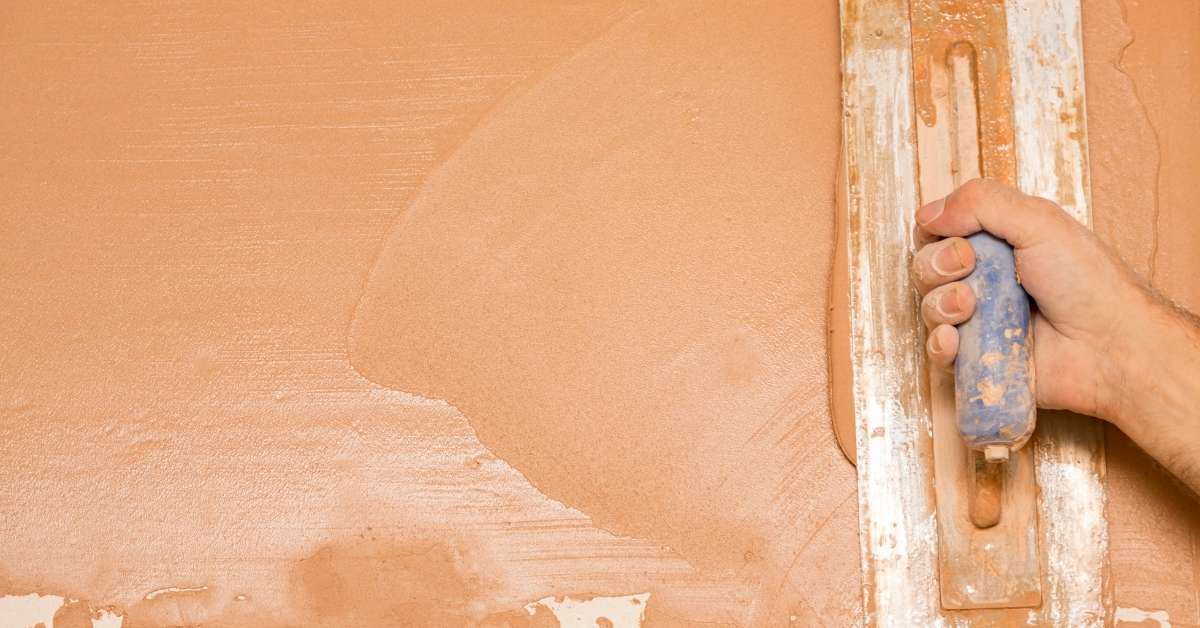
The finish coat provides the final texture, color, and protective layer. It options range from acrylic and elastomeric to traditional cementitious finishes.
Pigmentation, colorfastness, and UV resistance are factors to verify with the product data sheet or manufacturer instructions. Finish coats must be compatible with the underlying coats for durability.
Choosing a Finish Type and Texture
When it comes to the final layer of your stucco, you’ve got options. Let’s break down acrylic, cementitious (traditional), textured, and smooth finishes.
Acrylic/Elastomeric: Flexible, breathable, good for climates with temperature swings. Easy maintenance but can be pricier.
Cementitious (Traditional): Durable, classic look, cheaper. Less flexible, less breathable. Requires more maintenance in harsh climates.
Textured vs Smooth: Textured hides imperfections better, easier to clean. Smooth gives a sleek look, shows every bump and bruise. Choose based on your climate and desired aesthetics.
Color, Pigments, and UV/Weather Considerations
Pigment choices aren’t just about looks. They affect how your finish holds up to the sun.
Integral Color: Mixed into the stucco at the factory. Consistent color throughout. Less prone to fading but can be harder to match if repairs are needed.
Surface Coatings (Tints): Applied on-site. More susceptible to fading over time. Easier to touch up but may not last as long.
Consider your climate. Darker colors absorb more heat, which can cause expansion and contraction. Lighter colors reflect heat. Schedule regular checks for fading and touch-ups.
Maintenance and Repainting/Refinishing Tips
Regular maintenance keeps your stucco looking good and performing well. Here’s what to do:
Cleaning: Remove dirt, mold, or mildew with a mild detergent solution. Rinse thoroughly.
Stain Removal: For tough stains, use a bleach solution (1 part bleach, 3 parts water) but test on a small area first to avoid discoloration.
Repaint/Refinish: Every 5-10 years, depending on climate and exposure. Inspect for cracks or damage before starting. For small repairs, use a patching compound. For full refinishing, follow the same process as your original finish application.
Installation Workflow and Safety Best Practices
Outline the end-to-end workflow from substrate prep through final inspection, including weather and curing windows. Plan for proper sequencing of each coat and drying time.
Safety and PPE are essential at every stage, with scaffold rules and handling of alkaline materials emphasized. Document the process and maintain a clean worksite to prevent accidents.
Tools, materials checklist, and staging
Use this checklist before starting your concrete project to ensure you have everything needed for a smooth and safe installation.
- Concrete Mixer: Check it’s in good working condition. Ensure it can handle the volume of concrete you’ll need (check manufacturer guidelines).
- Wheelbarrow: Inspect for cracks or wobbles. It should be stable and capable of holding your mix.
- Shovel: Ensure it’s sturdy and the right size for your project (e.g., square-nose shovel for mixing, pointed-tip for placing).
- Trowel (hand & finish): Check they’re clean and in good condition. Hand trowel should be 6-8″ wide, finish trowel 12-14″.
- Lath Fasteners: Verify you have enough for your project. Check they match the lath type (e.g., nails for expanded metal, screws/welds for wire mesh).
- Scaffolding: Inspect for stability and safety. Ensure it’s tall enough to reach the highest points safely.
- Temporary Protection Materials: Check you have tarps or plastic sheets to protect surrounding areas from concrete spills.
- Safety Gear: Verify you have hard hats, safety glasses, gloves, and steel-toed boots for all workers.
Quick rule: Always check your tools and materials before starting. A few minutes of preparation can save hours of rework and prevent accidents.
Health and safety precautions
First things first, PPE is your best friend on the job. That means:
- Respiratory: Use a NIOSH-approved dust mask or respirator to protect against silica and cement dust.
- Skin: Wear long sleeves, gloves, and waterproof boots to prevent skin irritation and lime burns.
- Eye: Protect your peepers with safety glasses or goggles. If you’re wearing a respirator, make sure it’s compatible.
Now, let’s talk dust. You don’t want to be breathing that stuff in all day, so:
- Wet down the area before you start mixing and keep it damp while you’re working.
- Use a water sprayer or hose to control dust during mixing and placement.
- Vacuum clean up with a HEPA vacuum to capture any remaining dust.
Lastly, lime and cement are caustic. Here’s how to handle them safely:
- Wear your PPE when handling these materials.
- Keep them dry until you’re ready to mix. Once wet, they can cause severe burns if they get on your skin.
- If you do get lime or cement on your skin, rinse immediately with water and seek medical attention if necessary.
Seasonal and environmental work constraints
Concrete’s a finicky beast when it comes to weather. Here’s what you need to know:
Temperature matters most. It affects how your concrete sets, strengthens, and cures. Aim for these ranges:
- Placing: 50°F – 90°F (10°C – 32°C)
- Setting: 40°F – 80°F (4°C – 27°C)
Check your concrete’s bag for specific product limits. If it’s too cold or hot, consider:
- Adding accelerators in the cold.
- Using retarding admixtures in the heat.
Humidity and wind can cause issues too. Keep an eye out for:
- Excessive dust – it can mess with your mix design.
- High humidity – it might make your concrete sweat, weakening the set.
Wind’s a pain too. If it’s breezy:
- Protect your pour with windscreens or tarps.
- Avoid placing if gusts exceed 10 mph (16 km/h).
Durability, Common Problems, and Troubleshooting
Durability ties to the performance of all coats together, with common concerns like cracking, delamination, and moisture intrusion. Understand how these issues relate to the assembly as a whole.
Diagnostics rely on visual checks, moisture testing, and soundings. Use a structured plan to decide between repair and replacement, and plan for preventive maintenance.
Stucco on chimneys — special concerns
Chimneys pose unique challenges for stucco. They’re subject to higher heat, moisture, and movement.
Flashing failures: Improper or damaged flashings let water in at the base of your chimney. This can cause delamination and efflorescence.
Differential movement: Chimneys expand and contract more than walls due to heat cycles. This can lead to cracking, especially where they meet the wall.
Moisture issues: Condensation inside chimneys can seep into stucco, causing staining, spalling, or loose coatings. Ensure your chimney’s crown is in good shape and directs water away.
Inspection and repair decision guide
Before you start repairs, inspect your stucco thoroughly. This guide helps you decide what you can fix yourself and when to call a pro.
- Cracking: Hairline cracks? You might DIY. Alligator cracking? Call a pro.
- Delamination: Small areas? Patch it. Large areas or at corners? Get expert help.
- Efflorescence: Light staining? Clean and seal. Heavy, recurring stains? Inspect for moisture sources.
- Moisture staining: Surface water? Improve drainage. Staining from inside? Check your chimney or plumbing.
- Spalling: Small areas? Patch it. Large areas or at corners? Get expert help.
- Loose coatings: Small areas? Reattach and seal. Large areas or at corners? Call a pro.
- Seasonal timing: Inspect in spring, after winter’s freeze-thaw cycles. Repair in fall, before cold sets in.
- Document findings: Take photos of issues. They help with diagnosis and repair planning.
Quick rule: If it’s small, isolated, and you’re confident, DIY. If it’s large, recurring, or at a critical point, call a pro.
Long-term waterproofing and breathable coatings
Waterproofing and sealing your stucco properly extends its life. But not all sealants are created equal.
Vapor-permeable vs impermeable: Breathable coatings let moisture escape, preventing trapped water from causing damage. Impermeable ones trap moisture, leading to issues over time.
Consider using silicone or silane-siloxane based sealants. They’re breathable, flexible, and resist UV degradation. Apply them after your finish coat has cured fully.
Prevention is key: Regularly inspect your stucco for signs of water intrusion. Address minor issues promptly to prevent bigger problems down the line.
Costs, Codes, and Choosing a Contractor
Costs vary with one-coat versus three-coat systems, considering materials, labor, and ongoing maintenance. Get a clear estimate that itemizes major components.
Code considerations cover applicable standards and local requirements, plus permit milestones. Use a contractor checklist to compare licenses, experience, warranties, and written agreements.
Cost comparison and value factors
The cost of stucco varies based on materials, labor, and project complexity. Expect one-coat systems to be cheaper due to fewer layers but keep in mind they might not last as long.
Material costs differ by region and quality. Get multiple bids to compare pricing accurately.
Labor: Skilled applicators charge more but ensure a better finish. Consider the total cost, not just the initial bid.
Material specs and standards explained
Choosing the right materials ensures durability and longevity. Check product datasheets against ASTM C926 for quality assurance.
- Lath: Choose from metal or fiberglass. Metal is cheaper but can rust; fiberglass is more expensive but durable.
- Scratch Coat: Look for a mix with good adhesion and aggregate size for better bonding of the next coat.
- Brown Coat: Ensure it has proper sand-to-cement ratio (around 3:1) for strength and workability.
- Finish Coat: Check for UV resistance, color retention, and easy application. Avoid low-quality materials that crack or stain easily.
- Additives: Consider using additives for improved water resistance, increased bond strength, or accelerated curing.
Questions to ask prospective contractors
Hiring the right contractor ensures a quality job. Ask about their licenses, insurance, and experience with your chosen system.
References: Request references from past clients and follow up on them. Check if they’re satisfied with the work and if there were any issues.
Warranty Terms: Ensure the warranty covers both labor and materials, and understand what’s covered and for how long.
Portfolio & Inspections: Ask to see a portfolio of their work. Inquire about inspection records during and after installation to ensure code compliance.
Conclusion
Respect for the substrate and proper coat sequence is what keeps stucco looking good and standing up to weather. Do the work with safety and patience, and you’ll avoid costly fixes down the line.
Begin with a simple check: confirm the substrate and lath are sound, verify the scratch, brown, and finish coats are applied in the right order and cured properly, protect against moisture, and test adhesion before you finish. Do the work step by step in a logical order, keep the area dry, and follow local codes and manufacturer guidelines.
Common mistakes to avoid include skipping a thorough lath inspection, skipping or under- or over-building the scratch and brown coats, and rushing curing times. Don’t skip PPE and fall protection, don’t work in gusty weather or on wet surfaces, and never mix or apply materials outside recommended temperature and humidity ranges. If you see cracking, moisture intrusion, or signs of substrate movement, pause and recheck the system before continuing—these are telltale safety and durability flags.
If structural issues show up, or you aren’t confident about flashing, code compliance, or the substrate condition, call a professional. With careful prep, steady hands, and attention to the details, you can finish a weather-tight, durable layer that looks right and lasts. Stay practical, stay safe, and push forward one solid step at a time.
FAQ
What is stucco made of?
Stucco is usually a cement-based mix with lime and aggregates. It also uses water and sometimes acrylic additives. Check the product label or manufacturer instructions for the exact mix options and what your climate supports.
Three-coat vs. one-coat systems—how do they differ?
Three-coat systems have separate scratch, brown, and finish coats for strength and finish. One-coat systems combine the layers into a single pour, which can save time but may sacrifice some durability. Look at the label and local guidelines to see which system fits your project.
What’s the basic stucco installation process?
Expect a lath base, then a scratch coat, a brown coat for leveling, and a finish coat. Each layer needs proper curing and koji-free, weather-friendly conditions. Follow manufacturer instructions for mixing, thickness, and cure times, and never skip a layer’s readiness checks.
Maintenance and repair tips for stucco
Inspect for cracks, bulging, or water stains after heavy rain. Small cracks can often be hairline fixes, but larger or rising cracks may need a pro. For DIY repairs, use compatible patch products and sealants and always verify compatibility with your existing finish.