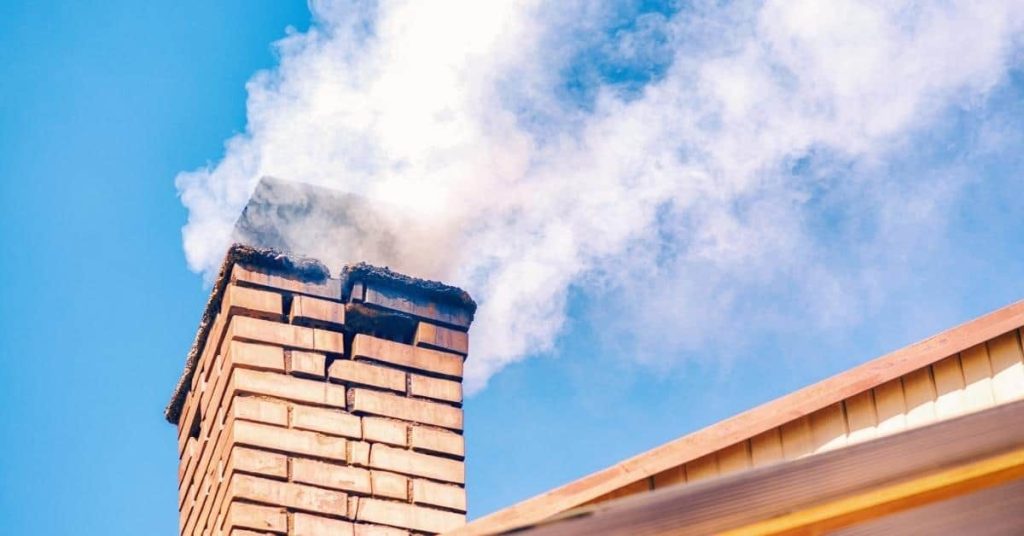
Introduction
Chimney stucco failures are cracks and deterioration in the exterior plaster caused by heat exposure, moisture, and movement. These issues show up as hairline cracks, spalling, or texture changes that let water in. Addressing them early keeps water out and protects the brick or block behind the finish.
To start, inspect for cracks that go through to the substrate and check for moisture staining or loose edges. Choose a repair approach based on damage: patch small cracks, recoat or re-stucco badly damaged areas, and seal with a breathable, compatible product. Always read product labels and follow manufacturer instructions, and check local building rules for weatherproofing and drainage details.
Key takeaways
- Inspect chimney stucco annually for cracks, moisture, bulges near roof line.
- Heat damage signs: blistering, spalling, or color fading indicate plan repairs.
- Match stucco type and climate when patching to prevent failures.
- Use manufacturer instructions for patching, bonding agents, and cure times.
- Consider professional evaluation for structural cracks or water intrusion.
- Safety: turn off power and use fall protection before access.
- Repair choices vary; spot patching may suit small defects but monitor for recurrence.
Table of Contents
- Introduction
- Key takeaways
- Overview: How and Why Chimney Stucco Fails
- Heat-Related Damage: What High Temperatures Do to Stucco
- Identifying Crack Types and Their Implications
- Inspecting and Diagnosing Chimney Stucco Problems
- Repair Choices: from Spot Patching to Complete Re-Stucco or Re-Cladding
- Materials, Compatibility, and Standards to Follow
- DIY Vs Professional Repairs: Making the Right Choice
- Prevention, Maintenance, and Monitoring to Avoid Recurrence
- Conclusion
- FAQ
Overview: How and Why Chimney Stucco Fails
Chimney stucco fails for a few common reasons: thermal stress, moisture intrusion, poor initial installation, and inevitable mechanical damage from wind and routine upkeep. These factors often work together, speeding deterioration and complicating repairs. Understanding the failure modes helps you pick a sensible repair plan.
In this section you’ll see how cracking, spalling, and delamination start and spread. You’ll also get a realistic view of diagnostic steps and the repair options you’ll encounter, from quick fixes to full envelope overhauls. Read this to set expectations before pulling on your work clothes.
Common root causes
Chimney stucco failures often stem from a few common culprits. First, heat exposure. Chimneys take the brunt of heat from fires, causing thermal stress that can lead to cracks and delamination.
Second, water intrusion. Moisture can seep into cracks or through porous stucco, freezing and expanding in cold weather, further damaging the stucco. This is often due to missing or damaged chimney caps or flashing.
Third, substrate movement. Chimneys settle over time, and this movement can cause stress on the stucco, leading to cracks. Additionally, flue gases expanding and contracting can also cause minor substrate movements.
Lastly, installation errors. Poor preparation of the substrate, using low-quality materials, or applying stucco in extreme temperatures can all lead to early failures.
Why chimneys are different from wall stucco
Chimneys face unique stressors that set them apart from typical wall stucco. For one, concentrated heat. While exterior walls might experience some heat gain, it’s nothing like the intense heat a chimney endures.
Secondly, flue movement. Flue gases expand and contract with temperature changes, causing minor movements in the chimney structure. This constant expansion and contraction can lead to cracks not typically seen on static walls.
Lastly, outdoor exposure. Chimneys are exposed to all sorts of weather conditions – rain, snow, wind, and extreme temperatures. This constant battering can cause stucco to degrade faster than it would on a protected exterior wall.
Heat-Related Damage: What High Temperatures Do to Stucco
High flue temperatures and repeated heating cycles push stucco past its limits. The heat stresses the cement matrix and can crack mortar joints. Over time, this accelerates moisture ingress and expands the area of damage.
Thermal cycling also weakens the lath and can cause the surface to detach or delaminate. You’ll want to verify how the chimney is vented and whether heat shields or clearances are correct per manufacturer guidance. Check labels and local code notes before planning fixes.
Thermal expansion, contraction, and cracking
High temperatures cause stucco to expand. When it cools, it contracts. This constant cycle creates stress cracks.
Cracks weaken bonds between layers. They let in moisture, which freezes and thaws, making cracks worse.
Small hairline cracks can grow into major problems if not addressed.
Effects on mortar, lath, and bond
Heat dries out mortar. This makes it brittle and prone to crumbling. It also weakens the bond between stucco and the substrate.
Metal lath can warp or rust due to heat and moisture. Warped lath causes cracks in stucco. Rust reduces the strength of fasteners, leading to delamination.
Heat can also cause fasteners to loosen or break, further weakening the bond between layers.
Fire safety and clearances to consider
High temperatures near combustible materials are a fire hazard. Ensure there’s enough clearance around your chimney.
Check chimney components for heat-related hazards. Cracked or missing mortar, warped lath, or loose fasteners can cause sparks to escape through cracks or the chimney to collapse.
Maintain clearances and inspect your chimney regularly to prevent fire hazards.
Identifying Crack Types and Their Implications
Hairline cracks are common and often cosmetic, but they can hide deeper movement. Vertical cracks may signal settlement or differential movement along the chimney. Horizontal cracks can indicate more serious material failure or backing issues.
Stepping cracks follow the masonry joints and can show combined movement. Delamination means the surface is separating from the substrate and is usually urgent. Use these patterns to gauge urgency and the likely cause before choosing a repair approach.
Shrinkage and hairline cracks
Hairline cracks are common in stucco, but not all need immediate attention. These are usually superficial, caused by minor shrinkage during curing or slight movement of the chimney.
Cosmetic cracks are narrow (less than 1/8 inch wide), don’t run deep, and don’t widen over time. They’re harmless and can be sealed with a flexible acrylic paint to prevent water intrusion.
However, if hairline cracks are wider (over 1/8 inch) or seem to be growing, they might indicate underlying issues. Monitor these closely and consider repair if they worsen.
Structural, settlement, and movement cracks
Vertical or stair-step cracks can signal serious problems. These often indicate settlement issues, substrate movement, or structural damage.
Settlement cracks are typically wider at the top than the bottom, indicating downward movement. If they’re accompanied by leaning or bulging of the chimney, it’s a sign of significant structural issues that require immediate evaluation by a professional.
Stair-step cracks can indicate movement between different parts of the structure. While these might seem minor, they can widen over time and compromise the integrity of the chimney.
Delamination, bulging, and blowouts
Loss of bond between stucco and substrate is serious. It can lead to chunks of stucco falling off (blowouts) or the entire chimney face detaching (delamination).
Bulging is a clear sign of delamination. If you see any part of your chimney sticking out more than usual, it’s a red flag.
Blowouts are dangerous as they can cause injury or property damage. If you notice any chunks missing from your stucco, or see exposed substrate, it’s time for major repairs or even re-cladding.
Inspecting and Diagnosing Chimney Stucco Problems
Start with a visual survey from ground level and, if safe, with a ladder to inspect the cap, crown, and drip edges. Look for cracks, staining, and loose panels. Tap the surface to listen for hollow sounds that signal underlying voids.
Document water entry points and test moisture around joints and flashing. Decide what tests are needed, such as moisture meters or patch tests, and reference product labels for proper repair steps. Plan diagnostics around the suspected extent of damage before committing to repairs.
Visual checkpoints and photo documentation
Before you start any repair work, follow this visual checklist to assess your chimney’s stucco condition. It’s best to do this on a clear, dry day.
- Crown: Check for cracks or crumbling. This is the top part of your chimney that protects it from weather damage.
- Cap: Ensure it’s intact and properly fitted. A damaged cap can let water into the chimney.
- Flashing: Inspect where the chimney meets the roof. Flashing should be tight, without gaps or rust.
- Mortar joints: Look for missing or crumbling mortar. This is a common issue that can lead to bigger problems.
- Lath exposure: Check if any lath (the support structure under the stucco) is exposed. If so, it’s a sign of serious damage.
- Crack patterns: Note where and how cracks are forming. This can help diagnose the root cause.
- Stucco surface: Feel for any soft or spongy areas. These could indicate hidden moisture problems.
- Document findings: Take photos of all issues from different angles. This will help you track progress and make repair decisions.
Quick rule: Always photograph your findings. It helps in tracking repairs and can serve as evidence if you need to claim on insurance.
Moisture detection and non-destructive testing
Moisture is the enemy of stucco. Here’s how to find it without causing more damage:
First, look for visual cues like efflorescence (white powdery deposits) or greenish stains. These can indicate water intrusion.
Next, use a moisture meter. Press it against the stucco and watch the needle. If it goes up, you’ve got moisture. But remember, this only tells you about surface moisture, not what’s hidden inside.
Infrared scanning is more accurate but requires specialized equipment. It shows temperature differences, which can indicate trapped moisture or delamination (when the stucco separates from its support).
Sounding: This is an old-school method that still works. Tap the stucco with a hammer. A dull thud could mean there’s hidden damage or moisture.
When to open up the stucco for a proper diagnosis
Sometimes, you need to remove a section of stucco to see what’s really going on. Here are signs that it might be necessary:
Persistent moisture: If your non-destructive tests keep showing moisture but you can’t find the source, it might be time to open up the stucco.
Delamination suspicion: If you suspect the stucco is separating from its support but can’t confirm with infrared scanning, opening it up could provide answers.
Unusual crack patterns: Some cracks don’t fit the usual heat-related or settlement patterns. Opening up the stucco might reveal the cause.
Remember: Opening up the stucco is a big step. It’s best to do this when you’re sure it’s necessary, and always after you’ve done your visual and non-destructive checks.

Repair Choices: from Spot Patching to Complete Re-Stucco or Re-Cladding
Spot patching works for small, isolated cracks and intact substrate. It’s the simplest option with the fastest turnaround. For broader cracking or surface degradation, patching may need backing and re-application to be durable.
Partial re-stucco or full re-stucco, and re-cladding are more invasive but restore integrity and moisture control. Choose based on structural checks, substrate condition, and long-term protection needs. Always consider the tradeoffs between cost, time, and longevity when selecting a method.
Spot repairs and proper patching technique
Spot patching can be an effective repair method for minor cracks or small areas of damage. It’s quick, relatively inexpensive, and can extend the life of your stucco if done correctly.
Preparation is key: Clean the area thoroughly to remove any loose material and ensure good bonding. Use a wire brush or pressure washer, but be careful not to damage the surrounding stucco.
Match the texture of the existing stucco as closely as possible. Use a scratch coat first, then apply the final layer, feathering it out to blend with the surrounding surface. Allow each layer to cure properly before applying the next.
Partial or full re-stucco (parging) considerations
When cracks are extensive, spot patching isn’t enough. You’ll need to consider partial or full re-stucco, also known as parging.
Single-coat systems use a single layer of stucco over a reinforced base coat. They’re faster and cheaper but lack the durability of traditional three-coat systems. Consider single-coat for small areas with minor damage.
Traditional three-coat systems provide superior durability and are recommended for full re-stucco or large partial repairs. They involve applying a scratch coat, followed by a brown coat, and finally a finish coat. Full replacement is recommended when extensive damage is present, or the existing stucco is of poor quality.
Re-cladding alternatives (metal, stone veneer, siding)
If your chimney’s stucco is beyond repair, consider re-cladding with alternative materials. These can provide durability and aesthetic appeal.
Metal: Lightweight, durable, and low-maintenance, metal cladding comes in various styles to mimic traditional stucco or other finishes. Ensure proper flashing and clearances to prevent moisture intrusion.
Stone veneer: Real stone or manufactured stone veneer can add a touch of elegance. They’re lightweight, durable, and easy to install. Again, ensure proper flashing and clearances.
Siding: Vinyl or fiber cement siding can be used as an alternative. They’re low-maintenance and come in various styles. Ensure they’re compatible with your chimney’s structure and local building codes.
Materials, Compatibility, and Standards to Follow
Key materials include cement stucco, acrylic finishes, lath, and moisture barriers. Compatibility with chimney temperatures and moisture control is essential for durability. Check product labels and manufacturer instructions for guidance.
Understand how different mixes interact with existing plaster or brick, and whether a breathable coating or waterproofing layer is appropriate. Consult local standards or a qualified pro if you’re unsure about required thickness or adhesion tests.
Stucco mixes, layers, and breathable systems
When it comes to chimney stucco, there are several mix types you’ll encounter. The most common are:
- One-coat system: A single layer of cement-based stucco applied over a reinforced lath. It’s quick and easy but lacks durability.
- Three-coat system: Three layers – a base coat, a brown coat (for texture), and a finish coat. This provides better protection and longevity.
- Acrylic finishes: These are applied over the final stucco layer for color and protection. They can help reflect heat but aren’t as durable as traditional finishes.
Breathable systems are crucial to manage moisture. This means using materials that allow water vapor to escape while preventing liquid water intrusion. Drainage planes should be installed behind the stucco to direct any water away from the chimney structure.
Lath, fasteners, and substrate prep
Before applying stucco, prepare your substrate. This involves cleaning, priming, and ensuring the surface is sound and dry.
Lath provides a base for the stucco to adhere to. Common types are metal (expansion lath) and wood fiberboard. Metal lath should be corrosion-resistant and securely fastened with appropriate fasteners like staples or screws.
The key to long-term adhesion is proper installation. Follow manufacturer guidelines, use appropriate fasteners, and ensure the lath is secure and level before applying stucco.
Material compatibility with heat and flue products
Materials near the flue face extreme heat. Using incompatible materials can lead to cracking, staining, or weak bonds.
- Refractory mortar: Use this for areas around the flue. It’s designed to withstand high temperatures (up to 3000°F). Look for ‘refractory’ in the product name and check its heat resistance rating.
- Stucco mix: Regular stucco can’t handle extreme heat. Keep it at least 2 inches away from the flue, and use a heat-resistant finish if needed.
- Fasteners: Use heat-resistant fasteners near the flue to prevent warping or failure.
- Finishes: Some acrylic finishes can handle high heat. Check manufacturer guidelines for proximity to heat sources.
- Avoid: Regular cement-based stucco, drywall compounds, and other non-heat-resistant materials near the flue. They’ll crack or discolor over time.
DIY Vs Professional Repairs: Making the Right Choice
Small, cosmetic cracks and surface repairs are often doable by a handy homeowner with proper safety gear. Major cracking, delamination, or backing damage should trigger professional help. A misstep can lead to water intrusion or misaligned flashing.
Weigh risk factors like height, scaffold use, and potential exposure to heat when deciding. If you’re unsure about structural movement, ventilation, or code requirements, hire a mason, chimney specialist, or licensed contractor. Document the decision process and any warranties or guarantees.
DIY skill checklist and common pitfalls
Before you grab your trowel and mix up some concrete, use this checklist to ensure you’re ready for the job. It’s best to check these points before starting any DIY repair work.
- Check surface condition: Inspect the area for cracks, holes, or crumbling. Use a wire brush to remove loose material and a trowel to scrape away any remaining debris.
- Assess moisture content: Concrete should be dry before patching. Use a moisture meter (available at hardware stores) to check; readings below 4% are ideal.
- Gather proper tools: You’ll need a trowel, shovel, wheelbarrow, concrete mix, and any necessary safety gear like gloves and goggles.
- Match concrete type: Ensure the patching material matches the existing concrete’s composition. Check the product label or consult with a local concrete supplier.
- Prepare the area: Clean the surface, remove any oil stains using a degreaser, and dampen the edges of the repair area to prevent cracking.
- Mix correctly: Follow the manufacturer’s instructions for mixing. Incorrect mixing can lead to weak or poorly cured concrete.
- Apply evenly: Spread the mixed concrete evenly, using a trowel to push it firmly into any cracks or holes. Avoid overworking the material as this can introduce air bubbles.
- Finish properly: Use a float to smooth and level the surface, then use an edger tool to create a slight bevel at the edges to prevent cracking. Allow the patch to cure according to manufacturer’s instructions.
Quick rule: Always remember that concrete is heavy; ensure your structure can support the additional weight and consult local building codes if necessary.
When to call a chimney or masonry professional
You’ve checked your DIY skills and know the common pitfalls. But some jobs are just too big for even the most experienced homeowner. Here’s when to throw in the towel and pick up the phone:
Structural cracks in your chimney or masonry work could be a sign of serious issues like settling or foundation problems. Don’t mess around with these – call a pro.
Persistent moisture behind stucco? That’s not something you want to DIY. It could lead to mold, rot, and further damage. Get an expert to check it out.
Exposed lath or unknown flue issues? These can cause chimney fires or carbon monoxide poisoning. Don’t risk it – leave these jobs to the professionals.
Permits, inspections, and warranties
Before you start any repair work, use this checklist to ensure you’re covered and won’t face costly surprises later.
- Check local permits: Verify if your project requires a permit. Check with your local building department or city hall. What goes wrong if you skip this: You could be fined, forced to tear down work, or face issues when selling your home.
- Obtain estimates: Get at least three written estimates from licensed contractors. Compare services, costs, and warranties. What goes wrong if you skip this: You might overpay or hire an unqualified contractor.
- Scope of work: Ensure the estimate includes a detailed scope of work. It should list tasks, materials, timelines, and payment schedules. What goes wrong if you skip this: Misunderstandings can lead to disputes, additional costs, or incomplete work.
- Warranty details: Ask for a warranty in writing. It should cover both labor and materials, with clear start and end dates. What goes wrong if you skip this: You might be left with repairs that aren’t covered, or face disputes about what is.
- Inspection schedule: Know when inspections are required (e.g., before drywall, after framing). Schedule them with your local inspector. What goes wrong if you skip this: Your project could be halted until the inspection passes, causing delays and additional costs.
- Inspection pass/fail: After each inspection, ensure you receive a pass/fail report. Understand what needs to be corrected before proceeding. What goes wrong if you skip this: You might proceed with faulty work that will need to be redone.
- Final inspection: Schedule a final inspection once the project is complete. Ensure everything meets code and is ready for occupancy. What goes wrong if you skip this: You could face issues when selling your home, or have to redo work that doesn’t meet code.
- Warranty claims process: Understand how to make a warranty claim. Keep records of all communications and payments related to the project. What goes wrong if you skip this: You might struggle to make valid warranty claims later on.
Quick rule: Always keep detailed records throughout your project. They’ll protect you in case of disputes or when making warranty claims.
Prevention, Maintenance, and Monitoring to Avoid Recurrence
Set up a maintenance plan that includes flashing checks, crown upkeep, and cap inspections. Regular visual checks after severe weather help catch problems early. Address any signs of moisture or cracking promptly to slow progression.
Seasonal checks for sealant integrity and caulking, plus routine cleaning of vent areas, reduce recurrence. Keep a simple log of repairs and monitor for new movement or stains that suggest hidden damage. Use manufacturer guidance to verify compatible products for future work.
Flashing, crown, and cap best practices
The first line of defense against chimney stucco failures is proper installation and maintenance of flashing, the crown, and the cap.
Flashing: This metal strip prevents water from seeping into the chimney structure. Ensure it’s securely attached, lapped correctly, and doesn’t overlap the chimney crown or cap.
Crown: The cement-based top of your chimney should slope downwards to direct water away. Inspect it regularly for cracks and repair promptly.
Cap: A well-fitting cap protects the crown from rain, snow, and debris. Choose one made of durable, heat-resistant materials like metal or stone.
Routine inspection schedule and what to watch for
Inspect your chimney at least twice a year – once in the spring, before the rainy season, and again in the fall, before winter’s first fire.
- Check for cracks: Even hairline fractures can let water in. Seal small ones immediately.
- Inspect mortar joints: Crumbling or missing mortar can lead to serious damage. Repoint if necessary.
- Examine the crown and cap: Look for signs of wear, cracks, or displacement. Repair or replace as needed.
- Check flashing: Ensure it’s securely attached and not damaged. Tighten or repair as required.
- Inspect the chimney base: Cracking or leaning could indicate structural issues. Address immediately.
- Look for stains: Discoloration can signal water penetration. Investigate further if found.
- Feel for bulges: Swelling may indicate hidden damage. Further inspection is needed.
- Check for proper ventilation: Ensure the chimney draws smoke up and out. If not, consider improving ventilation.
Quick rule: Address any issues found during your inspections promptly to prevent minor problems from becoming major ones.
Long-term solutions to manage heat and moisture
To avoid recurring stucco failures, address the root causes – heat and moisture. Here are some long-term strategies:
Improve drainage planes: Ensure your chimney has proper slope and flashing to direct water away from the structure. Consider adding diverters if necessary.
Use heat-tolerant finishes: Opt for stucco mixes designed to withstand high temperatures. Follow manufacturer guidelines for application and curing.
Enhance ventilation: Ensure your chimney is properly vented to draw smoke up and out efficiently. Consider installing a chimney cap or damper if you don’t have one already.
Conclusion
Protecting your chimney and the home it serves comes down to safety, durability, and doing the right repair in the right order. Stay practical, test materials in a small area first, and choose fixes that won’t trap moisture or fail again from heat.
Move forward with a simple, real‑world check: inspect from ground level and on a safe ladder line, note all cracks and their sizes, look for efflorescence or water staining, check flashing and joints, confirm the patch or re‑stucco material will match heat exposure and neighborhood standards, verify substrate compatibility, and plan the repair in the smallest, least invasive step that can be done safely before committing to full rework or re-cladding, then monitor after each fix and reseal as needed.
Common mistakes to avoid include skipping the underlying cause and just patching, using patch materials that won’t handle chimney heat or movement, and applying patches without testing moisture intrusion or proper surface prep; also never apply coating over damp stucco, and don’t rush cure times or skip flashing inspection—these habits invite repeat damage and costly repairs.
Call a professional if you see bulging, major structural cracks, loose or missing flashing, or you’re unsure about substrate condition, support structure, or building codes; otherwise, by following careful, staged steps and documenting results, you can regain a safe, durable chimney that looks right and lasts. Stay steady, stay safe, and use the next repair as a measured step toward a trouble‑free chimney.
FAQ
What signs point to heat-related stucco damage on a chimney?
Look for crazing cracks, spiderweb patterns, chalky or powdery finish, and places where the stucco feels soft or hot to touch. If cracks run through embedded mesh or around metal parts, check further. When in doubt, inspect after a kettle of sun exposure or high fire heat events.
How should I prepare a cracked area before patching?
Clean loose material and dust from the crack with a brush. Dampen the area with water to help the patch material bond. And check that the underlying substrate is solid; if you see sagging or loose masonry, fix that first or call for advice.
What repair method should I choose for a DIY patch versus full re-stucco or re-cladding?
Small, non-structural cracks may be patched with a compatible exterior patch, following product instructions. Large cracks, bulging, or widespread damage may require a more extensive fix or re-stucco; verify methods with the patch product label or manufacturer guidelines. When in doubt, plan for a bigger repair than you think you need and confirm with a material spec.
What steps should I take after a repair to prevent recurrence?
Seal joints and flashing correctly to shed water away from the chimney. Repoint or replace damaged sealants and verify any heat-exposed areas are protected. Regularly inspect for new cracks after heating seasons and recheck nearby masonry for moisture problems.

