

Introduction
Choose a bathroom-safe, mildew-resistant paint with the right sheen to resist moisture and make cleaning easy.
You’ll learn how to evaluate paint types, finishes, and VOC levels, and how to match them to your bathroom conditions.
The guide walks through practical steps, common pitfalls, and basic safety considerations for prep, priming, application, and maintenance.
Key takeaways
- Select mold- and mildew-resistant latex enamel with satin or semi-gloss finish.
- Apply primer to bare drywall and ceilings to improve paint adhesion.
- Ensure surface is dry, clean, and free of soap scum before painting.
- Use a high-quality brush or roller designed for high humidity.
- Protect adjacent areas with tape, drop cloths, and proper ventilation during painting.
- Inspect ceilings for peeling prior to touch-up, and seal edges with caulk.
Table of Contents
- Introduction
- Key takeaways
- Why Bathroom Paint Choice Matters
- How to Select the Best Paint Type and Finish for Bathrooms
- Proper Surface Preparation for Bathroom Ceilings and Walls
- Tools, Materials, and Checklist for a Bathroom Paint Project
- Step-by-Step DIY Guide to Fixing Peeling Ceiling Paint in Bathrooms
- Preventing Future Peeling: Ventilation, Maintenance, and Best Practices
- Costs, Common Mistakes, and When to Hire a Pro
- Conclusion
- FAQ
Why Bathroom Paint Choice Matters
Bathrooms are high-humidity rooms that swing between wet and dry, so paint has to withstand moisture and mold. Choosing the right moisture-resistant paint and proper prep prevents peeling and costly repairs; wrong choices can lead to peeling, cracking, and mold growth.
Sheen matters for wipeability and reflections, so lean toward moisture-resistant interior acrylics or epoxy-based bathroom paints with a finish that can handle damp conditions. Good prep—cleaning, addressing any mold, sealing stains with a compatible stain-blocking primer, and using primers designed for bathroom paints—keeps the finish durable and easier to maintain, reducing future repairs.
Key Causes of Peeling and Paint Failure in Bathrooms
The main reason paint fails in bathrooms is the constant exposure to moisture. Water can seep into porous surfaces, causing the paint to peel off over time. Poor surface preparation before painting also leads to failure; if you don’t clean and prime properly, any existing mold or stains will come through.
The wrong type of paint is another critical issue. Using a flat finish in high-moisture areas means the paint won’t stand up to daily wear and tear. And without the right primer, even the best paint can fail if it doesn’t adhere well to the surface. Lastly, inadequate ventilation during painting or after application can trap moisture inside, leading to peeling and mold growth.
How Paint Properties Affect Performance
The sheen level of your paint is crucial. Eggshell or satin finishes are better for bathrooms because they’re easier to clean and hide imperfections, while still providing a durable surface. Avoid flat paints as they don’t hold up well in damp conditions.
Mold inhibitors and mildewcide additives help prevent growth on painted surfaces. These ingredients are especially important if you’ve had mold issues before. Also, look for alkali resistance to protect against the alkaline nature of concrete or plaster walls, which can cause paint to deteriorate faster.
How to Select the Best Paint Type and Finish for Bathrooms
For bathrooms, lean toward latex for easy cleanup and lower odor, with modern alkyd‑enriched latex options offering added durability in damp spaces without the drawbacks of traditional oil‑based paints. Oil‑based paints can still be useful where surfaces take heavy abuse or require outstanding stain resistance, but they bring longer drying times, stronger solvent smells, and tougher cleanup that DIYers often regret. When selecting finishes, satin is a good default for walls and semi‑gloss for trim or high‑traffic areas because they balance washability, moisture resistance, and light reflection in small or darker baths.
Consider specialty bathroom formulas or mildew‑resistant paints when humidity stays high, ventilation is limited, or you have moisture‑soaked zones such as showers, niches, or enamel surfaces that users scrub frequently. Surface prep and primer needs vary a lot by drywall, cement board, tile, fiberglass, or acrylic surrounds, so read the label and follow the manufacturer guidance for moisture sealing and adhesion. Think about your humidity level, how often you clean, and the long‑term maintenance you’re ready for, and choose color and sheen that brighten the room and help conceal any ongoing mildew risk.
Step-by-Step Process
This sequence helps you pick the best paint type and finish for your bathroom, ensuring durability and ease of maintenance.
- Assess humidity levels and ventilation. Check if walls are dry or damp to guide your choice between regular latex and mildew-resistant formulations.
Quick check: If condensation forms regularly, opt for a mildew-resistant paint. - Select the right type of paint—latex or oil-based. Latex is easier to clean up but may not be as durable in high-humidity areas; alkyd-enriched latex offers better durability.
Quick check: For daily use and easy cleanup, go with modern latex options. - Determine finish based on location and usage—satin for walls, semi-gloss for trim. Satin hides minor imperfections well, while semi-gloss resists stains and is easier to clean.
Quick check: In high-traffic areas like showers or near sinks, use semi-gloss. - Choose a primer that matches your paint type and finish needs. Use oil-based primers for concrete or masonry surfaces; latex primers work well on drywall and wood.
Quick check: Ensure the primer is compatible with the topcoat to avoid peeling issues later. - Apply two coats of paint, allowing each coat to dry completely before applying the next. This ensures even coverage and better durability.
Quick check: Check for uniform color after drying; if needed, apply a third thin coat.
Finish Recommendations and When to Use Them
In bathrooms, satin and semi-gloss finishes are your best bets. Satin is great for walls as it hides imperfections well and has a soft sheen that’s easy on the eyes.
Semi-gloss works wonders for trim and doors due to its high durability against moisture and frequent cleaning.
Avoid flat or eggshell finishes in bathrooms since they show dirt easily and are harder to clean. High-gloss is also not recommended as it can highlight imperfections and be too slippery when wet.
Paint Formulation and Additives to Look For
Mildew-resistant paints are a must for bathrooms. They contain mildewcide that prevents mold growth, especially in high-humidity areas.
Look for paints with polymer binders which enhance durability and adhesion.
Low-VOC options are better for indoor air quality but may sacrifice some durability compared to higher VOC paints. Choose breathable formulations if you want a balance between moisture management and paint longevity.
Proper Surface Preparation for Bathroom Ceilings and Walls
Bathroom prep is about clean, dry, and ready-to-adhere surfaces. You address soap scum, oils, and mold, then scrape, sand, and prime for long-term adhesion. Follow a safe, ventilated workflow and use the right patching and moisture‑resistant primers.
Getting this right matters because moisture is the enemy of finish durability. Proper cleaning, drying, and mold remediation prevent peeling and mold growth down the line, while primer and moisture barriers give you solid adhesion in a humid space. Use the label instructions, protect yourself with PPE, and check substrate condition before painting.
Cleaning, Mold Removal, and Moisture Assessment
To prep your bathroom surfaces for painting, start by cleaning them thoroughly. Use a mild detergent or a specialized cleaner like TSP (trisodium phosphate) to remove soap scum, oils, and grime. Rinse well with water and let the surface dry completely before proceeding. A moisture meter can help confirm that the walls are bone-dry.
Next, address any mold issues. If you spot visible mold or mildew, use an EPA-registered fungicide to kill it off. Follow up by rinsing and drying the area thoroughly. If there’s extensive damage or if the surface feels damp even after cleaning, consider replacing compromised drywall or plaster rather than just painting over it.
Finally, check for ongoing moisture issues that could cause future problems. Look for water stains, condensation, or any signs of leaks. Address these before you paint to ensure a long-lasting finish. If the problem persists, consult a professional to fix underlying plumbing or ventilation issues.
Repairing Peeling, Cracks, and Damaged Plaster or Drywall
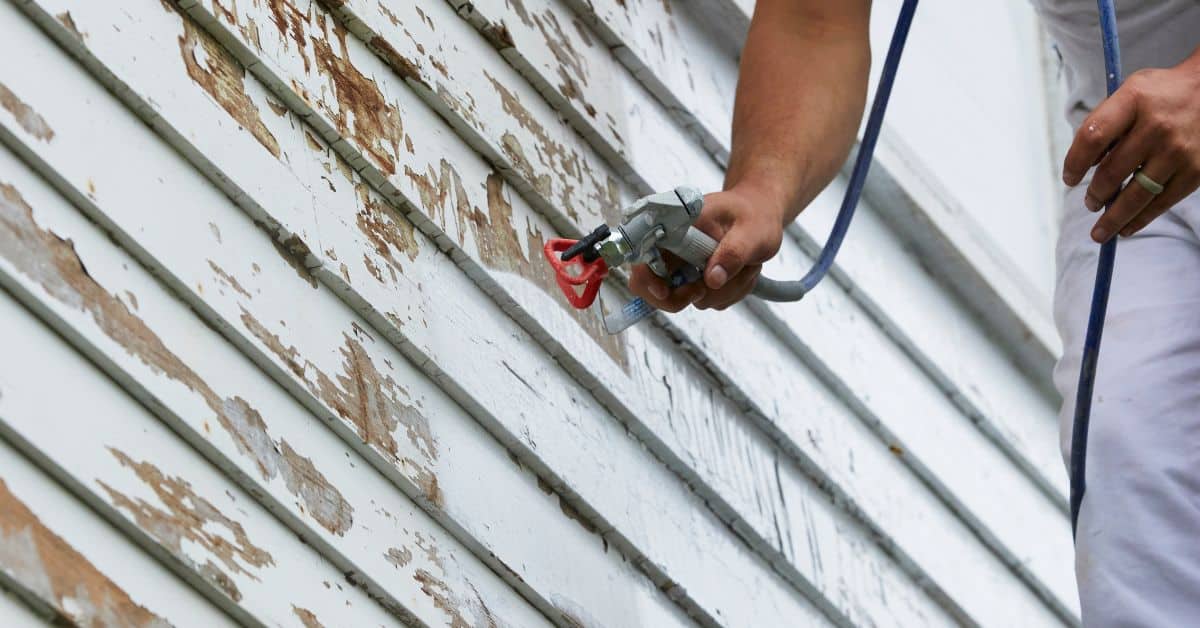
Before priming your bathroom walls, you need to address any peeling paint or cracks. Start by scraping off loose paint with a putty knife. Feather the edges of remaining paint for a smooth transition.
For small holes or cracks, use a suitable patching compound like spackling paste. Fill them in and let it dry before sanding down to a smooth surface. For larger areas, consider using joint compound or lightweight plaster.
Sanding is crucial after repairs to ensure the wall is uniform and ready for primer. Use fine-grit sandpaper to feather out any rough edges from patches. Clean up dust thoroughly with a damp cloth and let it dry before priming.
Tools, Materials, and Checklist for a Bathroom Paint Project
This section gives you a compact, bathroom-specific tools and materials checklist, plus a quick safety and prep plan before you start, so you can verify you have the right setup and mindset for a moisture-prone space. Wear proper PPE, set up ventilation with fans or open windows, and do a quick mold/peeling check to spot issues early, because hidden problems turn into costly repairs if ignored. It lists the core brushes, microfibre rollers, extension pole, tray, putty knife, sanding block, caulk gun, plus surface-prep items and the right primers for ceilings and walls, with the emphasis on moisture resistance and adhesion.
The practical flow helps you stay on track, protect the space, and avoid rework by outlining protection, cleaning, priming, paint selection, masking, and ventilation steps in order, so you aren’t guessing at each stage. It also covers rough quantities in terms of planning breadcrumbs, disposal and cleanup tips, storage for leftover paint, and reminders to check product labels and local rules for storage and hazardous-waste practices. Knowing the why—why you choose a moisture- and mildew-resistant finish, why you seal gaps, and why you ventilate—helps you make smarter, safer choices.
Tools and Equipment Essentials
Use this checklist before you start any bathroom painting project to ensure you have everything needed.
- Sanding block: Check if walls need sanding. Confirm by running your hand over the surface; rough spots mean sanding is required. Skipping can lead to uneven paint application.
- Putty knife: Inspect for cracks and holes. Fill them with patch compound before painting. Missing this step results in unsightly gaps after painting.
- Microfiber roller: Choose 3/8-inch nap for smooth ceilings, 1/2-inch for textured walls. Confirm by testing on a small area; improper nap can cause streaking or missed spots.
- Angled brush: For corners and edges. Check if brushes are clean and in good condition. Dirty or worn-out brushes leave marks and streaks.
- Caulk gun: Apply caulk to gaps before painting. Confirm by running your finger along the seam; smooth, even lines indicate proper application.
- Paint tray: Ensure it’s large enough for your roller size. Check dimensions against your roller; too small means frequent refills and wasted paint.
- Safety glasses: Protect eyes from dust and debris during prep work. Confirm by wearing them while sanding or scraping; skipping can lead to eye injuries.
- Respirator mask: Essential for breathing clean air when painting. Check fit with a seal test; improper fit means inhaling harmful fumes.
Quick rule: Always have the right tools on hand and in good condition to avoid delays or mistakes during your project.
Safety Gear and Ventilation Tools
This checklist ensures you’re prepared for a safe and healthy painting environment before starting work.
- Respirator mask: Choose N95 or better. Confirm fit by doing a seal test; improper fit means breathing in harmful particles.
- Gloves: Wear heavy-duty nitrile gloves. Check for punctures and tears before use; bare hands can absorb chemicals.
- Safety glasses: Protect eyes from dust and debris. Confirm by wearing them during prep work; skipping means risking eye injuries.
- Exhaust fan: Install to vent fumes out of the room. Check if it’s powerful enough for your space; inadequate ventilation leads to poor air quality.
- Air mover: Use to circulate fresh air indoors. Confirm by setting up near open windows or doors; stagnant air can cause headaches and dizziness.
- Face mask: For mold removal, wear N95+ respirator. Check fit with a seal test; improper fit means inhaling harmful spores.
- Ventilation ducts: Set up to direct airflow out of the room. Confirm by checking for proper setup and operation; inadequate ventilation leads to poor air quality.
Quick rule: Always prioritize safety gear and proper ventilation to protect yourself from harmful substances during painting.

Step-by-Step DIY Guide to Fixing Peeling Ceiling Paint in Bathrooms
This guide walks you through a clear, room-by-room workflow from prep to final coat, centered on stopping peeling by addressing moisture, loose paint, and surface keying. Start with safety and moisture checks—ventilation, power off in the bathroom, mold or mildew spot checks, and root causes like leaks or high humidity—before you touch anything. Then outline a thorough surface prep: remove blistered paint, lightly sand for keying, wash with mild detergent, rinse, and dry, while patching damaged drywall or plaster with appropriate filler. Use the right primers and ceiling paint in the sequence: seal cracks, apply a bonding or stain-blocking primer if needed, then first coat of ceiling paint, with drying between coats and a visual check before deciding on a second coat.
This matters because proper prep plus the right primers and timing directly impact adhesion, finish quality, and longevity in a damp bathroom. It also gives you clear visual checkpoints to catch issues early—pinholes, uneven sheen, or roller marks—before you commit to a final coat, reducing touchups and complaints later. Following a practical plan keeps moisture from creeping back and helps you develop a repeatable routine for future projects, including ventilation habits during drying and safe disposal guidance for any waste or cleanup residues.
Step-by-Step Repair Process
This sequence ensures your bathroom ceiling is ready for a new coat of paint, fixing any peeling and ensuring the surface is clean and dry.
- Turn off power to the room at the circuit breaker. Maintain safety by preventing electrical hazards.
- Assess moisture levels and address leaks or high humidity before proceeding. Use a dehumidifier if necessary.
- Remove all loose paint with a scraper, then lightly sand areas for better adhesion. Clean the surface thoroughly with mild detergent.
- Repair any cracks or damaged drywall using appropriate filler. Sand smooth after drying and prime these spots separately.
- Apply bonding primer to the entire ceiling, focusing on problem areas. Let it dry completely before proceeding.
- Paint the ceiling in thin, even coats with a roller extension pole. Allow each coat to dry fully before adding another if needed.
- Inspect the final coat for uniform sheen and no roller marks. Address any issues immediately before drying sets in.
Room Prep and Containment
Moving fixtures out of the way is crucial to prevent damage during repair work. Cover floors with drop cloths and walls with painter’s tape for protection.
Isolate the bathroom from other rooms: Use plastic sheeting around doorways to contain dust and paint chips.
Mask off any fixtures that cannot be moved, like light fixtures or ceiling fans. Ensure all areas are covered to avoid cleanup hassle later on.
Repair, Prime, and Paint Sequence (with Dry Times)
Start by scraping off loose paint thoroughly. Patch any cracks or holes with drywall compound, then sand smooth once dried.
Apply a bonding primer to the entire ceiling, focusing on areas needing extra adhesion. Let it dry for at least 4 hours before painting.
Paint in thin, even coats using a roller extension pole. Allow each coat to dry completely (tack-free) before applying another if needed. Check for uniform sheen and no roller marks after the final coat.
Preventing Future Peeling: Ventilation, Maintenance, and Best Practices
Preventing future peeling comes down to steady breathing room for the house: better ventilation, steady humidity control, and a regular, smart maintenance schedule that includes routine inspections and timely painting touch-ups. Set up exhaust or bath fans to run when moisture is high, confirm they vent outdoors, and balance makeup air so rooms don’t feel stuffy or under-ventilated. Plan simple schedules or smart switches to keep humidity in check, and keep an eye on where moisture tends to travel—especially around showers, sinks, and exterior walls—so you can address it before paint shows wear.
That matters because ongoing moisture, not a single event, drives peeling and mold risk. It pays to have a practical plan: document findings with photos, stick to a predictable painting cycle, and use mildew-resistant, washable paints and primers suited for damp spaces. Check product labels and manufacturer instructions for compatible combinations, and always follow local disposal rules for any cleanup or waste. A little follow-through—cleaning, prompt leak repair, proper caulking, and avoiding moisture traps—extends paint life and saves trouble later.
Moisture Management Techniques
To prevent future peeling, start by assessing your bathroom’s current ventilation. Ensure you have a fan that can handle the space and is ducted directly to the outside. Run it for at least 15 minutes after each shower or bath.
Install a dehumidifier if your bathroom feels damp even with good air flow. Set it up near the shower area where moisture tends to accumulate most. Keep an eye on humidity levels; aim for between 40–60%.
Maintain makeup air by balancing exhaust and intake systems. This prevents negative pressure that can draw in unconditioned air from other parts of your home, leading to condensation issues.
Maintenance Checklist and When to Repaint
Use this checklist every six months or after any plumbing repairs. It helps catch early signs of moisture problems before they cause damage.
- Check for condensation: Look for water droplets on windows, mirrors, or tiles. Address by improving ventilation and sealing gaps.
- Inspect paint edges: Peel-back edges indicate moisture issues. Sand down and repaint to prevent further damage.
- Look for stains: Dark spots can signal leaks behind walls. Investigate plumbing connections and seal any gaps.
- Check for mold growth: Black or green patches on surfaces mean high humidity levels. Clean with a mildew remover and fix ventilation issues.
- Assess caulking around fixtures: Cracked or missing caulk lets moisture in, causing paint to peel. Reapply as needed.
Quick rule: Touch up small areas annually but repaint fully every 5–7 years for best results.
Costs, Common Mistakes, and When to Hire a Pro
Costs for a bathroom paint job break down into materials, tools, and the time you’ll spend. Plan for moisture barriers, mold‑ready primers and paint, plus brushes, rollers, trays, drop cloths, masking, ventilation, disposal, and sealants. Don’t quote exact prices—use low/med/high ballpark ranges or per‑square‑foot estimates and check labels for coverage and compatibility.
Common DIY mistakes include poor moisture prep, skipping surface prep, using the wrong paint for damp spaces, and failing to vent during and after work. Signs to hire a pro are active water damage, mold, high ceilings, tight access, or multiple colors or textures; a proper quote should spell out prep, priming, coats, caulking, and cleanup, plus safety notes. When you do get a quote, ask about product specs, warranties, and safety considerations, and weigh timeline and references against price.
Typical DIY Pitfalls to Avoid
Avoid these common mistakes that can ruin your bathroom painting project and require costly fixes later.
- Skip primer: Primer seals the surface, prevents bleed-through, and saves paint. Always prime before painting for best results.
- Damp surfaces: Painting over moisture leads to peeling and mold growth. Ensure walls are completely dry before starting.
- Wrong sheen: Use a mildew-resistant finish like satin or eggshell, not flat paint that hides dirt but traps it too.
- Inadequate ventilation: Poor air flow can cause fumes to build up and harm your health. Open windows and use fans for fresh air.
By avoiding these pitfalls, you’ll save time and money while ensuring a long-lasting paint job.
Signs You Should Hire a Professional
If your bathroom has extensive water damage or mold issues, it’s best to call in the pros. Professionals have the equipment and expertise to safely handle these situations.
Large repairs: If there’s significant plaster repair needed or complex ceiling work, leave it to someone with experience. They know how to fix structural problems properly.
Also consider hiring a pro if you’re dealing with high ceilings or tight spaces that require ladders and scaffolding for safe access. Professionals will have the right tools and safety gear to get the job done safely and efficiently.

Conclusion
Get this done right and your bathroom will look good, stay durable, and stay safe from moisture damage. The right prep, paint choice, and ventilation are what keep peeling at bay and your investment solid.
First, plan like a pro: test a small area, prep all surfaces thoroughly, pick the correct paint type and finish for bathrooms, gather tools and materials, protect floors and fixtures, fix any peeling spots, prime if needed, mix cans well, set up proper ventilation, follow manufacturer drying times, and clean up when you’re finished. Do each step in that rough order, then re-check your work before the final coat.
Common mistakes to avoid are trying to rush prep, using the wrong sheen or a water-based paint on damp walls, skipping priming on repairs, ignoring ventilation, and neglecting proper safety gear. Watch your safety: wear goggles and a mask when sanding, keep kids and pets away, and never paint in a closed space without airflow. Don’t skip test patches to see how the paint sticks or how it dries in your bathroom’s humidity.
If you’re dealing with ongoing leaks, suspected mold, structural issues, or ceiling or wall rot, or if ceilings are high and difficult to reach, it’s time to call a pro. For everything else, stay methodical, follow the steps you outlined, and you’ll finish with a durable, good-looking bath that lasts. You’ve got this.
FAQ
What type of paint is best for bathrooms?
Go with moisture-resistant acrylic latex or enamel. Satin or semi-gloss finishes hold up better to humidity and are easier to clean. Avoid flat paints in high moisture areas.
Do I need a primer for bathroom walls?
Yes. Use a primer that blocks stains and resists moisture, especially on new drywall or plaster. Let the primer dry fully before applying paint.
How should I prep the room before painting?
Clean walls, fix any cracks, and sand rough spots. Remove or cover fixtures, tape edges, and protect floors. A clean, dry surface sticks paint best.
Any safety or ventilation tips I should follow?
Ventilate the room well during painting and drying. Wear a mask if you’re sanding or dealing with strong fumes, and don’t mix cleaners with paint products. Stop if you notice strong odors that don’t fade.