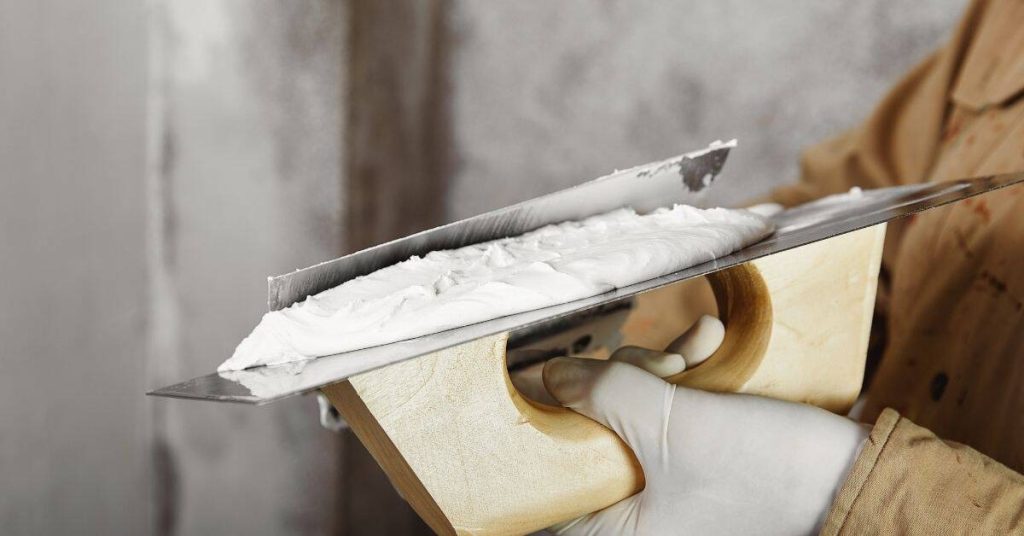
Hand holding plastering trowel with fresh white plaster

Clay Plaster in Bathrooms: Timeline & Duration – Step-by-Step Guide

Introduction

Installing clay plaster in your bathroom can transform the space into a warm, inviting haven. But how long does it take? Let’s break down the timeline and duration of this DIY project step by step.

From surface preparation to final sealing, understanding the time commitment helps you plan effectively and ensures a successful outcome.

For the full guide, see Clay Plaster in Bathrooms: Where It Works, Where It Fails, and Safe Sealing Options.


Clay Plaster Bathroom Timeline: Step-by-Step Duration

The total duration of your clay plaster bathroom project depends on several factors, including room size, surface condition, and your personal pace. Here’s a detailed timeline to help you estimate the time required for each step:

  • Surface Preparation (1-3 days): This includes cleaning, repairing, and priming surfaces. The duration varies depending on the current state of your walls.
  • Clay Plaster Mixing & Application (2-4 days per coat): Clay plaster typically requires 2-3 coats for optimal coverage and texture. Each coat takes approximately 1-2 hours to apply, plus drying time between coats (usually 24-48 hours).
  • Sealing (1 day): After the final coat has cured, apply a compatible sealant according to the manufacturer’s instructions. This usually takes around 1-3 hours, with additional drying time required.
  • Curing & Final Inspection (7-28 days): Allow the clay plaster to cure completely before using the bathroom or applying any additional finishes. The curing process can take anywhere from one week to four weeks, depending on humidity levels and temperature.

Total estimated duration: 10-35 days, plus additional time for troubleshooting or touch-ups as needed.

Key takeaways

The prep time significantly impacts the overall schedule, so plan accordingly. For example, if you need to repair damaged walls or address moisture issues before applying clay plaster, allocate extra time for these steps.

  • Inspect humidity and moisture sources; seal surfaces before plaster application in bathrooms.
  • Clay plaster excels on internal walls away from direct water spray; not shower enclosures.
  • Use breathable sealants compatible with clay to prevent moisture trapping and cracking.
  • Weatherproof paper mache clay recipes: test indoors before bathroom exterior exposure.
  • When failures occur, remove damaged plaster fully; re-surface with proper substrate first.
  • For safety, wear masks, plastic sheeting, and ventilation during mixing and sanding.
Table of Contents

Why Choose Clay Plaster for Bathrooms?

Clay plaster brings a warm, tactile finish and a naturally breathable surface that can help moderate indoor humidity and reduce the micro-environment that encourages mold. It’s also low‑VOC and can improve perceived air quality compared with some synthetic paints and coatings.

That said, clay behaves differently than cement or acrylic finishes: it absorbs and releases moisture, which can reduce condensation but also means it needs compatible substrates, proper prep, and the right sealing strategy. Weigh tradeoffs like availability, installer skill, maintenance, and performance in wet zones before committing, and always check product data sheets or manufacturer instructions for specific limits and cure guidance.

Benefits: aesthetics and hygroscopic performance

Clay plaster brings a warm, natural aesthetic to bathrooms. It blends colors beautifully, creating a seamless look.

Hygroscopically, clay plaster absorbs moisture from the air when humidity is high, then releases it back into the room when humidity drops. This helps regulate indoor humidity levels and prevents excess condensation.

Think of it like a built-in humidifier that works in reverse too. It’s a natural way to keep your bathroom comfortable and mold-free.

Drawbacks: durability and water exposure limits

Clay plaster isn’t as durable as glazed tile or waterproof membranes. It’s not designed to handle direct, prolonged water contact.

Liquid water can damage the finish over time, causing it to stain or deteriorate. Regular water splashes are fine, but avoid direct streams of water.

Abrasion is another concern. High-traffic areas may show wear and tear faster than in other parts of your home. Keep that in mind when choosing where to apply clay plaster in your bathroom.

Back to top ↑

Where Clay Plaster Works — Appropriate Bathroom Locations

Clay plaster is best on walls that avoid direct water spray and on well‑ventilated rooms—think powder rooms, vanity walls, and hall baths where the plaster stays mostly damp‑free between uses. Those locations minimize repeated wetting and let the plaster’s hygroscopic nature moderate humidity without overstressing the finish.

Substrate and prep matter: use a suitable backing (cement board or properly prepared masonry), follow primer recommendations, and confirm adhesion on a test patch. Keep continuous ventilation (fan or operable window) and watch for persistent condensation; if you see it, consider a more water‑resistant finish near the source or a breathable sealer specified by the product label.

Dry and low-splash zones (ceilings, high walls)

Clay plaster loves dry spaces. That’s why it’s perfect for ceilings and upper walls in your bathroom. Here’s why:

Moisture rises, right? So, the higher up you go, the drier it gets. Clay plaster breathes, pulling moisture out of the air, but it needs to be able to dry out too.

Good ventilation helps. Fans and open windows keep things moving, preventing condensation. Keep your RH below 60% for best results.

Red flag: If you see persistent condensation on your ceiling or high walls, that’s a sign of poor ventilation. Fix it before applying clay plaster.

Accented walls and decorative areas

Clay plaster isn’t just for full-wall coverage. It’s great as an accent finish too, adding texture and warmth to your bathroom.

Use it on non-direct-water zones – think behind sinks or on feature walls away from showers. Clay plaster can handle a bit of splash, but it’s not waterproof.

Create layered surfaces by combining clay with other natural materials like lime or hemp. This adds depth and interest to your design.

Remember: Avoid using clay plaster in direct shower enclosures or wet zones. It’s not designed for those areas.

Back to top ↑

Where Clay Plaster Fails — Prohibited or High-Risk Locations

Avoid clay plaster inside shower enclosures, tub surrounds, steam rooms, and any location with repeated direct water contact or constant high humidity—those are classic failure zones because the plaster will be forced through many wet/dry cycles. Expect risks like delamination, cracking from moisture cycling, efflorescence where salts migrate, and hidden mold growth if moisture gets trapped behind the finish.

Use a risk checklist: frequency/duration of water exposure, poor ventilation, substrate compatibility, and thermal swings all increase danger. For high‑risk spots choose tile, glass, epoxy, or other rated waterproof systems, or consult manufacturer instructions if considering enhanced sealing and continuous ventilation as a mitigation strategy.

Direct-water areas (showers, tub surrounds)

Clay plaster isn’t meant for continuous water contact. It’s porous and hygroscopic, meaning it absorbs moisture like a sponge.

Water exposure causes clay to expand and contract with temperature changes. This leads to cracking, delamination, and eventually, failure of the finish.

Showers and tub surrounds need waterproof cladding to protect underlying structures from moisture damage. Clay plaster isn’t designed for these areas due to its inability to shed water effectively.

Enclosed high-humidity spaces and steam rooms

Prolonged vapor exposure in enclosed spaces like steam rooms or poorly ventilated bathrooms spells trouble for clay plaster. High humidity encourages mold growth, which thrives in damp, dark environments.

Temperature extremes, common in steam rooms, cause thermal cycling. This leads to delamination as the clay expands and contracts with heat and moisture.

Clay plaster isn’t suitable for these spaces due to increased risk of mold growth and delamination. Opt for waterproof materials like ceramic or glass tile instead.

Back to top ↑

Application Process for Bathrooms

Start with proper substrate prep: confirm the backing is compatible (cement board or a specified breathable base), repair concrete or masonry, remove loose material, and verify flatness and dryness before any primer or plaster. Perform a moisture assessment and follow product guidance for primer type and whether a moisture barrier is required behind the backing.

Layering matters—apply base coats, allow appropriate cure between lifts, and finish with a compatible decorative topcoat or breathable sealer per manufacturer directions; avoid film‑forming coatings that trap vapor. Use movement joints where needed, test adhesion with a patch, and keep ventilation and PPE on site; if in doubt about mix times or cure conditions, check the product data sheet before proceeding.

Surface prep and substrate compatibility

Before you start plastering in your bathroom, you need to make sure the surface is clean, sound, and compatible with your chosen product. Here’s what you should do:

Acceptable substrates include concrete, cement board, plywood, or existing plaster. Avoid applying plaster directly onto timber unless it’s been sealed first.

First, clean the surface. Remove any dirt, grease, or old paint using a suitable cleaner (check your product label). For non-porous surfaces like tiles, use a primer to improve adhesion. If you’ve got painted surfaces, ensure the paint is sound and not flaking off.

Next, repair any defects. Fill cracks or holes with a suitable filler (check manufacturer instructions). Once dry, sand smooth using fine-grit paper. For major repairs, consult a professional to avoid structural issues.

Mixing, applying layers, and curing

First off, mixing concrete right is crucial. You’re aiming for a consistency like thick oatmeal. Too wet, it’ll crack; too dry, it won’t stick. Check your mix design on the bag or ask your supplier.

Now, applying layers. Start with a scratch coat, about 1″ thick. This goes down first, helps bond to your substrate. Use a concrete mixer for even consistency and a shovel to spread it out. Then, use a bullfloat to smooth it off.

Next up is the float coat, another inch or so. This one’s for leveling. Again, mix well, spread with a shovel, and float smooth. Let this cure for at least a day before finishing.

Finally, the finish coat. This is your top layer, where you want that smooth, even look. Mix it right, spread thin – about 3/8″ to 1/2″. Use a magnesium float or trowel for a smooth finish. Now, here’s where you gotta be patient. Let it cure slow and steady. Keep it moist with a sprinkler or wet burlap for at least three days. This helps avoid shrinkage cracks.

Back to top ↑

Hand applying clay plaster on wall with metal trowel

Safe Sealing Options and Compatibility

The goal for sealing is clear: provide surface resistance to splashes and stains while preserving vapor permeability and mineral compatibility of the clay finish. Compare breathable options—waxes, silicate treatments, lime‑compatible sealers, or diluted limewashes—with non‑breathable polymer films and avoid coatings that block the plaster’s micro‑porosity unless the manufacturer explicitly approves them.

Always test a sealant on a scrap or an inconspicuous area and verify pH and adhesion compatibility with the plaster and any pigments; follow cure and recoat guidance on the label. For higher humidity or steam exposure, choose systems the manufacturer rates for those conditions and plan a maintenance schedule to inspect for whitening, peeling, or loss of breathability.

Penetrating vs surface sealers (wax, oil, silicate, breathable acrylics)

Sealers for clay plaster in bathrooms fall into two main categories: penetrating and film-forming. Each has its place depending on your needs.

Penetrating sealers, like wax or oil, soak into the plaster’s surface. They protect against moisture while allowing water vapor to pass through. These are great for humid environments but offer less protection from direct contact with water.

Film-forming sealers, such as silicate or breathable acrylics, create a protective layer on top of the plaster. They’re more resistant to water but may reduce breathability if not done right. Use these where moisture is high but water contact is minimal.

How to choose a compatible sealer (breathability, VOCs, adhesion)

Choosing the right sealer involves checking several factors:

Breathability: Ensure the sealer allows water vapor transmission. This keeps your plaster healthy and prevents moisture buildup.

VOC levels: Lower VOCs mean less odor and fewer health risks, especially in enclosed spaces like bathrooms. Check manufacturer guidelines for this.

Adhesion and compatibility: Test a small patch first to ensure the sealer adheres well and doesn’t alter your plaster’s appearance or performance. Always check with the manufacturer about pH compatibility with clay plasters.

Sealing process and ongoing reapplication

Applying sealer correctly ensures long-lasting protection:

1. Test patch: Apply a small amount of sealer on an inconspicuous area to check for any adverse reactions.

2. Number of coats: Follow manufacturer guidelines, usually 1-3 coats with adequate drying time between each.

3. Cure time: Allow the final coat to cure fully before exposing it to moisture or using the bathroom again.

Inspect and recoat as needed based on signs of wear or reduced breathability. Regularly check for peeling, clouding, or whitening – these indicate it’s time to refresh your sealer.

Back to top ↑

Tools and Materials Checklist and Material Specs Explained

Bring the right tools: steel and plastic trowels, hawk, mixing bucket, drill with paddle, sponge floats, sanding block, levels, scrapers, and PPE including respirator and eye protection. Keep tools clean and rust‑free, store them off the wet floor, and plan for dust control when mixing powders in the bathroom.

Review material specs carefully: verify the plaster type (clay, lime/clay blend, or lime/cement blend) is appropriate for interior humid spaces and check working time, recommended water ratios, and substrate compatibility on the technical data sheet. Plan batch sizes, mixing order, and environmental conditions for curing; when in doubt about compatibility with a moisture barrier or primer, confirm with the manufacturer before starting.

Essential and Optional Tools

Before you start, check off this list to ensure a smooth bathroom clay-plaster job.

  • Mixing bucket: Essential for blending plaster. Get one that’s 5 gallons or larger.
  • Trowels (4″ and 12″): For applying and smoothing plaster. Check they’re rust-resistant.
  • Rubber float: Smooths out plaster, removes air bubbles. Use it after each trowel application.
  • Sanding block: Finishes the surface, removes any rough spots. Use 120-grit sandpaper.
  • Level: Ensures walls are plumb and plaster is applied evenly.
  • Utility knife: Cuts excess plaster, trims edges. Keep it sharp for clean cuts.
  • Scraper: Removes dried plaster from tools. Clean between coats to prevent buildup.
  • Respirator/eye protection: Protects against dust and plaster particles. Wear during mixing and application.
  • Gloves: Keeps hands clean, protects skin from plaster. Use rubber or latex gloves.
  • Drill with paddle mixer (optional): Speeds up mixing. A 1/2″ drill with a 3″ paddle works well.
  • Moisture meter (optional): Checks substrate moisture levels before plastering. Ideal for preventing mold growth.

Quick rule: Store tools in a dry place overnight to prevent rust and maintain tool life.

Material Specs and Standards to Check

Review these material specifications before purchasing to ensure top performance in your bathroom.

  • Clay plaster type: Choose lime/clay blends or cement-lime blends for bathrooms. Avoid pure clay plasters due to high absorbency.
  • Binder content: Look for binders like lime or cement that enhance adhesion and durability. Aim for 20-35% binder content.
  • Aggregate size: Fine aggregates (1/8″ to 1/4″) work best in bathrooms due to their smooth finish and reduced risk of cracking.
  • Fiber additives: Opt for fibers that enhance flexibility and crack resistance, like cellulose or synthetic fibers. Check the recommended dosage.
  • Water-to-plaster ratio: Follow manufacturer guidelines for optimal working time and plaster consistency. Typically, it’s 4-6 parts water to 1 part plaster.
  • Working time: Ensure the plaster has a sufficient working time (30-60 minutes) to apply and smooth it before it sets.
  • Cure conditions: Check recommended cure conditions. Clay plasters typically need high humidity (85%+) for 2-4 weeks.
  • Substrate compatibility: Ensure the plaster is compatible with your chosen substrate, like cement board or gypsum board with a moisture barrier.
  • Water-vapor transmission (WVT): Look for plasters with high WVT rates (>10 perms) to prevent mold growth and maintain breathability.
  • Test certifications: Check if the plaster has relevant certifications, like ASTM E96 or EN ISO 7726, ensuring it meets quality standards.

Quick rule: Always follow manufacturer guidelines for best results and to maintain warranties.

Back to top ↑

Common Pitfalls, Safety Precautions, and Troubleshooting

Common mistakes include poor surface prep, wrong mix ratios or overly thick coats, and skipping movement joints—these lead to cracking, delamination, and lift‑off. Also beware of trapping moisture behind the plaster by using impermeable primers or failing to address leaks before application.

Use PPE and dust control whenever mixing; isolate electrical and water lines and follow safe disposal practices for waste materials. For troubleshooting, inspect visually, perform moisture tests, and differentiate surface failures from substrate issues; repair with compatible patch materials and correct the root moisture source rather than just resealing the surface.

Installation safety (dust control, ventilation, PPE)

Safety’s top priority when working with clay plaster. Here’s what you need to know:

Dust control: Mix and apply plaster in small batches. Use a damp cloth or spray bottle to mist surfaces before sanding.

Ventilation: Keep windows open, use fans, or hire an industrial fan for proper ventilation. Never mix or sand without it.

PPE: Wear gloves, safety glasses, and a respirator when mixing powders to protect from dust inhalation and eye irritation.

Troubleshooting adhesion, cracking, and staining

Clay plaster issues often show up as cracks, stains, or delamination. Here’s how to diagnose and fix them:

Cracks: Visually inspect for hairline cracks. Use a moisture meter to check for excess water behind walls. If substrate is damp, address the source of water intrusion.

Efflorescence & Discoloration: Lime or salt efflorescence and surface discoloration indicate moisture issues. Perform moisture testing and isolate problem areas like shower niches or behind tiles.

Delamination: Peeling plaster suggests poor adhesion, usually due to improper surface prep or wrong primer. Scrape off failed plaster, clean the surface, and reapply a compatible primer before replastering.

Back to top ↑

Cost, Maintenance, and Lifecycle Comparison

Key cost drivers include material mix selection, sealants, substrate prep, and the added labor and time for careful application and curing versus a quick paint or tile install. Consider ongoing costs too: periodic resealing or re‑waxing, repairs for chips or cracks, and inspections to catch moisture problems early.

Maintenance differs from tile or paint—clay plaster favors patchability and breathable repairs but can require more frequent touchups in high‑use bathrooms. When comparing lifecycles, weigh initial labor and finishing choices against long‑term maintenance and the room’s ventilation and use patterns; use product documentation and local installer experience to estimate realistic lifespans and maintenance intervals for your situation.

Cost factors and budgeting considerations

Clay plaster costs vary based on several factors. First, consider the material itself – mixes and pigments can range from $2 to $10 per square foot. Then there’s sealants, moisture barriers, and tools which add another $1 to $5 per square foot.

Labor is where costs can really climb. Clay plaster needs careful application and curing, so expect to pay more than for a simple paint job. Prep work like surface stabilization and substrate testing also adds time and money.

Complexity matters too. Intricate designs or large areas will drive up labor costs. When budgeting, get quotes from pros or estimate based on your DIY skills. Don’t forget to factor in long-term maintenance – clay plaster needs periodic resealing, but it’s usually less frequent than tile grouting.

Long-term maintenance and repair strategy

Clay plaster requires routine care to keep it looking good. Inspect your walls annually for cracks or damage. If you find any, fix them promptly with a clay-based patching compound.

Re-sealing is crucial too. Breathable sealants should be reapplied every 2-5 years, depending on use and humidity levels. Wax finishes may need reapplication more frequently. Regular cleaning with mild soap and water helps prevent buildup.

Repairs are usually straightforward but require patience. For small cracks, apply a thin layer of clay plaster mixed with a bit of sand. Let it dry slowly to prevent further cracking. Larger repairs may need mesh reinforcement or additional substrate work.

Compare this maintenance burden to other finishes – tile grouting needs regular cleaning and touch-ups, paint requires periodic repainting, while cement-based finishes can crack over time. Clay plaster’s maintenance is manageable but requires diligence.

Back to top ↑

Conclusion

Finish with confidence by focusing on a durable, moisture-smart bathroom and keeping the process safe from start to finish. The core idea is to apply clay plaster only where it’s appropriate, well-sealed, and tested, so you protect the walls, your investment, and your family’s health.

Think through this as a quick, practical check: assess location suitability, prep and seal correctly, follow the application steps in order, test a small area first, and verify compatibility with your chosen sealant before committing. Move methodically from surface prep to finish, document what you did, and keep products and tools clean and within reach for a steady workflow.

Common pitfalls to avoid are trying to plaster on damp or non-porous substrates, skipping moisture testing, and rushing sealant choices without compatibility checks. Always prioritize safety first by wearing proper protection, ventilating the space, and stopping if you notice bubbling, cracking, or any sign of moisture intrusion. Use simple safety rules: test patches first, allow adequate drying between coats, and never seal or plaster over active leaks or rotten substrates.

If the space has tricky moisture cycles, irregular substrates, or you’re unsure about sealant compatibility or long-term performance, call in a pro rather than pushing ahead alone. A clear, measured approach now saves repair costs later and keeps your bathroom looking good and functioning smoothly for years to come.

Back to top ↑

FAQ

Can paper mache clay hold up in a bathroom with humidity and splashes?

In bathrooms, humidity matters. Use only formulations and sealers rated for damp spaces and follow the manufacturer’s instructions. If in doubt, avoid areas that get direct water splash or constant wetting.

Are there weatherproof or bathroom-friendly paper mache clay recipes I can try?

There are variants marketed for damp environments, but always check the label for moisture tolerance and sealing requirements. Don’t rely on it being bathroom-safe without a proper seal or barrier.

Is indoor bathroom use appropriate for paper mache clay projects?

Yes, in dry zones away from direct water exposure, with proper sealing and ventilation. Don’t install in shower alcoves or behind tubs without confirmed waterproofing and compatibility with your chosen product.

What signs should I watch for to know if the plaster is failing over time?

Look for peeling, cracking, or staining near moisture sources. If any of these appear, reassess sealing, ventilation, and the product’s suitability; follow manufacturer guidance for repairs or replacement.

Back to top ↑