
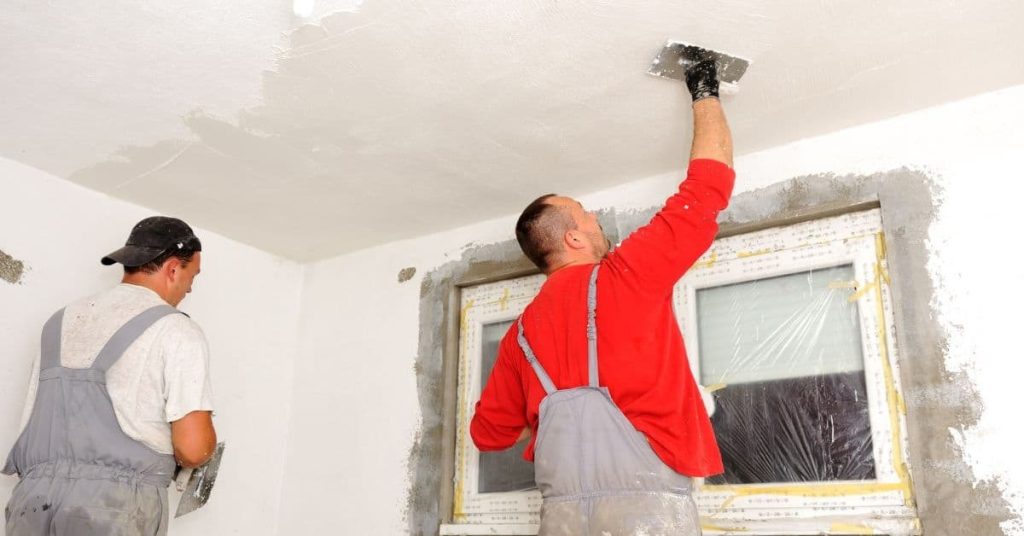
Introduction
Stopping water stain bleed means fixing the moisture source and sealing the ceiling so stains don’t reappear. It’s a hands-on job that starts with finding where the water is coming from and drying the area thoroughly. Then you seal the surface to block any future bleed-through.
You’ll see practical tips for locating the leak, prepping the surface, and applying a seal and finish. Always read the product label and follow local building rules. If in doubt, pause and verify with the manufacturer instructions before proceeding.
Key takeaways
- Identify whether stains are still bleeding and confirm active leaks before repair.
- Contain the area to prevent mold spread and protect occupants during work.
- Repair the root cause: fix leaks, dry surfaces, then monitor for new stains.
- Prep damaged ceiling by removing loose material and priming before sealing.
- Choose stain-blocking products with ventilation and follow manufacturer safety guidance.
- Wear eye protection and respirator when sanding or cutting damaged ceiling.
Table of Contents
- Introduction
- Key takeaways
- Understanding How Water Stain “Bleed” Forms
- Diagnosing Active Leaks Versus Old Stains
- Immediate Containment and Safety Steps
- Fixing the Root Cause: Plumbing, Roof, and HVAC Solutions
- Preparing the Damaged Ceiling for Repair
- Tools and Materials Checklist
- Stain-Blocking and Sealing Products Explained
- Refinish Options and Painting Best Practices
- Conclusion
- FAQ
Understanding How Water Stain “Bleed” Forms
Stain bleed happens when moisture carries pigments and minerals into the finished ceiling. The migrating water can pull tannins, rust, and mineral salts along with it. This is why fresh paint can still show through after a patch or coat, even if the surface looks dry.
Knowing this helps you plan the repair. You’ll need to address not just the stain, but where the water came from and how far the damage has spread. Always check the label or manufacturer instructions on any product you use to block bleeding before application.
Common sources of ceiling stains
Ceiling stains don’t just appear out of nowhere. They’re usually caused by water carrying pigments, tannins, rust, and mineral salts from various sources.
Roof leaks are a common culprit. Water seeps in through damaged shingles or flashing, then travels along roof trusses before staining the ceiling below.
Plumbing failures can also cause stains. A leaky pipe or fitting above the ceiling can drip water directly onto it, leaving unsightly marks.
HVAC condensation and overflow events from bathtubs or sinks can also lead to stains. These sources deposit contaminants differently, but all result in the same problem: ugly ceiling stains.
What makes a stain active vs. residual
Not all ceiling stains are created equal. Some are actively being fed by moisture, while others are just old, dried-out marks.
Active stains are caused by ongoing moisture transport. Water is still moving through the structure, carrying contaminants with it. These stains will keep reappearing until you fix the source of the moisture.
Residual stains, on the other hand, are old, fully dried stains that still contain soluble pigments. They’re not being actively fed by water, but they can still bleed into new paint or primer if not properly treated.
The key is to identify whether your stain is active or residual before you start painting. If it’s active, you’ll need to fix the source of the moisture first. If it’s residual, you’ll just need to treat and seal the stain before painting.
Diagnosing Active Leaks Versus Old Stains
Start by locating the water source and tracking whether moisture persists. Use a moisture check in several spots around the stain to see if readings stay elevated. Look for drips or damp patches that appear after rain or fixture use.
Next, compare current conditions to past events. If the stain expands or darkens with humidity, the leak may be active. If the area appears dry and stable, you’re likely dealing with an old stain that needs blocking and sealing.
Moisture testing methods and limits
First, let’s talk about non-invasive tests. These are your eyes, hands, and sometimes an infrared scanner.
Start by looking for any obvious signs – water marks, peeling paint, or mold. Then touch the area. If it feels cold, damp, or spongy, that’s a red flag.
Infrared scans can help too, but they’re not always reliable alone. Moisture meters are your best bet for accurate readings. But remember, every meter’s different, so check the manufacturer’s guidance before assuming any numeric thresholds.
Visual checkpoints and stain patterns
Before you start poking around, use your eyes. Visual clues can point you right to the leak’s source.
- Satellite spots: These are small stains around a larger one. They mean water’s spreading from a single point.
- Discoloration halos: If stains are darker or lighter than surrounding areas, that’s water changing the surface’s appearance.
- Surface blistering: Peeling paint or wallpaper? That’s trapped moisture pushing outwards.
- Stain edges: Sharp lines mean a contained leak. Blurry edges suggest ongoing spread.
- Stain color: Brown stains are often old. Yellow or green can indicate mold growth.
- Stain size: Larger stains usually mean longer leaks or heavier flows.
- Stain location: Check above and below the stain. Water follows the path of least resistance.
- Stain history: If you know when a stain appeared, that’s a clue to its cause.
Quick rule: The more patterns you see, the more severe the leak likely is.
Immediate Containment and Safety Steps
Shut off the water source if you can do so safely and quickly. Move nearby furnishings away from the affected area to prevent further staining. Place drop cloths and plastic to protect floors and belongings.
Ventilate the room to reduce humidity and avoid mold risk. Do a quick visual check for sagging or loose ceiling material and note any bad spots you’ll address during repair. Always wear eye and skin protection when handling solvents or sealers.
Short-term leak control and tarp/patch options
First, stop the water at its source if possible. Place a bucket under the drip to catch any falling water.
For small holes, patch the ceiling with a quick-setting joint compound or spackle. Press it firmly into the hole using a putty knife, then let it dry according to package instructions.
If the leak is coming from the roof, throw a tarp over the affected area to keep rain out until you can make permanent repairs.
Mold risk, PPE, and when to isolate the area
Water stains can hide mold growth. If you see or smell mold, wear gloves and a respirator before touching anything.
If there’s visible mold covering an area larger than 10 square feet, call a professional. They have specialized equipment to handle large-scale mold remediation.
While waiting for repairs, keep the area dry and well-ventilated. Open windows or use fans to circulate air. If possible, isolate the affected room to prevent spores from spreading.
Fixing the Root Cause: Plumbing, Roof, and HVAC Solutions
Target the most common entry points: visible leaks, compromised seals, or faulty connections. Shutting off and repairing the source is essential for lasting results. If you’re unsure where the leak originates, inspect accessible plumbing joints and roof penetrations near the stain.
Document what you find and compare with local rules or guidelines before proceeding. Permanent stain prevention relies on a proper fix at the source, not just surface sealing. Check product labels and manufacturer instructions for any follow-up steps after a repair.
Plumbing Repairs Checklist
Use this checklist when you suspect a leak is coming from your plumbing. It’s crucial to address these issues promptly to prevent further damage.
- Check visible pipes: Look for water stains, drips, or corrosion. If found, trace the pipe back to its source.
- Inspect joints: Joints are common leak points. Check all accessible joints for leaks or signs of wear.
- Examine fixtures: Faucets, showers, and toilets can cause leaks. Check seals and connections.
- Listen for leaks: Turn off water-using appliances and listen for dripping or running water.
- Check water pressure: Low water pressure could indicate a leak. Test it at faucets throughout the house.
- Inspect the main shutoff valve: If it’s leaking, you may have a slab leak.
- Look for mold or mildew: These can indicate hidden leaks. Check areas where pipes run through walls and ceilings.
- Check your water meter: Turn off all water-using appliances. If the meter is still running, you likely have a leak.
Quick rule: If you find a leak or can’t pinpoint its source, shut off the main water supply and call a plumber immediately.
Roof, Flashing, and Exterior Envelope Fixes
The roof is often the culprit behind ceiling stains. Inspect your roof for these common issues.
Check shingles for cracks, curls, or missing pieces. These can let water seep through to the underlayment and into your home.
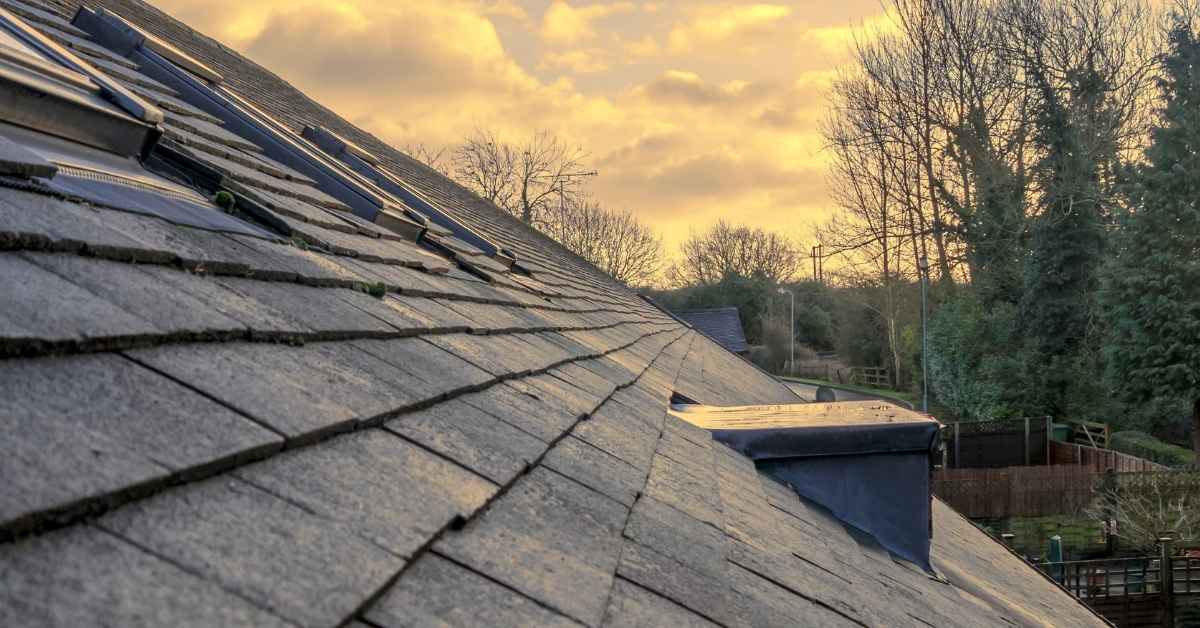
Inspect flashing around chimneys, vents, and skylights. Damaged or improperly installed flashing can cause leaks. Step flashing should be securely nailed and overlap shingles properly.
Don’t forget: Proper exterior drainage is key. Gutters and downspouts should direct water away from your home’s foundation to prevent leaks.
HVAC and Condensation Control
Condensation from your HVAC system can cause ceiling stains. Here’s what to look for:
Check ductwork for leaks. Leaky ducts can allow moist air to escape into your home, causing condensation on ceilings.
Ensure insulation is properly installed and maintained. Gaps in insulation can let cold air from the attic meet warm, moist air from living spaces, creating condensation.
Improve ventilation: Proper ventilation can prevent condensation. Ensure your HVAC system has adequate airflow, and consider installing exhaust fans in kitchens and bathrooms to remove excess moisture.
Preparing the Damaged Ceiling for Repair
Drying is the first step. Use fans and dehumidifiers as needed and monitor progress until the area feels dry to touch. Inspect for structural damage and signs of rot or mold before removing material.
Carefully remove compromised drywall or plaster, then clean all surfaces to remove loose particles and staining. Keep the work area clean and ready for sealing or refinishing according to the product directions you plan to use.
Properly drying the area and confirming it’s cured
First, open windows and use fans to ventilate the area. This helps remove moisture from the air.
Rent or purchase a dehumidifier to suck out excess water. Empty its collection tank daily.
Check for dryness every 24 hours. Use a moisture meter, but remember: it’s just one reading. Look for signs of drying like reduced musty smell and no visible dampness.
Keep drying until the area is consistently below 15% relative humidity and stays that way.
Removing damaged drywall, plaster, and insulation
Wear gloves and safety glasses. Cut out the wet or damaged sections with a utility knife or reciprocating saw.
Inspect exposed framing for rot or corrosion. If found, replace affected members before proceeding.
Remove all saturated insulation. It can’t be dried effectively and will only cause more problems later.
Cut out damaged drywall or plaster down to the nearest sound substrate. Be careful not to damage surrounding areas.
Cleaning stains and neutralizing contaminants
Start by washing the area with a mild detergent solution. Rinse thoroughly with clean water.
For tough stains, use a stain-specific cleaner or prep product. Follow manufacturer’s instructions carefully.
Avoid products that spread pigments. They can make future repairs more difficult.
Always test cleaners on a small, hidden area first to ensure they don’t cause discoloration or damage.