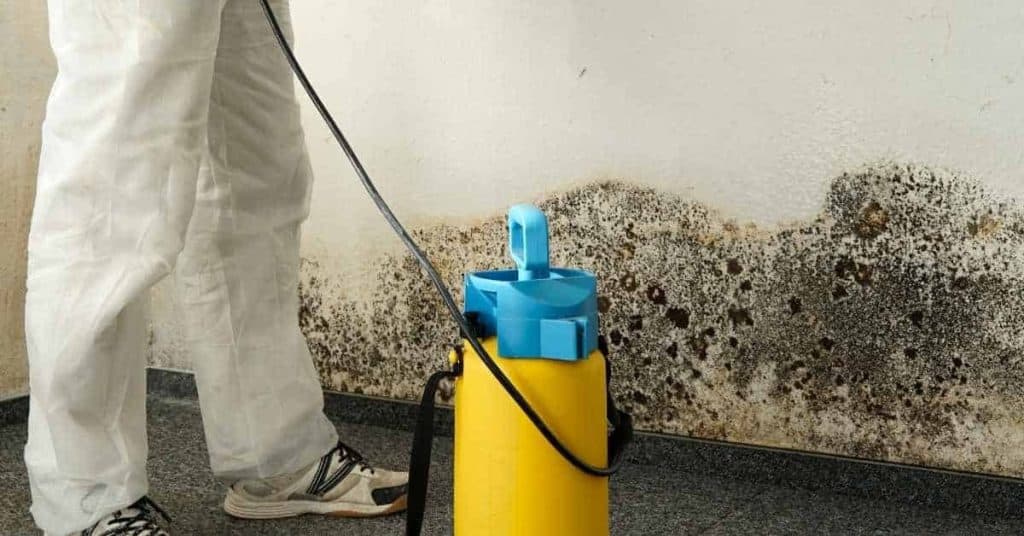
Snow Mold: DIY Guide, Tools, and Common Mistakes

Snow Mold: DIY Guide, Tools, and Common Mistakes

Introduction

Snow mold is a fungal lawn disease that can be addressed with a do-it-yourself approach.

This guide explains what to look for, how to diagnose symptoms, and practical tips to prevent and treat affected patches with clear, actionable steps.

You’ll learn practical timing, basic maintenance, and common mistakes to avoid so you can restore and protect your turf.

Key takeaways

  • Identify snow mold early by brown patches, fuzzy growth, and spore odors.
  • Improve drainage and airflow around lawns before snowfall to reduce moisture.
  • Address active outbreaks with targeted fungicide or organic treatments following label guidelines.
  • Seasonal planning includes timing reseeding, aeration, and removing debris to minimize mold.
  • Maintain equipment cleanliness and avoid overwatering to prevent future fungal spread.
  • Consult a professional for large outbreaks or persistent symptoms beyond DIY limits.
Table of Contents

What is Snow Mold and Why It Happens

Snow mold is a fungal turf disease that shows up after snow cover and thrives when conditions stay cold and wet. Gray snow mold appears as gray to tan patches, often circular, while pink snow mold looks pinkish and can form irregular, larger areas. The life cycle starts with inoculum on dead or stressed turf, germination under snow, saprophytic growth, and eventual sporulation when it warms and dries.

It matters for DIYers because outbreaks hinge on extended late-season snow, poor drainage, and shade or compacted thatch around susceptible turf or beds. Look for spreading patches, fuzzy or powdery growth after thaw, and watch reseeding or thinning areas closely. Quick checks: confirm symptoms, differentiate from other diseases, and plan reseeding or preventive steps based on severity and timing; when in doubt, lean toward delaying reseeding and seeking professional help if the damage is widespread.

Causes and risk factors

Snow mold is a fungal disease that thrives under specific conditions, primarily when snow covers the ground for extended periods. The fungi responsible for snow mold, such as Typhula blakei (gray snow mold) and Microdochium nivale (pink snow mold), need moist soil and temperatures near freezing to grow.

High-risk factors include lawns with excessive thatch, which provides a cozy environment for the fungi. Late-season nitrogen applications can also increase susceptibility by promoting lush growth that remains vulnerable under winter cover. Lawns in climates where heavy, late-falling snow is common are particularly at risk.

In addition to these conditions, shaded areas and compacted soil further exacerbate the problem. The combination of poor drainage and persistent moisture creates an ideal breeding ground for snow mold fungi, leading to significant damage once the snow melts away.

How to identify snow mold vs. other winter lawn damage

Distinguishing snow mold from other forms of winter damage is crucial for effective treatment and prevention. Snow mold typically appears as circular or irregular patches, often with a fuzzy or powdery growth when conditions briefly thaw.

The timing of the appearance can also be telling: snow mold usually shows up soon after the snow melts, while freeze damage tends to appear earlier in winter. For pink snow mold, you might notice small, reddish-brown spots on grass blades, whereas gray snow mold forms larger patches with a white or gray mycelium.

To confirm your diagnosis, gently scrape away some of the affected turf and look for signs of fungal growth. If you see fuzzy white or gray strands, it’s likely snow mold. In contrast, freeze damage will show brown, brittle grass blades without any visible fungus. Consulting with a professional can also help if you’re unsure.

Back to top ↑

Black crow walking on green grass near water
Example of outdoor environment where snow mold can develop on grass

Seasonal timeline and planning to prevent snow mold

The seasonal plan from late fall through early spring focuses on limiting leaf buildup, excess moisture, and snow cover to reduce snow mold, tying actions to soil temperature and freeze–thaw cycles. In late fall, clean leaves and debris, raise mower height for the final cut, check thatch, and plan a fall irrigation stop to avoid soaking the lawn as temps drop. Fertility timing matters: avoid high-nitrogen applications after mid-fall and use a balanced fertilizer or soil conditioner based on a soil test, with potassium helping winter hardiness.

Keep moisture in check by improving drainage, promoting air circulation, and avoiding prolonged wet periods, and consider reseeding or overseeding thin areas with proper seed chosen for quick establishment before snow. In early spring, inspect for snow mold signs, rake lightly to prevent matting, reseed damaged spots, resume gradual watering, and do a light first mowing with protective mulch where applicable.

Late-fall actions (mowing, fertilizing, aeration)

In late fall, your lawn needs some TLC to stay healthy through winter. First up, raise the mower deck height for that last cut of the season. This helps prevent scalping and keeps grass roots insulated against cold temperatures.

Next, it’s time to think about fertilizing. Avoid high-nitrogen formulas after mid-fall as they can encourage new growth that won’t survive winter. Instead, opt for a balanced fertilizer or soil conditioner based on your recent soil test results. Focus on potassium-rich formulations to boost stress resistance and winter hardiness.

Aeration is another key step in late fall. By breaking up compacted soil, you improve water penetration and reduce thatch buildup. Aim to aerate when the ground is moist but not wet—this ensures the cores will break down naturally over winter without causing damage.

Pre-snow checklist (clean-up, debris removal)

Before snow falls, run through this quick checklist to keep your lawn healthy and ready for spring. Start by clearing away any leaves or debris that could trap moisture and encourage mold growth.

  • Rake leaves: Remove all fallen leaves from the lawn to prevent wet spots and leaf matting.
  • Trim branches: Prune low-hanging branches to improve snow melt and airflow over grass.
  • Remove toys/furniture: Clear away any items that might block sunlight or air circulation.
  • Clean gutters: Ensure water flows freely from the roof, preventing ice dams and excess moisture on your lawn.
  • Check for low spots: Fill in any depressions where water tends to pool during snow melt.
  • Inspect drainage areas: Make sure all drains are clear of debris so water can flow away from the yard.

Quick rule: A clean, well-drained lawn is less likely to suffer from snow mold damage in winter.

Back to top ↑

DIY prevention techniques that work

The core point is to start now with proactive prevention, explain why it matters early, and rank techniques by impact and cost so a DIY homeowner can maximize results without overhauling the whole bed every season, building a simple sequence you can follow year after year. Pre-winter cleanup and drainage set the foundation—clear debris, reduce thatch where applicable, and evaluate soil drainage so moisture doesn’t pool and invite snow mold; then you layer in turf health basics like mowing height, late-season feeding guidelines, aeration or dethatching, and overseeding before snow.

Snow and salt management becomes shaping the path: route snow away from beds, choose lawn-friendly deicers, and rinse salt off on milder days, while keeping expectations realistic about coverage and potential plant tolerance and checking product labels and local rules. Monitoring and spring readiness wrap it up: inspect patches for signs of mold in late winter, note any persistent damp spots, and plan patch repair with gentle stress on the lawn so you don’t trigger further damage; the payoff is a healthier, quicker recovery when growth resumes.

Thatch Management and Aeration

To prevent snow mold, you need to keep your lawn healthy by managing thatch and aerating the soil. Thatch is the layer of dead grass and debris between the green blades and the soil surface. Too much thatch can suffocate your turf and make it more susceptible to disease.

For dethatching, you can use a dethatcher or power rake, which you can rent from most tool rental stores. Aim for early fall before the snow falls, as this will help reduce moisture retention in the soil during winter.
Aeration is another crucial step. It involves removing small plugs of soil to allow air, water, and nutrients to penetrate deeper into the ground. You can either core aerate using a machine or manually with a garden fork. Core aeration should be done annually if your lawn has heavy clay soils or high traffic areas.

When deciding whether to rent or buy equipment, consider how often you’ll need it. If this is just for yearly maintenance, renting might save money and hassle. For more frequent use, purchasing could be worth the investment.

Proper Winter Fertilization and Watering

Fertilizing your lawn in late fall can help it stay strong through the winter. Use a slow-release fertilizer with a lower nitrogen content to avoid encouraging new growth that could be damaged by frost or snow.

The best time for fertilization is usually around mid-October, but check local weather patterns and adjust accordingly. Look for a balanced formula like 10-10-10 or one specifically designed for winterizing lawns. This will provide nutrients without encouraging rapid growth.

Watering before the ground freezes can also help your lawn stay healthy over the winter. Aim to water deeply but infrequently, ensuring the soil is moist down to a few inches deep. This helps prevent drying out during mild spells and reduces stress on the turf when temperatures drop.

Snow Management Strategies (Plowing, Piling, and Compaction Avoidance)

Proper snow management is key to preventing damage from heavy snow loads. Here are some tips to avoid common mistakes:

  • Avoid deep piles: Don’t pile snow too high on your lawn as it can cause compaction and smother the grass.
  • Route snow away from beds: Direct snow towards driveways or areas where it won’t harm turf, reducing moisture buildup in sensitive spots.
  • Avoid foot traffic: Keep people off the lawn as much as possible to prevent compaction and damage under heavy snow cover.
  • Use deicers carefully: Opt for pet-safe products that won’t harm your grass when melting into the soil.
  • Clear paths gently: Use a broom or shovel to clear light snow from pathways without causing turf damage.
  • Rinse salt off in spring: After winter, rinse any remaining deicer salts away with water to prevent further harm.

Maintaining these practices will help keep your lawn healthy and resilient against the challenges of a snowy season.

Back to top ↑

Tools and materials checklist for DIY snow mold prevention and treatment

This section covers the core tools you’ll rely on: a leaf blower for cleanup, a core aerator to relieve compaction, a dethatcher to lift debris, a spreader for even product distribution, and a fungicide sprayer or backpack sprayer for uniform application; also note materials like dry or pre-mixed snow mold preventatives and treatments, approved fungicides, turf-safe detergents, and weather-ready spreader accessories, with attention to storage life and compatibility with your existing lawn products.

Plan a weather window, prep the surface, and set up calibrated tools before you mix or apply anything, then follow the product label for mixing guidelines and stepwise application; wear proper PPE, observe label-limited use, keep buffer zones from planting beds and water sources, and maintain tools with routine checks so you can monitor progress and adjust next season.

Essential hand and power tools

Before you start tackling snow mold, make sure you have the right tools on hand. Use this checklist to ensure your equipment is ready for action.

  • Leaf blower: For quick cleanup of debris before winter sets in; check it’s working and has fresh fuel or batteries. Skipping this step can leave behind thatch, promoting mold growth.
  • Dethatcher: To remove dead grass and debris from the lawn; ensure blades are sharp and set to proper height. Overgrown thatch leads to poor air circulation and moisture retention.
  • Aerator: Manual or powered for relieving soil compaction; check tines are in good condition and securely attached. Compacted soil can suffocate roots, making your lawn more susceptible to mold.
  • Fertilizer spreader: For even distribution of granular products; adjust settings according to product label instructions. Uneven application leads to patchy growth and wasted materials.
  • Fungicide sprayer: Backpack or handheld for precise application; mix according to label directions and test calibration before use. Inconsistent coverage can leave spots untreated, allowing mold to spread.

Quick rule: Always check your tools are in good working order before starting any lawn care project.

Chemical and organic treatment options

Choosing the right fungicide or organic alternative is crucial for effective snow mold prevention. Use this checklist to ensure you select and apply treatments correctly.

  • Fungicides: Select a product labeled for snow mold control; read label instructions carefully. Incorrect timing can render treatment ineffective.
  • Timing: Apply preventatively in late fall or curatively early spring; follow local climate guidelines. Missing the window can leave your lawn vulnerable to damage.
  • Organic options: Calcium carbonate, biologicals for natural control; check compatibility with existing treatments. Synthetic products may conflict and reduce effectiveness.
  • Label instructions: Always read before use; follow mixing ratios and application rates precisely. Misapplication can harm your lawn or lead to regulatory issues.

Quick rule: Always consult the product label for specific guidance on timing, rate, and compatibility.

Back to top ↑

Roof rake clearing snow from roof edge above the siding.
Raking snow from the eave helps prevent ice dam formation.

How to treat active snow mold outbreaks (DIY steps)

This section walks you through how to handle active snow mold outbreaks by starting with a quick look to confirm signs, size, and whether the patch is small or moderate, then locking the zone down and taking immediate steps to limit further spread. You’ll protect yourself with basic PPE, keep equipment contained, and avoid actions that churn up spores or worsen the problem if temperatures are harsh or wind is strong. For small outbreaks, you’ll pull out severely infected debris, avoid raking on frozen soil, and lightly address dead tissue if it’s safe, while focusing on drainage and moisture control to cut lingering dampness.

Then you’ll move into practical, stepwise treatment options for small to moderate outbreaks: increase airflow by light air or tilling, dethatch if needed, and apply a labeled fungicide or a vetted organic option, followed by reseeding damaged patches and reinforcing ongoing moisture management to prevent recurrence. This approach matters because snow mold tends to rebound where moisture remains and the lawn has poor airflow or compacted soil. The payoff for DIY homeowners is a clearer, more actionable plan that minimizes damage, reduces future outbreaks, and fits your yard’s conditions without guessing or overdoing any step.

Step-by-Step Process

This sequence helps you tackle active snow mold outbreaks safely and effectively, from prep to cleanup.

  1. Inspect the lawn for signs of snow mold. Note affected areas and determine if it’s a small or moderate outbreak.
  2. Wear protective gear: gloves, mask, eye protection. Isolate the area to prevent spore spread.
  3. Remove severely infected debris by hand. Avoid raking when soil is frozen; lightly rake dead tissue if safe.
  4. Improve drainage and airflow by aerating or dethatching as needed. This helps reduce moisture that feeds mold growth.
  5. Apply fungicide according to label instructions, focusing on affected areas. Use organic options if preferred.
  6. Reseed damaged patches with appropriate grass seed for your region. Keep the area moist until new grass establishes.
  7. Maintain proper lawn care practices moving forward: adjust mowing height, improve drainage, and monitor for regrowth.

Non-chemical recovery methods

Brushing the affected areas can help remove dead grass and debris. Use a stiff-bristled rake or broom to gently lift the mat of damaged grass.

Improving drainage is crucial for preventing future outbreaks. Ensure that water flows away from your lawn, not pooling in low spots.

In spring, roll up mats of damaged grass to encourage new growth and overseed bare spots with appropriate grass seed for your region.

When and how to apply fungicides safely

Fungicide application is most effective when the lawn is dry and free of debris. Follow label instructions carefully, mixing only what you need for immediate use.

Wear protective gear: gloves, mask, eye protection. Apply fungicide in small areas at a time to avoid over-application or runoff into water sources.

Spot treat affected areas first before considering full-lawn treatment if the outbreak is widespread. Call a professional if you’re unsure about application methods or safety precautions.

Back to top ↑

Common DIY mistakes and how to avoid them

Snow mold prevention and treatment trips up many homeowners when they misidentify the problem, delay action, or pick the wrong remedy for the conditions on their lawn. Common errors also include letting maintenance slide, failing to fix drainage, and watering in ways that keep the ground consistently damp as temperatures drop. And dirty tools or footwear that carry mold spores from one area to another turn a small issue into a larger patch that’s harder to treat; take time to walk the turf, compare symptoms to trusted observations, and don’t rely on memory alone.

Getting these details right matters because it means you’ll slow or stop the mold before it takes hold and save yourself a bigger mess come spring. Check labels and manufacturer instructions for what to buy, how to apply, and coverage areas, and tailor timing to your local weather window—no guessing. Keep tools clean, improve drainage where you can, and maintain a reasonable mowing height in fall to reduce vulnerability, then monitor moisture and adjust as conditions shift so mold doesn’t get another foothold.

Timing errors (mowing, fertilizing, treating)

Mistakes like mowing too short, late fertilizing, or applying treatments at the wrong temperature can harm your lawn. Here are some common timing issues and how to avoid them:

  • Mow high in fall: Mowing too low leaves grass vulnerable. Aim for 2.5-3 inches.
  • Fertilize early fall: Late fertilizing can cause winterkill or promote snow mold. Apply before the first frost.
  • Preventative fungicides in autumn: Applying at wrong times reduces effectiveness. Use when temperatures are still above freezing but grass is dormant.
  • Avoid watering heavily pre-winter: Excess moisture promotes mold growth. Reduce irrigation as winter approaches.

Maintaining proper timing for lawn care tasks can prevent snow mold and keep your lawn healthy year-round.

Tool misuse and poor maintenance

Using the wrong equipment or failing to maintain tools properly can damage your lawn. Here are some common mistakes:

  • Mower scalping: Adjust mower height correctly for each grass type.
  • Aerator neglect: Clean and oil aerator tines after use.
  • Spreader calibration: Check settings to ensure even fertilizer distribution.
  • Sharpness matters: Keep blades sharp for clean cuts. Dull blades tear grass.
  • Rental options: Consider renting specialized tools if you don’t use them often.

Maintaining your equipment and using it correctly saves time, money, and prevents lawn damage.

Overuse or misuse of chemicals

Using too much fungicide can harm beneficial microorganisms in the soil. Always read labels carefully before applying any chemical treatment.

Start with spot treatments rather than blanket applications to avoid overkill and potential damage to your lawn. Mixing incompatible products can also cause issues, so be cautious when combining chemicals.

Remember: Proper dosing is crucial. Too little won’t work; too much can harm the grass. Follow instructions for best results.

Back to top ↑

Cost-effective strategies and when to hire a professional

This section helps you weigh DIY costs against hiring a lawn care pro and shows where money can add up, plus budget-friendly tactics that save time and hassle. You’ll see how material costs, equipment use, and potential repeats stack up and what counts as a break-even in the long run.

You’ll get practical tips like choosing pre-mixed products, targeted spot treatments, and timing tasks for best results, plus guidance on renting or borrowing tools. It also lays out a simple rubric to decide when to call a pro and covers safety, environmental considerations, weather windows, and disposal basics so you can make a quick, informed decision in under five minutes.

Low-cost fixes that deliver high impact

Raking your lawn early in the spring to remove dead grass and debris can significantly reduce the risk of snow mold. This simple task helps improve air circulation, which is crucial for preventing fungal growth.

Another cost-effective strategy is adjusting your mower’s height during late fall. Raising the blade slightly allows more sunlight to reach the soil surface, reducing moisture buildup that encourages mold development. Aim for a mowing height of around 3 inches before winter sets in.

Dormant-season cleanup involves removing leaves and other debris from your lawn as soon as they accumulate. This prevents a thick layer from forming over grass, which can trap moisture and lead to snow mold issues come springtime.

Targeted overseeding is also beneficial for areas prone to snow mold. By planting new grass seeds in these spots, you’re promoting healthy growth that can outcompete any lingering fungi. This approach doesn’t require a full lawn renovation but focuses on problem zones.

Signs you need a pro and what to expect

If your lawn shows large blighted areas or repeated annual outbreaks of snow mold, it’s time to consider professional help. A pro can assess the extent of damage and recommend tailored treatments that might include fungicides and soil amendments.

The typical services provided by a lawn care expert include comprehensive inspections, targeted chemical applications, and long-term management plans designed to prevent future issues. They also offer advice on improving drainage and air circulation in your yard.

Professional treatment costs vary depending on the size of your property and the severity of the mold problem. Expect to pay between $50 and $200 per 1,000 square feet for initial assessments and treatments. Ongoing maintenance contracts can range from $100 to $300 monthly.

When hiring a pro, ensure they are licensed and insured. Ask about their experience with snow mold specifically and request references or reviews from previous clients. This will help you make an informed decision and avoid potential pitfalls.

Back to top ↑

Safety and environmental considerations

Safety and environmental considerations mean planning PPE, keeping people and pets away from treated snow, and setting up clear signs and barriers around the work area. Wear eye protection, chemical-resistant gloves, long sleeves, and sturdy footwear; use respirators or half/full-face masks when the label calls for it, with proper fit-testing and storage in between jobs. Establish restricted zones and barriers so kids and pets stay out of contact with runoff, debris, or treated surfaces.

Know the chemical safety basics and use products as labeled, including proper dilution, application methods, labeling, and storing away from food; review the product MSDS/SDS data for specifics. Contain wash water and prevent runoff into gardens or storm drains, and choose eco-friendly or low-toxicity options when possible; dispose of contaminated debris (bags, rags, soil) per local rules. Have a spill kit ready, know how to contain and clean spills, and keep emergency contacts and aftercare steps handy to minimize environmental impact.

PPE and tool safety

Wearing the right gear is crucial when handling chemicals and power tools. Here’s what you need:

  • Gloves: Use chemical-resistant gloves to protect your hands from fungicides. Make sure they fit snugly but aren’t too tight.
  • Eye protection: Safety glasses or goggles are a must to shield your eyes from splashes and dust.
  • Masks: Wear a respirator if you’re applying chemicals in enclosed spaces or for prolonged periods. Fit-test it before use to ensure proper seal.
  • Footwear: Closed-toe, sturdy shoes with good traction are essential on the jobsite.
  • Sleeves: Long sleeves provide an extra layer of protection against chemicals and cuts from tools.

Minimizing environmental impact

Protecting the environment starts with choosing low-toxicity products and minimizing chemical use. Set up buffer zones around water sources to prevent runoff into streams or ponds.

Timing is key—apply treatments when rain isn’t forecasted for at least 24 hours to reduce the risk of runoff. Use mechanical controls like raking before applying chemicals if possible.

Choose eco-friendly products that break down quickly and have minimal impact on soil and water quality. Dispose of contaminated materials responsibly according to local regulations, often through hazardous waste collection services.

Back to top ↑

Conclusion

Snow mold can be kept from taking hold or knocked back quickly when you act with safe, practical steps. Prioritize proper timing, simple checks, and careful application to protect your turf and your landscape.

Check the weather window and plan for dry, above-freezing days. Prep your tools and labeled containers, apply preventative measures to problem edges and high-risk spots first, and if you see active mold, follow the DIY steps in the guide using the recommended methods and concentrations. Test a small patch first, then scale up only if the test area responds well, and keep an eye on conditions after any treatment.

Common mistakes to avoid include mixing products or using unfamiliar chemicals, applying treatments on frozen or saturated ground, and skipping testing or safety gear. Safety first means wearing gloves and eye protection, following label directions, and keeping children and pets away. Remember to assess environmental impact and avoid runoff into water paths or planted beds.

If mold covers a large area, or you’re unsure about the correct product or technique, it makes sense to call a professional rather than push ahead. With careful planning and disciplined execution, you can keep snow mold in check and preserve the look and health of your landscape. You’ve got this—steady steps, solid results, and fewer headaches ahead.

Back to top ↑

FAQ

What is snow mold and how does it form?

Snow mold is a fungus that grows when snow covers your lawn for a long time. It shows up as patches with pale or grayish growth. It happens when moisture sits on cold grass and air flow is blocked.

Can I fix snow mold once it appears?

You can repair damaged lawn by raking the dead tissue and reseeding in breathable conditions. Don’t overwater after treatment. Stick to normal lawn care as the weather warms.

Should I rake or mow during a snow mold outbreak?

-avoid heavy raking during cold, wet weather. Lightly remove easy debris and avoid tearing up the soil. Let the grass recover before heavy maintenance.

What steps prevent snow mold year after year?

Keep the lawn dry by improving drainage and avoiding excess thatch. Remove fallen leaves and debris promptly. Apply proper lawn care on schedule and avoid compacting the soil.

Back to top ↑