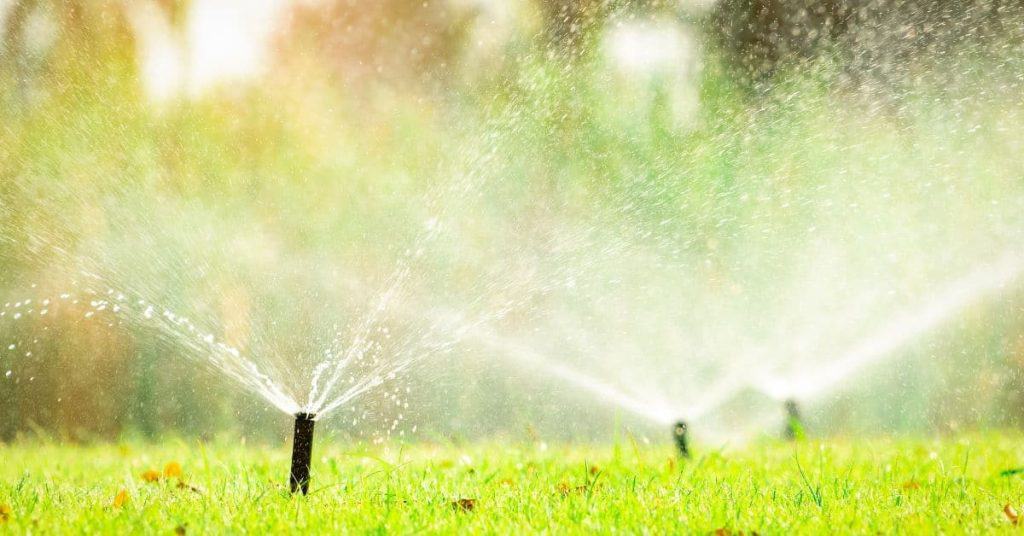
Best Time to Water Grass: Save Water and Avoid Fungus

Best Time to Water Grass: Save Water and Avoid Fungus

Introduction

Water grass in the morning to minimize evaporation and reduce fungus risk.

This guide explains when to water, how long to run sprinkler systems, and practical rules of thumb to save water while keeping your lawn healthy.

Key takeaways

  • Water deeply and infrequently at dawn, avoiding midday heat and evaporation.
  • Apply 0.5–0.75 inches per week in growing season, adjust for rainfall.
  • Check soil moisture 6 inches deep before watering; wait if damp.
  • Use soaker hoses or drip irrigation to minimize evaporation losses.
  • Adjust frequency for sandy soils, clay retains water longer, plan accordingly.
  • Do not fertilize or water at night; fungus thrives in moist darkness.
Table of Contents

Why timing matters for lawn health and water conservation

Evaporation vs. plant uptake

The timing of when you water your lawn can significantly impact how much water actually reaches the roots versus getting lost to evaporation. Early morning is ideal because cooler temperatures and lower sunlight levels mean less evaporation, allowing more water to be absorbed by the grass.

When you water in the early morning, plants have plenty of time to soak up moisture before the sun comes out strong. This means less wasted water and healthier roots that can grow deeper into the soil, making your lawn more drought-resistant.

In contrast, watering during the heat of the day wastes a lot of water due to rapid evaporation. The hot sun quickly turns water into vapor before it even reaches the ground. This not only stresses your grass but also increases your water bill without giving you much bang for your buck.

Disease window and leaf wetness

The timing of watering can affect how susceptible your lawn is to fungal diseases. Extended periods of moisture on grass blades create ideal conditions for fungi to thrive, leading to issues like brown patch or dollar spot.

Watering in the late evening or at night leaves grass blades wet longer into the morning when dew naturally accumulates. This combination can lead to prolonged leaf wetness, increasing the risk of fungal infections. By contrast, watering early in the morning allows excess moisture to evaporate quickly as temperatures rise and sunlight dries out the lawn.

To minimize disease risks, aim for a consistent watering schedule that avoids leaving your grass too damp overnight or during peak humidity hours. Proper mowing height and spacing also help reduce leaf wetness by allowing better air circulation around each blade of grass.

Back to top ↑

Group of orange traffic safety bollards on green grass
Traffic bollards protect grass areas from foot and vehicle damage

Best time of day to water grass (clear, actionable guidance)

The single best time to water grass is in the early morning, roughly 4-7 am, with 5-6 am ideal for steady, moderate temperatures. Water then when the air is cooler and evaporation is low, but finish before leaf wetness lingers to reduce disease risk and fungal growth. Keep a deep, infrequent schedule about 1-1.5 inches per week through sustained soakings rather than daily shallow sprays, and adjust for your turf type.

Aim to finish watering before 9-10 am so foliage can dry quickly, and adjust the window by season, sunrise time, and shade. Use catch cups or a rain gauge to measure output, calibrate sprinkler heads, verify even coverage, and tailor the plan for sandy, loamy, or clay soils and root depth. Respect local restrictions and factor wind, heat waves, soil texture, and humidity to avoid runoff, dry spots, or overwatering.

Ideal morning window and why

The best time to water your grass is early morning, typically between 4–9 AM. This window offers the perfect balance of dew evaporation, low wind, and rising temperatures that help maximize water efficiency while minimizing disease risk.

Starting around 5–6 AM, the air is cool but not yet saturated with moisture from overnight condensation. This allows any remaining dew to evaporate quickly as the sun rises, reducing leaf wetness and preventing fungal growth. By watering early, you give your grass a chance to absorb water before it starts to evaporate under the heat of the day.

Additionally, early morning is when winds are typically calmest, which means less evaporation from wind gusts. This allows more water to reach the soil and be absorbed by the roots rather than being blown away or lost to the air. As temperatures rise, grass blades dry out faster, further reducing the risk of disease.

Timing your watering just right can make a big difference in how well your lawn thrives. Aim to finish up before 9–10 AM so that any excess moisture on leaves has time to evaporate before it gets too hot and stays there longer.

Why not evening or night

Watering your grass in the evening or at night is generally a bad idea because of increased risk for fungal diseases. When you water late, leaves stay wet longer as temperatures drop and dew forms overnight.

The colder air after sunset slows down evaporation rates, leaving moisture on blades much longer than during the day. This prolonged leaf wetness creates an ideal environment for fungi to grow and spread, leading to diseases like brown patch or dollar spot that can devastate your lawn.

Evening watering also means you’re fighting against natural drying processes as night falls. The grass doesn’t have enough time to dry out before the next dew cycle begins, compounding moisture issues and disease risks. It’s better to avoid this window altogether if possible.

To keep your lawn healthy and free from fungal problems, stick with early morning watering whenever you can. This simple shift in timing will help conserve water while protecting your grass from harmful diseases.

Back to top ↑

How often to water: frequency by season and grass type

Cool-season grasses typically need about 1–3 watering sessions per week, with each session lasting 10–20 minutes, depending on soil texture and root depth, while warm-season grasses usually run 2–4 sessions weekly with 8–15 minutes per session, designed to wet the root zone without creating soggy thatch. Adjust weekly schedules for heat spikes or dry spells, and cut back during light rainfall or shoulder-season cool snaps, while watching forecasts and keeping a simple soil-moisture check to know when to scale up or down.

In spring and fall, ease off the schedule with moderate temps, and in summer water more often but for shorter spans; in winter reduce or pause irrigation as the lawn goes dormant. Favor morning watering to reduce evaporation and disease risk, and use soil-moisture checks to decide if you should scale up or down for the week. New lawns need lighter, more frequent apps to establish roots, while established lawns benefit from deeper, less frequent cycles; watch for underwatering signs like wilting or footprints, or overwatering signs like mushy thatch or moss, and follow local water restrictions and efficiency tips for drip or sprinkler systems.

Cool-season grass schedule

For cool-season grasses like fescue, ryegrass, and bluegrass, aim for about 2 to 3 times a week during spring and fall when temperatures are moderate. Each session should last around 15-20 minutes per zone.

In summer, increase the frequency to 4 or even 5 times weekly but shorten each watering session to avoid runoff. This helps keep your lawn hydrated without overwatering. During winter dormancy, reduce watering to once a week or less depending on soil moisture and weather conditions.

Transition smoothly between seasons by gradually increasing or decreasing the frequency as temperatures change. For instance, start reducing water in late fall before the grass goes dormant. In early spring, slowly ramp up watering again as growth resumes.

Warm-season grass schedule

Bermudagrass, zoysia, and buffalograss require more frequent watering during their active growing season in summer. Aim for 4 to 5 times a week with shorter sessions of about 10-15 minutes per zone.

During the cooler months when these grasses go dormant, reduce watering significantly. You might only need to water once every two weeks or less, depending on soil moisture and rainfall.

Maintain consistent irrigation during active growth to encourage deep root development. This helps your lawn withstand heat stress better in summer. Adjust as needed for short-term spikes in temperature or prolonged dry spells.

Back to top ↑

How much water per week: depth-focused guidance

Target 1–1.5 inches of water per week, delivered depth-wise rather than just wetting the surface, using careful timing to avoid runoff. The goal is a 6–8 inch rooting depth that builds real resilience against heat, drought, and disease, not a quick surface dampening. Deep, infrequent irrigation promotes stronger roots and better turf performance, while surface pooling invites shallow roots and fungus, so aim for thorough infiltration with each session.

Use a simple catch-can test to measure inches per week and tailor your plan to soil type (sandy drains faster, clay holds longer) and sun exposure, then adjust through seasonal changes. Break irrigation into 2–3 short cycles per session to promote infiltration, lower runoff, and allow water to soak down past the mulch layer, and irrigate in the early morning when it’s cooler and less windy. Let the soil dry slightly between events to minimize disease risk, monitor for yellowing, mold, or signs of shallow roots, and adjust the schedule promptly rather than chasing a failure.

Measuring water applied (simple tests)

To ensure you’re watering your lawn effectively, start with a simple catch-can test. Place several empty cans or containers around your yard where your sprinklers operate. Run the sprinkler for 15 minutes and measure the depth of water collected in each can using a ruler. This will give you an idea of how much water is being applied per hour.

For example, if one inch of water accumulates over 15 minutes, that means your lawn receives four inches of water per hour. Adjust the watering time accordingly to reach your weekly target of 1–1.5 inches. Use this method to fine-tune your irrigation schedule based on different zones and soil types.

Another practical tool is a rainfall gauge or even an old tuna can placed in various spots around your lawn. These tools help you monitor the actual water depth applied, ensuring that you’re not overwatering or underwatering your grass. This way, you can adjust your watering schedule to match the needs of your specific turf and soil conditions.

Translating minutes to inches by sprinkler type

Different types of sprinklers deliver water at varying rates, so it’s crucial to know how long each needs to run to achieve your weekly watering goal. For rotor heads, which typically cover larger areas and deliver less water per minute, you might need to run them for 20–30 minutes twice a week to reach the recommended 1.5 inches.

On the other hand, spray heads are more concentrated and can deliver up to two inches of water in just 15 minutes. However, running them too long can lead to runoff and waste. Break your watering into shorter sessions—20–30 minutes at a time—to ensure that the soil absorbs the water effectively.

For warm-season grasses like Bermuda or St. Augustine, you might need more frequent but shorter watering cycles during peak summer months. Conversely, cool-season grasses such as Kentucky bluegrass can handle longer intervals between waterings in cooler weather. Always adjust your schedule based on rainfall and soil moisture levels to avoid overwatering.

Back to top ↑

Hands cutting edge of artificial grass with tool
Demonstrates preparing lawn edges which affect watering depth and distribution

Efficient watering techniques to save water

Efficient watering means getting water deep into the soil where roots drink, not just wetting the surface. Use drip or soaker systems with pulse irrigation and zone control to target root zones, promote deep soil infiltration, and cut waste. Tailor routines to your soil type and climate, aiming for deep soakings that minimize evaporation, runoff, and fungal trouble.

This matters on a DIY jobsite because proper scheduling and conditioning pay off in healthier plants with less maintenance. Water in the cool, calm early morning, and prefer infrequent, thorough soakings over daily shallow dousing. Combine aeration, compost or mulch, and mulch to boost infiltration and moisture retention, then check moisture levels regularly and watch for signs of overwatering or underwatering to adjust plans fast.

Cycle-and-soak method

The cycle-and-soak method is a smart way to water your lawn, especially on slopes and clay soils where runoff can be an issue. By breaking up watering into short cycles with breaks in between, you allow the soil time to absorb each burst of water before getting another dose.

For example, instead of running your sprinklers for 20 minutes straight, try three five-minute cycles with a half-hour break in between. This gives the ground a chance to soak up the moisture and prevents it from just flowing away.Clay soils are particularly prone to runoff, so this method is crucial there.

The breaks also help reduce fungal issues by allowing leaves to dry out before getting wet again. Plus, you save water in the long run since less of it ends up wasted as runoff.

Smart controllers and weather sensors

Smart irrigation controllers use Wi-Fi to connect with your smartphone or tablet. They can adjust watering schedules based on real-time weather data, like temperature, humidity, wind speed, and rainfall.

Evapotranspiration (ET) sensors measure how much water plants are using daily. This helps the controller fine-tune the schedule for optimal efficiency. Rain sensors shut off the system when it’s raining, saving you from overwatering during wet spells.This technology is a game-changer, especially in areas with variable weather.

By syncing your sprinklers to these smart devices, you can cut back on unnecessary watering cycles and keep your lawn healthy without wasting water. It’s like having an irrigation expert watching over your yard 24/7.

Matched precipitation and head-to-head coverage

To ensure even watering across your lawn, you need to match the precipitation rate of all sprinklers in each zone. This means choosing nozzles that deliver a consistent amount of water per minute.

Also, make sure sprinkler heads are positioned so they spray directly onto each other, creating head-to-head coverage. This ensures every part of your lawn gets the same amount of water without any dry spots or overwatered areas.

If you have a mix of different types of nozzles in one zone, adjust them to match. For example, if some are spraying more than others, swap out the high-output ones for lower-output models until everything is balanced.Uniform distribution is key to efficient watering and healthy grass.

Back to top ↑

How soil type affects watering schedule and techniques

Soil type drives how fast water moves and how much it can hold, and that changes how you water. Sand drains quickly, dries fast, and holds little moisture, so you need frequent, shallow soakings. Loam sits in the middle with moderate infiltration and moisture storage, while clay moves water slowly, drains poorly, and can stay wet after a rain, which means slower, deeper irrigation and sometimes multiple short cycles.

For a DIY lawn, adjust your schedule by soil: sandy soil may require 2–3 times per week for short sessions totaling 0.5–1 inch per session, while loam can run 1–2 inches per week in deeper, fewer sessions. Clay needs patience: irrigate slowly to 1–1.5 inches per session and split into two or three cycles to prevent runoff or ponding, especially on hot days. Watch for signs—ponding on clay or rapid drying on sand—and fine-tune with aeration, organics, mulch, and drip irrigation or zones matched to each soil type.

Sandy soils — more frequent, shorter runs

Sandy soil is like a sieve; water drains through it quickly. This means you need to water your grass frequently but for short periods to ensure the moisture reaches the root zone without running off or evaporating too fast.

For sandy soils, aim for watering sessions that are shorter and more frequent. A good rule of thumb is to water several times a week, with each session lasting only 10-15 minutes. This allows the soil to absorb the water effectively without letting it run off.

To avoid overwatering or underwatering, keep an eye on how quickly your grass dries out after watering. If you notice that the ground feels dry within a day or two, increase the frequency of your watering sessions slightly. Conversely, if puddles form easily, reduce the duration and spread out your watering schedule.

Improving sandy soil with organic matter like compost can help it retain more moisture between waterings. This will also promote healthier grass growth by enhancing nutrient availability in the root zone.

Clay soils — slower, deeper watering

Clay soil is like a sponge; it holds water well but drains slowly. This means you need to water your grass less frequently but for longer periods to ensure the moisture penetrates deeply into the root zone.

For clay soils, aim for watering sessions that are longer and less frequent. A good rule of thumb is to water once or twice a week with each session lasting 30-45 minutes. This allows the soil to absorb the water gradually without causing runoff or puddling.

To prevent overwatering, use the cycle-and-soak method where you break up long watering sessions into shorter cycles separated by short intervals of no watering. This helps ensure that the water soaks deeply and doesn’t just sit on top of the soil surface.

Signs of overwatering in clay soils include standing water or muddy conditions, while under-watered areas will show signs of dryness and wilting grass. Adjust your watering schedule based on these observations to maintain healthy grass without waste.

Back to top ↑

Watering new grass vs. established lawns

Watering needs differ for seed, sod, and plugs, and those needs evolve as the lawn moves from germination to a mature, established turf, so you must tailor your cadence to the method you chose. For seed, start with about 0.5-1 inch of water per week in two to four light cycles to keep the topsoil moist without pooling, then gradually reduce frequency as seed sprouts and roots reach deeper; for sod and plugs, begin with roughly 1-1.5 inches per week in two to three cycles to flood the root zone and encourage quick adhesion, then back off to about 0.5-1 inch per week as roots thicken, with a shift to established-watering once you see steady growth and a firm, green canopy.

A proper plan matters because it protects young roots, speeds establishment, and avoids the common pitfalls of over- or under-watering in hot or dry spells. Keep the timing smart—water in the early morning, use cycle watering to prevent puddling, and adjust amounts for soil type (sandy drains faster, clay holds longer), sun exposure, and local microclimates; monitor soil moisture with a simple touch test and by checking for surface run-off, then transition to established-watering practices only after several weeks of consistent rooting and true turf resilience.

Watering seeded lawns

When you’ve got a freshly seeded lawn, the key is to keep that seedbed moist until germination. Start by watering lightly several times a day—just enough to keep the soil damp but not soggy. Once seeds start sprouting, cut back on frequency and increase depth to encourage roots to grow deeper.

After about two weeks, you should see some green blades poking through. At this point, reduce watering to twice daily, but make sure each session moistens the ground down an inch or so. By week four, your grass is getting stronger; cut back to once a day and water deeply enough that it reaches at least three inches deep.

Remember, overwatering can lead to shallow roots and fungal issues. Use a screwdriver or similar tool to check soil moisture levels. If you can easily push the blade in an inch, you’re good to go. Keep this up until your grass is fully established—usually around six weeks for cool-season grasses and eight weeks for warm-season types.

Watering newly sodded lawns

Newly laid sod needs daily watering to ensure the roots make good contact with the soil. Start by giving it a thorough soaking right after installation, then water lightly every day for about two weeks. The goal is to keep the sod moist without drowning it.

After those first two weeks, you can start reducing the frequency but increasing the depth of watering. By week three or four, your sod should be well-rooted and ready for less frequent, deeper watering sessions. Aim for one inch of water per session by this time.

To check if your sod is rooting properly, gently lift a corner to see how firmly it’s attached. If the sod pulls up easily, you need more consistent watering. Once it feels secure and firm underfoot, you can transition to regular maintenance watering practices.

Transitioning to maintenance schedule

The moment of truth comes when your new lawn is ready for its maintenance watering routine. This typically happens around six weeks after seeding or eight weeks after sodding, depending on the grass type and weather conditions.

To know if it’s time to switch, do a root pull test: gently lift a corner of the sod or dig into the soil near your seedlings. If the roots hold firm and there’s no visible movement, you’re good to go. Another sign is when the lawn feels solid underfoot—no more spongy spots.

Once you’ve confirmed rooting, start watering deeply but less frequently. Aim for about one inch of water per week, divided into two or three sessions. This encourages deep root growth and helps your grass become drought-tolerant. Keep an eye on the weather; adjust your schedule during hot spells to avoid stress.

Back to top ↑

Preventing fungus: timing, amount, and cultural practices

Prevent fungal outbreaks by timing your water, feeding smart, and mowing right. Shoot for early morning irrigation and never water in the evening, because dew and leaf wetness feed disease pressure. Avoid high nitrogen late in the season or during humid periods, use balanced or slow-release fertilizers, and keep mowing at the proper height for your grass while removing clippings if they create thatch or stay saturated.

These practices work together with good cultural care like aeration, overseeding where needed, and improving drainage to boost airflow and dry surfaces. A simple seasonal watering plan, adjusted for rainfall, soil type, and sun, plus a quick soil-moisture check, keeps roots healthy without showering fungi. Stay blunt: watch for overwatering or signs of water stress, pause irrigation during heat waves or disease symptoms, and keep fertilizer timing aligned with growth to avoid feeding trouble.

Common lawn Fungi Linked to Watering

Brown patch, dollar spot, and red thread are common fungal diseases that thrive when conditions are too wet. These fungi spread quickly in the early morning dew or late evening moisture, feeding off excess water on grass blades.

The brown patch fungus, for instance, loves warm, humid nights and can devastate a lawn overnight if not managed properly. Dollar spot is another common issue that appears as small, circular patches of dead grass in early morning but often fades by midday as the sun dries out the blades.

To prevent these issues, water your lawn early in the morning to allow leaves and stems time to dry before nightfall. This reduces leaf wetness duration, a key factor for fungal growth. Avoid watering late afternoon or evening when dew naturally forms overnight.

Cultural Controls (Mowing, Airflow, Fertilization)

Maintaining proper mowing height is crucial. For most grass types, keep the mower deck at a height of 2 to 3 inches. This allows for deeper root growth and better shade coverage, reducing moisture buildup on the blades.

Aerate your lawn annually or biannually to improve soil drainage and reduce compaction. Proper aeration ensures that water can penetrate deep into the soil rather than sitting on top where fungi thrive.

When fertilizing, avoid high nitrogen applications late in the season or during humid periods. Opt for slow-release fertilizers that provide steady nutrient supply without encouraging rapid leaf growth which can lead to fungal issues. Balanced feeding schedules help maintain healthy root systems without overstimulating foliage.

Back to top ↑

Concrete grid pavers with grass growing in the gaps
Using permeable surfaces helps water reach grass roots effectively

Conclusion

Getting the timing right protects your lawn, saves water, and keeps fungus in check, so do it with purpose and a plan you can follow week after week. With consistent, well-timed watering and smart technique, you’ll see a healthier lawn that takes less effort to maintain.

Keep this as your immediate check: check the weather and soil type, set a target to water deeply but less often, verify your sprinkler coverage and efficiency, adjust for season and grass type, test on a small area before full rollout, and monitor how the turf responds over a week or two to confirm you’re getting 1–2 inches of water per week where it matters. Start with the early morning window, run long enough to soak the root zone, and stop before the heat of the day or wind kicks in for best efficiency and safety.

Common mistakes to avoid are watering too often or too lightly, which can foster fungus and shallow roots; ignoring soil type and drainage, which leads to runoff or perched water; and neglecting seasonal shifts or new turf needs, which slows establishment and durability. Always test a new schedule on a small area first, and never push water onto a wet surface or into standing water, as that wastes water and invites problems.

If you see persistent fungal patches, drainage problems, or your new grass isn’t rooting in after several weeks, it’s time to bring in a professional. Until then, stay consistent with the timing, depth, and amount, and you’ll build a lawn that survives drought, stays healthy, and looks good. Stay steady, follow the plan, and you’ll be rewarded with a strong, pest-resistant lawn.

Back to top ↑

FAQ

When is the best time to water grass?

Water early in the morning, before sunrise. This lets grass soak in water before the heat of the day and reduces evaporation. It also helps prevent fungus from sitting wet overnight.

How often should I water my lawn?

Water deeply but less often. Aim for about 1 to 1.5 inches per week, including rain. Too shallow, too often invites weak roots and fungus.

What time of day should I avoid watering?

Avoid late afternoon or evening watering. Grass stays wet through the night and fungi love that. If you miss morning, water as soon as you can in the afternoon, but finish before sunset.

Can I water with a sprinkler or hose for too long?

Yes. Overwatering wastes water and drowns roots. Use a gauge or catch cups to check and stop when you reach your weekly target.

Back to top ↑