Search Results for: weep

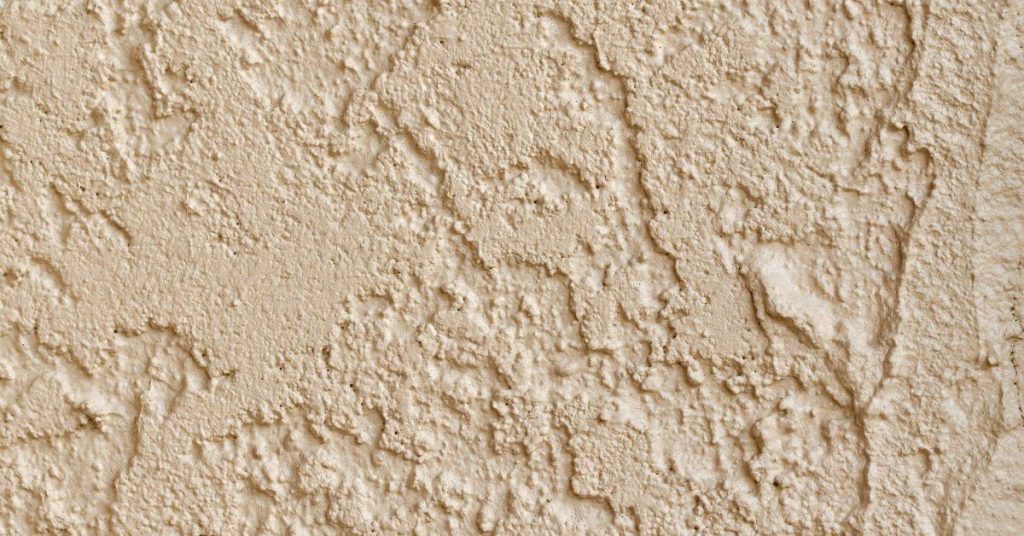
Closeup of beige textured stucco wall surface

Efflorescence on colored stucco: cleaning without bleaching or streaking the finish

Introduction Efflorescence on colored stucco is mineral salts that migrate to the surface and form a white, powdery or crusty residue. It signals salts moving through the wall from within the substrate or from moisture in the wall. The appearance doesn’t reflect color fade in the finish itself, but a surface phenomenon you can address […]

Efflorescence on colored stucco: cleaning without bleaching or streaking the finish Read More »

Workers pouring concrete over rebar grid on construction site

Rebar lap splice failures in DIY concrete work: real-world examples and how to avoid them

Introduction Rebar lap splice failures occur when the overlap between reinforcing bars is insufficient to transfer load through the concrete. In DIY projects, that weakness can show up as cracks, settlement, or unexpected movement at joints. Always check the minimum overlap guidance and follow the manufacturer’s or local rules for placement and tying. To avoid

Rebar lap splice failures in DIY concrete work: real-world examples and how to avoid them Read More »

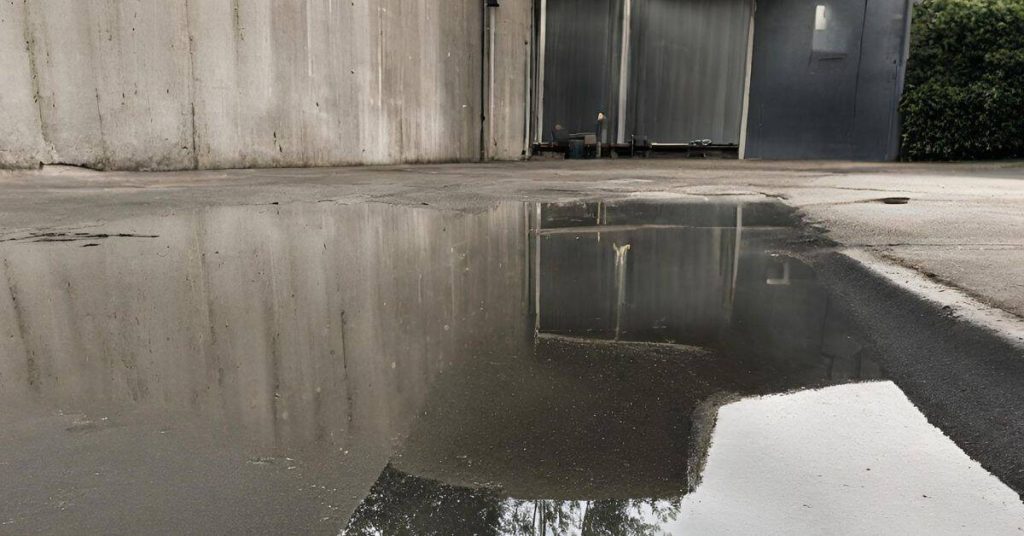
Water puddle on concrete surface near wall and door

Reading Water Stains Around Concrete Slabs: Simple Drainage Diagnostics Before You Start Digging

Introduction Water stains around concrete slabs indicate moisture movement from beneath or around the slab rather than a surface spill. This article helps you spot early signs and assess the basic drainage setup before any digging. Use plain checks and safe steps to decide what to fix first. Common signs include damp patches, mineral buildup,

Reading Water Stains Around Concrete Slabs: Simple Drainage Diagnostics Before You Start Digging Read More »

rough textured grey concrete wall surface with marks

Concrete post base pockets and voids: where they come from and how to patch invisibly

Introduction Concrete post base pockets and voids are hollow spaces that form around a post base when concrete doesn’t fill evenly. They can occur from improper forms, settling, or air pockets during pouring. These gaps can weaken the attachment if not addressed. To patch invisibly, clean the area, mix a compatible repair mortar, and fill

Concrete post base pockets and voids: where they come from and how to patch invisibly Read More »

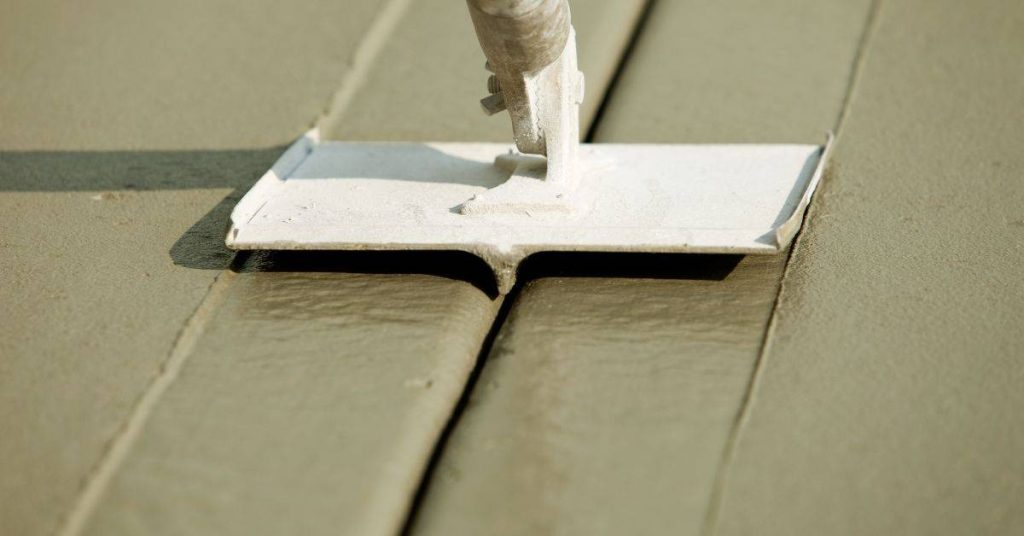
Concrete joint being tooled with a hand trowel

Concrete Finishing Sequence for Beginners: Bull Float, Edge, Joint, Then Walk Away (Sometimes)

Introduction The finishing sequence for this concrete work is the order of steps you follow after pouring: bull float, edge, joint, then walk away. This approach helps keep the surface workable while reducing roughness and lines. It works best when you have the right tools and a fresh pour to guide the finish. Before you

Concrete Finishing Sequence for Beginners: Bull Float, Edge, Joint, Then Walk Away (Sometimes) Read More »

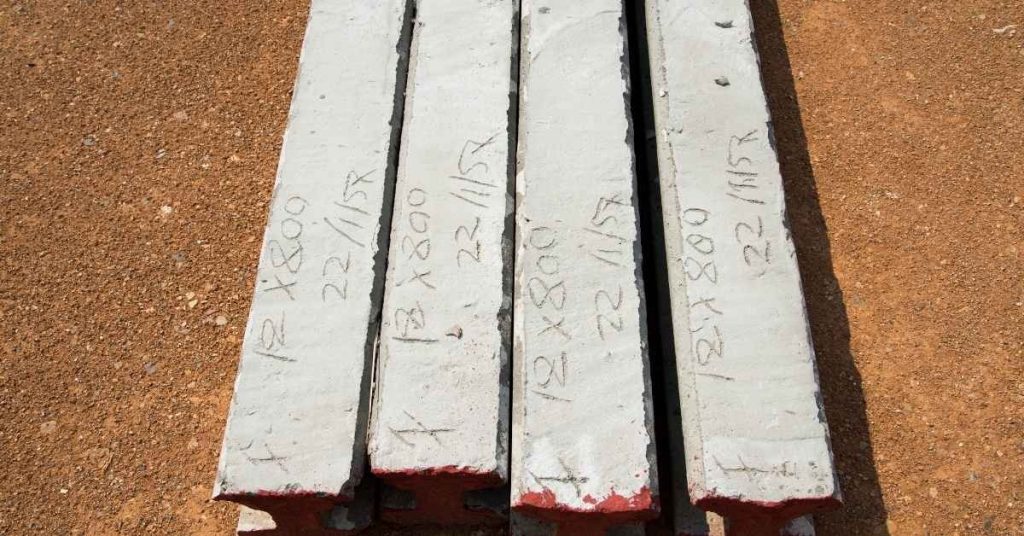
Four long concrete test slabs with handwritten markings

Troubleshooting DIY mixes with a slump test: what bad numbers look like in real concrete

Introduction A slump test checks how fluid your concrete mix is by measuring how much it slumps or settles. It’s a quick way to see if the mix is too dry or too watery before you lay it. If the numbers seem off, check the product label, manufacturer instructions, and any local guidelines for your

Troubleshooting DIY mixes with a slump test: what bad numbers look like in real concrete Read More »

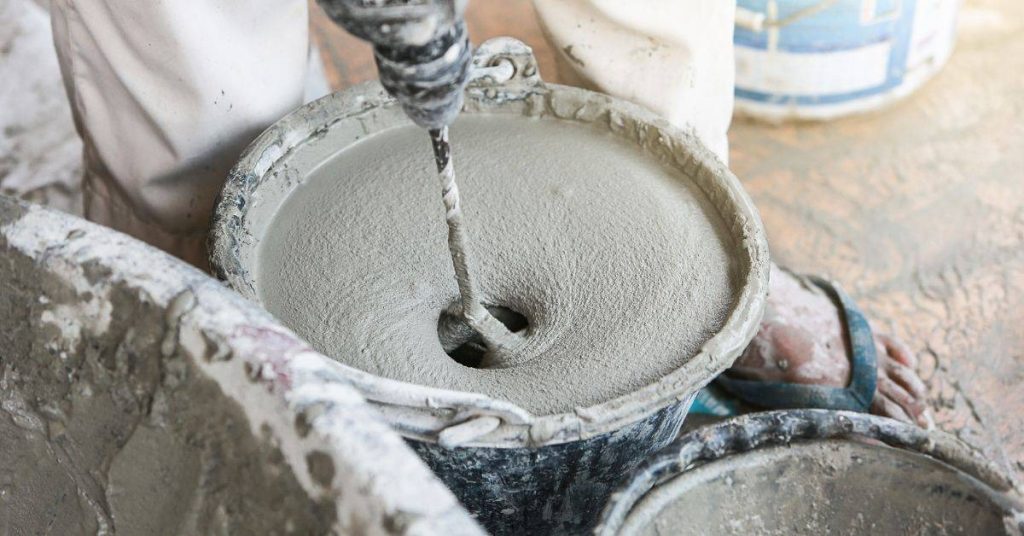
electric drill mixing cement in a bucket on dusty floor

Small-batch mixing: keeping ratios honest with buckets and a cheap scale

  Introduction Small-batch mixing means measuring everything in tiny, consistent portions so ratios stay true when you mix in buckets with a cheap scale. Keep it simple: use one bucket per component, tare the scale, and double-check labels before you start. Plan a batch size you can manage, and write down your target ratios in

Small-batch mixing: keeping ratios honest with buckets and a cheap scale Read More »

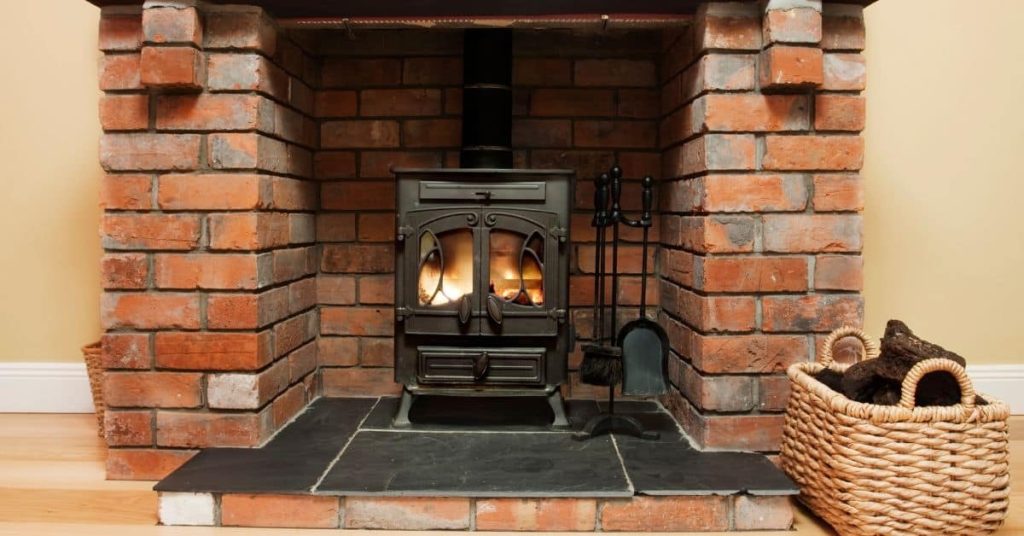
Black wood stove inside brick fireplace with fire tools and basket

Cleaning soot on fireplaces: products that won’t etch and how to avoid streaks

  Introduction Cleaning soot on fireplaces means removing soot and smoke marks without harming the surface. Use non-etching cleaners and test on a hidden spot first, then work in gentle, small sections. Avoid abrasive scrubbers and harsh acids; follow label instructions and local rules. To avoid streaks, wipe from top to bottom and use a

Cleaning soot on fireplaces: products that won’t etch and how to avoid streaks Read More »

Close-up of blue textured stucco wall surface

Repairing Stucco Behind Hose Reels and Brackets: Keeping the WRB Intact

Introduction Repairing stucco behind hose reels and brackets means fixing cracks and damage without compromising the wall and its weather barrier. Keep the WRB intact by protecting it while you remove hardware and apply patches. Use appropriate repair materials that match the stucco type and follow label directions, and avoid overloading or trapping moisture. If

Repairing Stucco Behind Hose Reels and Brackets: Keeping the WRB Intact Read More »

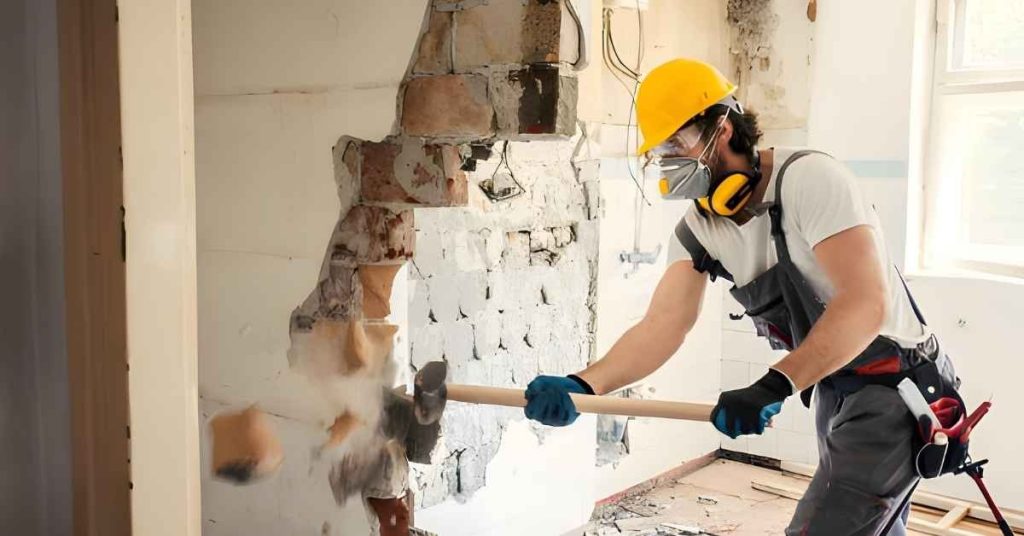
Worker with sledgehammer demolishing interior wall

Hollow-Sounding Stucco: Tap Testing, Cut Windows, and When to Stop Spot-Patching

Introduction Hollow-Sounding stucco occurs when tapping the surface reveals a hollow or loose layer beneath the finish. It’s a signal that the underlying material or lath may be compromised. Listen and feel for soft spots, and note where the sound changes as you tap around the area. Start with surface preparation by removing loose material

Hollow-Sounding Stucco: Tap Testing, Cut Windows, and When to Stop Spot-Patching Read More »