Search Results for: table top ves free standing

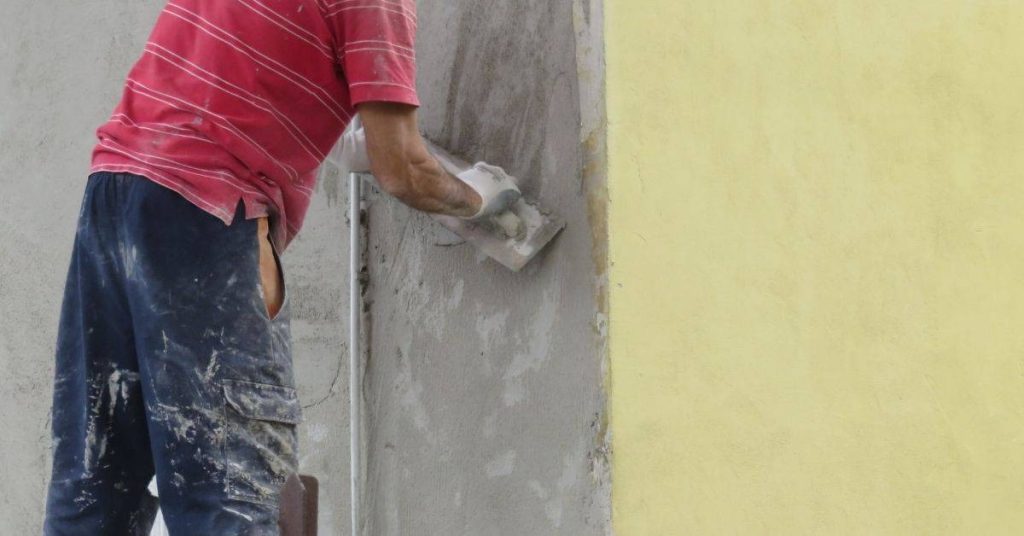
Worker applying wet stucco to wall with trowel

Stopping Parapet Leaks with Stucco: Coping Caps and Top-Edge Detailing

Introduction This article covers how to stop parapet leaks with stucco through coping caps and top-edge detailing. You’ll approach this as a hands-on project, not a textbook lesson. Expect practical steps you can check on site and adjust for your wall setup. Plan for proper flashing, sealants, and coping cap installation, and verify what your […]

Stopping Parapet Leaks with Stucco: Coping Caps and Top-Edge Detailing Read More »
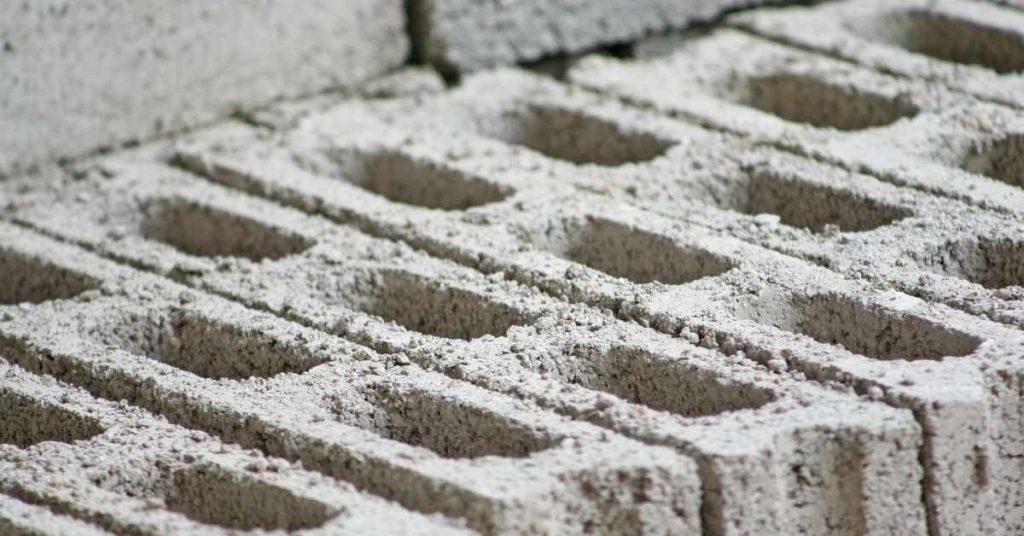
Closeup of stacked gray concrete cinder blocks

Keeping Concrete Block Sealant Lines Clean: Masking, Tooling, and Smear-Free Cleanup

Introduction Keeping concrete block sealant lines clean means preventing excess sealant from smearing onto the block faces by masking and timing your work. Mask surrounding edges with tape or masking paper before you start, and plan to tool the bead cleanly as you go. Check the product label for guidance on working time and curing,

Keeping Concrete Block Sealant Lines Clean: Masking, Tooling, and Smear-Free Cleanup Read More »

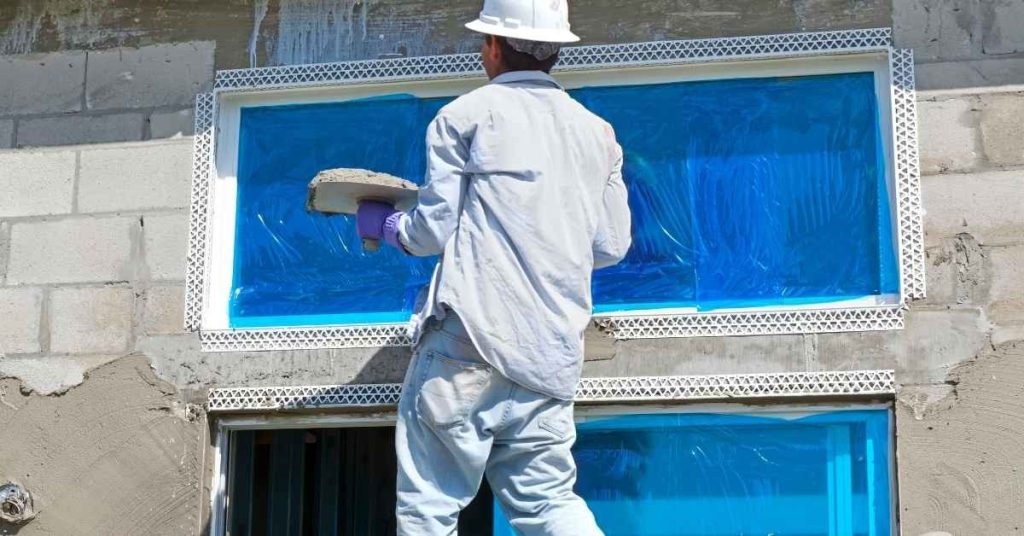
Worker applying stucco around window frame with trowel

Stucco Repairs Around Dryer Vents: Proper Sleeves, Flashing, and Slope

Introduction This guide explains how to repair stucco around dryer vents using proper sleeves, flashing, and slope. I’ll keep it practical and real-world, focusing on what you can check and adjust on the job. You’ll learn how to protect the vent opening from water intrusion while keeping the stucco looking sturdy. Key steps include selecting

Stucco Repairs Around Dryer Vents: Proper Sleeves, Flashing, and Slope Read More »

Pile of broken red bricks and rubble

Spalling Brick Diagnosis: Freeze-Thaw, Salts, and the “Stop the Water” Plan

Introduction Spalling brick diagnosis is identifying why bricks are flaking or crumbling due to freeze-thaw, salts, or moisture. This is a hands-on check to help you decide what needs repair and how to stop further damage. Look for cracking, hollow sounds, powdery surfaces, or powdery efflorescence as clues. Start by stopping water entry and planning

Spalling Brick Diagnosis: Freeze-Thaw, Salts, and the “Stop the Water” Plan Read More »

Hand painting metal frame with orange paint roller

Sealing Cracks Before Painting Concrete: Fillers That Don’t Telegraph Through Topcoats

Introduction Sealing cracks before painting concrete means filling and sealing gaps so the finished surface looks uniform and the cracks don’t telegraph through the topcoat. It’s a practical, hands-on step you can tackle with basic fillers and simple tools. Always check the product label for curing time and application temperature before you start. Choose a

Sealing Cracks Before Painting Concrete: Fillers That Don’t Telegraph Through Topcoats Read More »

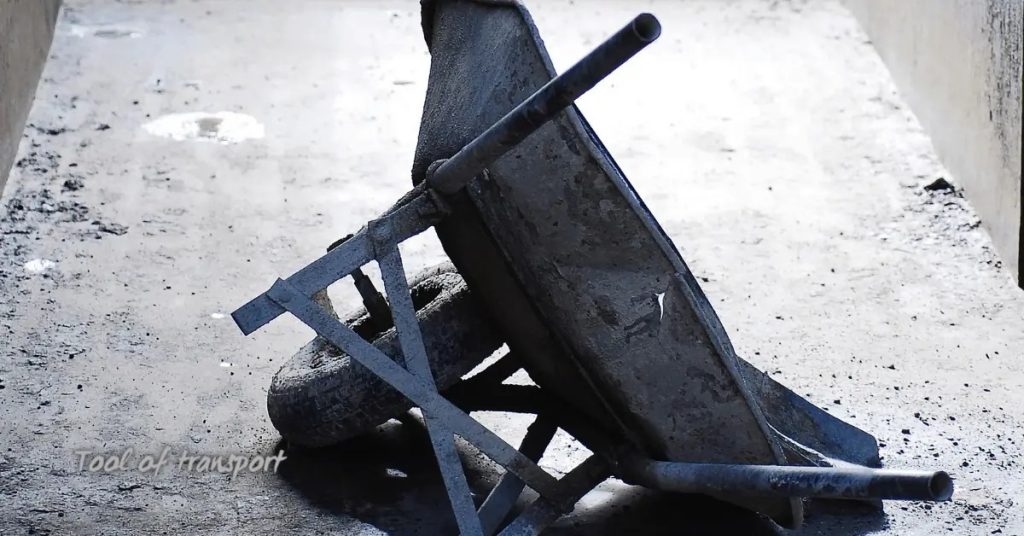
Empty wheelbarrow resting on concrete surface

Concrete Near Downspouts: Slopes, Splash Blocks, and How to Stop Undermining

Introduction Concrete near downspouts needs proper slope and splash protection to prevent water from undermining the footing. Gutters and splash blocks channel roof runoff away from the foundation and concrete edge. This article explains what splash blocks are, why they matter, and how to position them so water moves away from the wall. Choosing a

Concrete Near Downspouts: Slopes, Splash Blocks, and How to Stop Undermining Read More »

Close-up of smooth textured plaster wall surface

Clay Plaster Sealer Tests: Why Some Topcoats Darken Color and How to Predict It

Introduction Sealers on clay plaster can darken the surface, and tests reveal when and why. This is a practical, hands-on look at how topcoats behave on plaster and why color shifts happen. Expect results to vary with prep, humidity, and the plaster mix you used. Varathane and similar wipe-on or spray sealers can interact with

Clay Plaster Sealer Tests: Why Some Topcoats Darken Color and How to Predict It Read More »

Clear glass bowl with white powder under shoe rack

Urethane Topcoat Blushing: Humidity, Solvents, and How to Clear It

Introduction Blushing is a cloudy, milky haze that forms on a polyurethane topcoat surface when moisture or solvents react with the film. In humid conditions or when solvents evaporate too quickly, this haze can appear and stay until the finish dries. Recognizing it early helps you decide whether to slow down, adjust the environment, or

Urethane Topcoat Blushing: Humidity, Solvents, and How to Clear It Read More »

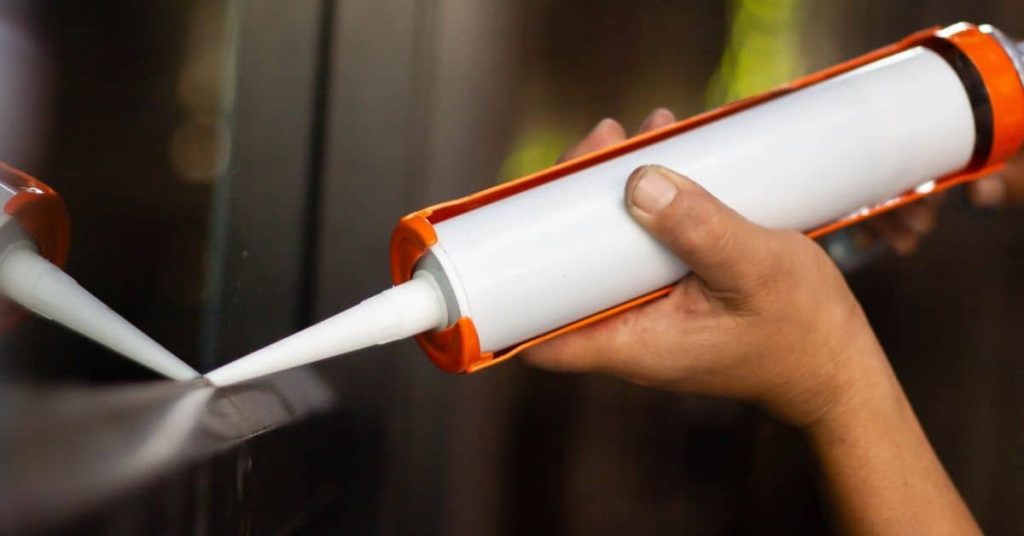
Hand applying white caulk from a caulking gun onto a surface

How to Seal Form Joints to Stop ‘Fins’: Tape vs Caulk vs Foam Strategies

Introduction Sealing form joints means choosing a method to close gaps in the formwork so fins don’t form. Tape, caulk, and foam are common options, each with its own pros and limits. Look at the product label and the concrete conditions to decide what to use. Tape works best for clean, straight joints, caulk fills

How to Seal Form Joints to Stop ‘Fins’: Tape vs Caulk vs Foam Strategies Read More »

Clean decorative concrete driveway with landscaping

Concrete Deicer Alternatives: What’s Safer for Decorative Concrete in Winter

Introduction Safer deicer options for decorative concrete are milder chemicals and methods that reduce staining and damage. Choose products with clear labeling and follow the manufacturer’s directions, and always check local rules or requirements before use. For a DIY approach, prioritize methods that minimize surface impact while keeping things safe on contact with your finish.

Concrete Deicer Alternatives: What’s Safer for Decorative Concrete in Winter Read More »