Search Results for: surface prep

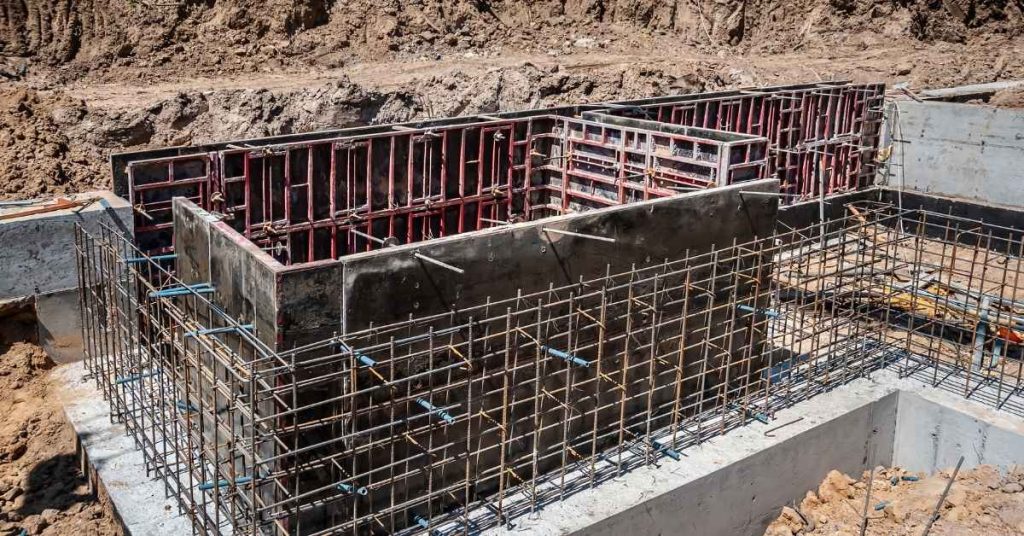
Concrete foundation with steel rebar and formwork on construction site

How to Use Hydration Stabilizers: Small Pours, Hot Weather, and Long Hauls

Introduction Hydration stabilizers are additives that help concrete stay workable and set more predictably during small pours, hot weather, or long hauls. They help manage hydration so you can pour when conditions would normally cause workability loss or early stiffening. You’ll use them by following simple mixing steps and applying the stabilizer according to the […]

How to Use Hydration Stabilizers: Small Pours, Hot Weather, and Long Hauls Read More »

Stacked precast concrete columns outdoors on grass

Concrete Admixtures for DIY Builders: What to Use, What to Skip, and Why

Introduction Concrete admixtures are additives used to modify how concrete behaves. They can improve workability, curing, strength, or durability, depending on the mix and project. For DIY projects, choose admixtures based on the goal, then check the label and manufacturer instructions for your specific cement and conditions. Common types include plasticizers for flow, air entrainers

Concrete Admixtures for DIY Builders: What to Use, What to Skip, and Why Read More »

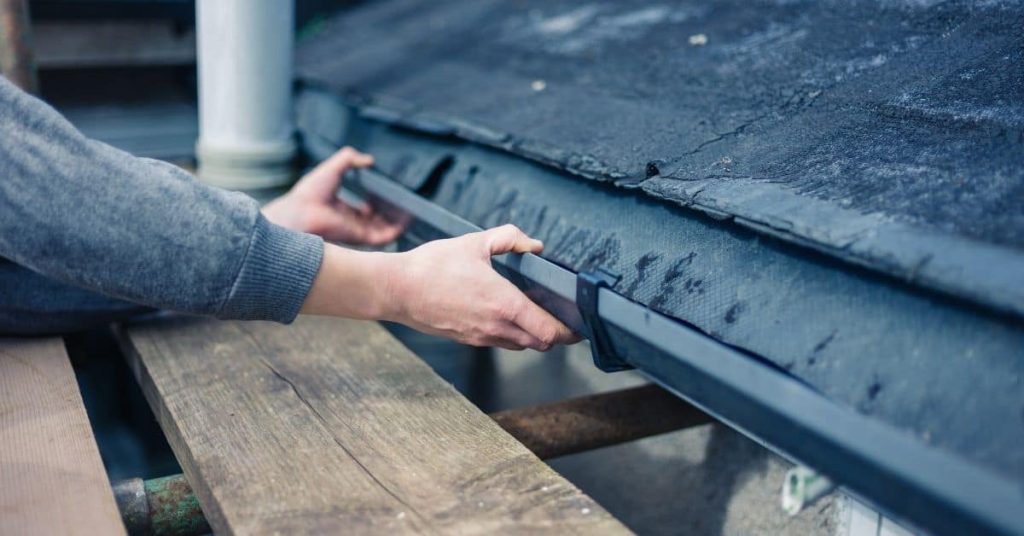
Person installing a gutter hanger on a roof edge

How to Install Drip Edge on an Existing Roof: Retrofit Steps and Common Mistakes

Introduction Drip edge is the metal or plastic strip installed at the roof edge to direct water into the gutter and protect the underlying roof. When retrofitting on an existing roof, fasten it along the eave and rake edges and seal where required. Always follow the manufacturer’s instructions and local rules for fasteners and overlaps.

How to Install Drip Edge on an Existing Roof: Retrofit Steps and Common Mistakes Read More »

Hand using steel trowel to smooth wet concrete surface

Steel Trowel vs Magnesium Float: Which Finish Fits Which Job

Introduction Steel trowel finish is a smooth, hard surface created by pulling steel blades across fresh concrete to close the surface. It yields a dense, glassy look when done correctly. Use it carefully, as over-troweling can trap moisture or create a brittle surface. Magnesium float finish is a light, textured surface achieved by smoothing with

Steel Trowel vs Magnesium Float: Which Finish Fits Which Job Read More »

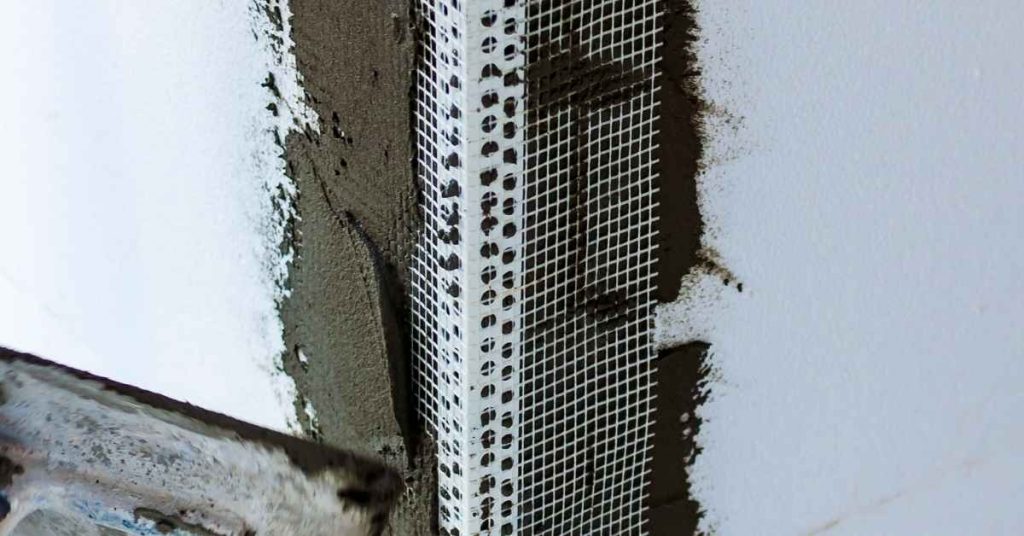
White mesh embedded in wet stucco on white wall surface

Stucco Over ICF Walls: Choose the Right System and Detail Openings

Introduction Yes, stucco can be installed over ICF walls—but ICF foam is not a generic substrate for arbitrary mesh, lath, or fasteners. Start by selecting one complete, manufacturer-approved assembly for your ICF brand: traditional cement plaster on mechanically attached lath, direct-applied cementitious stucco, or an adhered synthetic/EIFS-style system with fiberglass mesh embedded in base coat.

Stucco Over ICF Walls: Choose the Right System and Detail Openings Read More »

Indoor view through window blinds showing green plants outside

EIFS Window Detailing: Backwrapping, Flashing, and Sealant Joints

Introduction EIFS window detailing is not a generic caulking job. It must connect the window, flashing, water-resistive barrier (WRB), drainage provisions where present, and the EIFS edge treatment into one water-management detail. The three essentials are: prepare and verify the opening, install the manufacturer-specified backwrap or edge treatment, and form a compatible movement joint between

EIFS Window Detailing: Backwrapping, Flashing, and Sealant Joints Read More »

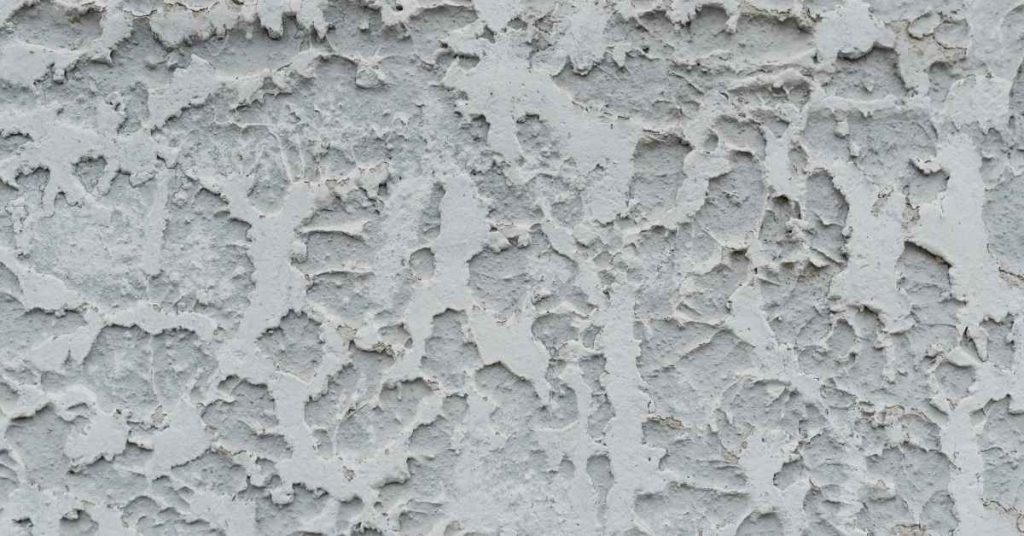
Close-up of rough textured gray stucco wall surface

How to Identify EIFS vs Hard-Coat Stucco: Simple On-Wall Tests

Introduction EIFS is an exterior insulation system with a foam board base and a thin textured finish, while hard-coat stucco is a cement-based, multi-layered plaster bonded to masonry or a lath substrate. In plain jobsite terms: EIFS feels lighter and can have a separation behind the finish, whereas hard-coat stucco is rigid and is trowel-applied

How to Identify EIFS vs Hard-Coat Stucco: Simple On-Wall Tests Read More »

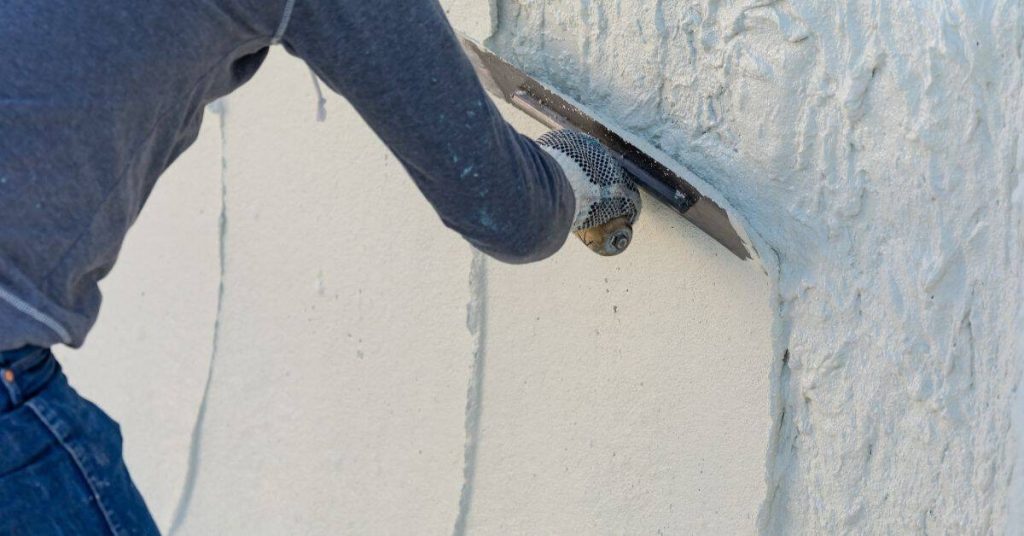
Person smoothing stucco on exterior wall with trowel

Drainage Stucco vs Barrier Stucco: How to Tell What You Have on Your House

Introduction Drainage stucco is a cladding system designed to let water that gets behind the finish drain out, while barrier stucco is meant to shed water at the surface and keep moisture out; that’s the practical difference. Think of drainage as a layered system with a gap or channels to manage moisture and barrier as

Drainage Stucco vs Barrier Stucco: How to Tell What You Have on Your House Read More »