Search Results for: surface prep

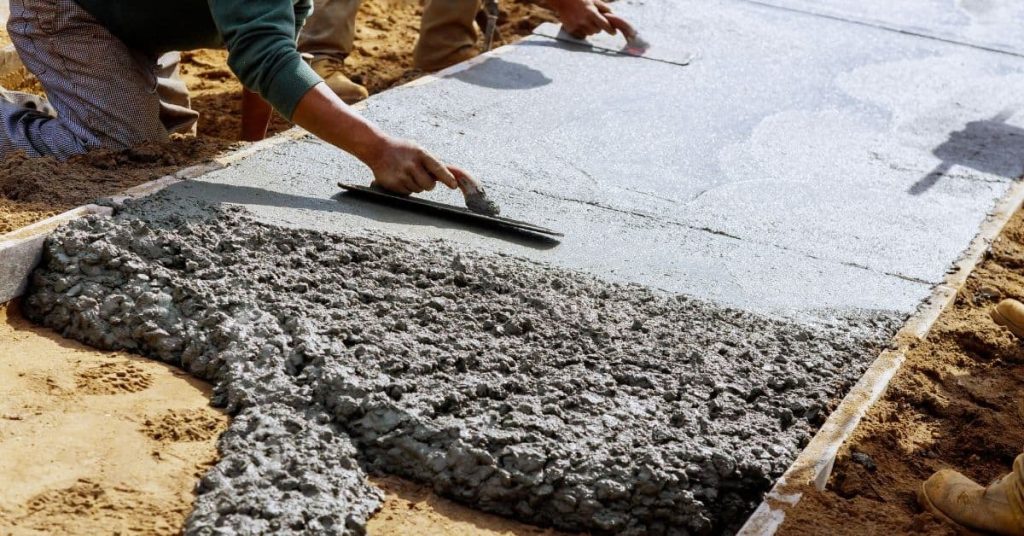
Hands smoothing wet concrete with trowels on a slab

Hot Water vs. Warm Aggregates for Cold-Weather Concrete

Introduction Neither hot mixing water nor warmed aggregates is universally better. The goal is to deliver concrete at the temperature required by the approved mix and cold-weather plan—not to hit a fixed water or aggregate temperature. Heated water is usually the simplest adjustment; warmed aggregates can contribute more total heat when stockpiles are very cold […]

Hot Water vs. Warm Aggregates for Cold-Weather Concrete Read More »
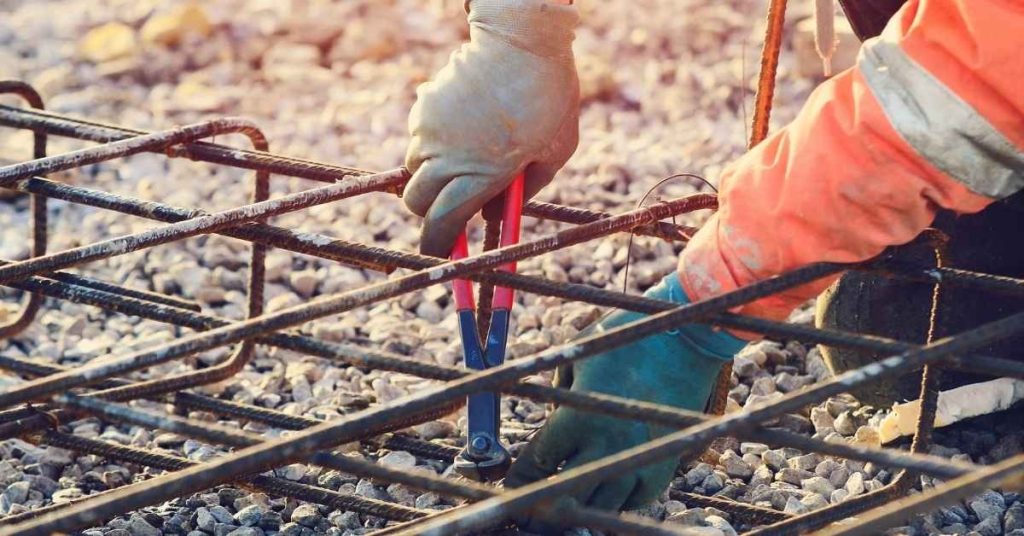
Hands tying rebar with pliers over gravel base

Carbonation Depth Mapping Across a Slab: Why One Test Spot Isn’t Enough

Introduction Carbonation depth mapping across a slab is the practice of measuring how far carbonation has penetrated the concrete across different spots. This helps you see where the concrete is more or less exposed to carbonation, not just at one point. In plain terms, you’re looking for variations rather than a single number. Why one

Carbonation Depth Mapping Across a Slab: Why One Test Spot Isn’t Enough Read More »

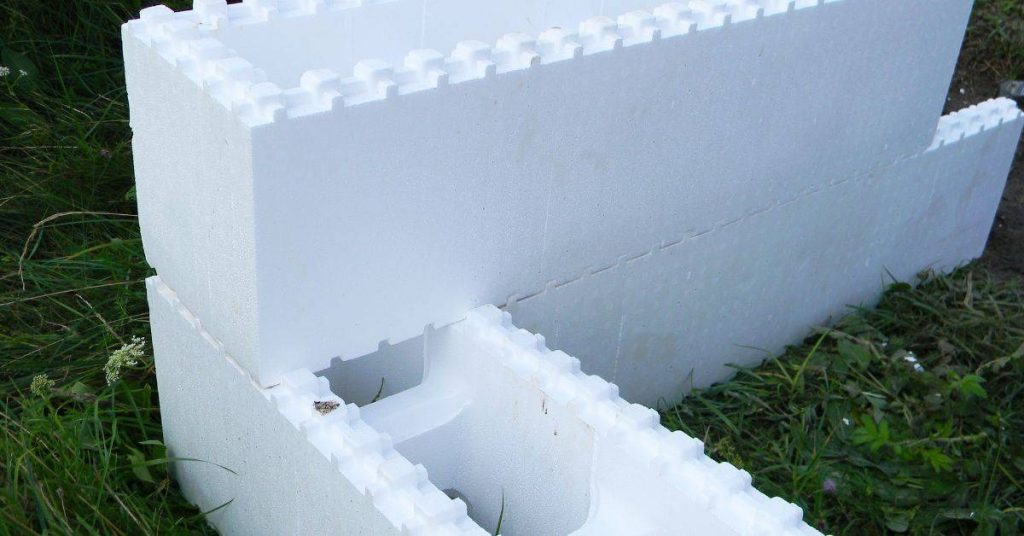
White insulated concrete forms stacked on grass outdoors

Measuring Concrete Cover in the Field: Why “Close Enough” Causes Long-Term Spalls

Introduction Measuring concrete cover accurately means checking how far the rebar or embedded metal sits from the surface, instead of guessing and hoping it’s close enough. In practice, small errors in this measurement can lead to long-term problems like spalling or cracking under load and weather. For DIY work, treat cover as a real detail

Measuring Concrete Cover in the Field: Why “Close Enough” Causes Long-Term Spalls Read More »

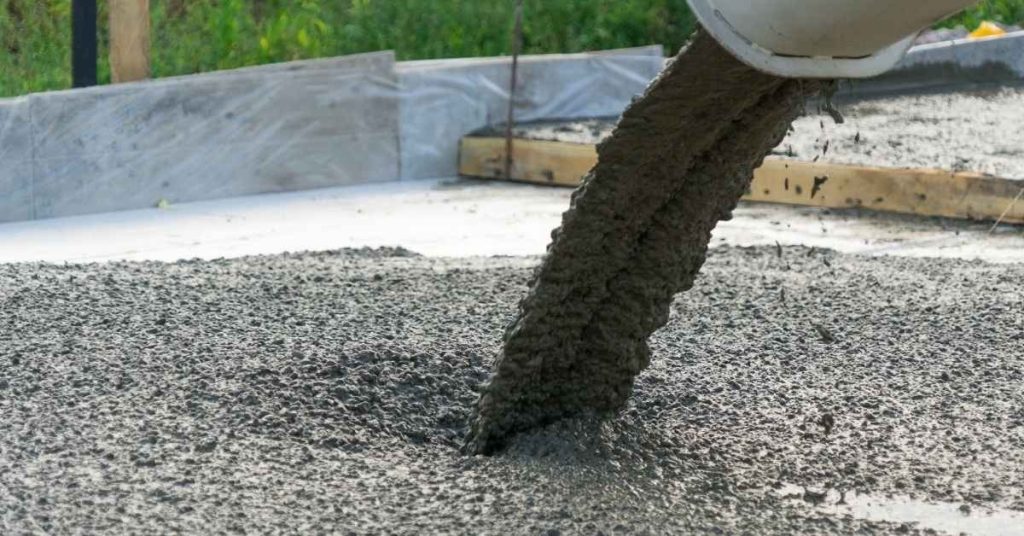
Fresh concrete pouring onto a slab outdoors

Concrete Alkali-Silica Reaction (ASR) Spot Checks: Symptoms That Mimic Other Failures

Introduction ASR is a chemical reaction in concrete between alkalis and reactive silica in aggregates that can lead to slow expansion and cracking. In the field, it can look like cracking, blistering, or powdery patches that mimic other problems. Understanding these symptoms helps you tell whether you might be dealing with ASR or something else.

Concrete Alkali-Silica Reaction (ASR) Spot Checks: Symptoms That Mimic Other Failures Read More »

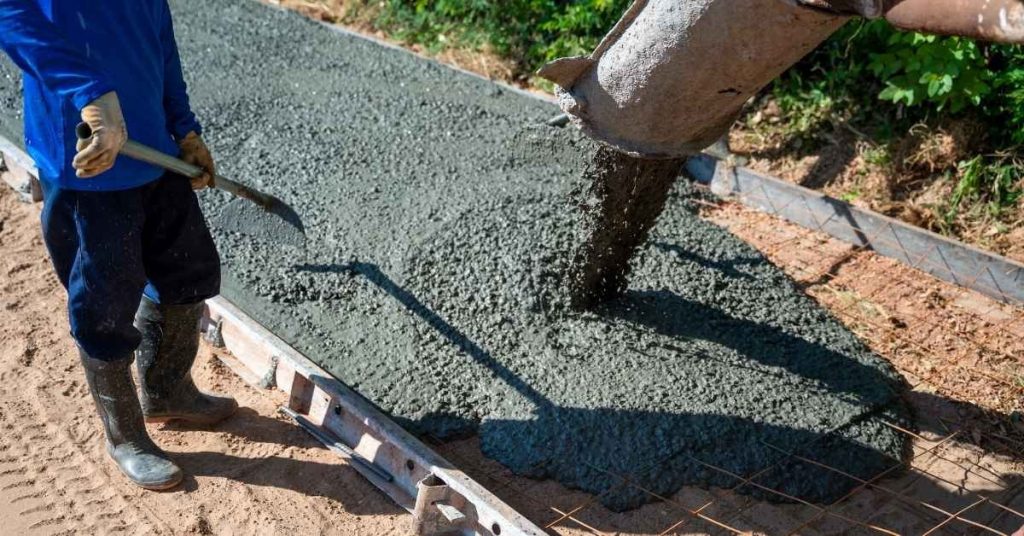
Worker pouring concrete slab with shovel and chute

Rapid Chloride Permeability (RCPT) and Alternatives: What “Low Permeability” Really Means

Introduction RCPT is a test that measures how fast chlorides pass through cured concrete. It’s a practical yardstick for judging how resistant your concrete may be to corrosion of embedded steel. This article breaks down what low permeability really means in plain language for DIY projects. We’ll cover the basic steps you’d see in an

Rapid Chloride Permeability (RCPT) and Alternatives: What “Low Permeability” Really Means Read More »

Stacked hollow core concrete slabs outdoors

Using Recycled Concrete Aggregate in Concrete Slabs

Introduction Recycled concrete aggregate (RCA) is processed concrete from demolition that is reused as aggregate in new concrete. It can be suitable for a slab, but it is not interchangeable with virgin aggregate: attached mortar usually makes it more absorptive, lower in specific gravity, and more variable. Use RCA only when the project specification, building

Using Recycled Concrete Aggregate in Concrete Slabs Read More »

Stacked precast concrete hollow core slabs outdoors

Internal Curing With Lightweight Aggregate: Reducing Shrinkage in Thin Slabs and Countertops

Introduction Internal curing with lightweight aggregate is a method that uses porous, low-density aggregate inside the mix to keep moisture available for hardening. This approach helps manage moisture in thin slabs and countertops as they cure, especially when you’re working with limited thickness. Always follow the material instructions and local rules to ensure proper use.

Internal Curing With Lightweight Aggregate: Reducing Shrinkage in Thin Slabs and Countertops Read More »

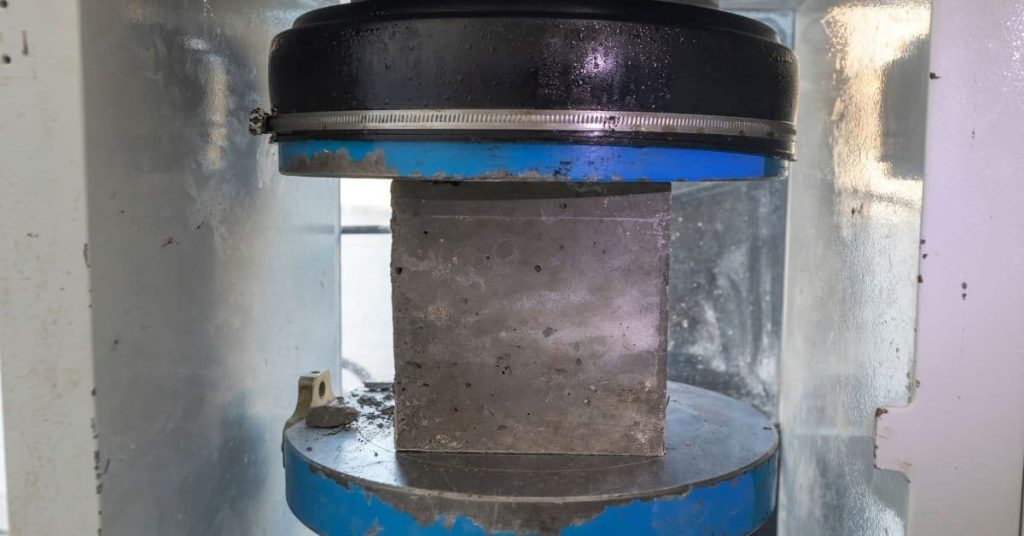
concrete compression test cube inside testing machine

DIY Slump Test: How to Make a Slump Cone and Read the Results

Introduction A slump test measures the workability of fresh concrete by using a cone and watching how much it settles. Key takeaways Understand the slump test measures concrete consistency by observing cone collapse height. Check tools: slump cone, trowel, sampling scoop, and clean curing surface. Follow a step-by-step procedure to ensure consistent results and repeatability.

DIY Slump Test: How to Make a Slump Cone and Read the Results Read More »

White concrete pump truck boom arm over metal fence

Air-Entrained Concrete: What It Is, Why It Matters, and Simple Checks

Introduction Air-entrained concrete is concrete that contains tiny air bubbles added on purpose to improve performance. These bubbles come from air-entraining agents mixed in with the concrete. This helps the concrete resist damage from freeze-thaw cycles and cracking, especially in exposed or moisture-prone spots. Testing for air content can be done with pressure, volumetric, or

Air-Entrained Concrete: What It Is, Why It Matters, and Simple Checks Read More »

Concrete stairs with a smooth central ramp

Concrete Maturity Method for DIY Pours: Estimate Strength by Tracking Temperature

Introduction Concrete maturity can estimate in-place strength from concrete temperature history, but temperature alone cannot predict strength. You need a strength–maturity relationship established for the same, or demonstrably equivalent, concrete mixture and comparable curing range. That includes cementitious materials, aggregates, proportions, water-to-cementitious-materials ratio, admixtures, batching, and curing conditions. For a small nonstructural pour, temperature logging

Concrete Maturity Method for DIY Pours: Estimate Strength by Tracking Temperature Read More »