Search Results for: surface prep

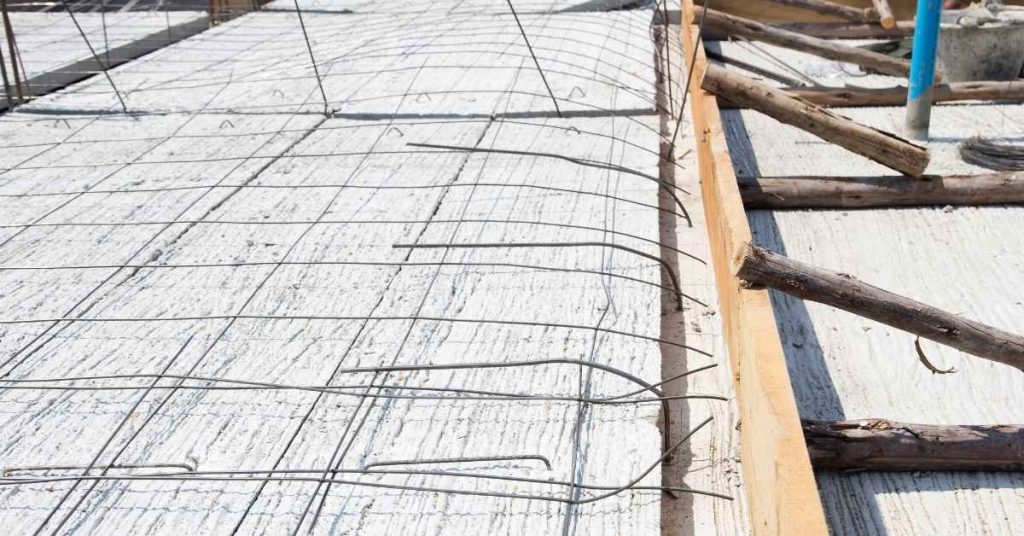
Concrete slab form with wire rebar grid and bent dowels

How to Tie Slab Reinforcement Into a Footing: Dowels, Hooks, and Keeping Cover Correct

Introduction Tieing slab reinforcement into a footing means securely connecting the steel in the footing to the steel in the slab so the two act as a single unit. Use dowels or hooks to link the bars where the slab meets the footing, and keep them clean, straight, and properly aligned. Always tie with the […]

How to Tie Slab Reinforcement Into a Footing: Dowels, Hooks, and Keeping Cover Correct Read More »

curved stamped concrete patio next to garden bed

Cutting Control Joints in Stamped Concrete: Timing, Blade Choice, and Avoiding Ragged Edges

Introduction Cutting control joints in stamped concrete is about planning when to cut, choosing the right blade, and making clean edges to prevent cracks. Get your timing right by planning ahead before you stamp, so the concrete has the strength needed when joints are cut. Always check manufacturer instructions and local rules for any timing

Cutting Control Joints in Stamped Concrete: Timing, Blade Choice, and Avoiding Ragged Edges Read More »

Concrete pour with exposed rebar in metal formwork

How to Repair a Concrete Spall With Exposed Rebar—and When to Call a Pro

Introduction A spall with exposed rebar is not automatically a DIY patch. Stop and arrange professional assessment before removing concrete if the damage is in a beam, column, suspended slab, balcony, elevated deck, foundation, retaining wall, parking structure, prestressed or post-tensioned member, or any element carrying people, vehicles, soil, or building loads. The same applies

How to Repair a Concrete Spall With Exposed Rebar—and When to Call a Pro Read More »

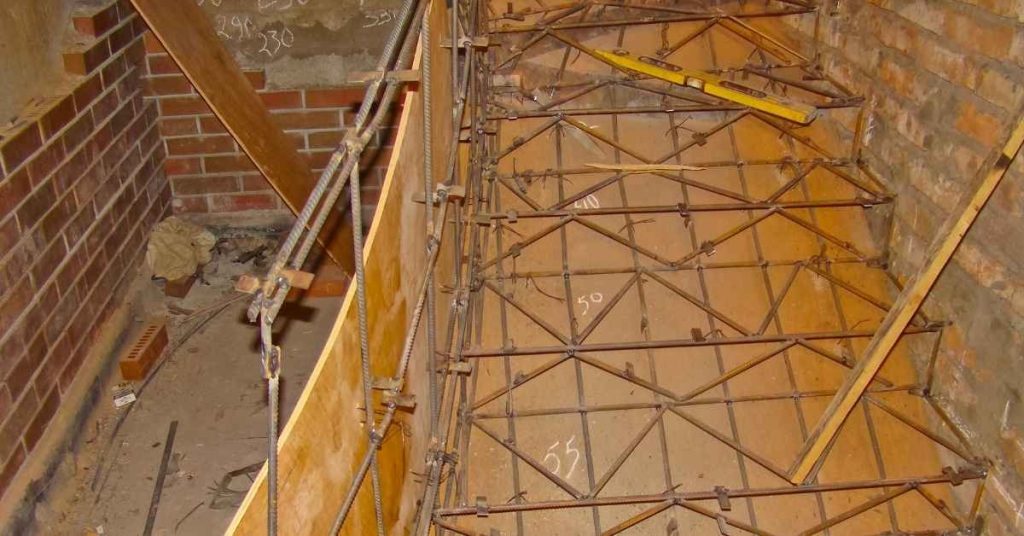
Concrete formwork with rebar inside brick walls

How to Write a Concrete Repair ‘Diagnosis Report’ for Your Own Projects: Photos, Measurements, and Decisions

Introduction A concrete repair diagnosis report is a simple, practical summary that defines what’s wrong, what you measure, and what you plan to fix. It guides your Photo-log, measurements, and observations into a clear set of next steps. Keep it grounded in what you can see, feel, and verify on the job site, with concrete

How to Write a Concrete Repair ‘Diagnosis Report’ for Your Own Projects: Photos, Measurements, and Decisions Read More »

Concrete screed tool smoothing wet concrete surface

Choosing Aggregate Size for Small Forms: Fewer Voids, Fewer Bugholes, Easier Finishing

Introduction Smaller aggregate size reduces voids and bugholes and makes finishing easier. For DIY projects, pick an aggregate that fits the form and follow the bag label and manufacturer guidance. If in doubt, check local rules or guidance from the mix supplier before deciding. Consolidation and slump are about how well the concrete fills tight

Choosing Aggregate Size for Small Forms: Fewer Voids, Fewer Bugholes, Easier Finishing Read More »

Paintbrush with white paint against white background

Mixing Pigments With White vs Gray Cement: Controlling Undertone and Saturation

Introduction Pigments are color additives you mix into cement to change its look, and using white or gray cement sets the undertone you’ll work from. In practice, you’ll notice white cement tends to brighten and cool things, while gray gives a neutral base that can lean warm or cool depending on the pigment. Start with

Mixing Pigments With White vs Gray Cement: Controlling Undertone and Saturation Read More »

Close-up of modern glass curtain wall on building exterior

Glass Fiber Dosing Math for GFRC: Converting Manufacturer Specs Into Real Batch Weights

Introduction Glass fiber dosing math for GFRC is converting manufacturer fiber dosage specs into concrete batch weights. Keep it practical by translating those specs into the actual amounts you mix on site. Tailor the math to your batch size and keep logs of what you add. Getting the fiber dosage right affects how strong and

Glass Fiber Dosing Math for GFRC: Converting Manufacturer Specs Into Real Batch Weights Read More »

Close-up of fibrous gray insulation material texture

Perlite and Vermiculite Concretes: Lightweight Fills, Insulation Value, and Crush Limits

Introduction Perlite and vermiculite concretes are lightweight mixes made with expanded mineral fillers that increase porosity in cement. They can help reduce weight and add some insulation value for fills, beds, or non-structural applications. Check the product label for how they’re intended to be used and what the mix recommends for your project. In DIY

Perlite and Vermiculite Concretes: Lightweight Fills, Insulation Value, and Crush Limits Read More »

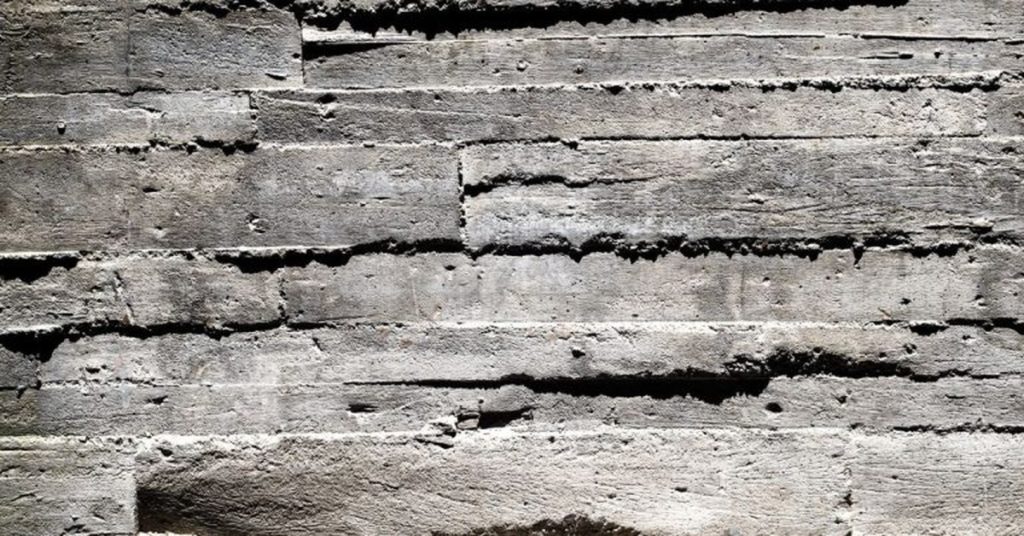
Close-up of rough concrete wall with wood formboard texture

Hydrated Lime in Concrete Mixes: Workability, Finish, and Strength Effects

Introduction Hydrated lime is a dry powder added to concrete to adjust texture and binding. In DIY mixes, it can improve workability and long-term texture, but it also changes setting behavior. Check the product label and local guidelines before use. It can influence finish quality and how smoothly you can trowel or pour. Lime affects

Hydrated Lime in Concrete Mixes: Workability, Finish, and Strength Effects Read More »