Search Results for: stucco patch

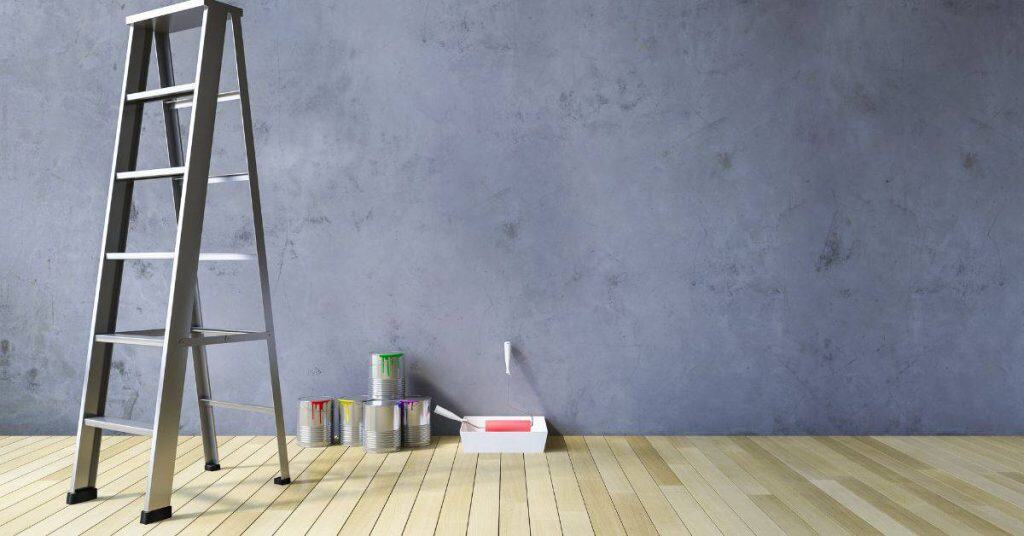
Aluminum ladder next to paint cans and roller on wooden floor

Prepping Glossy Surfaces for Paint Adhesion: Bond Tests, Sanding Grits, and When Deglossers Fail

Introduction Prepping glossy surfaces for paint adhesion means removing or disrupting the shiny layer and testing the bond before committing—either by sanding, using a chemical deglosser, or combining both with the right primer. You can sometimes skip aggressive sanding if a proper deglosser and an adhesion-promoting primer are compatible with the substrate, but check product […]

Prepping Glossy Surfaces for Paint Adhesion: Bond Tests, Sanding Grits, and When Deglossers Fail Read More »

Pressure washer cleaning wooden deck surface

Painting After Pressure Washing: How to Tell When Siding and Masonry Are Truly Dry Enough to Prime

Introduction “Dry enough” means the surface has lost visible and tactile moisture and any trapped dampness that would prevent primer from bonding; test by touch, absorbency checks, and following product label guidance. Look for no surface sheen, no dark patches, and no water beading when you flick or blot the material, and when in doubt,

Painting After Pressure Washing: How to Tell When Siding and Masonry Are Truly Dry Enough to Prime Read More »

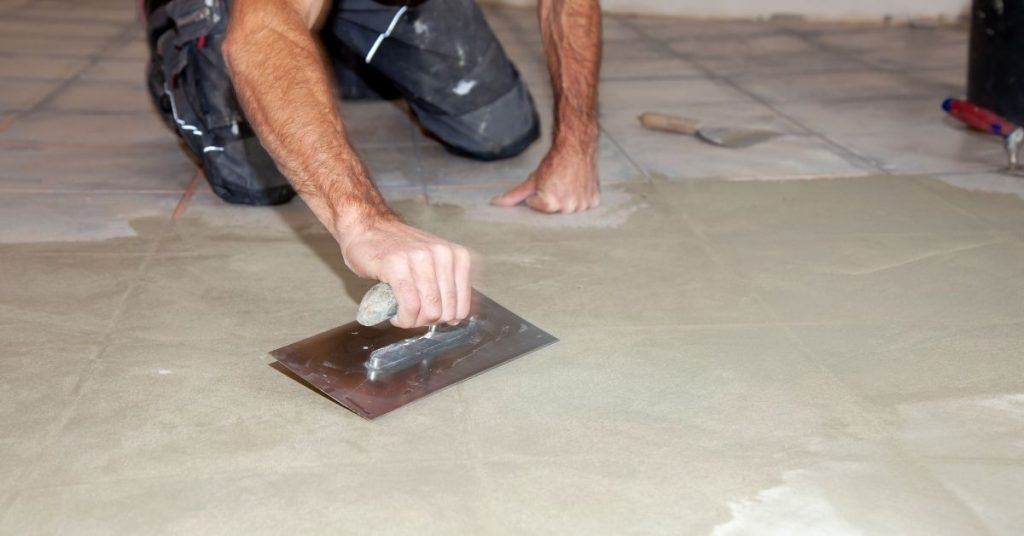
Trowel spreads leveling compound over floor during bathroom prep

Self-Leveling Compound Prep on “Problem Subfloors”: Primers, Seams, and Edge Dams That Stop Leaks

Introduction Self-leveling compound prep on problem subfloors means getting a board-backed surface ready so the liquid compound spreads and cures without running into gaps or flaking off. Think practical steps: pick a primer the compound maker recommends, seal seams and penetrations so water and dust won’t break the bond, and build temporary edge dams where

Self-Leveling Compound Prep on “Problem Subfloors”: Primers, Seams, and Edge Dams That Stop Leaks Read More »

Worker smoothing wet concrete with steel trowel

How to Avoid Concrete Burn Marks From Steel Trowels: Timing and Pressure

Introduction Concrete burn marks from steel trowels are surface defects caused by working the slab too long or with too much pressure while the surface is still finishing; to avoid them, match your troweling timing and hand pressure to the concrete’s set and follow good finishing technique. This means watching the slab, feeling the surface,

How to Avoid Concrete Burn Marks From Steel Trowels: Timing and Pressure Read More »

How to Fix Concrete Plasticizer Problems (DIY Steps + Stop Rules)

Plastic-Sheet Concrete Curing Problems: How to Prevent Tiger Stripes, Trapped Water, and Soft Spots

Introduction Plastic-sheet concrete curing problems are surface defects and moisture issues that happen when polyethylene or similar sheets are used poorly during the curing period. In plain terms, tiger stripes are streaky color/texture changes, trapped water is pooled moisture under the sheet, and soft spots are weak areas from uneven hydration or contamination. This intro

Plastic-Sheet Concrete Curing Problems: How to Prevent Tiger Stripes, Trapped Water, and Soft Spots Read More »

Worker painting exterior wall with yellow paint using long roller

Fading Exterior Paint: Sun Exposure Checks and Better Recoat Timing

Introduction Fading exterior paint is what happens when sun exposure breaks down color and finish over time, caused by UV bleaching, heat, and weather cycling. You’ll notice it as color loss, chalky surfaces, or a dull sheen that won’t rebound with cleaning. Check by looking for noticeable color changes and a chalky or powdery feel

Fading Exterior Paint: Sun Exposure Checks and Better Recoat Timing Read More »

Hands using scraper to remove blue paint from wall

Cratering in Paint: Contamination Tests and Fixes for Pitted Surfaces

Introduction Cratering in paint is when small pits or craters appear on the painted surface, leaving uneven spots. It usually happens when the surface is contaminated or the coating fails to bond properly. Pitted areas can also result from poor surface prep or moisture under the film. To detect it, start with a careful visual

Cratering in Paint: Contamination Tests and Fixes for Pitted Surfaces Read More »

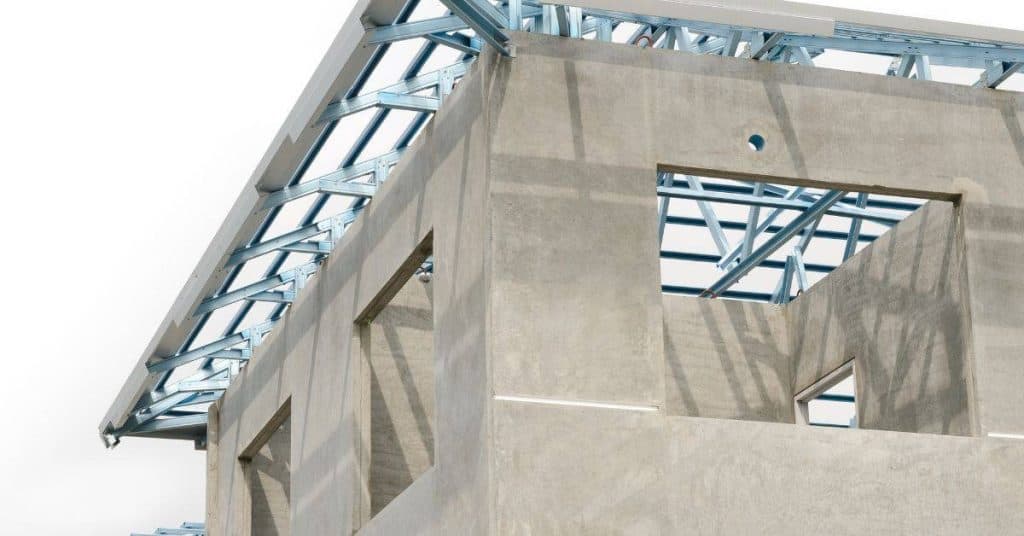
Precast concrete wall panels with metal roof framing

Interior Concrete Wall Efflorescence: Cleaning Without Driving Salts Deeper

Introduction Efflorescence is the chalky salt stain that forms on interior concrete walls when water carries soluble salts to the surface. It’s a surface phenomenon, not a stain from dirt, and it can reappear if moisture keeps moving through the wall. To clean it without driving salts deeper, use a light touch, rinse thoroughly, and

Interior Concrete Wall Efflorescence: Cleaning Without Driving Salts Deeper Read More »

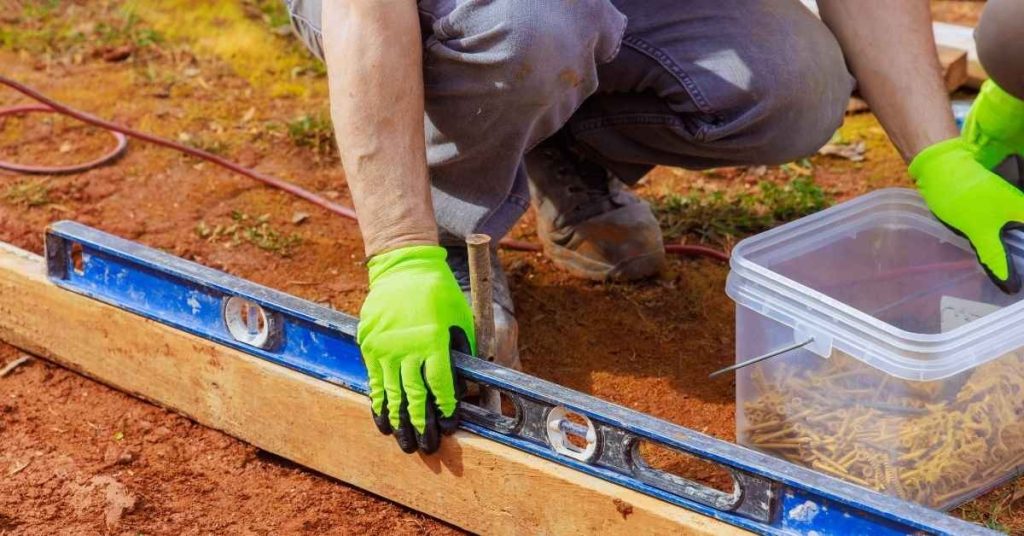
Person using level on wooden form with screws nearby

DIY Concrete ‘Rock Face’ Texture: Simple Form Liner Alternatives

Introduction Rock-face texture in concrete is a rough, split-look finish created with simple form liners. This article covers easy, affordable ways to get that look without heavy equipment. You’ll want to check the liner instructions and local rules before you start. If you don’t have ready-made liners, you can improvise with basic plywood or foam

DIY Concrete ‘Rock Face’ Texture: Simple Form Liner Alternatives Read More »