Search Results for: stucco patch

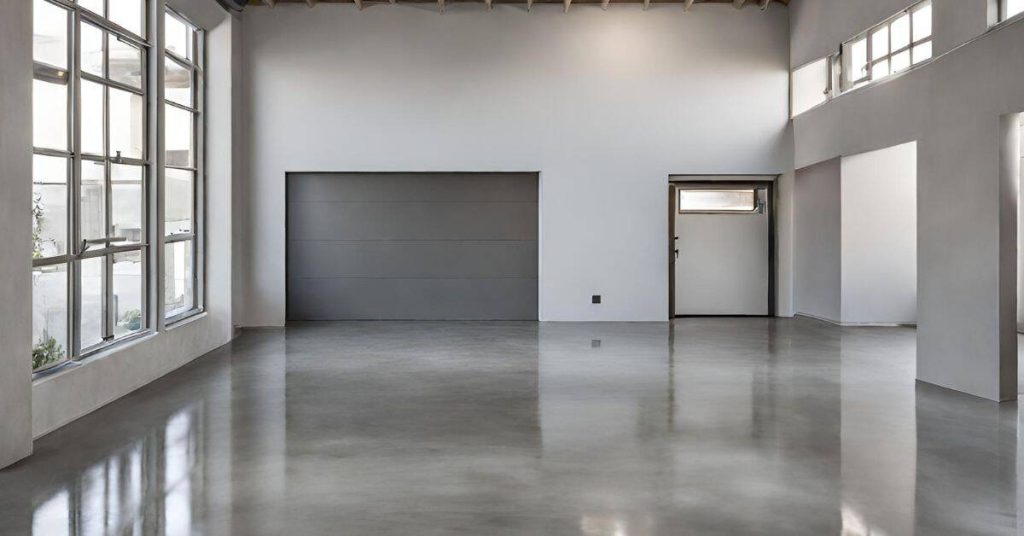
Empty room with polished concrete floor and large windows

Moisture Mitigation Systems for Concrete Floors: When You Need One

Introduction A moisture mitigation system blocks moisture from a concrete floor before you install finishes. It helps prevent staining, mold, and fast finish failures. The approach varies, but the goal is to keep dampness from wicking into your flooring. Watch for signs of moisture damage like peeling coatings, dark patches, or a musty smell. Give

Moisture Mitigation Systems for Concrete Floors: When You Need One Read More »

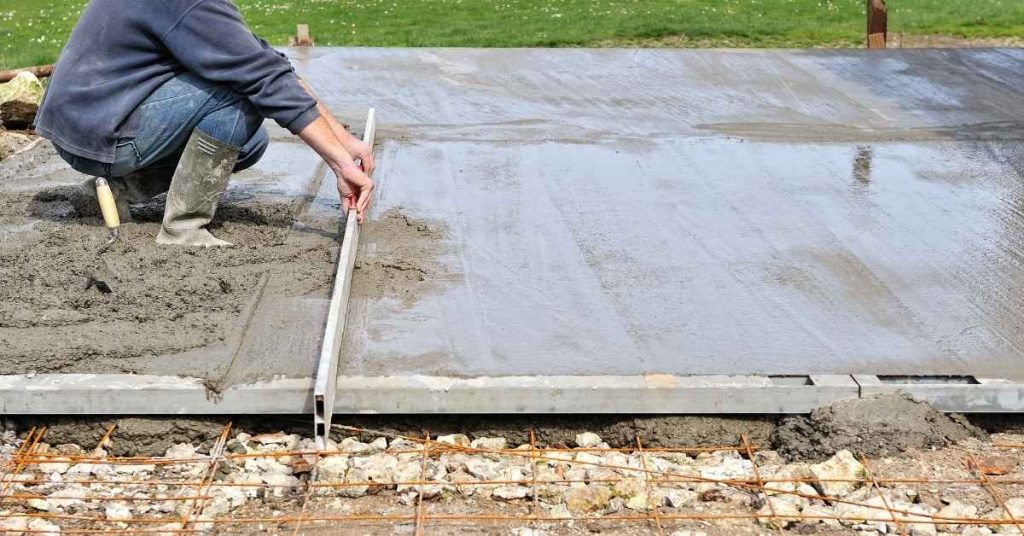
person leveling wet concrete on ground outdoors

Infrared Thermometer for Concrete: What It Can and Can’t Tell You

Introduction An infrared thermometer measures surface temperature without touching the concrete. Use it to spot cold spots, thawing edges, or rapid surface changes during curing, but it won’t reveal internal conditions. Check the device emissivity settings and read the manufacturer instructions for how to use it on concrete. For winter pours, take quick surface readings

Infrared Thermometer for Concrete: What It Can and Can’t Tell You Read More »

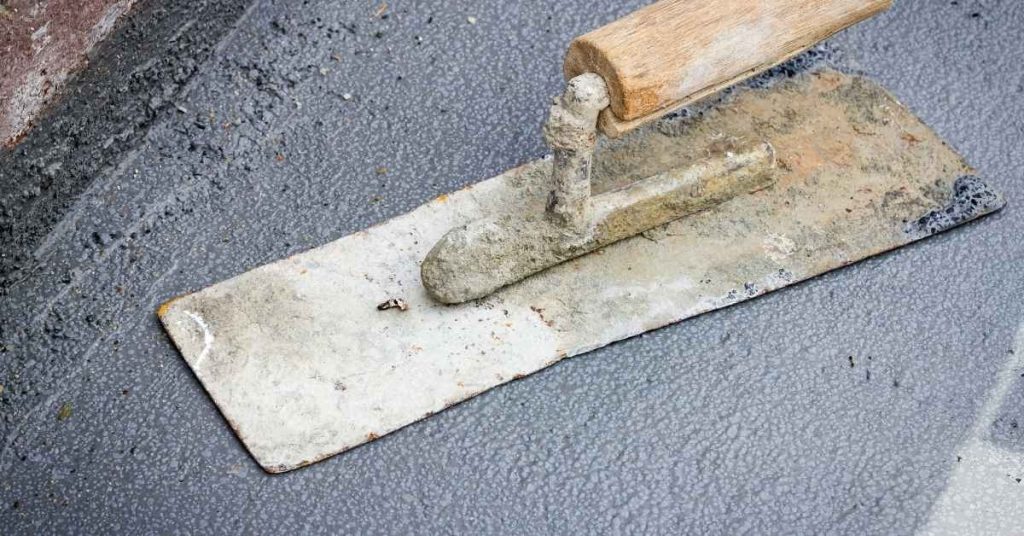
Metal float tool resting on gray parge coat surface

Parge Coat on Foundation Walls: Mix, Surface Prep, and Crack Control

Introduction A parge coat is a thin cement-like coating applied to foundation walls to seal, smooth, and protect them. This article walks you through the basics of mixing, prepping the surface, and controlling cracks so you can do it safely and effectively. You’ll tackle foundation wall prep, choosing a parging mix, and applying a thin,

Parge Coat on Foundation Walls: Mix, Surface Prep, and Crack Control Read More »

Concrete screeding tool smoothing wet concrete surface

Concrete Sand: Mason Sand vs Concrete Sand vs Play Sand (What Actually Works)

Introduction Concrete sand is the coarse, well-graded sand used in concrete mixes and as bedding material. Mason sand, concrete sand, and play sand differ mainly in texture, particle size, and how they compact. Knowing which to use depends on the job and what the sand needs to do in the mix or base. Mason sand

Concrete Sand: Mason Sand vs Concrete Sand vs Play Sand (What Actually Works) Read More »

Worker applying plaster over blue fiberglass mesh on wall

Fiberglass Mesh vs Metal Lath: Choosing Reinforcement for Thin Cement Coats

Introduction Fiberglass mesh and metal lath are both used to reinforce thin cement coats. Fiberglass mesh is lightweight and easy to handle, while metal lath provides more rigid support for tougher jobs. Check manufacturer instructions and local rules to confirm suitability for your project, and look for guidance on compatible mixes and application methods. For

Fiberglass Mesh vs Metal Lath: Choosing Reinforcement for Thin Cement Coats Read More »

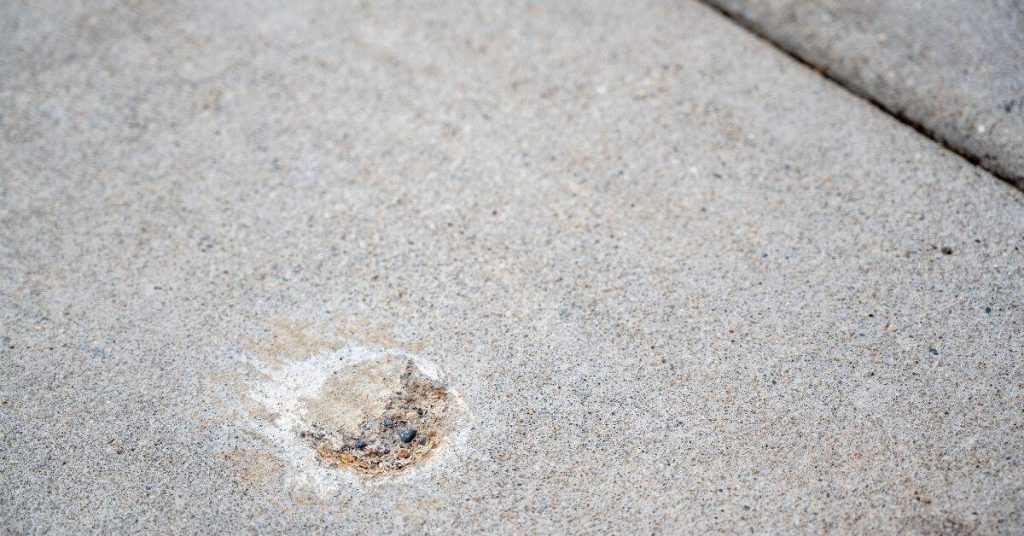
Close-up of damaged concrete surface with small pit

Alkali–Carbonate Reaction: How It Differs from ASR and What to Watch For

Introduction Alkali–carbonate reaction is a chemical reaction in concrete that happens when alkalis in cement react with carbonate rock in the aggregate. It can cause slow cracking and changes in stiffness over time. This article explains what to watch for and how you might address it in a DIY setting. ACR differs from ASR in

Alkali–Carbonate Reaction: How It Differs from ASR and What to Watch For Read More »

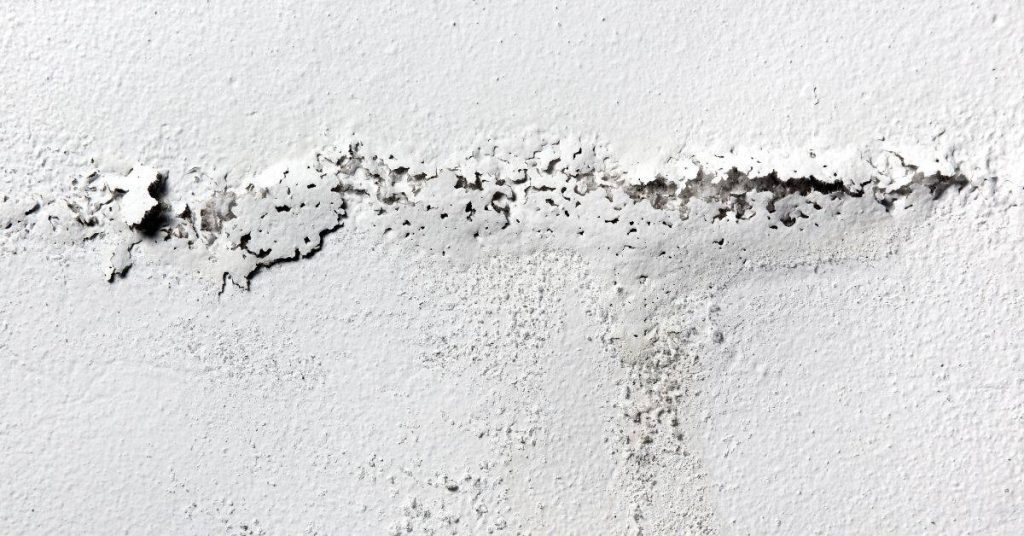
Concrete wall with peeling and damaged white paint surface

Crystalline Waterproofing for Concrete: How It Works and Where It Fails

Introduction Crystalline waterproofing is a treatment that makes concrete itself less permeable by filling its pores with crystalline compounds. It is typically applied or incorporated during construction, so the concrete blocks water intrusion rather than just coating it. This approach aims to create internal barriers that work as the concrete hydrates and cures. The mechanism

Crystalline Waterproofing for Concrete: How It Works and Where It Fails Read More »

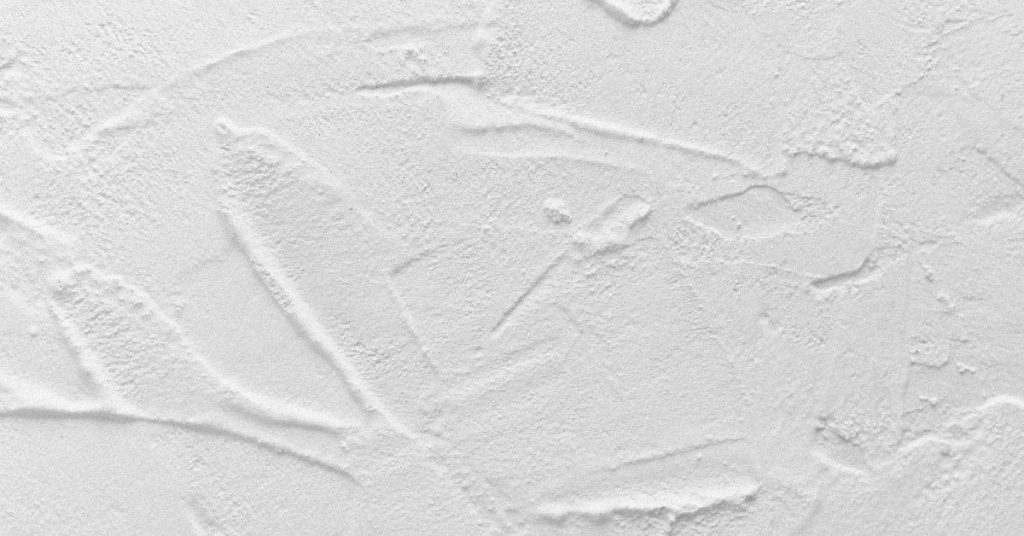
close up of white textured plaster finish surface

Repairing EIFS Impact Damage: Base Coat Build, Mesh, and Finish Matching

Introduction Repairing EIFS impact damage means rebuilding the base coat, reapplying the reinforcing mesh, and matching the textured finish so the patch looks and performs like the existing wall. This is a hands-on job that focuses on cleanup, solid bonding of the base coat, correct embedding of mesh, and careful texture and color matching. Check

Repairing EIFS Impact Damage: Base Coat Build, Mesh, and Finish Matching Read More »