Search Results for: stucco patch

Person applying plaster over blue mesh on wall

Reinforcing Plaster at Material Transitions Without Telegraphing

Introduction Reinforcement can reduce cracking and visible lines at a plaster transition, but it cannot make two moving or failing substrates behave as one. First identify the junction: a gypsum-board joint, masonry-to-gypsum transition, timber-to-masonry junction, or exterior cement-render detail. Then use the tape, mesh, lath, bead, or movement-joint detail specified for that assembly. To keep […]

Reinforcing Plaster at Material Transitions Without Telegraphing Read More »
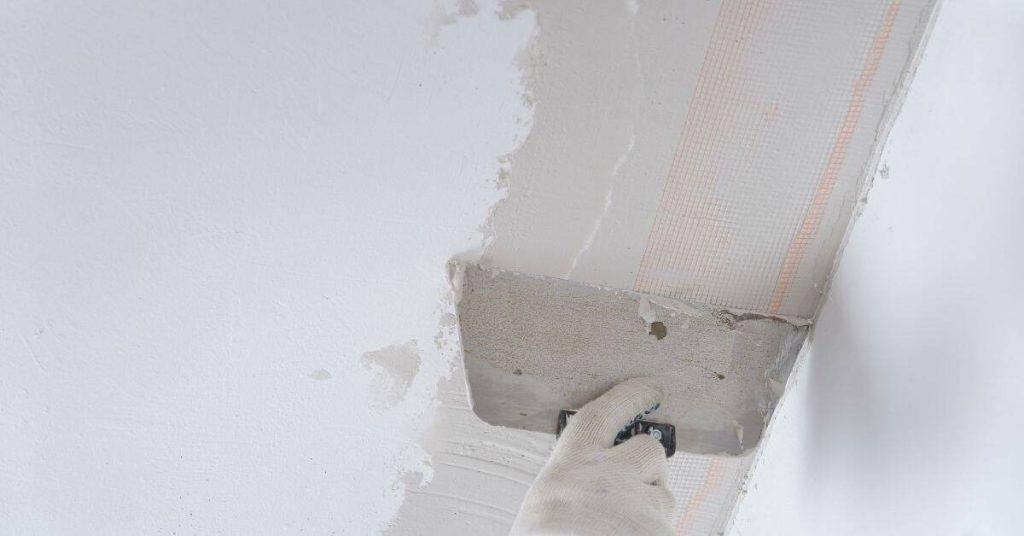
Worker applying plaster with trowel over cement board

Plaster Over Cement Board: Bonding Agents and Scratch Patterns That Hold

Introduction Plaster over cement board means using the right bond coat and a keyed scratch surface so the plaster mechanically and chemically adheres to the board. In plain jobsite terms: use a compatible bonding agent or cement-based scratch coat, make a consistent scratch pattern so the plaster keys, and follow product label instructions for mixing

Plaster Over Cement Board: Bonding Agents and Scratch Patterns That Hold Read More »

Worker smoothing plaster on wall with trowel

Gauging Plaster for Lime Work: Ratios, Set Control, and When to Skip It

Introduction Gauging plaster for lime work means mixing lime, sand, and any additives in the right proportions to control strength and set time so the plaster behaves predictably. Think of it like tuning a recipe: adjust the lime-to-sand ratio and set retarders or accelerators to match your wall, weather, and skill level; check product labels

Gauging Plaster for Lime Work: Ratios, Set Control, and When to Skip It Read More »

Close-up of textured white gypsum plaster surface

Plaster Drying vs Curing: Why Waiting Longer Can Prevent Paint Failure

Introduction Plaster drying is the loss of surface moisture while curing is the chemical hardening process that gives plaster strength; both happen but on different timelines. In plain jobsite terms, the surface can look dry long before the gypsum or cement bond fully sets, so painting too soon risks adhesion problems. Check product labels and

Plaster Drying vs Curing: Why Waiting Longer Can Prevent Paint Failure Read More »

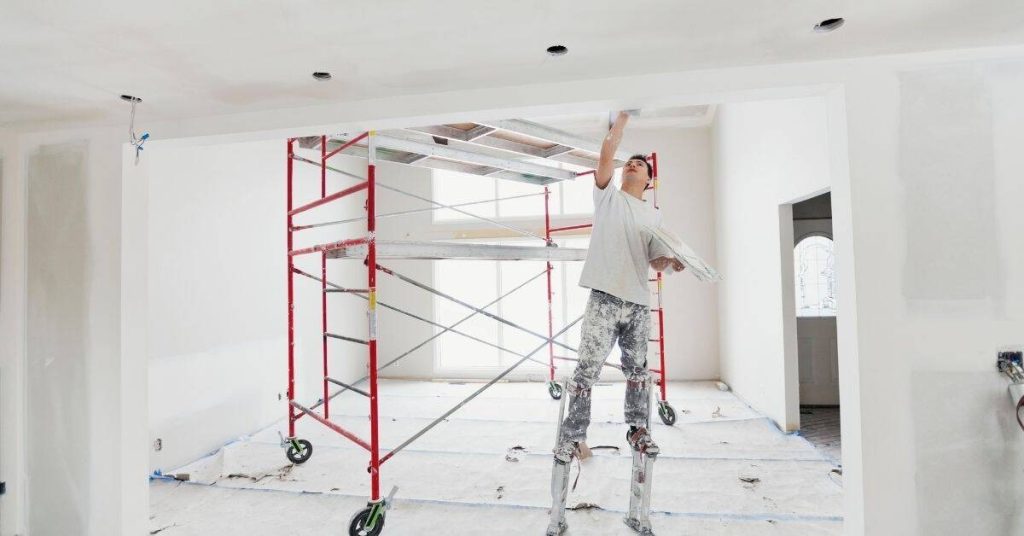
Worker applying plaster to ceiling with scaffolding nearby

Plaster Repairs Around Ceiling Light Boxes: Reinforcement That Stops Ring Cracks

Introduction Plaster repairs around ceiling light boxes are targeted fixes that reinforce the plaster and stop the circular “ring” cracks that form where fixtures meet the ceiling. This means cleaning the crack, adding a reliable backing or reinforcement around the box, and patching with an appropriate plaster or joint compound following the product directions. Treat

Plaster Repairs Around Ceiling Light Boxes: Reinforcement That Stops Ring Cracks Read More »

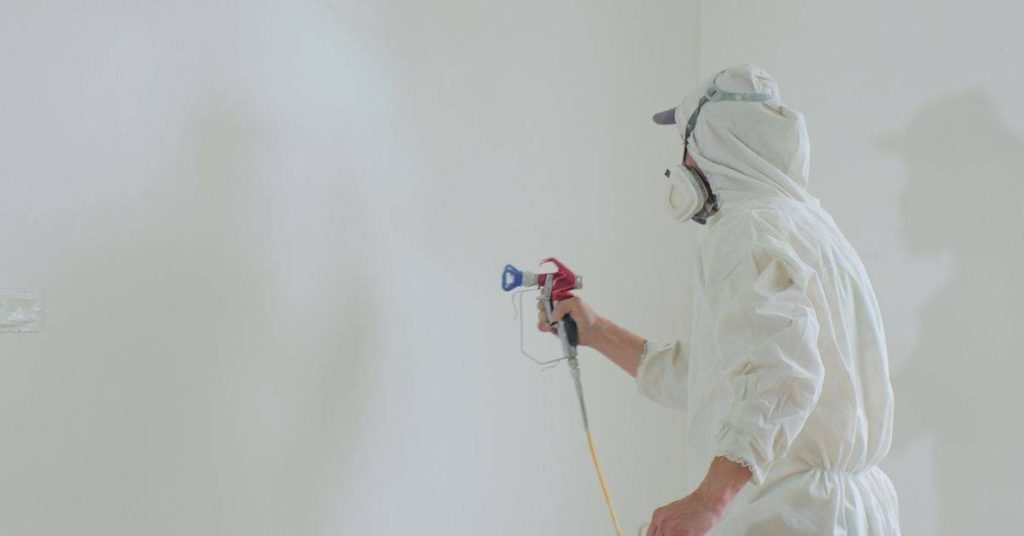
Worker spraying white paint on interior wall wearing protective suit

Back-Brushing and Back-Rolling After Spraying: When It Helps and When It Makes Things Worse

Introduction Back-brushing and back-rolling are hands-on techniques used after spray-applying coatings to work the material into the surface and even out coverage; in plain terms, back-brushing uses a brush and back-rolling uses a roller to finish what the sprayer started. They help when the surface texture, porosity, or overspray patterns need manual attention, but whether

Back-Brushing and Back-Rolling After Spraying: When It Helps and When It Makes Things Worse Read More »

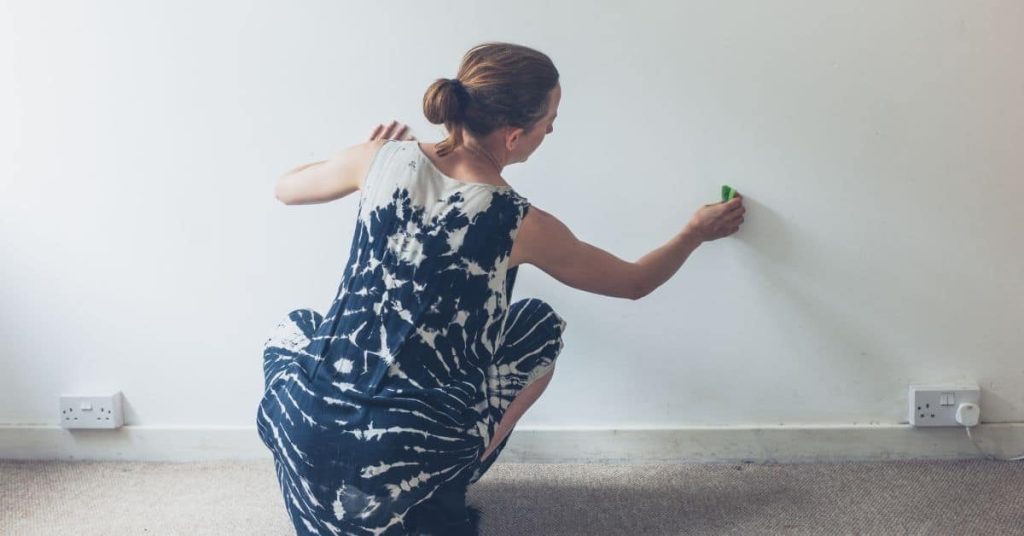
Woman scraping paint from white interior wall

Removing Paint From Masonry: Chemical Strippers vs Grinding and How to Avoid Scarring

Introduction Removing paint from masonry means choosing between chemicals that soften coatings and mechanical grinding that abrades them, and the right choice depends on the paint type, the masonry surface, and how careful you need to be to avoid damage. For a DIYer that often means weighing slower, gentler chemical strippers against faster, more aggressive

Removing Paint From Masonry: Chemical Strippers vs Grinding and How to Avoid Scarring Read More »

Hand rolling blue paint onto white wall with paint roller

Bathroom Paint Systems: When ‘Mildew-Resistant’ Paint Isn’t Enough

Introduction “Mildew-resistant” paint is a product label that means the coating resists surface mold under normal conditions, but it isn’t a full waterproofing or mold-removal system. In a bathroom that gets heavy steam or has leaks, the paint alone can fail; check product labels and manufacturer instructions to understand limits and recommended substrate prep. A

Bathroom Paint Systems: When ‘Mildew-Resistant’ Paint Isn’t Enough Read More »

Person holding paint roller with rust color near paint-splattered ladder

Clay Plaster Pigments: Color Mixing, Mottling Control & Testing – Timeline & Schedule

Introduction The timeline for working with clay plaster pigments can vary greatly depending on the size of your project and the complexity of your color scheme. Understanding how to manage your time effectively is crucial for a successful outcome. In this guide, we’ll break down the process into clear, time-based steps, helping you plan your

Clay Plaster Pigments: Color Mixing, Mottling Control & Testing – Timeline & Schedule Read More »