Search Results for: stucco patch

Hand holding yellow electric drill drilling masonry wall

Parapet Caps and Stucco: Top-Edge Details That Stop Water Entry

Introduction Parapet caps and top-edge detailing are practical, water-shedding features that keep rain from entering at the roof edge. They create a barrier and direct moisture away, so you don’t get leaks behind the stucco.Think of them as the crown that seals and protects the top of your parapet. Key takeaways Ensure parapet cap edges […]

Parapet Caps and Stucco: Top-Edge Details That Stop Water Entry Read More »

Hand spraying paint with air gun spray nozzle

Painting EIFS vs Traditional Stucco: Coating Differences DIYers Miss

Introduction EIFS is an exterior insulation and finish system, while traditional stucco is a cement-based finish applied directly to the substrate. In practice, that means different backing, different moisture paths, and different paint compatibility. The key is to check what your wall is built with and choose coatings that match that system’s expectations. As a

Painting EIFS vs Traditional Stucco: Coating Differences DIYers Miss Read More »

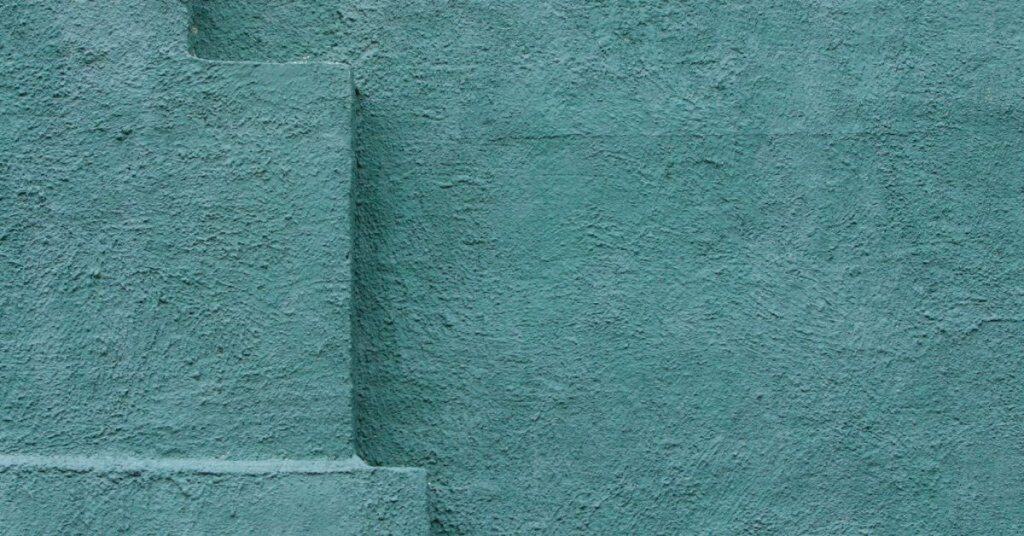
Close-up of blue stucco wall texture with raised sections

Fasteners Through Stucco: Sealing Strategies That Don’t Create Water Traps

Introduction Fasteners through stucco are methods for attaching items to a stucco surface while keeping water from getting trapped behind it. In practice, you need a seal that sheds water and a proper flashing path so moisture can’t linger. This article speaks in plain terms about choosing fasteners and sealants without creating hidden leaks. To

Fasteners Through Stucco: Sealing Strategies That Don’t Create Water Traps Read More »

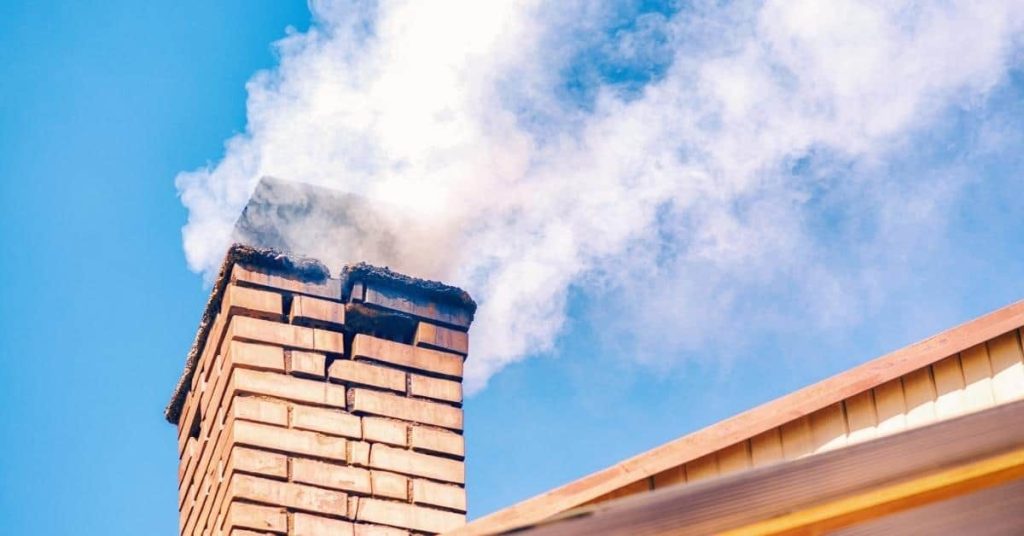
Brick chimney with smoke emitting against blue sky

Chimney Stucco Failures: Heat, Cracks, and Repair Choices

Introduction Chimney stucco failures are cracks and deterioration in the exterior plaster caused by heat exposure, moisture, and movement. These issues show up as hairline cracks, spalling, or texture changes that let water in. Addressing them early keeps water out and protects the brick or block behind the finish. To start, inspect for cracks that

Chimney Stucco Failures: Heat, Cracks, and Repair Choices Read More »

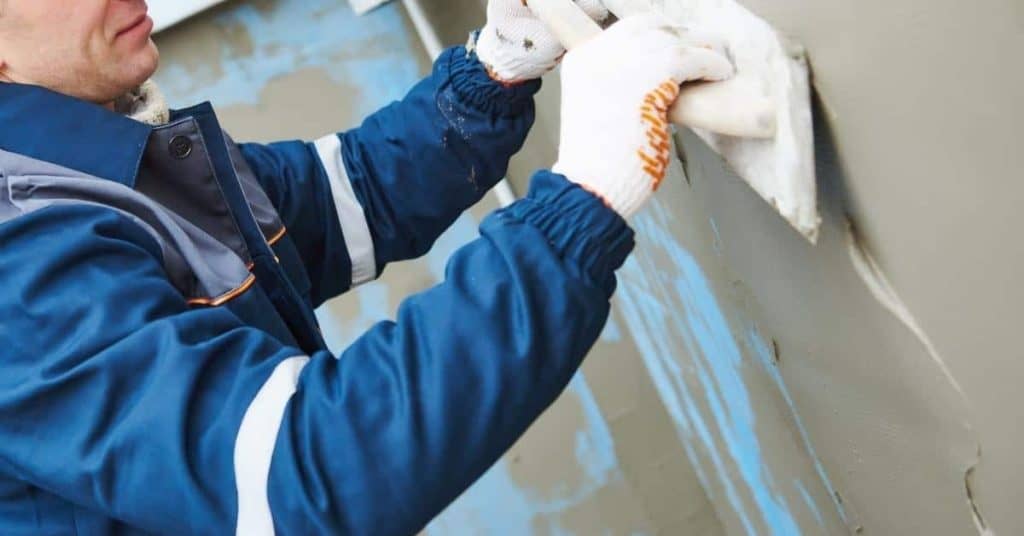
Man patching interior wall with plaster using putty knife

Lime Plaster Compatibility Rules: Patching Old Walls Without Future Failure

Introduction Lime plaster compatibility means using a mix that can bond to existing walls without trapping moisture. It requires considering the old wall material and ensuring the new plaster can move with it. Always check the wall for moisture or stability before patching. To patch, clean and roughen the surface, then apply a lime-based plaster

Lime Plaster Compatibility Rules: Patching Old Walls Without Future Failure Read More »

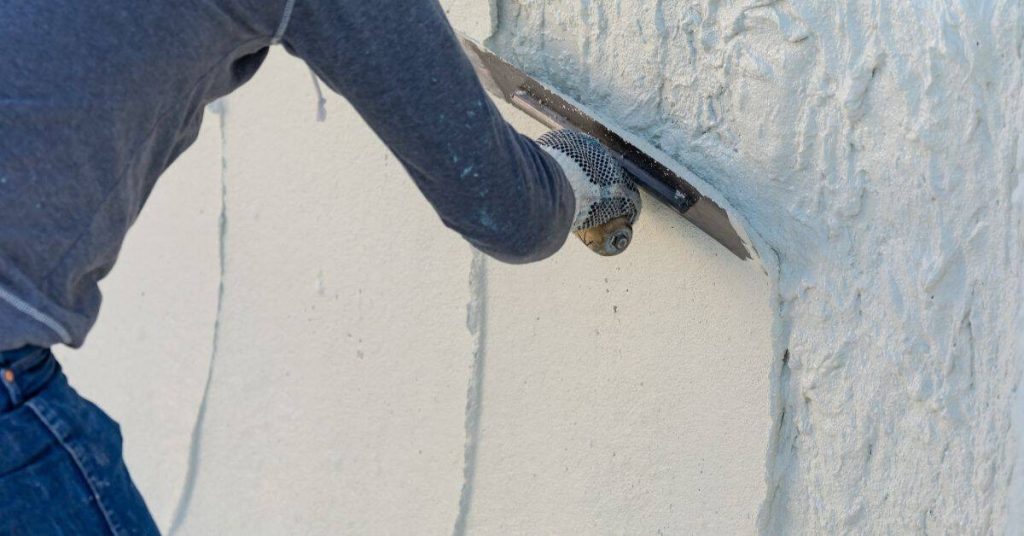
Person smoothing wet stucco on wall with trowel

Decorating Stucco Siding: Safe Ways to Hang, Mount, and Upgrade

Introduction Decorating stucco siding means safely hanging, mounting, and upgrading items on stucco surfaces. This article shares practical methods and the checks you should make before you start. Stucco is a exterior finish that requires the right fasteners and proper installation. From stucco screws and anchors to hot-melt glue and adhesive strips or hooks, we’ll

Decorating Stucco Siding: Safe Ways to Hang, Mount, and Upgrade Read More »

Close-up of textured beige stucco wall surface

Surfactant Damage on Stucco Coatings: What to Check Before You Repaint

Introduction Surfactant damage on stucco coatings happens when cleaners leave residues that affect adhesion and finish. In plain terms, you might see streaks, halos, or softness where the coating meets the wall. Before repainting, check for residue depth, film buildup, and any moisture issues that could be aggravated by detergents. Then do a simple test

Surfactant Damage on Stucco Coatings: What to Check Before You Repaint Read More »