Search Results for: stucco patch

Stucco wall with peeling revealing concrete underneath

Efflorescence on Stucco After Rain: What It Indicates and Gentle Removal Methods

Introduction Efflorescence is a white, powdery salt deposit that shows up on stucco after rain. It means moisture is moving through the wall and carrying soluble salts to the surface. This is common after wet weather and is not mold, though it points to moisture behind the veneer. To remove it gently, start with a […]

Efflorescence on Stucco After Rain: What It Indicates and Gentle Removal Methods Read More »
Hand holding a rusty trowel on a stucco surface

Diagnosing ‘Soft’ Stucco: Simple Probing Tests to Separate Surface Erosion From Lath Failure

Introduction Diagnosing soft stucco means using simple probing to tell if the issue is surface erosion or actual lath failure. This hands-on approach helps you identify trouble without tearing the whole wall apart. You’ll base any next steps on what the probe reveals about attachment and depth. Start with gentle, vertical and horizontal probing at

Diagnosing ‘Soft’ Stucco: Simple Probing Tests to Separate Surface Erosion From Lath Failure Read More »

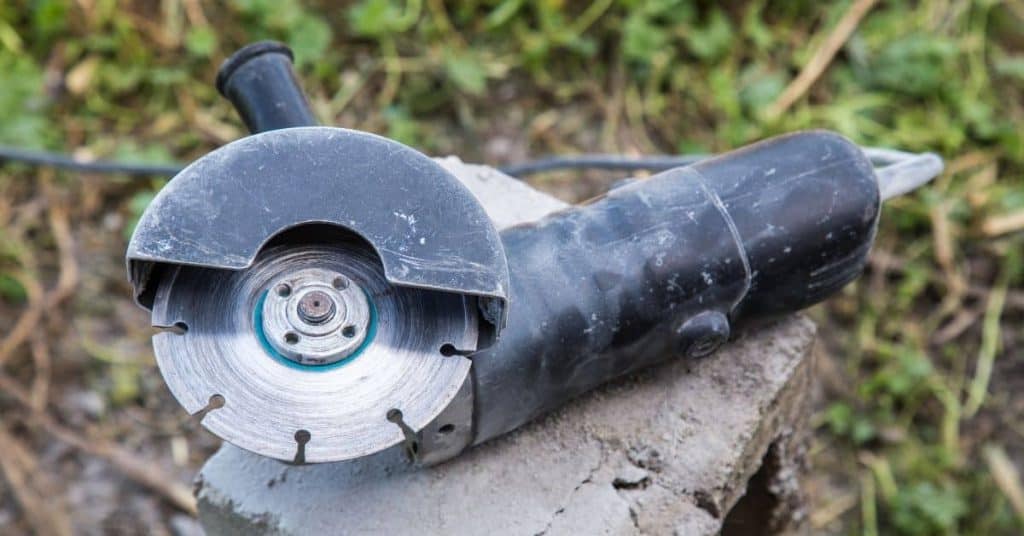
Angle grinder resting on concrete block outdoors

Repairing Stucco Behind Downspouts: Rebuilding the WRB and Getting the Termination Right

Introduction Repairing stucco behind downspouts means fixing the weather-resistant barrier and ensuring proper edge termination to prevent water intrusion. This is a hands-on DIY task that focuses on reestablishing a continuous moisture barrier and a clean transfer of water away from the wall. You’ll need to work behind the downspout area, where access and flashing

Repairing Stucco Behind Downspouts: Rebuilding the WRB and Getting the Termination Right Read More »

Wooden deck stairs attached to deck ledger and supporting posts

Stucco Meets Deck Ledger: A Water-Safe Detail for Existing Decks (No Rot Surprise)

Introduction This detail defines a water-safe method where stucco meets a deck ledger to keep moisture from seeping behind it. It’s a hands-on approach that seals the transition so rot is less likely. You’ll want to follow basic steps and check manufacturer or local guidance for any limits. Start by inspecting the ledger area for

Stucco Meets Deck Ledger: A Water-Safe Detail for Existing Decks (No Rot Surprise) Read More »

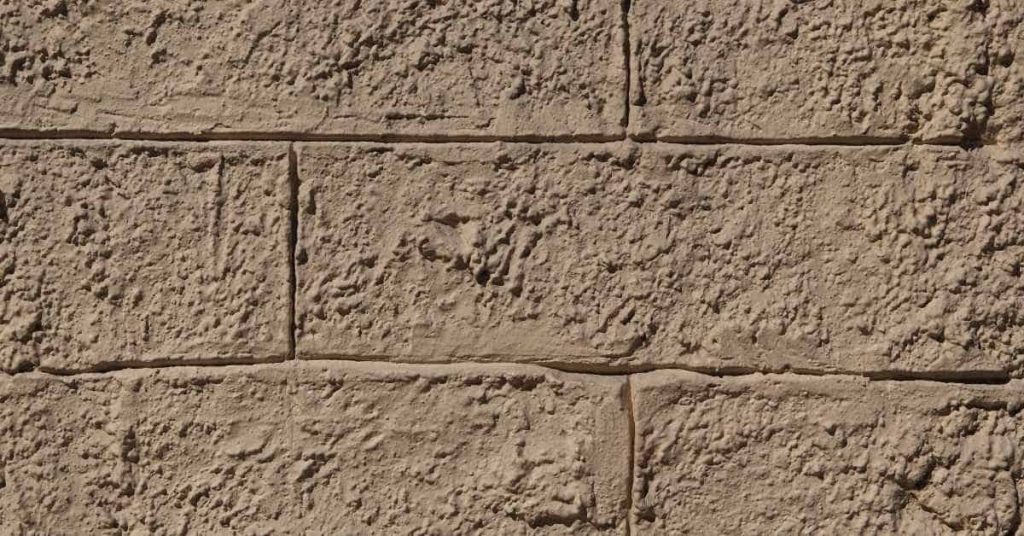
Close-up of textured stucco block wall

How to Stop Sprinkler Overspray From Destroying Stucco (Layout, Drip Lines, and Barriers)

Introduction Sprinkler overspray on stucco happens when sprinkler spray hits the wall instead of the yard, letting water soak into the stucco and fascia. Before making changes, observe a cycle to see where the spray lands and then plan adjustments to the layout and head spacing. Check manufacturer instructions or local rules for required clearances

How to Stop Sprinkler Overspray From Destroying Stucco (Layout, Drip Lines, and Barriers) Read More »

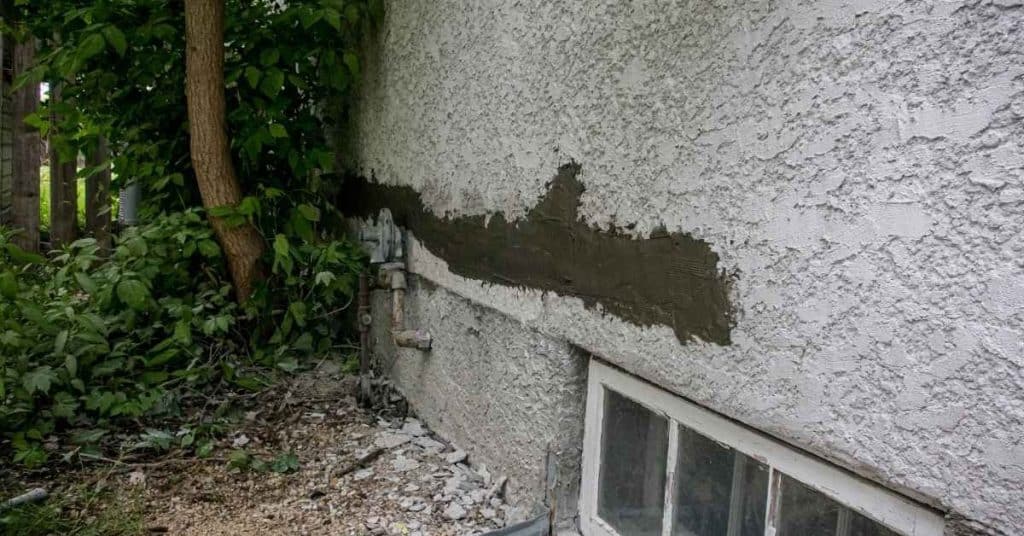
Exterior stucco wall with fresh dark patch above basement window

Stucco Too Close to Soil: When Regrading Is Enough and When the Wall Needs Repair

Introduction Stucco that meets soil should be corrected, but the least-invasive fix depends on what is behind the finish. If soil or mulch is simply covering an intact, open base termination, safely lowering and redirecting the grade may solve the contact problem without removing stucco. If the base is soft, cracked, hollow, wet, missing a

Stucco Too Close to Soil: When Regrading Is Enough and When the Wall Needs Repair Read More »

Black wooden double entry doors with glass panels and exterior wall lights

Backwrapping EIFS at Windows and Doors: What It Is and Why DIY Patches Fail Without It

Introduction Backwrapping EIFS at windows and doors means wrapping the exterior foam, weather barrier, and flashing around the rough opening to protect and seal it. It helps prevent water intrusion and wind-driven leaks where the openings meet the wall. DIY patches often fail when the edge around the opening isn’t wrapped and flashed properly. Without

Backwrapping EIFS at Windows and Doors: What It Is and Why DIY Patches Fail Without It Read More »

Worker spraying stucco onto concrete block wall

Stucco Drainage Mats Explained: When a ‘Rainscreen’ Layer Helps and How to Detail It

Introduction A rainscreen behind stucco is a ventilated gap that lets water drain and dry. This article explains when adding that layer helps and how to detail it for DIY projects. Check your local rules and product instructions for any specific gaps and materials. Set up a continuous, vented cavity behind the stucco using a

Stucco Drainage Mats Explained: When a ‘Rainscreen’ Layer Helps and How to Detail It Read More »

Damaged stucco wall with reinforcing mesh exposed

Repairing Stucco Around Dryer Vents: Flashing and Sealant Details That Drain

Introduction Flashing and sealant around dryer vents keep water from leaking into the wall. This intro covers how to inspect, clean, and prep the area before you patch. You’ll want to match what you use to your vent size and wall material, and follow local rules. Start by removing loose stucco and cleaning the vent

Repairing Stucco Around Dryer Vents: Flashing and Sealant Details That Drain Read More »

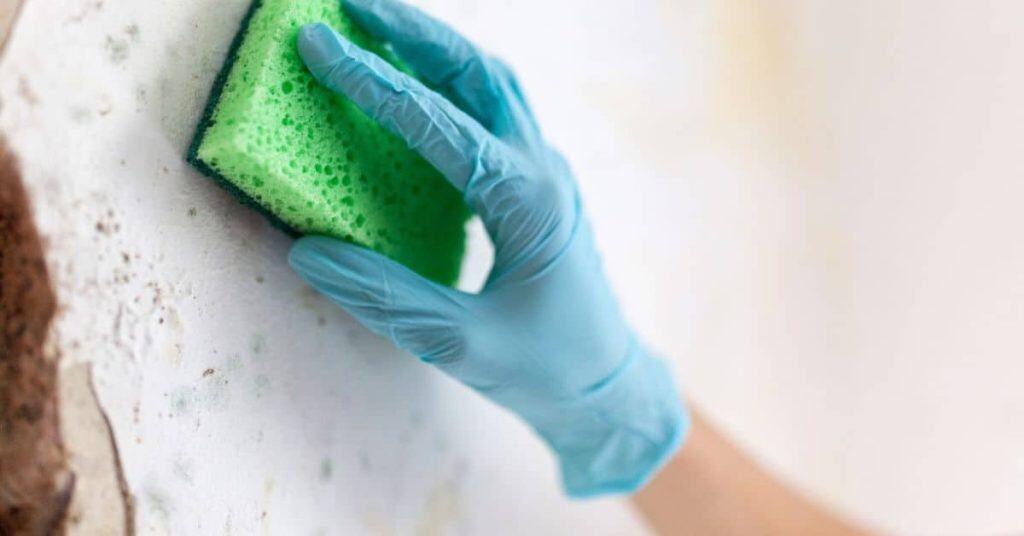
Hand wearing blue glove scrubbing stucco wall with green sponge

Repainting Old Stucco: Cleaning, Priming, and Coatings That Don’t Peel

Introduction Repainting old stucco means preparing the surface, then applying primer and coatings that resist peeling. It’s a hands-on process you can do in stages, not a one-shot job. Focus on cleanliness, a good seal, and choosing products labeled for stucco and exterior use. Start with a thorough cleaning, fix obvious cracks, and verify the

Repainting Old Stucco: Cleaning, Priming, and Coatings That Don’t Peel Read More »