Search Results for: stop and seal waterproofing

Hand wiping a smooth light gray wall with a cloth

Venetian Plaster in Bathrooms: Soap Scum, Cleaning, and Where It’s a Bad Idea

Introduction Venetian plaster in bathrooms is a polished, lime-based finish that can show soap scum and water marks if not cleaned with care. This article gives practical, hands-on tips for keeping the surface clean without risking damage. It also covers when it’s not a good idea to use harsh cleaners on this finish. White vinegar […]

Venetian Plaster in Bathrooms: Soap Scum, Cleaning, and Where It’s a Bad Idea Read More »
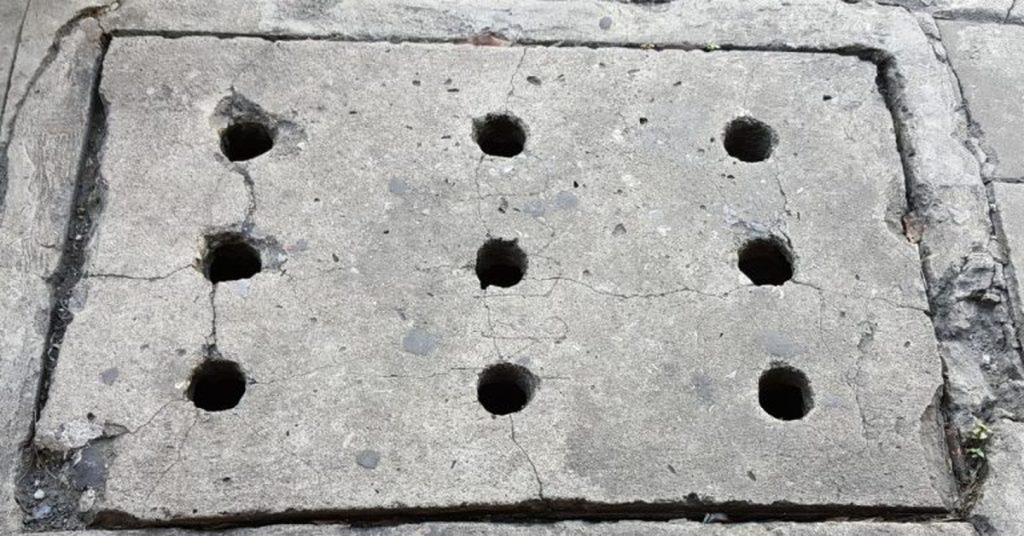
Concrete slab with nine drainage holes

Placing Concrete Against Waterproofing Membranes: Protection Boards, Punctures, and Drainage Mats

Introduction Placing concrete against waterproofing membranes means building up concrete right to the membrane while using protective layers to keep it intact. In this DIY friendly guide, we talk through protection boards, avoiding punctures, and how drainage mats help manage water pressure during a pour. Always check the product and tech literature for data sheets

Placing Concrete Against Waterproofing Membranes: Protection Boards, Punctures, and Drainage Mats Read More »

Worker applying stucco to exterior wall wearing gloves and jacket

Stucco at Electrical Meter Bases and Service Conduits: Flashing Blocks, Sealant Joints, and Water Management

Introduction Flashing blocks, sealant joints, and water management around electrical meter bases and service conduits keep moisture from penetrating the wall. This is a hands-on task that combines proper flashing, sealant application, and grading to shed water away from the entry points. Get the basics right before you pull stucco or sealant and check product

Stucco at Electrical Meter Bases and Service Conduits: Flashing Blocks, Sealant Joints, and Water Management Read More »

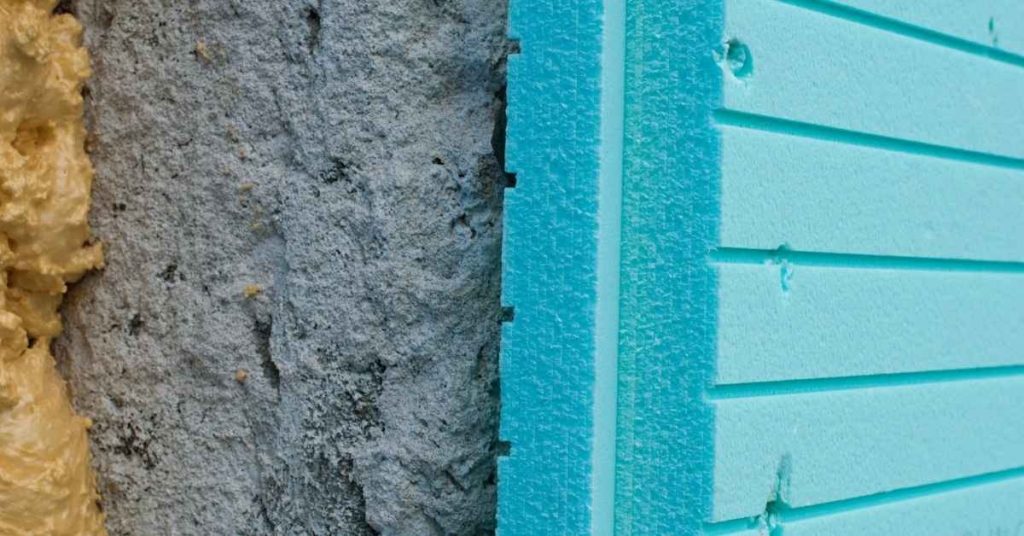
Close-up of blue foam insulation board and rough stucco surface

EIFS Below-Grade Terminations: Why Foam Near Soil Fails and Safer Transition Details

Introduction EIFS below-grade terminations are where the exterior foam and finish system meet the soil and must be protected from moisture. In practice, foam right at the soil line tends to fail when moisture wicks in or freeze-thaw cycles push against it. Check the product label and local building guidelines for approved details, and adapt

EIFS Below-Grade Terminations: Why Foam Near Soil Fails and Safer Transition Details Read More »

Slate roof with metal flashing under golden sky

Window Head Flashing Behind Stucco: Drip Caps, End Dams, and How to Stop Head Leaks

Introduction Window head flashing behind stucco is a weatherproofing detail that directs water at the top of the window away from the opening. It often relies on drip caps, end dams, and proper sealing to shed water behind the stucco rather than into the wall. When you’re working, look for gaps, torn flashing, or loose

Window Head Flashing Behind Stucco: Drip Caps, End Dams, and How to Stop Head Leaks Read More »

Close-up of textured pink stucco wall surface

Stucco Around Mini-Split Line Sets and Condensate Drains: Sleeves, Drip Loops, and Sealants

Introduction Stucco around mini-split line sets and condensate drains is the exterior finish that encases the lines and keeps moisture out. The job is about creating sleeves, drip loops, and proper seals so the system looks integrated and sheds water. Do this carefully so you don’t trap condensation or create paths for leaks. Plan sleeve

Stucco Around Mini-Split Line Sets and Condensate Drains: Sleeves, Drip Loops, and Sealants Read More »

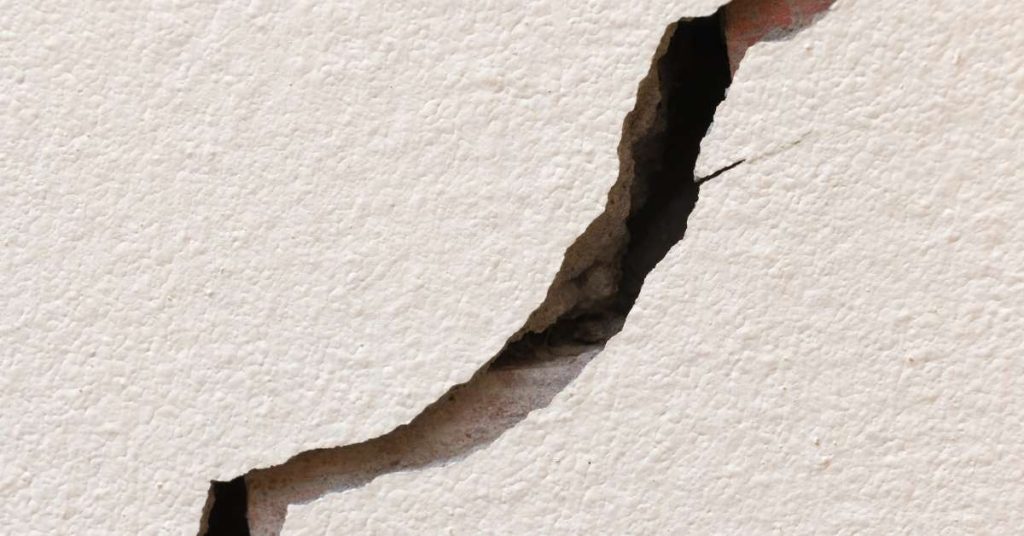
Close-up of a large crack in a stucco wall

Stucco Soffits and Overhangs: Crack Control at Framing Transitions and Vent Cutouts

Introduction Stucco soffits and overhangs are the sheltered edges under the roof where it meets the wall, and cracking happens where framing moves or openings exist. This article walks you through noticing those cracks early and keeping moisture out. You’ll learn simple, hands-on checks you can perform during a DIY project and what to fix

Stucco Soffits and Overhangs: Crack Control at Framing Transitions and Vent Cutouts Read More »

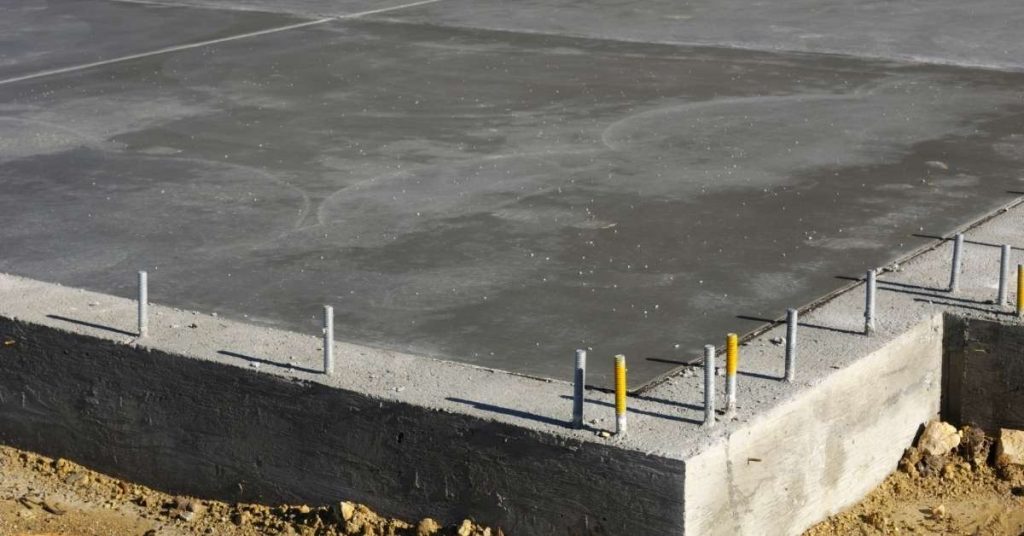
Concrete slab foundation with metal anchor bolts embedded

Preventing Cracks Around Slab Penetrations: Pipe Sleeves, Bond Breakers, and Joint Layout

Introduction Cracks around slab penetrations happen when the concrete around pipes or openings isn’t managed during pour. Key takeaways Use pipe sleeves fully encased in concrete, with proper clearance for movement. Apply bond breakers on form faces and sleeves to minimize three-sided adhesion. Plan joint layout early to align joints with penetrations and expected movement.

Preventing Cracks Around Slab Penetrations: Pipe Sleeves, Bond Breakers, and Joint Layout Read More »

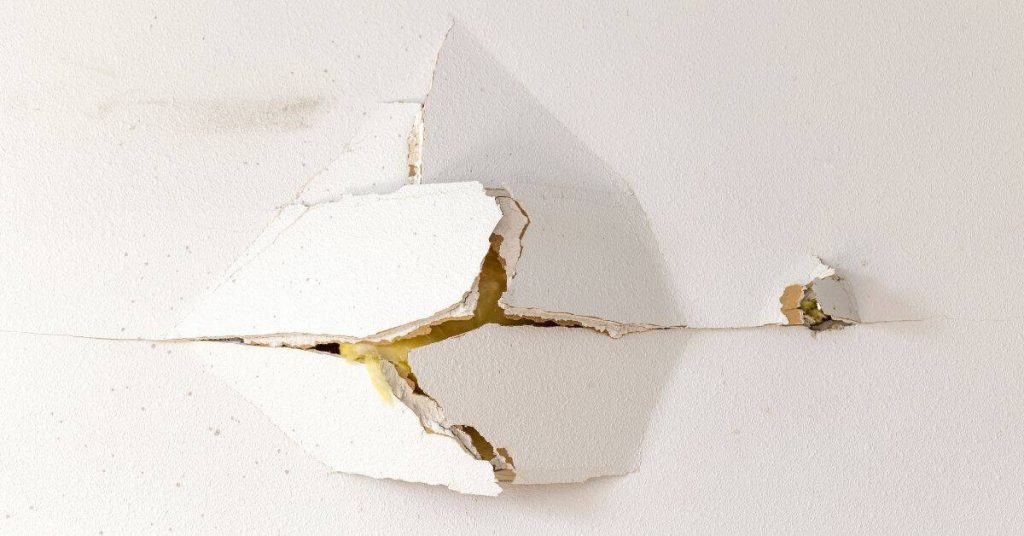
Closeup of cracked and peeling plaster on white wall

How to Repair a Failed Patch That Sounds Hollow: Cutback Rules and Reattachment Options

Introduction A failed patch that sounds hollow is a plaster area with voids that likely needs back-cutting and reattachment. In plain terms, you’ll check why it came loose and decide whether to trim the patch back or start fresh. This is a real-world, DIY job you can handle with basic tools and a patient approach.

How to Repair a Failed Patch That Sounds Hollow: Cutback Rules and Reattachment Options Read More »

Various hand tools on wooden floor near wall with water damage

Cure-and-Seal Failures: Stripping Without Damage and Choosing a System That Truly Bonds

Introduction Cure-and-seal failures occur when a sealant or coating loses adhesion to the substrate, causing peeling, cracking, or bubbling. Common signs include edge lifting, staining, or gaps where the material no longer grips. Before you start stripping, check the current system’s compatibility and any manufacturer guidance for substrate prep and safety. To strip without damage,

Cure-and-Seal Failures: Stripping Without Damage and Choosing a System That Truly Bonds Read More »