Search Results for: stop and seal waterproofing

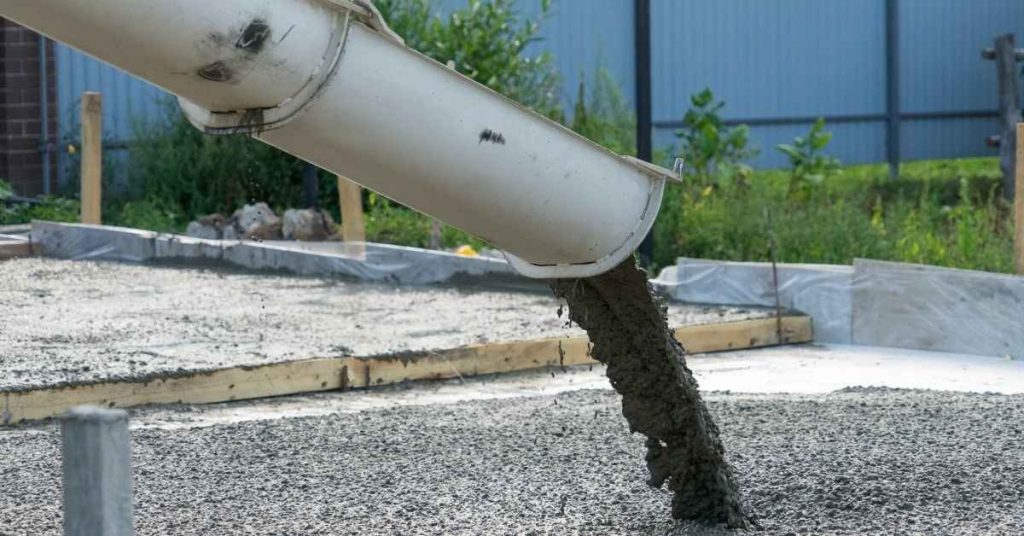
Concrete pouring from chute onto prepared slab foundation

Concrete Conduit Stubs: Sleeves, Depth, and Keeping Everything Plumb During the Pour

Introduction Concrete conduit stubs are short sections of conduit that extend into a slab or wall through sleeves to keep electrical wiring protected and aligned. Sleeves guide the conduit through the concrete and help maintain a clean finish. This introduction covers how to plan for burial, sleeves, and keeping things plumb as you pour. When […]

Concrete Conduit Stubs: Sleeves, Depth, and Keeping Everything Plumb During the Pour Read More »

curved brick paver pathway with stone wall and landscaping

Brick Paver Edging That Won’t Spread: Restraints, Bedding, and Joint Choices

Introduction Edging that won’t spread is a border for brick paver layouts that stays in place and keeps the line looking sharp. Getting it right means using sturdy restraints, a solid bedding layer, and properly selected joints. Always check the product label and local rules for any installation limits that apply to your area. Choose

Brick Paver Edging That Won’t Spread: Restraints, Bedding, and Joint Choices Read More »

Red brick house exterior with white trim and black front door

Preventing Efflorescence on New Brick: Water Sources, Curing, and Best Practices

Introduction Efflorescence on new brick is the chalky salt bloom that appears when water moves soluble minerals to the surface. Water sources and timing of curing drive whether the surface shows that bloom. In practice, keep moisture low during cure and protect fresh brick from excessive rain or splash, then allow it to dry out

Preventing Efflorescence on New Brick: Water Sources, Curing, and Best Practices Read More »

Hands marking a wall using a stud finder and pencil

Kickout Flashing Retrofits Behind Stucco: Safe Cutbacks and Correct Lap Order

Introduction Kickout flashing is the metal flange that directs water away from the stucco at a wall opening, helping water not to get behind the siding. This article covers safe cutbacks and how to keep the lap order correct when retrofitting behind existing stucco. If in doubt, check the product label and local rules for

Kickout Flashing Retrofits Behind Stucco: Safe Cutbacks and Correct Lap Order Read More »

Concrete beam skeleton frame under clear blue sky

Stopping Leaks at Concrete Cold Joints: Injection Options and Negative-Side Coatings

Introduction A concrete cold joint is a seam that forms when pours stop and then resume, creating a potential weak point where water can seep through. Leaks at these joints happen when the joint isn’t bonded or sealed well enough, especially under pressure or through capillary paths. For a DIY approach, this article covers practical

Stopping Leaks at Concrete Cold Joints: Injection Options and Negative-Side Coatings Read More »

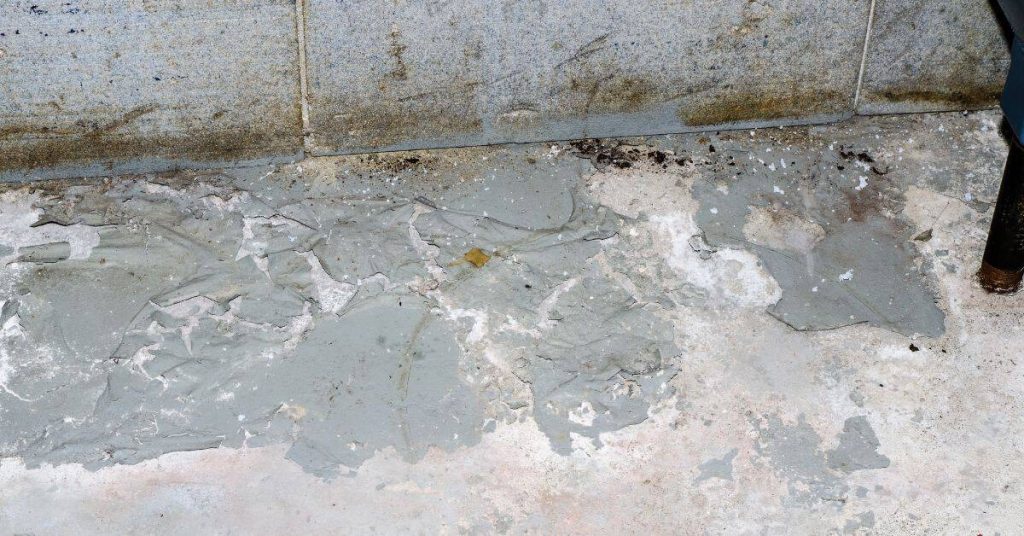
Peeling gray coating on damaged concrete surface

Waterproofing a Concrete Birdbath: Liners vs Coatings and How to Prevent Peeling

Introduction Waterproofing a concrete birdbath involves choosing between liners or coatings to prevent water from penetrating the concrete. This guide focuses on practical, hands-on basics to help you decide what to use and why. This choice affects durability, ease of repair, and how you plan to fill and maintain the basin, so compare options like

Waterproofing a Concrete Birdbath: Liners vs Coatings and How to Prevent Peeling Read More »

Person applying white plaster on wall with trowel

White Haze on New Brickwork: Efflorescence vs Lime Run vs Mortar Wash (and what to do)

Introduction White haze on new brickwork is usually caused by moisture pulling salts to the surface, which can show up as efflorescence, lime run, or mortar wash. These issues look similar, so you’ll want to observe when it appeared and how the surface feels. Check if the haze is on all bricks or just near

White Haze on New Brickwork: Efflorescence vs Lime Run vs Mortar Wash (and what to do) Read More »

Decorative plaster corbel on brick wall under sill

Adding a Drip Groove Under Brick Sills: Cutting, Sealing, and Stopping Stains

Introduction A drip groove under brick sills is a small channel cut into the sill edge or underside to guide water away from the wall. Cutting it helps prevent standing water and staining, while proper sealing keeps materials from wicking moisture. It’s a practical DIY step that reduces moisture problems behind brick. To do it,

Adding a Drip Groove Under Brick Sills: Cutting, Sealing, and Stopping Stains Read More »

Hand holding blue caulking gun near white ceiling corner

Stucco-to-Window Caulk Lines: Where to Seal and Where to Leave Drainage

Introduction Caulking between stucco and window frames should be sealed where moisture can enter and left unblocked where drainage is needed. This article keeps it simple for DIYers: look for gaps, cracks, and misfitting edges and decide what to seal. Use the right sealant and apply cleanly, then check drainage paths. Identify gaps around windows

Stucco-to-Window Caulk Lines: Where to Seal and Where to Leave Drainage Read More »