Search Results for: silica dust

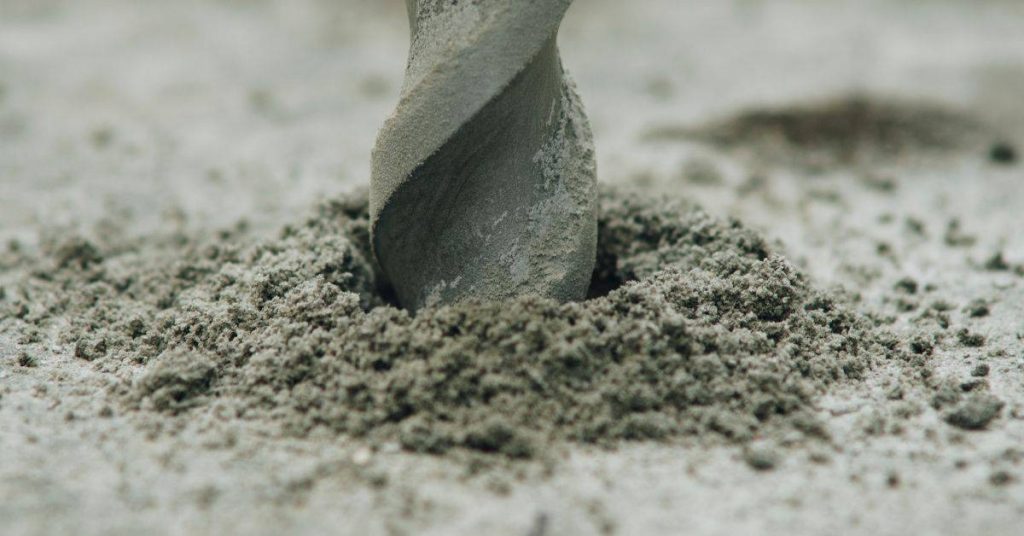
Close-up of a drill bit drilling into concrete with dust

Anchor Bolts in Concrete That Landed Wrong: Drill-and-Epoxy Fixes and Layout Prevention

Introduction If an anchor bolt landed wrong in concrete, drilling and epoxy can correct the install and restore holding strength. This hands-on guide walks through practical steps for re-anchoring and preventing misalignment when you’re handling pallet racks. You’ll learn how to evaluate the situation, choose a repair approach, and proceed safely on site. focus> Key […]

Anchor Bolts in Concrete That Landed Wrong: Drill-and-Epoxy Fixes and Layout Prevention Read More »

earmuffs safety glasses and work gloves on white background

Bonding to old work: scarify vs grind vs acid (and why acid often disappoints)

Introduction Scarify, grind, or acid etch are methods to roughen old concrete to improve bonding for new toppings. Scarifying uses a rotating drum or blade to chip away the surface and create a rough profile, while grinding removes material with a diamond blade to level the surface. Acid etching chemically bites into the surface but

Bonding to old work: scarify vs grind vs acid (and why acid often disappoints) Read More »

Close-up of blue textured stucco wall surface

Repairing Stucco Behind Hose Reels and Brackets: Keeping the WRB Intact

Introduction Repairing stucco behind hose reels and brackets means fixing cracks and damage without compromising the wall and its weather barrier. Keep the WRB intact by protecting it while you remove hardware and apply patches. Use appropriate repair materials that match the stucco type and follow label directions, and avoid overloading or trapping moisture. If

Repairing Stucco Behind Hose Reels and Brackets: Keeping the WRB Intact Read More »

Hands marking a wall using a stud finder and pencil

Kickout Flashing Retrofits Behind Stucco: Safe Cutbacks and Correct Lap Order

Introduction Kickout flashing is the metal flange that directs water away from the stucco at a wall opening, helping water not to get behind the siding. This article covers safe cutbacks and how to keep the lap order correct when retrofitting behind existing stucco. If in doubt, check the product label and local rules for

Kickout Flashing Retrofits Behind Stucco: Safe Cutbacks and Correct Lap Order Read More »

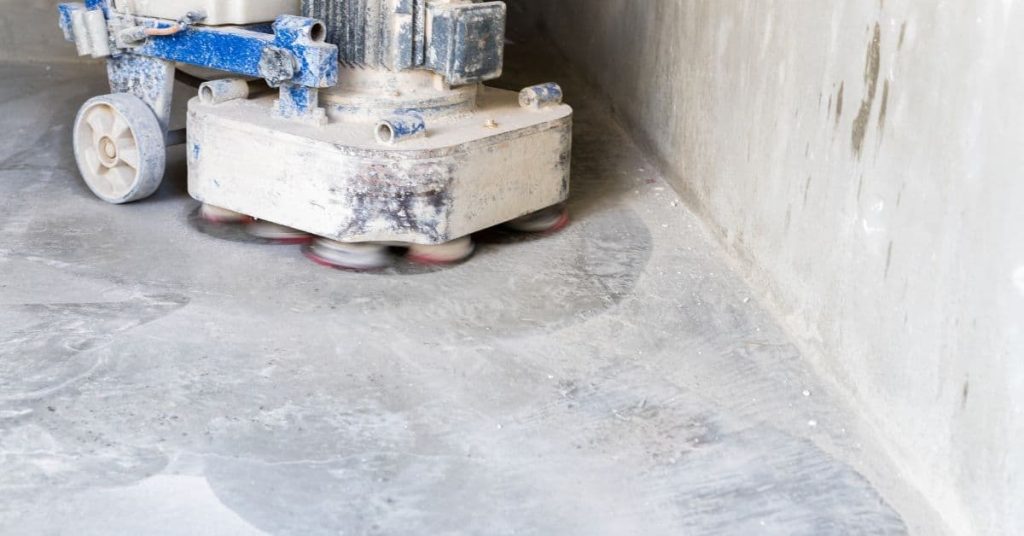
Close-up of floor grinding machine smoothing concrete floor

Tarp Lines on Concrete After Curing: Cleaning vs Light Grinding vs Patience

Introduction Tarp lines on concrete after curing are the visible creases or texture lines where a tarp overlapped during the curing process. They show up as different shading or ridges on the surface. You can address them by cleaning, light grinding, or letting time and use soften or blend them in. Start with a simple

Tarp Lines on Concrete After Curing: Cleaning vs Light Grinding vs Patience Read More »

unfinished concrete block building under clear sky

Foundation Parging Over Concrete Block: Durability, Breathability, and Grade Detailing

Introduction Foundation parging over concrete block is the thin coating that seals and smooths the surface while letting moisture breathe. It’s a DIY-friendly job, but it needs clean blocks, good adhesion, and careful edge detailing. Plan your surface prep, mix consistency, and control of joints before you start. Durability comes from proper prep, correct application,

Foundation Parging Over Concrete Block: Durability, Breathability, and Grade Detailing Read More »

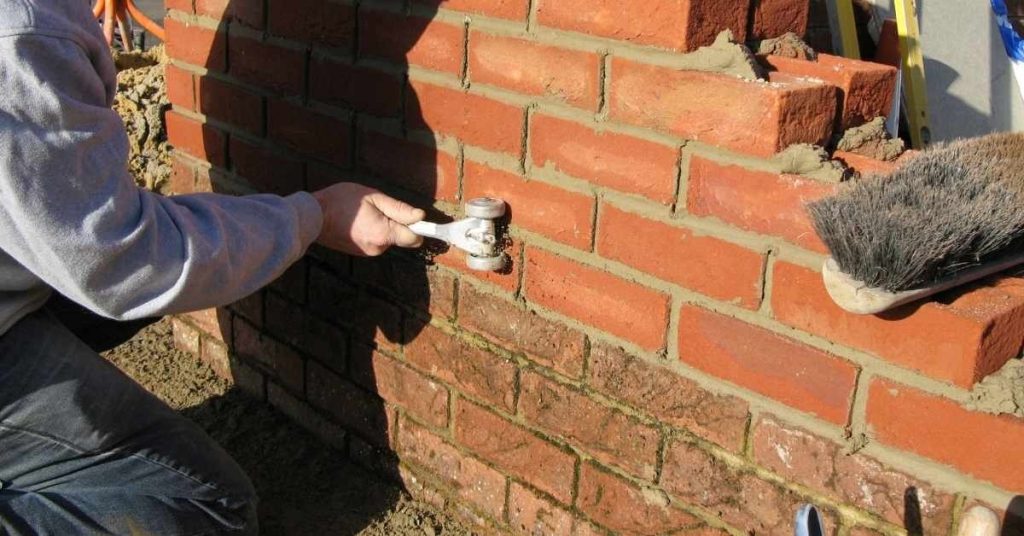
Person using joint roller on brick wall mortar joints

Brick Tuckpointing for DIY: Joint Prep, Tooling, and Curing Basics

Introduction Brick tuckpointing is the process of repairing mortar joints to restore strength and appearance. This article gives a practical, hands-on approach you can use at home. You’ll learn basic prep, tooling, and curing ideas without fancy jargon. Begin with a close inspection of the joints and determine whether you need to rake out damaged

Brick Tuckpointing for DIY: Joint Prep, Tooling, and Curing Basics Read More »

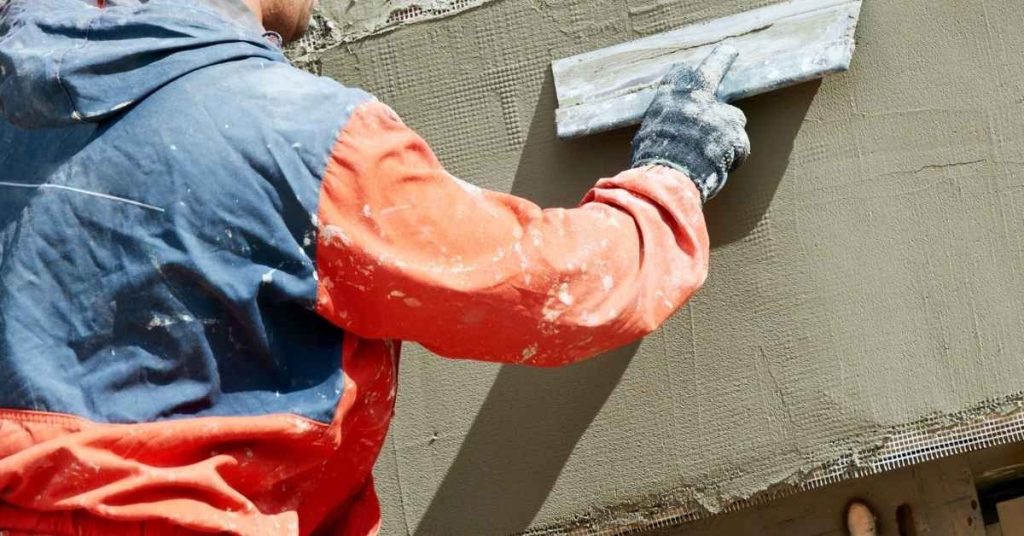
Person applying stucco to wall with trowel

Stucco Window Sills Done Right: Slope, End Dams, and Rot Prevention

Introduction This is about making stucco window sills that shed water properly and resist rot. You’ll focus on the right slope, install end dams, and plan for long-lasting rot prevention. Tackle it like a practical DIY project with common tools and careful flashing. Choose materials and details that stand up to moisture, and verify with

Stucco Window Sills Done Right: Slope, End Dams, and Rot Prevention Read More »

Concrete building columns and ceiling beams under blue sky

Deck Stair Footings in Concrete: Getting Below Frost Without Over-Digging

Introduction Deck stair footings are concrete supports placed below the frost line to keep stairs from heaving. This article explains how to do that without digging more than necessary. Check your local code and manufacturers for the exact depths and mix. Understanding frost depth, footing size, and concrete choices matters for a solid, long-lasting set.

Deck Stair Footings in Concrete: Getting Below Frost Without Over-Digging Read More »