Search Results for: shot blasting

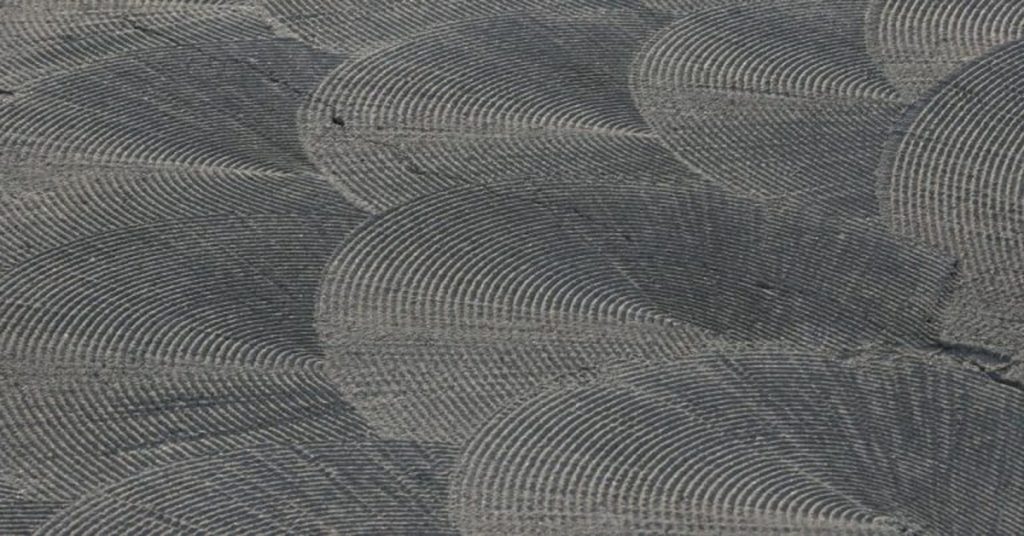
Gray concrete slabs with visible cracks

Microtopping Over Old Concrete: Prevent Ghost Cracks, Delamination, and Edge Failures

Introduction Microtopping over old concrete is a thin, decorative concrete top layer that can refresh a worn floor. This article explains how to prepare, mix, and apply it to minimize ghost cracks, delamination, and edge failures. You’ll get a practical, hands-on approach that stays away from textbook theory. Before you start, inspect the surface for

Microtopping Over Old Concrete: Prevent Ghost Cracks, Delamination, and Edge Failures Read More »

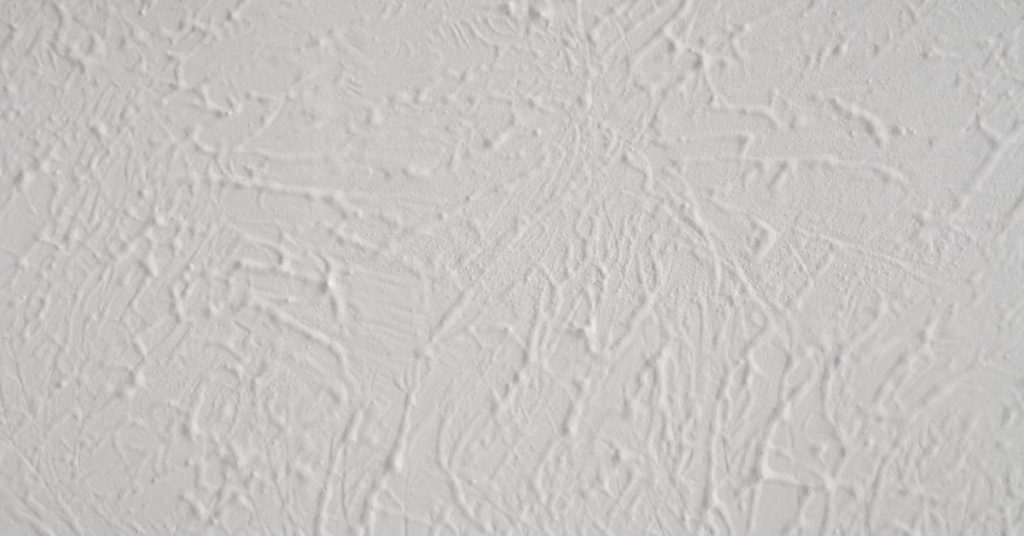
Close-up of textured white plaster wall finish

Plaster Feather Edges That Don’t Flake: Keying, Wetting, and Finish Timing

Introduction Plaster feather edges that don’t flake are thin finish edges keyed and bonded to the existing surface, wetted and timed correctly so the new plaster grabs without lifting. Check whether the area needs repair by tapping or scraping loose material and by checking for movement; if substrate is dusty, crumbling, or contaminated you must

Plaster Feather Edges That Don’t Flake: Keying, Wetting, and Finish Timing Read More »

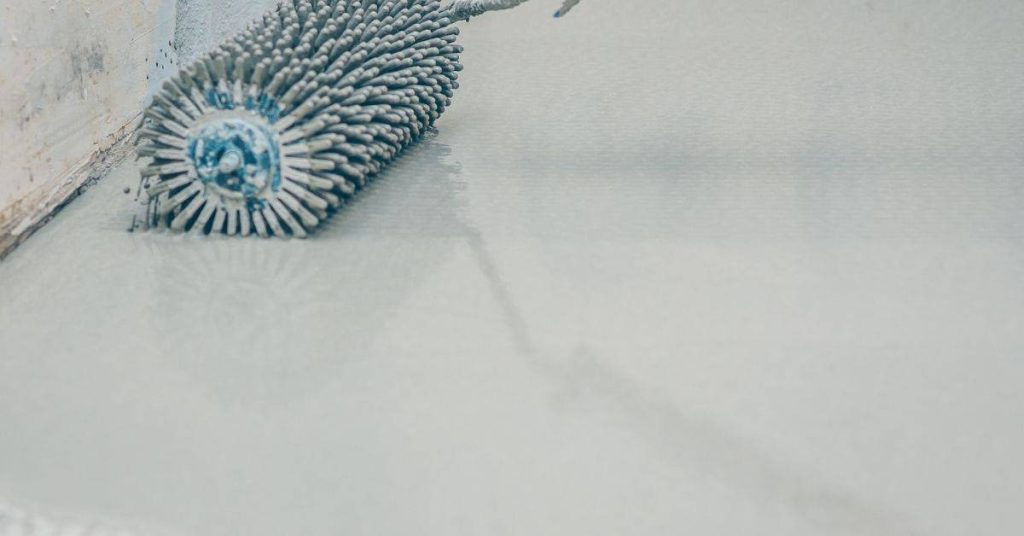
Spiked roller tool on wet floor coating surface

Polyaspartic Floor Coatings for DIY: Working Time, Odor, and Surface Prep Requirements

Introduction Polyaspartic floor coatings are fast-curing two-part coatings used to protect and finish concrete, and for a DIYer that means short working time, noticeable odor, and careful surface prep. Think like a tradesperson: plan your mixing and application in short, deliberate steps and check the product label for working time, recommended respirators, and substrate requirements.

Polyaspartic Floor Coatings for DIY: Working Time, Odor, and Surface Prep Requirements Read More »

Modern glass sliding door system with metal frames

Converting an Oil-Based System to Waterborne: Step-by-Step Adhesion Protocol

Introduction Converting an oil-based system to waterborne means removing incompatible residues and establishing a surface the new water-based coating can bond to. This is a hands-on process of cleaning, testing, and priming rather than a one-step swap. Check product labels and manufacturer instructions for compatibility and recommended prep methods. Expect to do physical cleaning, solvent

Converting an Oil-Based System to Waterborne: Step-by-Step Adhesion Protocol Read More »

Hand with roller applying green coating over taped surface

Reducing Hot-Tire Pickup on Garage Coatings: A Step-by-Step Timeline

Introduction Applying garage coatings and preventing hot-tire pickup requires careful timing. From surface preparation to final cure, each step takes time, and rushing through them can lead to premature failure. This guide walks you through the process, breaking down each stage with estimated durations to help you plan your project effectively. For the full guide,

Reducing Hot-Tire Pickup on Garage Coatings: A Step-by-Step Timeline Read More »

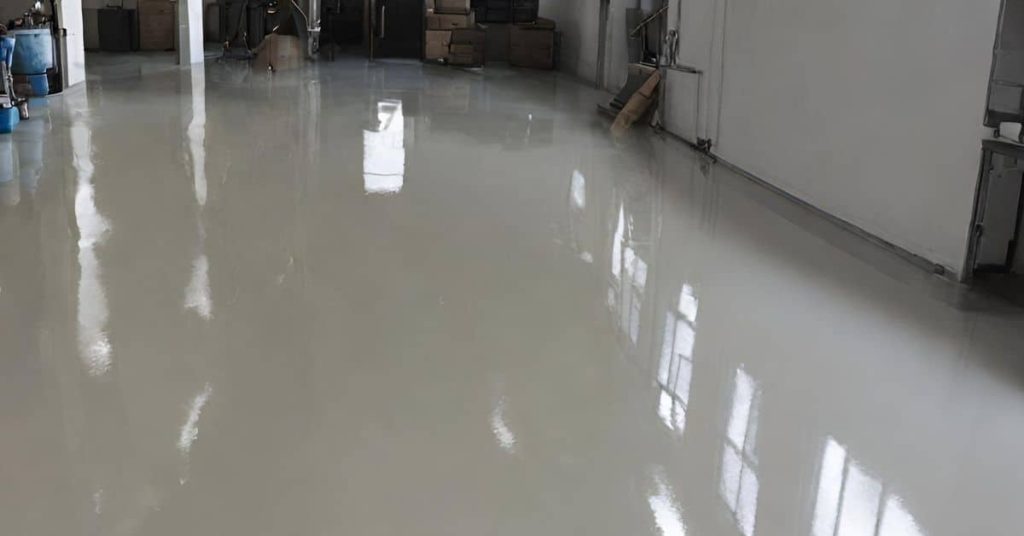
Glossy smooth gray industrial floor reflecting windows

Polyaspartic Floor Coatings for DIY: Timeline and Duration – Planning Your Project

Introduction Embarking on a DIY polyaspartic floor coating project? Understanding the timeline and duration is crucial to ensure a successful outcome. From surface preparation to final cure, let’s break down each stage and its estimated timeframe. Whether you’re working alone or with helpers, knowing how long each step takes will help you plan your project

Polyaspartic Floor Coatings for DIY: Timeline and Duration – Planning Your Project Read More »

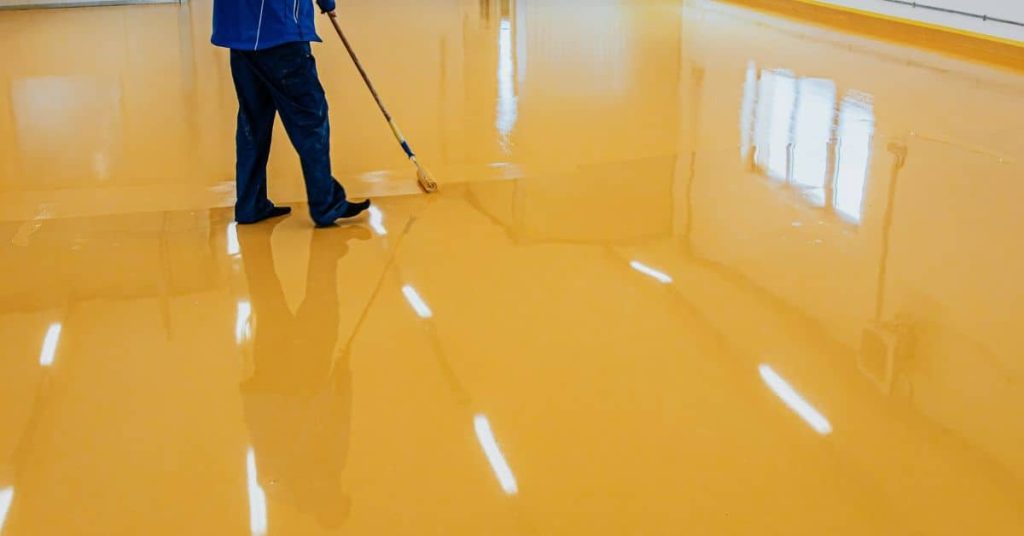
Person applying yellow epoxy coating on garage floor

Painting a Garage Floor: Epoxy vs Polyurea vs Polyaspartic Systems Compared

Introduction Painting a garage floor means choosing between epoxy, polyurea, and polyaspartic systems based on what you need: epoxy is durable and affordable but slower to cure, polyurea is extremely tough and fast-curing, and polyaspartic sits between them with quick return-to-service and good UV resistance; check product labels and manufacturer instructions for exact cure times

Painting a Garage Floor: Epoxy vs Polyurea vs Polyaspartic Systems Compared Read More »

Modern glass sliding door system with metal frame

Converting an Oil-Based System to Waterborne: A Step-by-Step Timeline for DIY Projects

Introduction The transition from oil-based systems to waterborne coatings is a significant step in any DIY project, but it’s crucial to understand the time commitment involved. This guide walks you through the process with a clear timeline, ensuring you allocate enough time for each step and avoid common pitfalls. Whether you’re converting an entire room

Converting an Oil-Based System to Waterborne: A Step-by-Step Timeline for DIY Projects Read More »

Hand painting metal beam with red primer brush

Painting Stainless Steel: Step-by-Step Timeline and Duration Guide

Introduction The process of painting stainless steel involves several steps that require careful timing to ensure a durable, long-lasting finish. Understanding the timeline and duration for each stage is crucial for planning your DIY project effectively. In this guide, we’ll walk you through the step-by-step process, including cleaning, etching, priming, painting, and curing, with approximate

Painting Stainless Steel: Step-by-Step Timeline and Duration Guide Read More »