Search Results for: shot blasting

Liquid concrete pouring onto rough concrete slab

Concrete Overlay Over Old Broom Finish: How to Lock Down Loose Sand and Prevent Delamination

Introduction Locking down loose sand and preventing delamination means preparing a broom-finished surface so the new overlay bonds firmly without peeling. Start by cleaning the surface, removing dust and loose particles with a stiff brush and a vacuum. Check the old slab for cracks and moisture and address any defects before proceeding. Choose a compatible […]

Concrete Overlay Over Old Broom Finish: How to Lock Down Loose Sand and Prevent Delamination Read More »

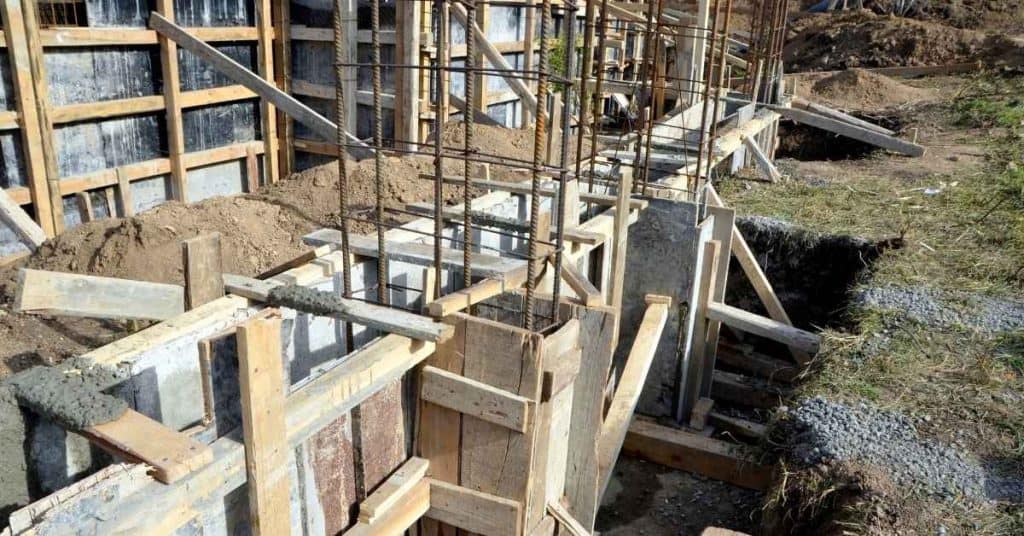
Concrete formwork and rebar reinforcement at construction site

DIY Concrete Rebar Cover Fixes: When Grinding Helps and When You Must Patch

Introduction DIY concrete rebar cover fixes means deciding whether grinding to expose and clean the surface is enough or whether you must chip out and patch back to proper cover; start by confirming how deep the corrosion or delamination goes and whether the rebar is structurally compromised. If the trouble is only surface rust and

DIY Concrete Rebar Cover Fixes: When Grinding Helps and When You Must Patch Read More »

Concrete surface with visible fine crack and discoloration

Concrete Surface Laitance: How to Spot It, Remove It, and Prevent It Next Time

Introduction Concrete laitance is a weak, powdery layer of cement and fines that rises to the surface of fresh concrete and leaves a dusty or flaky skin. It shows up when excess water or fine particles migrate during finishing and ruins adhesion and durability if left in place. Home DIYers can spot it by rubbing

Concrete Surface Laitance: How to Spot It, Remove It, and Prevent It Next Time Read More »

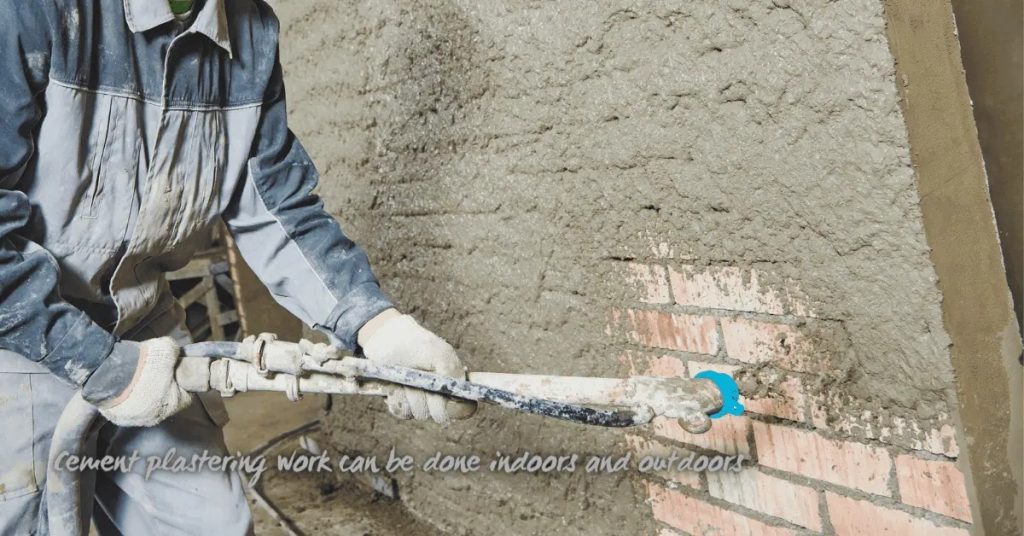
Worker spraying cement plaster on brick wall indoors

Bonding Old to New Concrete at Vertical Faces: Keys, Dowels, and Epoxy vs Cement Slurry

Introduction Bonding old to new concrete at a vertical face means creating a mechanical and/or adhesive connection so the new pour acts like part of the same structure. That usually comes down to creating keys or dowels for mechanical interlock and choosing an appropriate bonding agent—epoxy or cement slurry—based on strength needs and manufacturer instructions.

Bonding Old to New Concrete at Vertical Faces: Keys, Dowels, and Epoxy vs Cement Slurry Read More »

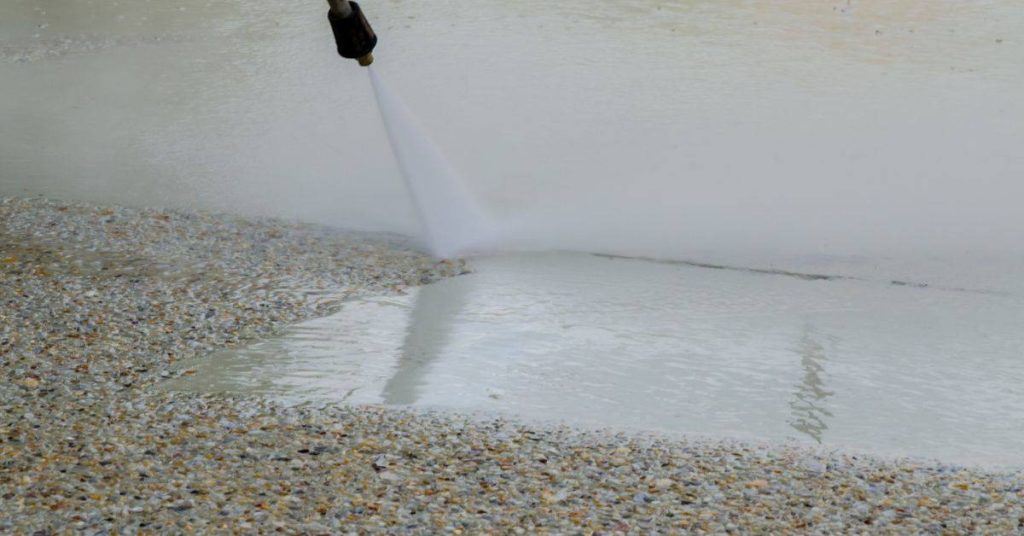
Pressure washing exposed aggregate concrete surface

Concrete Etch Alternatives: When Degreasing and Profiling Beat Acid Washing

Introduction Concrete etch alternatives are practical cleaning and mechanical methods—like degreasing and surface profiling—that replace acid washing when you need safer, more controlled prep. As a DIYer, think of degreasing to remove oils and contaminants and of profiling (grinding, shot blasting, or scarifying) to roughen the slab so coatings will stick; check product labels and

Concrete Etch Alternatives: When Degreasing and Profiling Beat Acid Washing Read More »

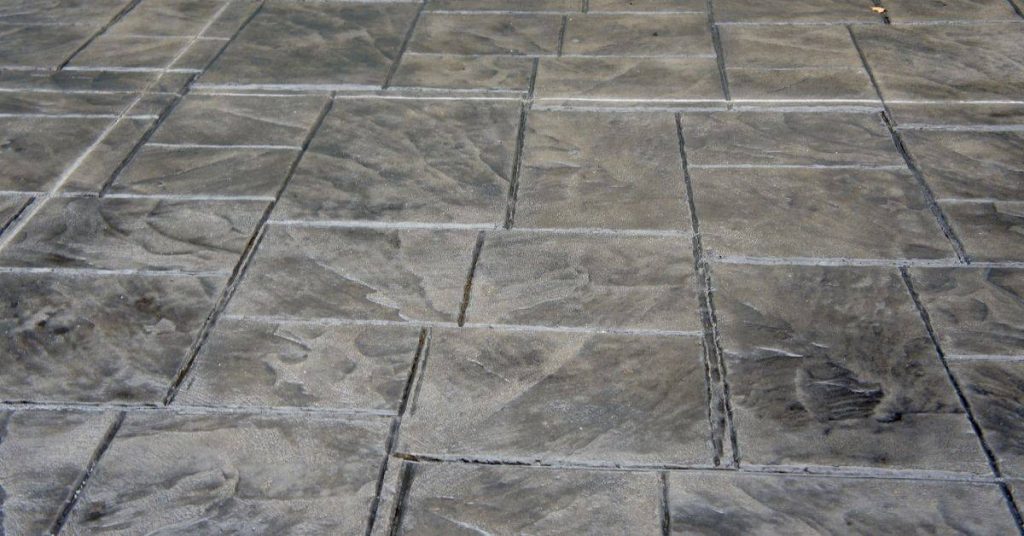
Stamped concrete patio surface with uneven stain blotches

Concrete Stain Blotchiness: Why Porosity Changes and How to Even It Out

Introduction Concrete stain blotchiness is when the color looks uneven because the slab soaks up stain at different rates. It happens because porosity varies across the surface from finishing, curing, contaminants, or patchwork. You can reduce it by cleaning, profiling, and using appropriate primers or application methods—check product labels and manufacturer instructions for compatibility. For

Concrete Stain Blotchiness: Why Porosity Changes and How to Even It Out Read More »

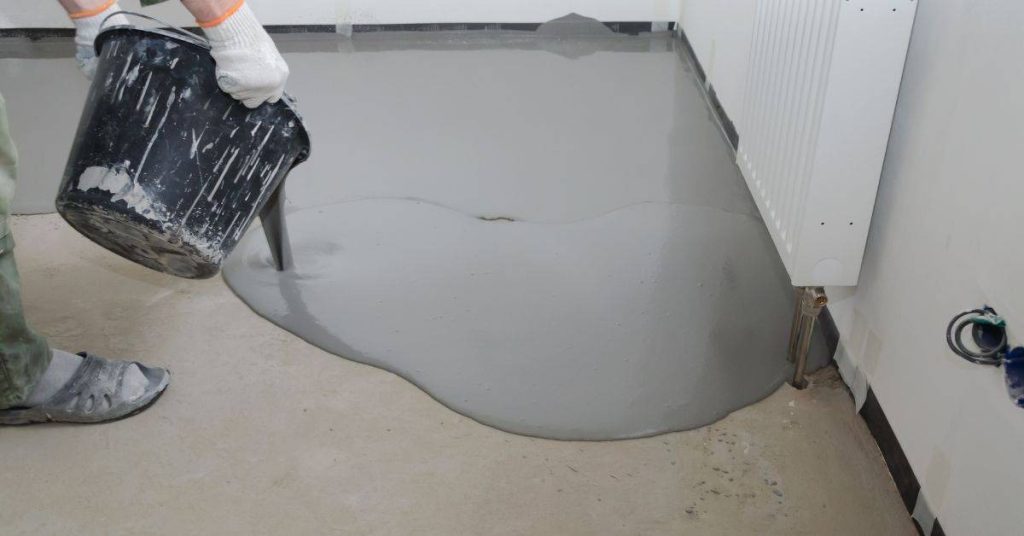
Person pouring gray self-leveling compound on concrete floor

Self-Leveling Overlay Over Concrete: Primer Steps That Stop Debonding

Introduction Self-leveling overlay over concrete is a pourable cement-based or polymer-modified material that evens a slab, and the right primer and prep are what stop it from debonding. Before you mix anything, clean and mechanically profile the slab, repair cracks and holes, and read the overlay and primer instructions for recommended substrates and pot life.

Self-Leveling Overlay Over Concrete: Primer Steps That Stop Debonding Read More »

Close-up of concrete floor grinding machine in use

Grinding vs Scarifying for Concrete Prep: Choosing the Right Texture for Coatings

Introduction Grinding means removing surface material with rotating diamond wheels to smooth or level concrete, while scarifying uses a drum of carbide cutters to aggressively cut grooves and remove heavy coatings; pick grinding for light profiling and scarifying for fast, deep removal. This is a practical, hands-on choice: think about how much material you must

Grinding vs Scarifying for Concrete Prep: Choosing the Right Texture for Coatings Read More »

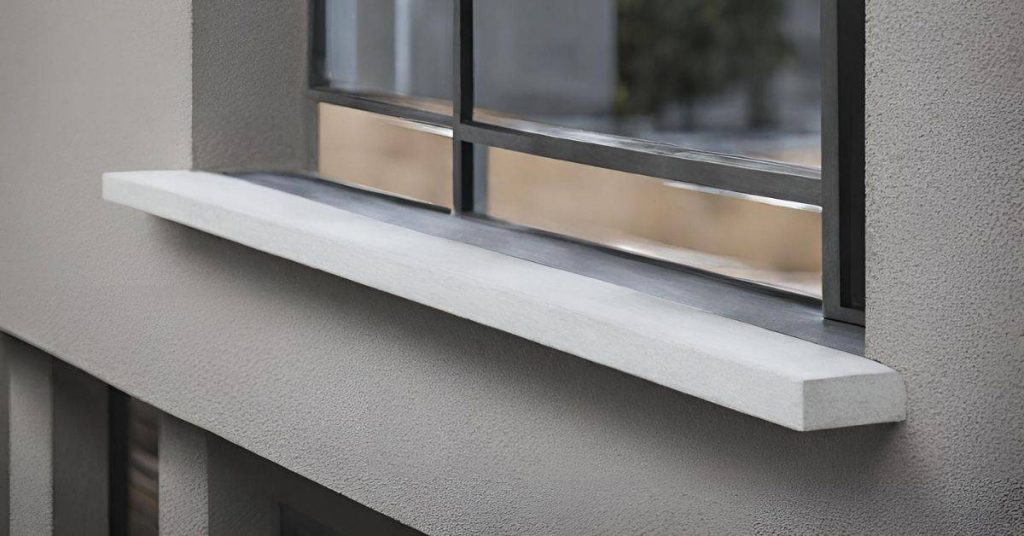
Close-up of a concrete window sill under a black metal-framed window

Concrete Overlay on Old Broom Finish: Step-by-Step Timeline and Duration Guide

Introduction Applying a concrete overlay to an old broom finish is a time-sensitive project that requires careful planning. Understanding the timeline and duration of each step is crucial for successful results. In this guide, we’ll break down the process into manageable steps, focusing on how long each task takes, so you can plan your project

Concrete Overlay on Old Broom Finish: Step-by-Step Timeline and Duration Guide Read More »

Bright outdoor porch with painted concrete floor and white furniture

Water-Based Concrete Stains: When They Beat Acid Stains and How to Avoid Lap Marks

Introduction Water-based concrete stains are pigmented finishes that soak into cured concrete and are a better choice than acid stains when you need consistent color, easier cleanup, and safer handling. They work well on slabs where acid reaction is unpredictable or on indoor projects where odor and VOCs matter; check the product label and tech

Water-Based Concrete Stains: When They Beat Acid Stains and How to Avoid Lap Marks Read More »