Search Results for: sealing where walls meet floors

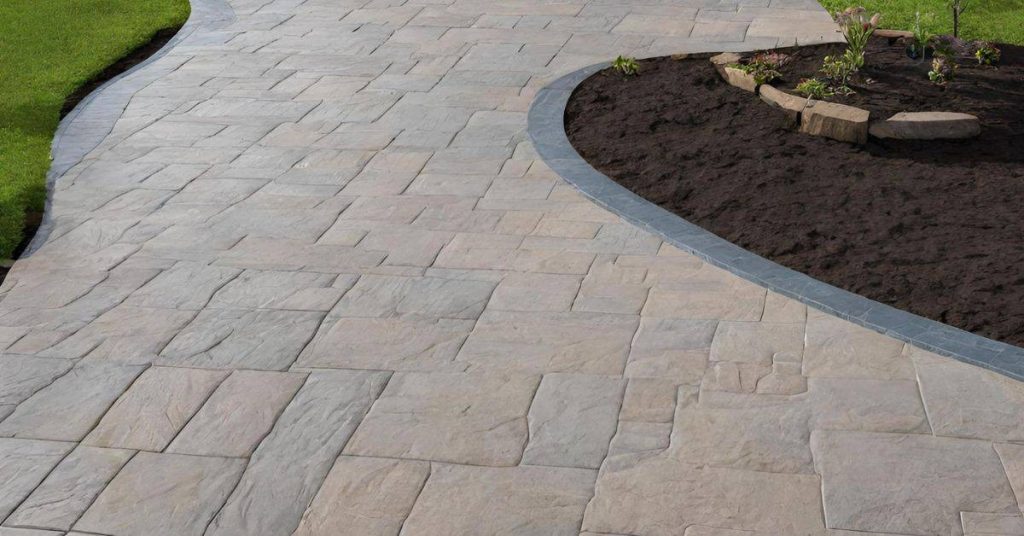
Stamped concrete patio with curved edge and landscaping

Concrete Topping Edge Curl: How to prevent lifting at edges and corners

Introduction Concrete topping edge curl is when the edge of a thin concrete layer lifts away from the base slab. This article explains what it is and why it happens in plain DIY terms. It’s a hands-on look at how to spot the problem and how to approach prevention. Causes include moisture movement, temperature changes, […]

Concrete Topping Edge Curl: How to prevent lifting at edges and corners Read More »
Stamped concrete patio surface with textured pattern

Concrete Curing Indoors: Moisture control without mold or mess

Introduction Concrete curing indoors means managing excess moisture so the mix dries evenly and won’t trap water that causes problems. Moisture comes from rain, groundwater, and interior activities, and your curing plan should keep the surface and near-surface air balanced. Keep the space accessible for air, avoid sealing off all drying paths, and use safe

Concrete Curing Indoors: Moisture control without mold or mess Read More »

Rain falling on sloped rooftops with chimneys steaming

Adding Drip Edges to Stucco Trim: Small details that cut streaking

Introduction A drip edge on stucco trim redirects water away from the wall to prevent streaking. By guiding where the water flows, it helps keep the surface dry and reduces staining. Check that the edge is properly installed and overlaps the underlying material according to the manufacturer instructions. To DIY this, work from the top

Adding Drip Edges to Stucco Trim: Small details that cut streaking Read More »

Exterior stucco wall with multiple windows under clear sky

Cracks Around Stucco Windows: Why they form and how to fix them correctly

Introduction Cracks around stucco windows are caused by movement at the window opening and the surrounding stucco not moving the same way. Settling, temperature swings, and flashing or moisture issues are common culprits to look for. Note whether the crack runs along the frame, at corners, or where trim meets stucco to guide your fix.

Cracks Around Stucco Windows: Why they form and how to fix them correctly Read More »

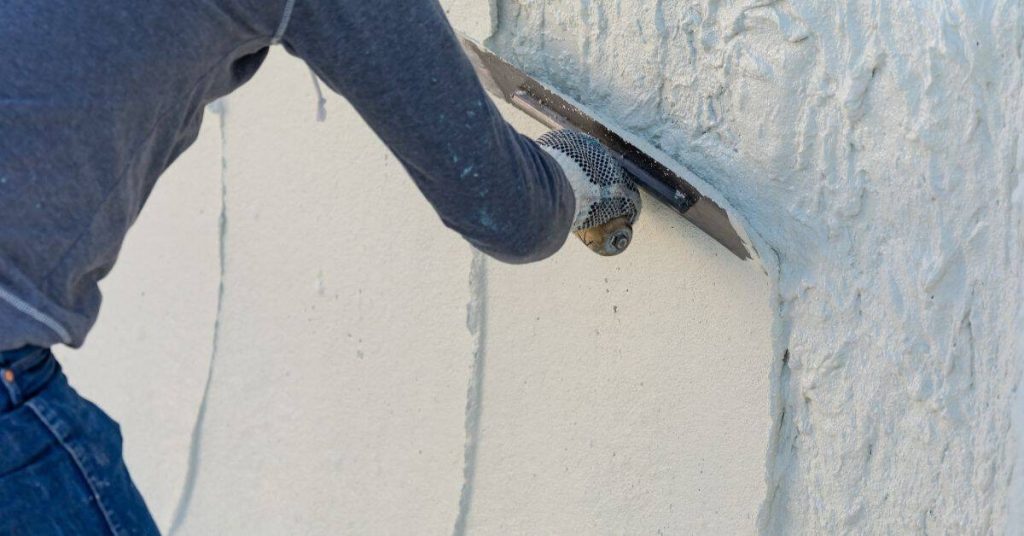
Person applying stucco texture to wall with trowel

Stucco at Deck and Porch Connections: Water control and movement details

Introduction Stucco at deck and porch connections is the moisture-control detail where stucco meets the deck to stop water from entering the structure. It relies on flashing, proper joint gaps, and movement allowances to shed water and accommodate movement. Always check manufacturer instructions and local rules for flashing, sealants, and clearance requirements. For a practical

Stucco at Deck and Porch Connections: Water control and movement details Read More »

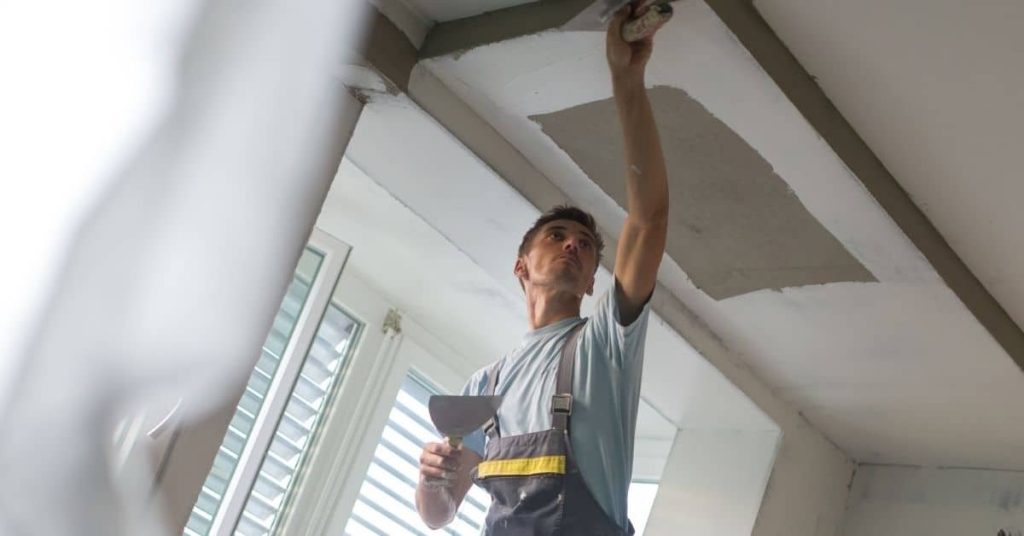
Person smoothing plaster on ceiling with trowel

Recurring Plaster Cracks: Hidden causes and reinforcement that helps

Introduction Recurring plaster cracks are cracks that keep coming back after repairs due to underlying movement or moisture. This article explains practical, hands-on steps you can take to stop the cycle. We’ll look at common hidden causes and simple reinforcement ideas you can try. Check your wall conditions and proceed with care to avoid making

Recurring Plaster Cracks: Hidden causes and reinforcement that helps Read More »

Worker smoothing plaster on wall with trowel

Tadelakt Maintenance: Keeping water resistance without constant rework

Introduction Tadelakt maintenance is the ongoing care of a lime plaster finish to preserve water resistance. It relies on keeping the surface clean, timely repairs, and periodic re-waxing or sealing as needed. If you notice water infiltration or dull spots, check the product labels and follow the manufacturer guidance. In practice, you can spot-treat small

Tadelakt Maintenance: Keeping water resistance without constant rework Read More »

Paint roller applying white paint on bathroom ceiling

Bathroom Ceiling Paint: Mold resistance without high gloss

Introduction Mold-resistant bathroom ceiling paint with a low-gloss finish resists mold without creating glare. Choose a product labeled for bathroom use and mold resistance, and prep the ceiling first. Always verify the manufacturer’s instructions and local rules for surface prep and drying times. Prepare the ceiling by cleaning, repairing cracks, and letting it dry before

Bathroom Ceiling Paint: Mold resistance without high gloss Read More »