Search Results for: screed bead

Stucco exterior wall with multiple windows and red trim

Stucco Cracks Around Windows: Common Causes and Better Detailing

Introduction Stucco cracks around windows are gaps in the stucco that show movement or moisture at the opening. They’re often caused by framing shifts, flashing issues, or moisture-related stress near the window edge. There are different crack types to look for, like hairline, spider, or cross-pattern cracks. Moisture behind the stucco worsens damage, and using […]

Stucco Cracks Around Windows: Common Causes and Better Detailing Read More »

Gray concrete slabs with visible cracks

Microtopping Over Old Concrete: Prevent Ghost Cracks, Delamination, and Edge Failures

Introduction Microtopping over old concrete is a thin, decorative concrete top layer that can refresh a worn floor. This article explains how to prepare, mix, and apply it to minimize ghost cracks, delamination, and edge failures. You’ll get a practical, hands-on approach that stays away from textbook theory. Before you start, inspect the surface for

Microtopping Over Old Concrete: Prevent Ghost Cracks, Delamination, and Edge Failures Read More »

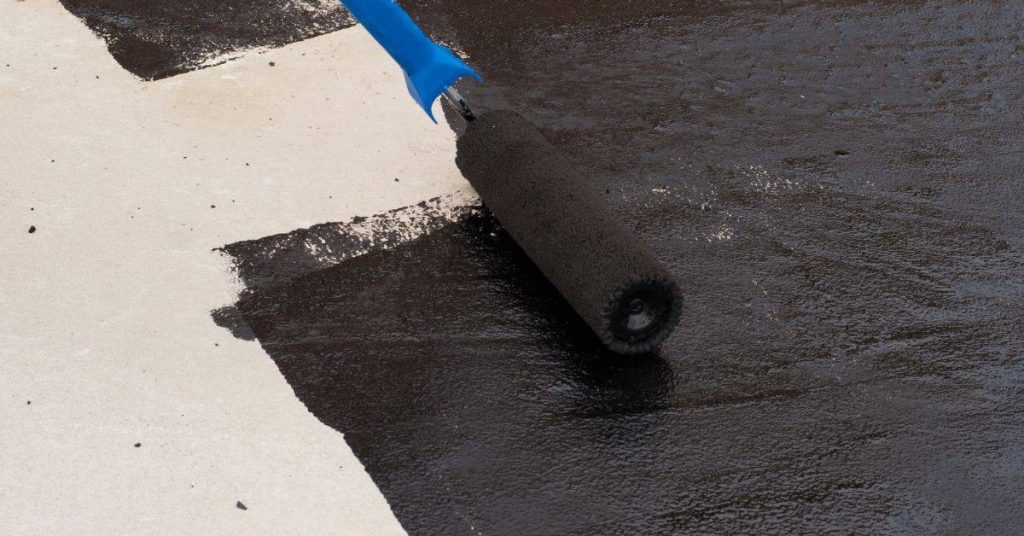
Paint roller applying black sealer on light tile surface

Microcement Over Tile: Prep, Base Coats, Sealer Choices, and DIY Success Factors

Introduction Microcement over tile is a system that coats existing tile with a cement-based finish after proper prep. This approach hinges on solid surface prep, compatible primers, and careful application to stay durable and look even. Base coats and layering are key, and you should follow the product instructions and check for compatibility with tile

Microcement Over Tile: Prep, Base Coats, Sealer Choices, and DIY Success Factors Read More »

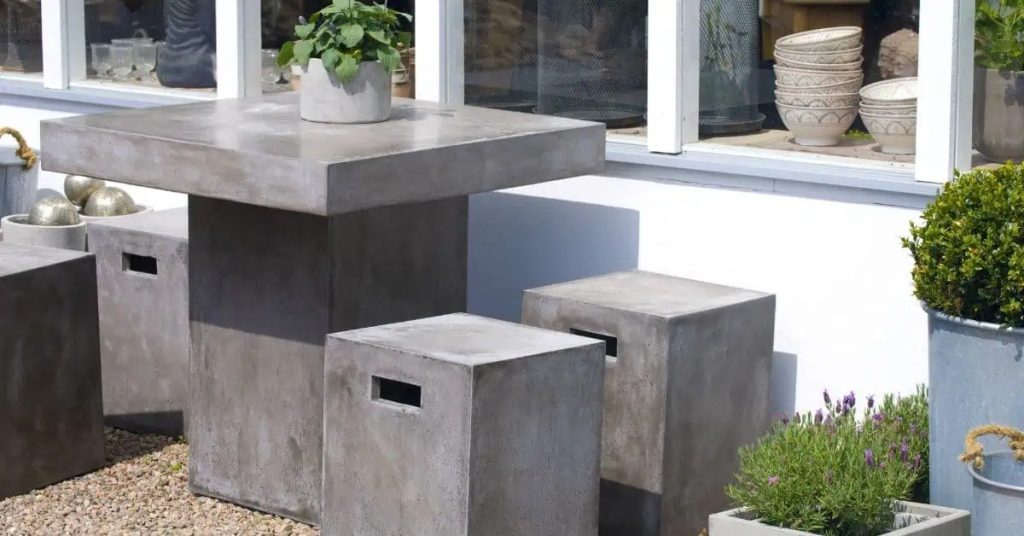
Concrete outdoor table with cube stools on gravel patio

Metakaolin for DIY Concrete Countertops: Mix Tweaks, Sealing, and Troubleshooting

Introduction Metakaolin is a pozzolanic additive that can improve the workability and durability of DIY concrete countertops. In practice, it can tighten the mix and help reduce cracking when you’re pouring custom countertops. Always follow product labels and local rules when mixing. Sealing and curing: use a proper sealer compatible with metakaolin-enhanced mixes and follow

Metakaolin for DIY Concrete Countertops: Mix Tweaks, Sealing, and Troubleshooting Read More »

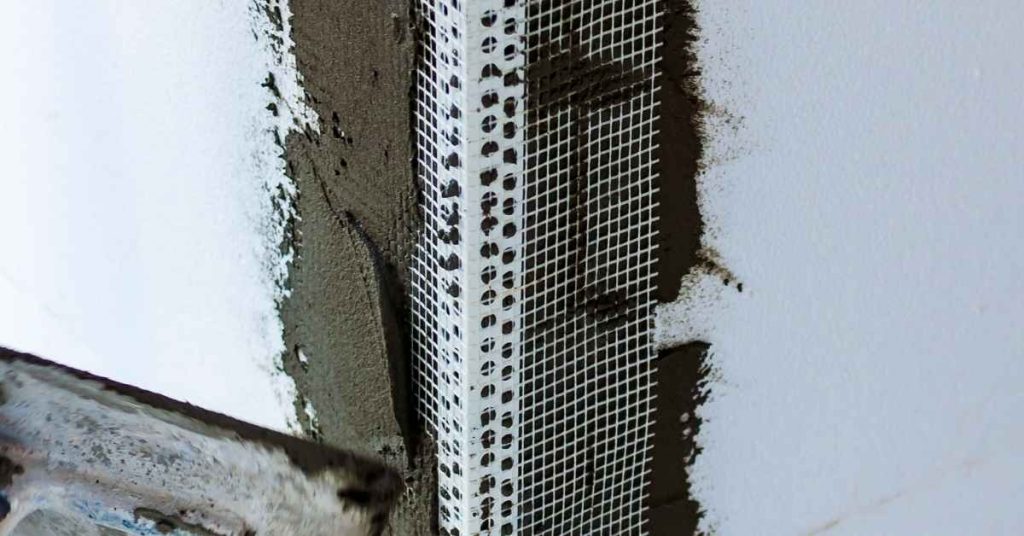
White mesh embedded in wet stucco on white wall surface

Stucco Over ICF Walls: Mesh, Fasteners, and Crack Control at Openings

Introduction Stucco over ICF walls means applying a cement-based veneer to insulated concrete forms using a proper weather-resistive layer, reinforcement mesh, and secure fasteners so the finish sticks and moves with the wall. This job needs the right mesh type, fastener method, and detailing at windows and doors to control cracking; check the stucco manufacturer’s

Stucco Over ICF Walls: Mesh, Fasteners, and Crack Control at Openings Read More »

Indoor view through window blinds showing green plants outside

EIFS Window Detailing Basics: Backwrapping, Sealant Joints, and Common DIY Failures

Introduction EIFS window detailing is the practical work of wrapping the window opening with the EIFS base and mesh, backwrapping the flange or jamb, and creating sealed, jointed transitions so water and movement stay out. Think of it as three chores: proper substrate prep and flashing, neat backwrap techniques that embed mesh into the basecoat,

EIFS Window Detailing Basics: Backwrapping, Sealant Joints, and Common DIY Failures Read More »

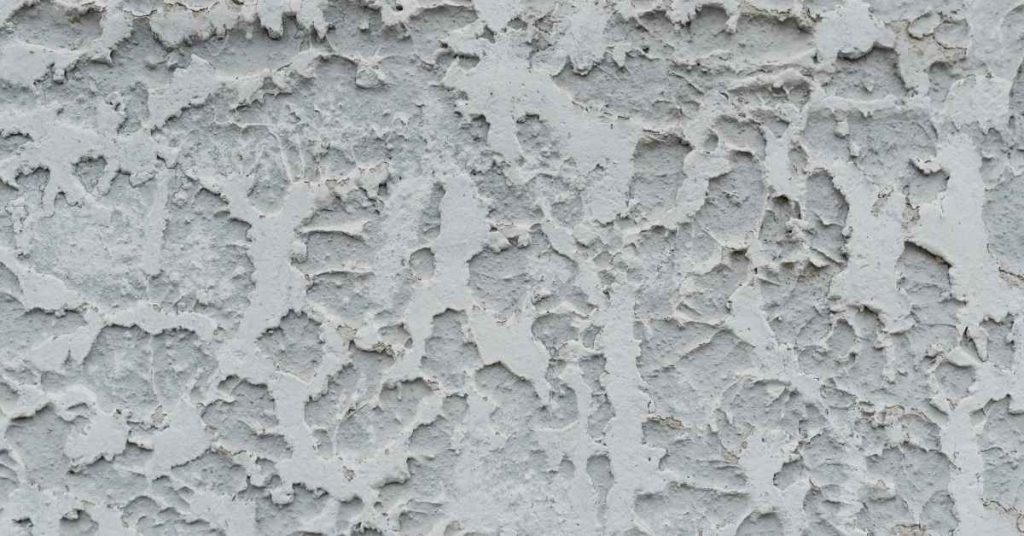
Close-up of rough textured gray stucco wall surface

How to Identify EIFS vs Hard-Coat Stucco: Simple On-Wall Tests

Introduction EIFS is an exterior insulation system with a foam board base and a thin textured finish, while hard-coat stucco is a cement-based, multi-layered plaster bonded to masonry or a lath substrate. In plain jobsite terms: EIFS feels lighter and can have a separation behind the finish, whereas hard-coat stucco is rigid and is trowel-applied

How to Identify EIFS vs Hard-Coat Stucco: Simple On-Wall Tests Read More »

Person smoothing stucco on exterior wall with trowel

Drainage Stucco vs Barrier Stucco: How to Tell What You Have on Your House

Introduction Drainage stucco is a cladding system designed to let water that gets behind the finish drain out, while barrier stucco is meant to shed water at the surface and keep moisture out; that’s the practical difference. Think of drainage as a layered system with a gap or channels to manage moisture and barrier as

Drainage Stucco vs Barrier Stucco: How to Tell What You Have on Your House Read More »

Hand applying stucco on brick wall with trowel

Stucco Termination at Brick or Stone: Transition Details That Don’t Crack or Trap Water

Introduction Stucco termination at brick or stone is the method of finishing and sealing the edge where stucco meets masonry so water is kept out and movement doesn’t crack the finish. Do the job with a clear gap for flashing, a solid backstop, and a termination trim that lets water drain; check product labels and

Stucco Termination at Brick or Stone: Transition Details That Don’t Crack or Trap Water Read More »

Worker smoothing plaster on a wall wearing blue uniform and helmet

Clay Plaster in Bathrooms: Where It Works, Where It Fails, and Safe Sealing Options

Introduction Clay plaster in bathrooms is an earthen wall finish that can work well in low-splash, well-ventilated areas but is not inherently waterproof. It handles humidity better than some gypsum finishes and gives a warm, tactile surface, though you need to check product instructions and local building rules before using it near showers or tubs.

Clay Plaster in Bathrooms: Where It Works, Where It Fails, and Safe Sealing Options Read More »