Search Results for: sanding plaster

Modern gas fireplace with marble surround and striped bench nearby

Paint Colors Designers Reuse: The Classics That Work (and When They Don’t)

Introduction Classic paint colors are tried-and-true shades that designers and homeowners reuse because they balance light, space, and mood. They work well in many rooms when you want a calm, timeless backdrop that lets furniture and art stand out. But they can feel flat in small spaces or clash with modern finishes if you don’t […]

Paint Colors Designers Reuse: The Classics That Work (and When They Don’t) Read More »
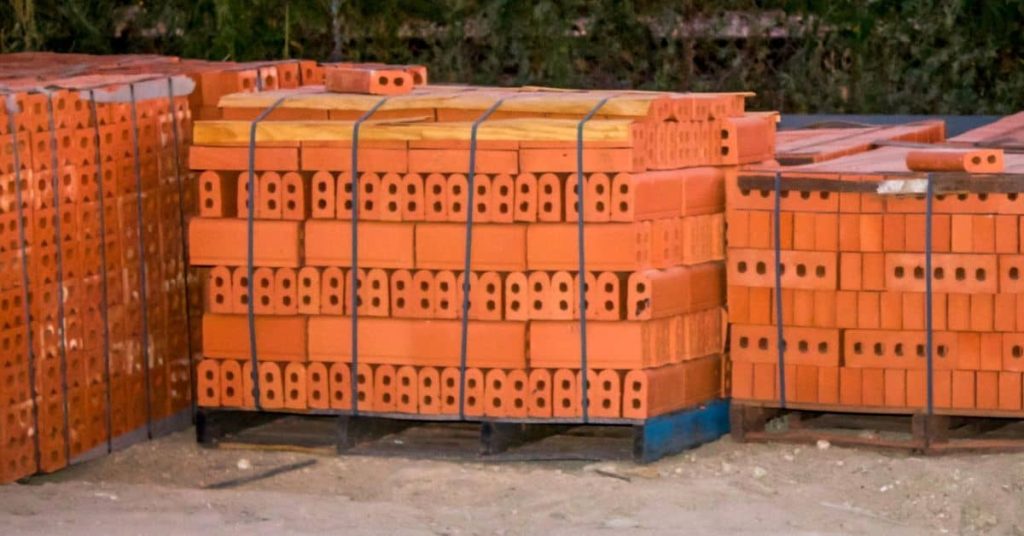
Stacks of orange hollow clay bricks on wooden pallets

Roman Clay Maintenance: Spot Repair, Re-Seal, and How to Avoid Shiny Patches

Introduction Roman Clay maintenance means keeping the finish patched, resealed, and matte where you want it, not shiny where you don’t — spot repairs and the right re-seal process fix most problems. This is a hands-on job: check the product label and manufacturer’s instructions for compatible patch mixes and sealers before you start. Expect to

Roman Clay Maintenance: Spot Repair, Re-Seal, and How to Avoid Shiny Patches Read More »

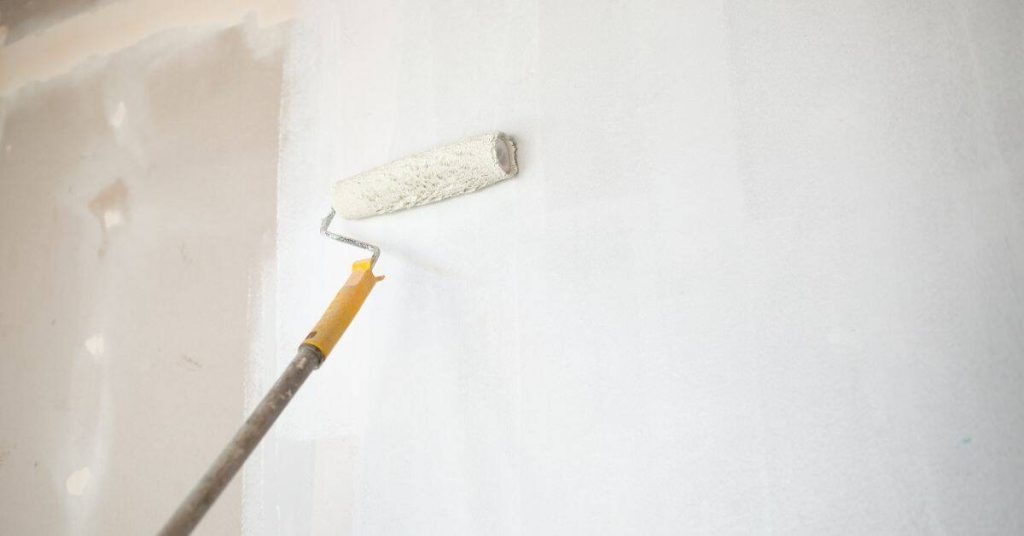
Paint roller applying white primer on drywall

How to Avoid Picture Framing on Walls: Rolling Patterns, Wet Edges, and Primer Strategy

Introduction Picture framing is the darkened outline that appears around a painted wall when roller technique, wet edge control, or primer choice are handled poorly. In plain jobsite terms: it’s caused by overlapping passes that dry at different rates and by inconsistent paint load from the roller. I’ll describe practical ways to keep a consistent

How to Avoid Picture Framing on Walls: Rolling Patterns, Wet Edges, and Primer Strategy Read More »

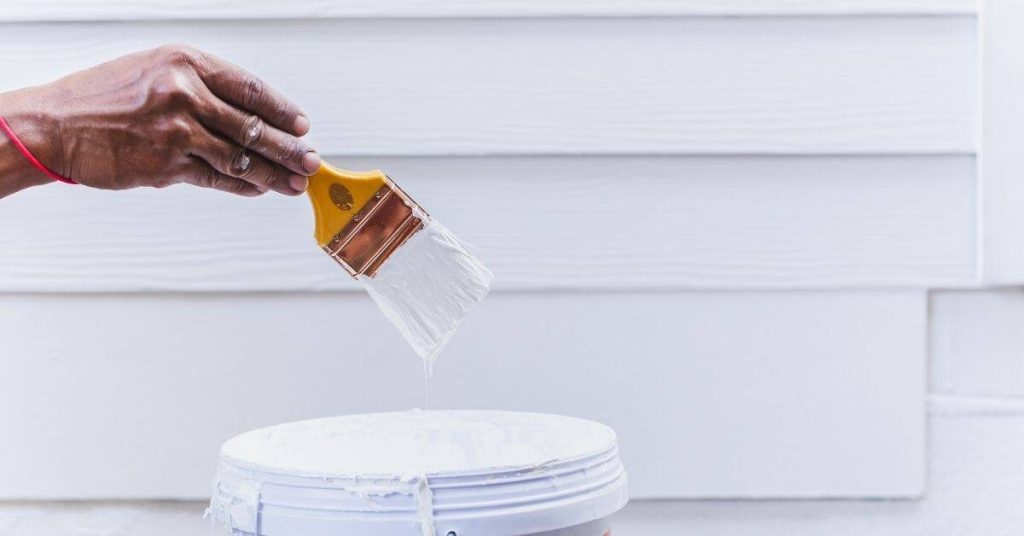
Hand dipping paintbrush into white paint bucket

Cutting In on Rough Surfaces: Brush Choice and Edge Tricks That Keep Lines Clean

Introduction Cutting in on rough surfaces means using the right brush and a few edge tricks so your paint lines stay sharp even when the substrate is irregular. In practice that means choosing a brush filament and size that match the material and paint—check the product label and manufacturer instructions for compatibility—and using steady pressure

Cutting In on Rough Surfaces: Brush Choice and Edge Tricks That Keep Lines Clean Read More »

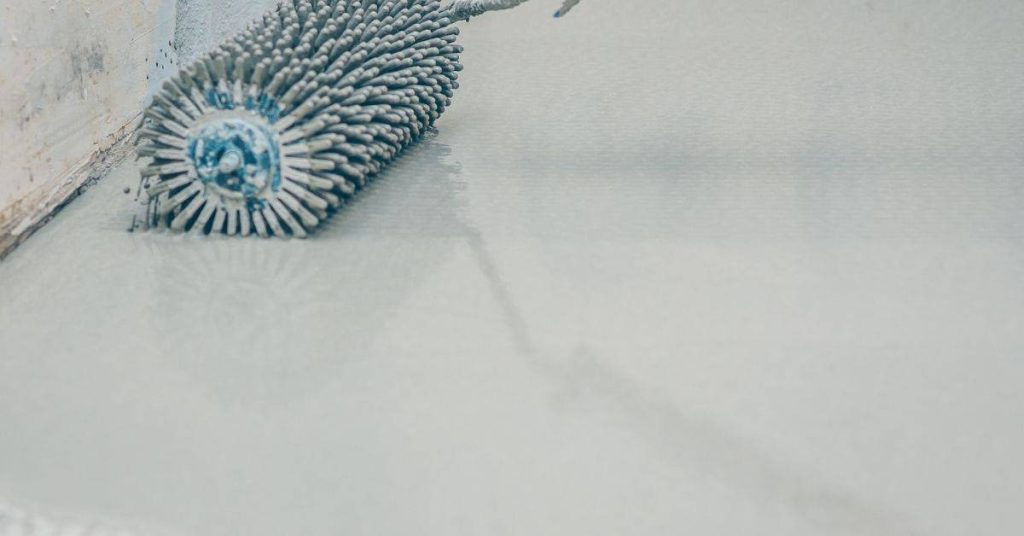
Spiked roller tool on wet floor coating surface

Polyaspartic Floor Coatings for DIY: Working Time, Odor, and Surface Prep Requirements

Introduction Polyaspartic floor coatings are fast-curing two-part coatings used to protect and finish concrete, and for a DIYer that means short working time, noticeable odor, and careful surface prep. Think like a tradesperson: plan your mixing and application in short, deliberate steps and check the product label for working time, recommended respirators, and substrate requirements.

Polyaspartic Floor Coatings for DIY: Working Time, Odor, and Surface Prep Requirements Read More »

Close-up of crack on textured stucco wall surface

Elastomeric Paint vs Masonry Paint: Thickness, Crack Bridging, and Recoat Timing

Introduction Elastomeric paint is a high-build, flexible coating designed to bridge small hairline cracks and move with the wall, while masonry paint is a thinner, protective finish for porous surfaces; choose by how much movement and build you need. In plain jobsite terms: elastomeric lays on thicker and stretches, masonry paint lays on thinner and

Elastomeric Paint vs Masonry Paint: Thickness, Crack Bridging, and Recoat Timing Read More »

Hand painting wooden cabinet door with blue paint roller

Painting Over Old Limewash: Identification, Neutralization, and Best Primers

Introduction Painting over old limewash can be a challenge due to its unique composition and properties. This guide will help you identify, neutralize, and prime your limewashed surfaces for successful painting. Key takeaways Identify limewash by chalky finish, mineral content, and matte, breathable film. Test adhesion with scrape and moisture penetration before priming. Contain dust,

Painting Over Old Limewash: Identification, Neutralization, and Best Primers Read More »

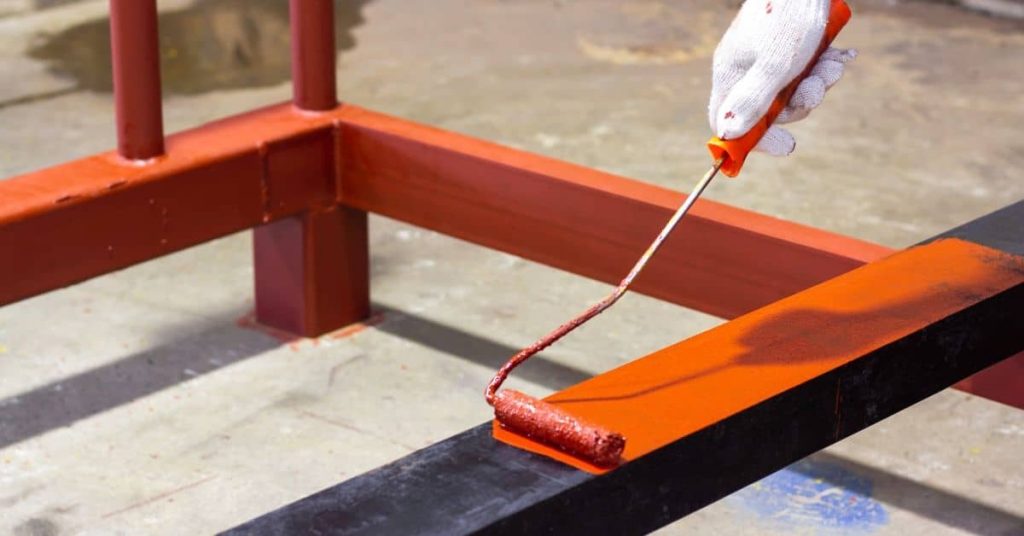
Hand painting metal structure with red paint roller

Painting Behind Radiators: Tools, Edge Control, and Heat-Cycle Considerations

Introduction Painting behind radiators means prepping a tight, hot-prone area so paint adheres and edges stay clean while you work around pipes and fins. It’s a hands-on job of turning off heat, protecting floors and fins, and using the right tools and edge control to reach back surfaces without making a mess. Check paint and

Painting Behind Radiators: Tools, Edge Control, and Heat-Cycle Considerations Read More »

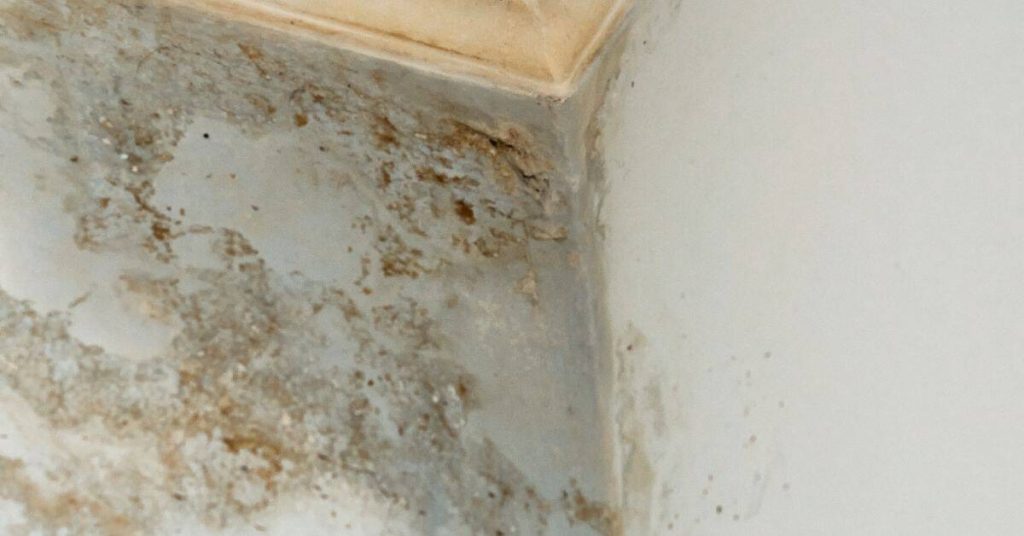
Wall corner with visible mold and water damage stains

Repainting After Mold Remediation: Drying Targets, Primers, and Mildew-Resistant Topcoats

Introduction Repainting after mold remediation means waiting until the surface is fully dry, priming any repaired or stained areas, and finishing with a mildew-resistant topcoat chosen for the substrate. Do the drying check yourself and follow product label instructions for primer and paint compatibility. Treat it like a site repair: clean, dry, prime, then topcoat.

Repainting After Mold Remediation: Drying Targets, Primers, and Mildew-Resistant Topcoats Read More »