Search Results for: sanding plaster

White painted horizontal wooden shiplap planks

Clear Coating Painted Surfaces: When It Helps, When It Yellows, and What to Use Instead

Introduction Clear coating painted surfaces means applying a transparent protective finish over existing paint to protect it and change the sheen; it helps when the paint is sound and you want extra durability or a uniform look. Use a clear product compatible with the paint type and follow the manufacturer’s instructions; if you’re unsure about […]

Clear Coating Painted Surfaces: When It Helps, When It Yellows, and What to Use Instead Read More »
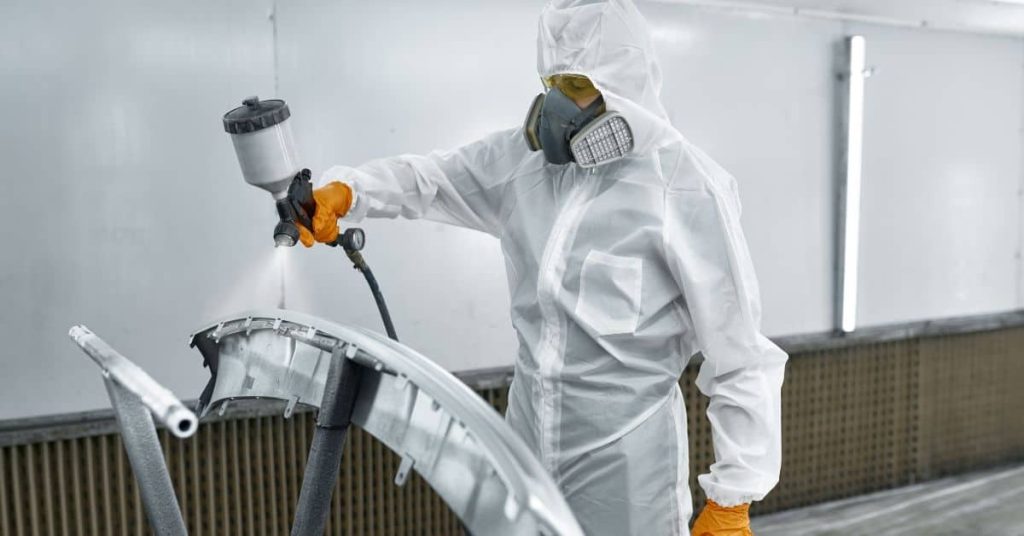
Person in protective suit spray painting a metal car part

Painting Copper and Brass: Preventing Tarnish Under Clear Coats

Introduction Painting copper and brass to prevent tarnish under clear coats means preparing the metal, using the right sealer or barrier primer, and choosing a clear finish that won’t allow corrosion to spread. In plain terms: clean and remove tarnish, treat or isolate reactive metal, and topcoat with a compatible clear product. Check product labels

Painting Copper and Brass: Preventing Tarnish Under Clear Coats Read More »

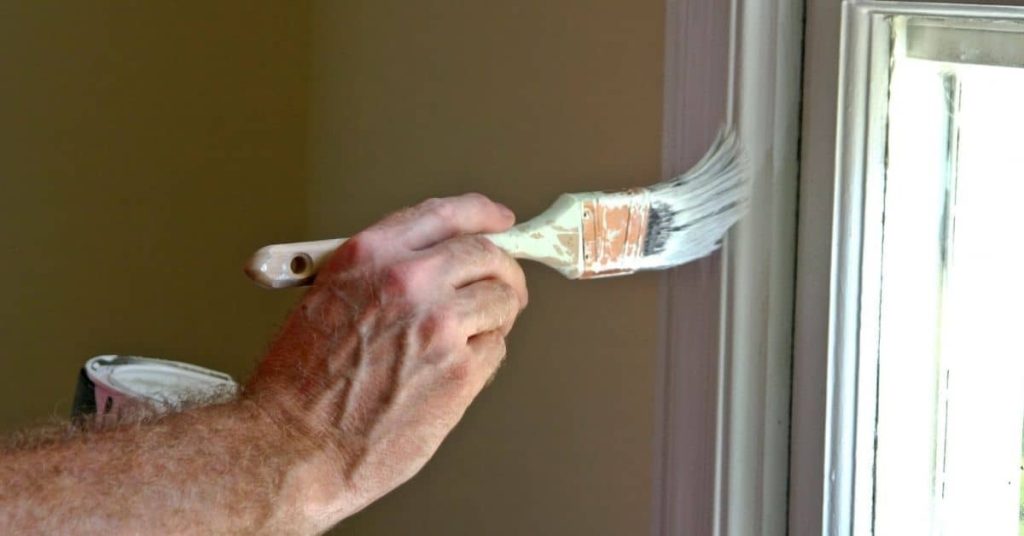
Hand painting white trim near window with brush

Painting PVC Trim: Scuff, Solvent Wipe, and Topcoats That Stay Flexible

Introduction Painting PVC trim means preparing the surface so paint sticks and stays flexible enough to move with the plastic; that starts with scuffing, a solvent wipe, and using the right flexible topcoat. This is a hands-on sequence more like sanding, cleaning, and choosing paints than a chemistry test, but check product labels for adhesion

Painting PVC Trim: Scuff, Solvent Wipe, and Topcoats That Stay Flexible Read More »

Cedar shake siding on a gable end with white trim

Painting Exterior Cedar: Tannin Blocking, Back-Priming, and Recoat Timing

Introduction Painting exterior cedar means stopping tannin bleed, sealing raw edges, and timing coats so the finish bonds and lasts; tannin blocking, back-priming, and recoat timing are the practical steps to make that happen. I’ll give jobsite advice you can use: what to look for, how to treat cut ends and knots, and how to

Painting Exterior Cedar: Tannin Blocking, Back-Priming, and Recoat Timing Read More »

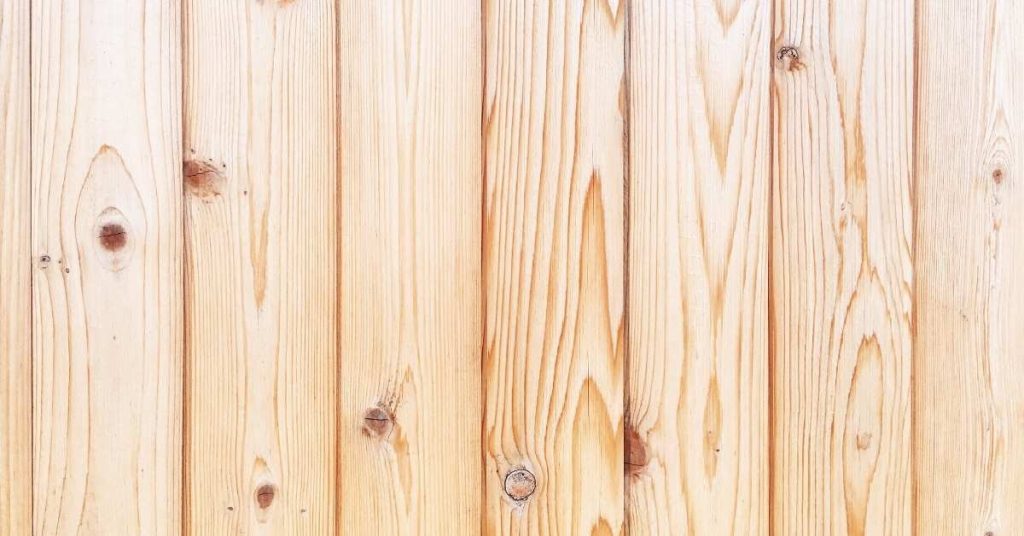
Close-up of pine wood planks with knots and grain patterns

Priming ‘Problem Woods’: Knots, Sap, and Pitch Bleed in Pine and Cedar

Introduction Priming “problem woods” means using the right sealer or primer and prep so knots, sap, and pitch in pine and cedar don’t bleed through your finish. In plain terms: clean, sand, spot-treat bleeding areas, then use a primer compatible with the topcoat and with stain-blocking properties; check the product label and manufacturer’s instructions for

Priming ‘Problem Woods’: Knots, Sap, and Pitch Bleed in Pine and Cedar Read More »

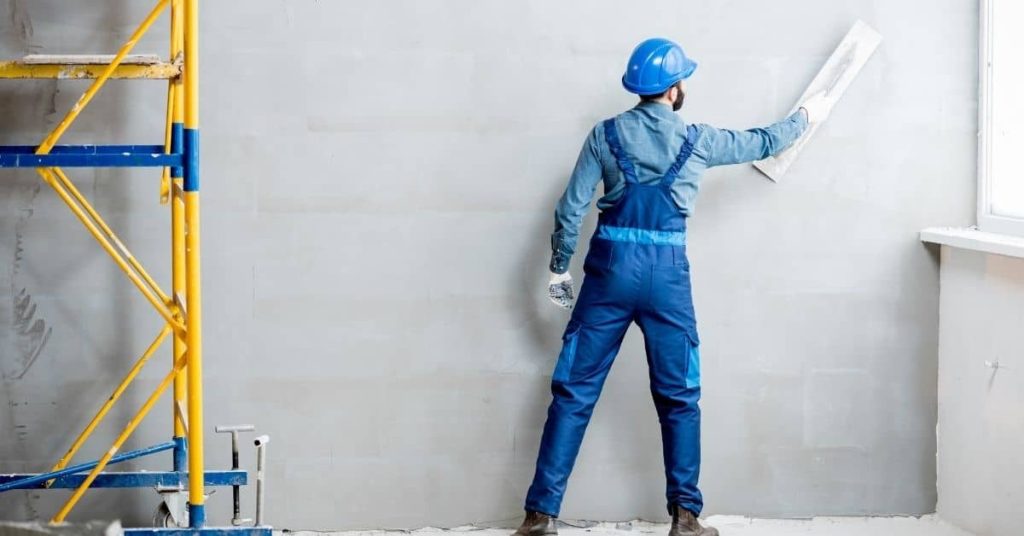
Worker smoothing wet plaster on a gray interior wall

How to Create a Zero-Lap-Mark Wall: Section Planning and Keeping a True Wet Edge

Introduction A zero-lap-mark wall is a layout and pour technique that keeps your fresh plaster or skimcoat from drying in visible steps where new material meets old. It means planning your sections and timing so each pass blends into the next while the edge is still workable. This is a hands-on job that needs steady

How to Create a Zero-Lap-Mark Wall: Section Planning and Keeping a True Wet Edge Read More »

Hand holding paint roller with orange paint above drop cloth

Orange Peel After Rolling: Causes, Fixes, and When Spraying Is Easier

Introduction Orange peel after rolling is a textured, dimpled finish that happens when paint or concrete topping doesn’t level out before it skins over. It’s usually caused by wrong material viscosity, working too slowly, rolling with an unsuitable nap or roller technique, or environmental factors like temperature and humidity. A quick jobsite fix is to

Orange Peel After Rolling: Causes, Fixes, and When Spraying Is Easier Read More »