Search Results for: sanding plaster

Stucco wall with three boarded openings and rust stains below

Tracking hidden metal in stucco: stopping rust stains from coming back after repairs

Introduction Tracking hidden metal in stucco is the process of locating metal components behind the stucco to prevent rust-related damage. Rust stains can reappear if metal isn’t found and treated. This introduction covers practical steps for checking, repairing, and preventing future issues. Techniques for detecting hidden metal include visual clues and non-destructive checks. Common causes […]

Tracking hidden metal in stucco: stopping rust stains from coming back after repairs Read More »
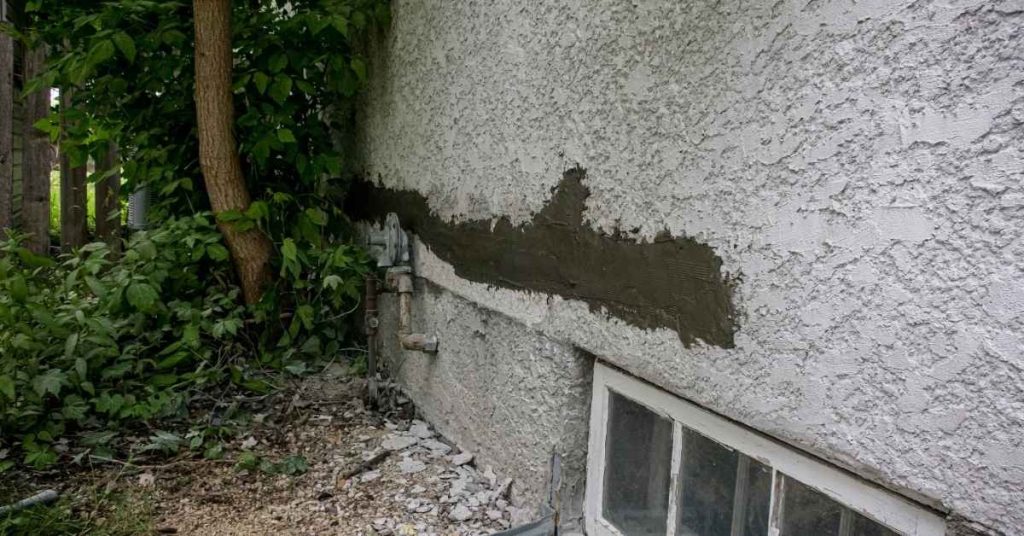
Stucco wall with fresh dark patch repair near window and vegetation

Stucco patch blends that don’t ‘picture frame’: sand matching, fog coats, and feather technique

Introduction Stucco patches can blend in by matching the sand texture, applying a light fog coat, and feathering the edges to disappear. This approach focuses on how the repair looks from close up and at a distance, not on replacing the entire wall. It’s a practical, hands-on method for making repairs less noticeable. Start by

Stucco patch blends that don’t ‘picture frame’: sand matching, fog coats, and feather technique Read More »

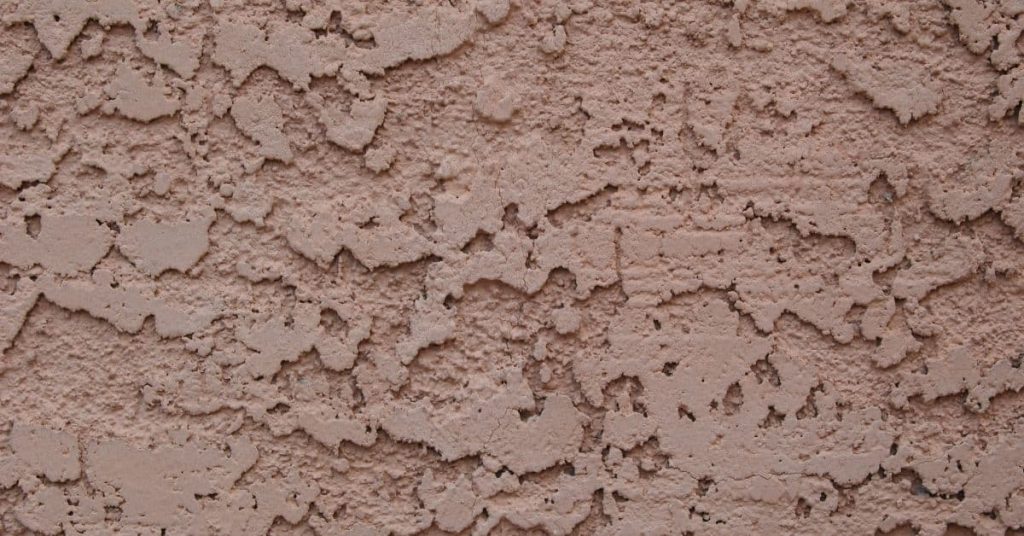
Close-up of textured brown stucco wall surface

Stucco brown coat straightening: screed methods that don’t telegraph waves later

Introduction Screed straightening of the stucco brown coat is the process of leveling and smoothing the outer layer to prevent visible waves. It relies on controlled, even passes with a straightedge to create a flat, true surface. The goal is to set the first and second coats with minimal movement after initial setting, while maintaining

Stucco brown coat straightening: screed methods that don’t telegraph waves later Read More »

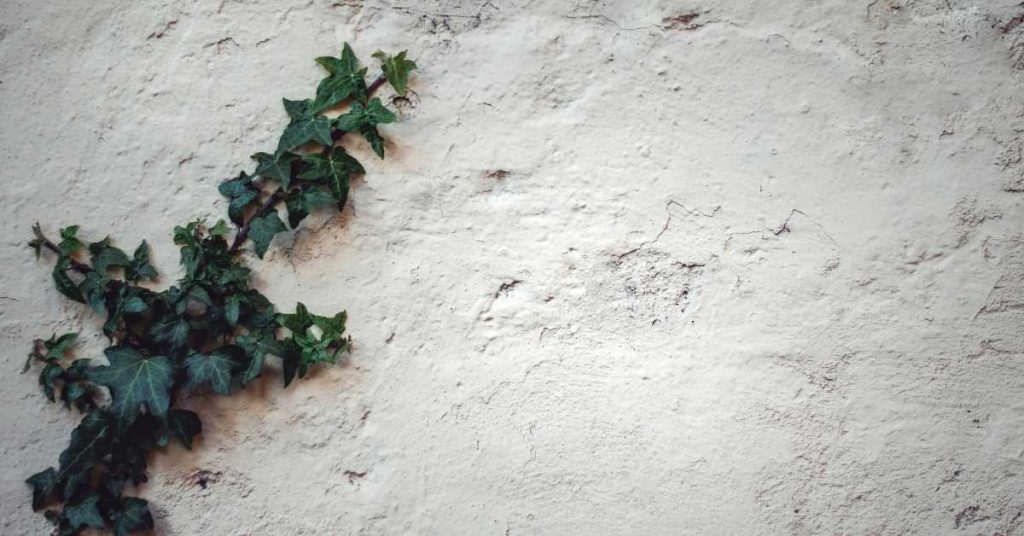
White stucco wall with green ivy growing on left side

Hiding awkward stucco control joints: layout tricks for patches and additions

Introduction A control joint in stucco is a designed gap that guides cracking and movement. Hiding it during patches and additions means planning the patch layout so the joint sits where it won’t stand out. This article walks through practical layout tricks you can use in the field. , but we must not include comma

Hiding awkward stucco control joints: layout tricks for patches and additions Read More »

Unfinished multi-story concrete building structure outdoors

Self-leveling overlays on concrete: dams, primers, and stopping pinholes and ripples

Introduction Self-leveling overlays are pourable surface toppings designed to flow into low spots and produce a flat, smooth concrete surface. They rely on proper surface preparation, containment dams at edges, and primer or bond agents to promote adhesion. Always follow the material manufacturer’s instructions for mixing, compatibility with the concrete, and cure requirements. Before you

Self-leveling overlays on concrete: dams, primers, and stopping pinholes and ripples Read More »

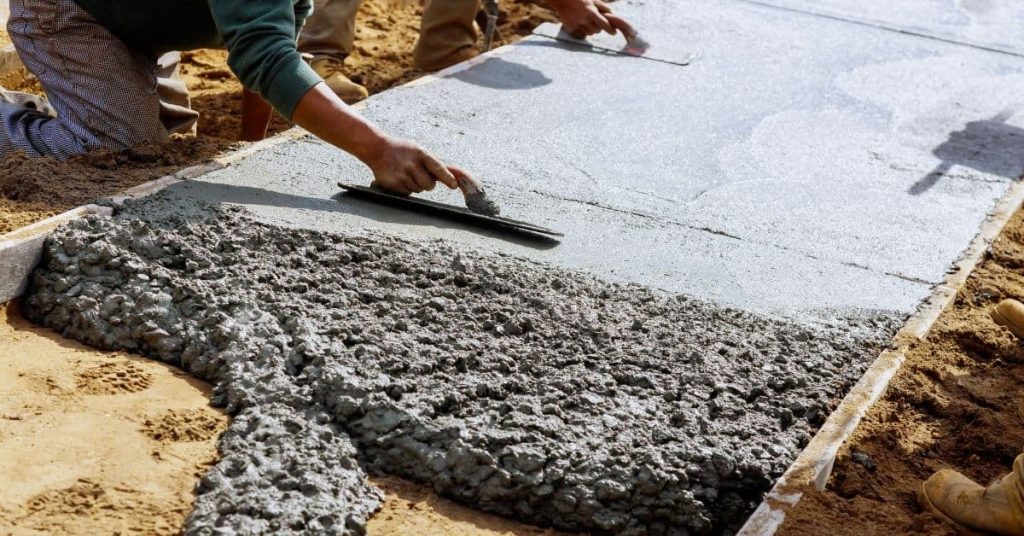
Workers finishing fresh concrete slab with hand trowels

Crazing and hairline map cracks: over-finishing clues and how to keep it subtle

Introduction Crazing and hairline map cracks are very fine, web-like cracks that run across the surface of concrete or plaster. They often look like a spiderweb or tiny branching lines and can appear after finishing when the surface dries unevenly. These marks aren’t structural failure, but they do affect the look and texture of a

Crazing and hairline map cracks: over-finishing clues and how to keep it subtle Read More »

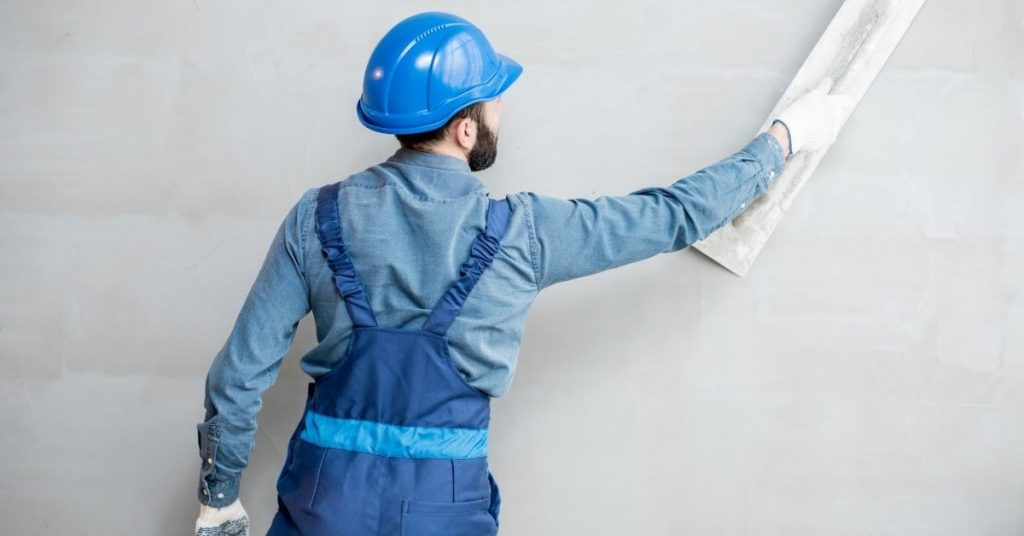
Worker in blue helmet smoothing a light gray plaster wall

Roman Clay Wall Finishes: Substrate Picks, Burnish Timing, and Sealing Options

Introduction Roman clay wall finishes are traditional lime-based plasters applied to walls to create a natural, earthy, matte surface. They require a clean, sound substrate and proper priming before application. Burnish timing depends on conditions and should be tested on a scrap area to get the feel you want. These finishes work well in living

Roman Clay Wall Finishes: Substrate Picks, Burnish Timing, and Sealing Options Read More »

bucket with plastering tools on wet surface outdoors

Tadelakt for DIY Bathrooms: Burnishing, Waxing, and Details That Prevent Failure

Introduction Tadelakt is a traditional lime plaster finish used in bathrooms that you burnish and wax to create a smooth, water-resistant surface. This article covers the key steps you can do yourself, like burnishing and applying wax, and the details that help prevent failure. Keep in mind that proper preparation and careful curing are essential

Tadelakt for DIY Bathrooms: Burnishing, Waxing, and Details That Prevent Failure Read More »

Black painted brick wall with uneven paint coverage

Interior Painted Brick Done Right: Bond Tests, Primers, and Bleed-Through Fixes

Introduction Interior painted brick means coating interior brick walls with paint using proper prep to ensure adhesion and durability. This article covers how to test for good bond, what primers to use, and how to fix bleed-through in plain, hands-on terms. You’ll find practical steps you can follow on a DIY job site and what

Interior Painted Brick Done Right: Bond Tests, Primers, and Bleed-Through Fixes Read More »

Close-up of blue painted wood siding with horizontal grooves

Acrylic Render Over Painted Stucco: Bond Tests, Prep, and Failure Prevention

Introduction Acrylic render over painted stucco is the process of applying an acrylic finish coat on top of painted stucco to create a new, durable surface. Before you start, run bond checks and surface prep to decide if the paint will hold and where it may peel. Inspect for peeling paint, loose patches, and gloss,

Acrylic Render Over Painted Stucco: Bond Tests, Prep, and Failure Prevention Read More »