Search Results for: recycle block to

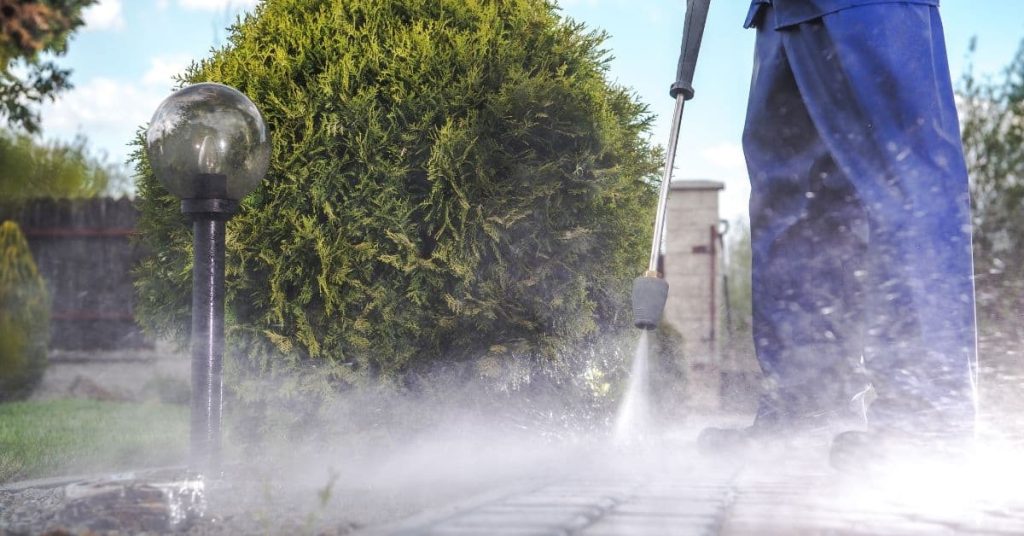
Person pressure washing concrete outdoor pathway

Pervious Concrete Maintenance: Prevent Clogging and Restore Drainage

Introduction Pervious concrete maintenance is the ongoing care you do to keep its water-draining pores open and prevent clogging. Over time, roots, sediment, and debris can fill the pores and slow drainage. This is why it needs regular cleaning and timely repairs, not a one-time fix. Compared with traditional concrete, pervious surfaces require more frequent […]

Pervious Concrete Maintenance: Prevent Clogging and Restore Drainage Read More »
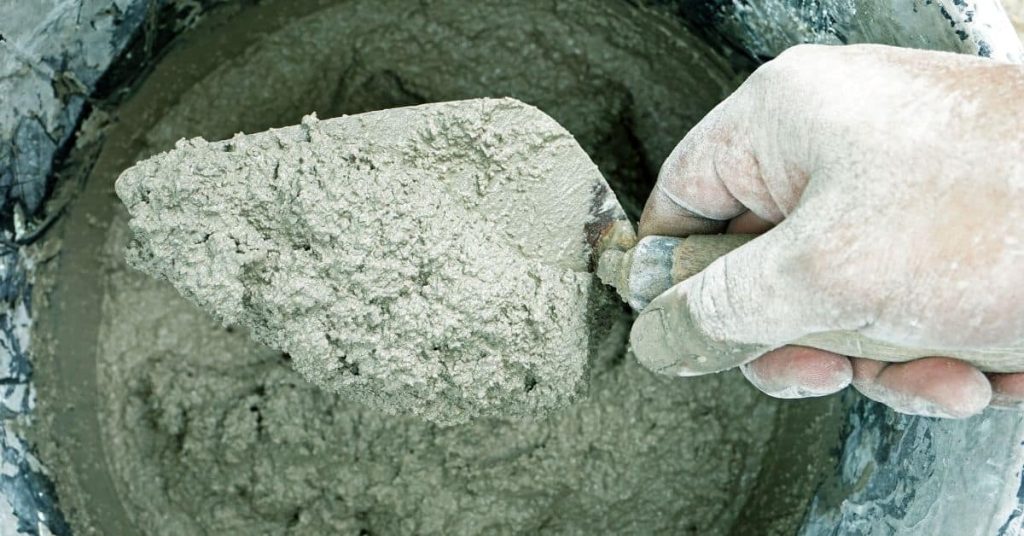
Hand holding trowel with wet concrete mixture

Shotcrete vs Hand Patching for Vertical Repairs: When Shotcrete Wins (and Why Patches Fail)

Introduction Shotcrete is a sprayed concrete repair method that builds up material quickly on vertical surfaces. Hand patches involve applying a keyed patch with mix and hand troweling, which is slower and more surface-bound. For DIY projects, shotcrete can address larger flaws, while patches rely on proper surface prep and bonding. In practice, shotcrete wins

Shotcrete vs Hand Patching for Vertical Repairs: When Shotcrete Wins (and Why Patches Fail) Read More »

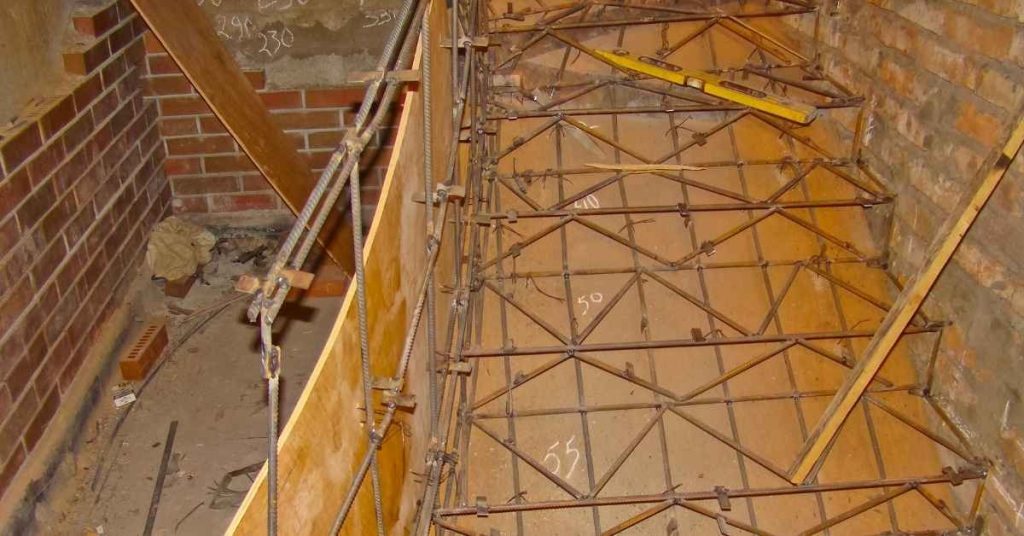
Steel rebar grid inside wooden concrete formwork in narrow space

Basalt Rebar: Where It Makes Sense and How to Detail It in Marine Zones

Introduction Basalt rebar is a non-metal reinforcement made from basalt rock fibers that can replace traditional steel in concrete. It’s designed to resist corrosion in coastal and marine settings. This introduction covers what basalt rebar is and how it fits into marine-zone detailing. In marine zones, basalt rebar helps reduce rusting and long-term maintenance compared

Basalt Rebar: Where It Makes Sense and How to Detail It in Marine Zones Read More »

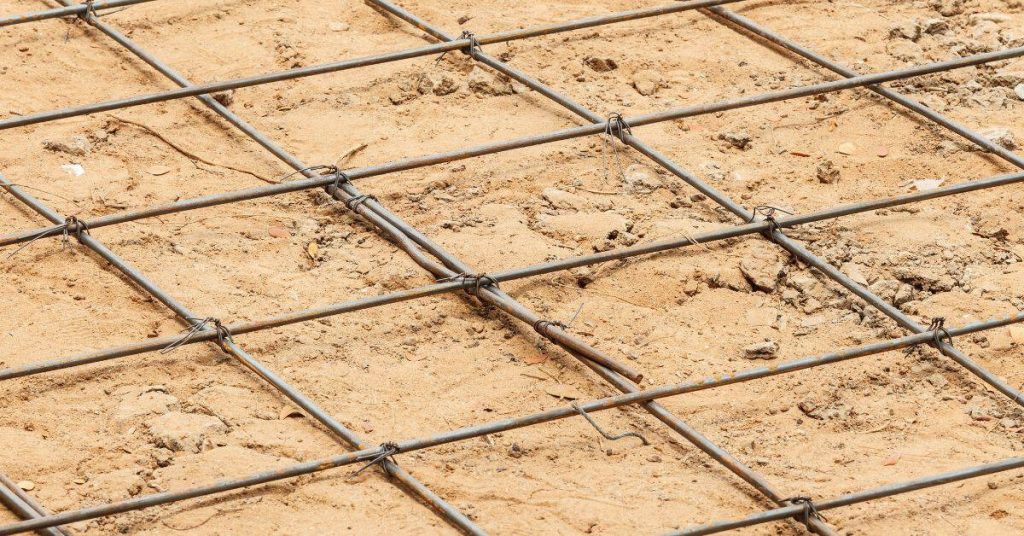
Steel rebar grid tied with wire on sandy ground

Reinforcement Beyond Steel Rebar: Basalt, FRP, Couplers, and Headed Bars

Introduction Reinforcement beyond steel rebar means using non-metallic or alternative materials to strengthen concrete, such as basalt fibers, FRP, couplers, and headed bars. They can resist corrosion and may install differently than traditional rebar. Always check manufacturer instructions and local rules to confirm suitability for your project. FRP rebar offers a value proposition in durability

Reinforcement Beyond Steel Rebar: Basalt, FRP, Couplers, and Headed Bars Read More »

Box fan facing damp concrete basement floor and wall

Limecrete Basement Floors: Breathability, Moisture Control, and DIY Installation

Introduction Limecrete basement floors are lime-based, breathable floor layers that help moisture move through the slab. They differ from traditional concrete by using lime binders and softer finishes, which are more forgiving for moisture control. In practice, you’ll prep the area, mix according to the product label, and check for proper ventilation and curing. DIY

Limecrete Basement Floors: Breathability, Moisture Control, and DIY Installation Read More »

Large precast concrete wall panels supported by braces at construction site

Geopolymer Concrete: When It Beats Portland Cement (Including Precast Planters)

Introduction Geopolymer concrete is an alternative to Portland cement that uses aluminosilicate binders activated by alkalis. For DIY projects, it can be mixed and cured similarly to regular concrete, but you’ll want to follow the product instructions and local guidelines. In precast planters, it can offer different finish options and installation flexibility. Geopolymer concrete often

Geopolymer Concrete: When It Beats Portland Cement (Including Precast Planters) Read More »

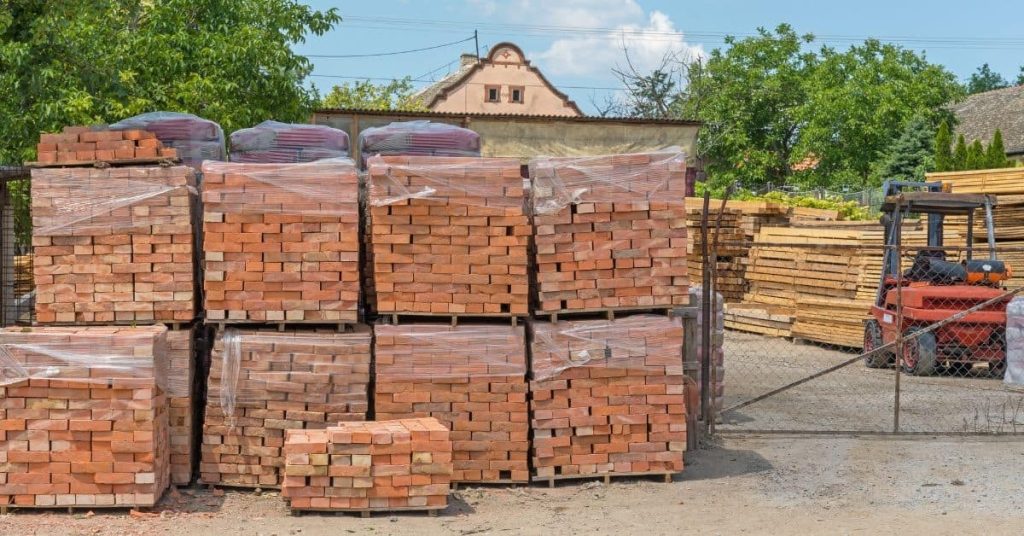
Stacks of red bricks wrapped on wooden pallets outdoors

Alternative Building Materials Compared: Hempcrete, Limecrete, Rammed Earth, and Geopolymer

Introduction This article compares hempcrete, limecrete, rammed earth, and geopolymer concrete as alternative building materials. In plain terms, these are non-traditional mixes and methods used for walls, floors, and envelopes in DIY projects. If you’re planning a project, check product labels, manufacturer instructions, and local rules for guidance on handling, curing, and compatibility with other

Alternative Building Materials Compared: Hempcrete, Limecrete, Rammed Earth, and Geopolymer Read More »

Stacked precast concrete columns outdoors on grass

Concrete Admixtures for DIY Builders: What to Use, What to Skip, and Why

Introduction Concrete admixtures are additives used to modify how concrete behaves. They can improve workability, curing, strength, or durability, depending on the mix and project. For DIY projects, choose admixtures based on the goal, then check the label and manufacturer instructions for your specific cement and conditions. Common types include plasticizers for flow, air entrainers

Concrete Admixtures for DIY Builders: What to Use, What to Skip, and Why Read More »

Concrete stairs next to a red brick wall

Integral Waterproofing Admixtures: What They Can Do—and What They Can’t

Introduction Integral waterproofing admixtures are additives mixed into concrete to reduce water penetration from within. They work during curing and can be easier to install than external membranes, but their effectiveness depends on mix, quality, and application conditions. For DIY projects, expect they won’t fix existing cracks or damage and you still need proper concrete

Integral Waterproofing Admixtures: What They Can Do—and What They Can’t Read More »