Search Results for: recycle block to

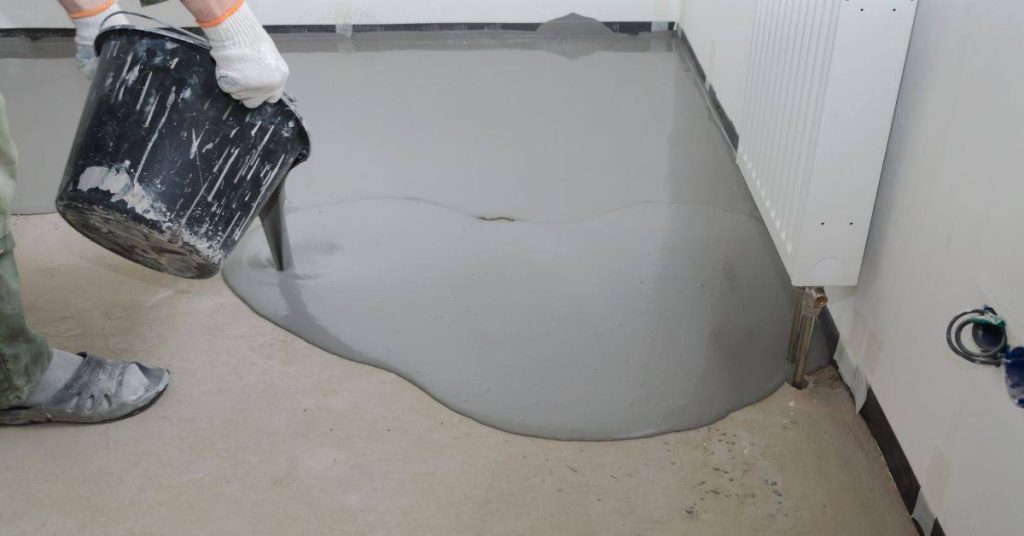
person pouring wet concrete on floor near radiator

Self-Healing Concrete Additives: What’s Real, What’s Marketing, and DIY Alternatives

Introduction Self-healing concrete is concrete that can seal small cracks on its own after curing. In practice, it uses embedded additives or microcapsules that release healing agents when cracks form. How well it works depends on your mix, curing conditions, and the product instructions you follow, so always read labels and follow manufacturer guidance. Self-healing […]

Self-Healing Concrete Additives: What’s Real, What’s Marketing, and DIY Alternatives Read More »
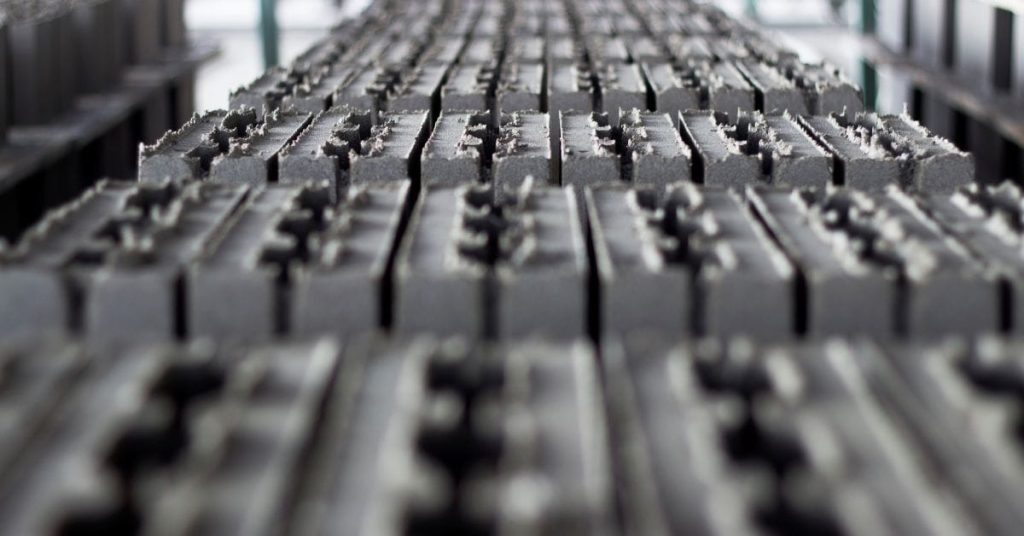
Rows of gray concrete blocks arranged in curing racks

Curing Concrete with Plastic: How to Avoid Discoloration, Wrinkles, and Soft Spots

Introduction Using plastic to cure concrete means covering fresh concrete with plastic to trap moisture and heat and guide a smooth finish. This helps limit discoloration, wrinkling, and soft spots by slowing evaporation. Check local rules and product labels for what type of plastic and how to secure it. Choose a clean plastic sheeting that

Curing Concrete with Plastic: How to Avoid Discoloration, Wrinkles, and Soft Spots Read More »

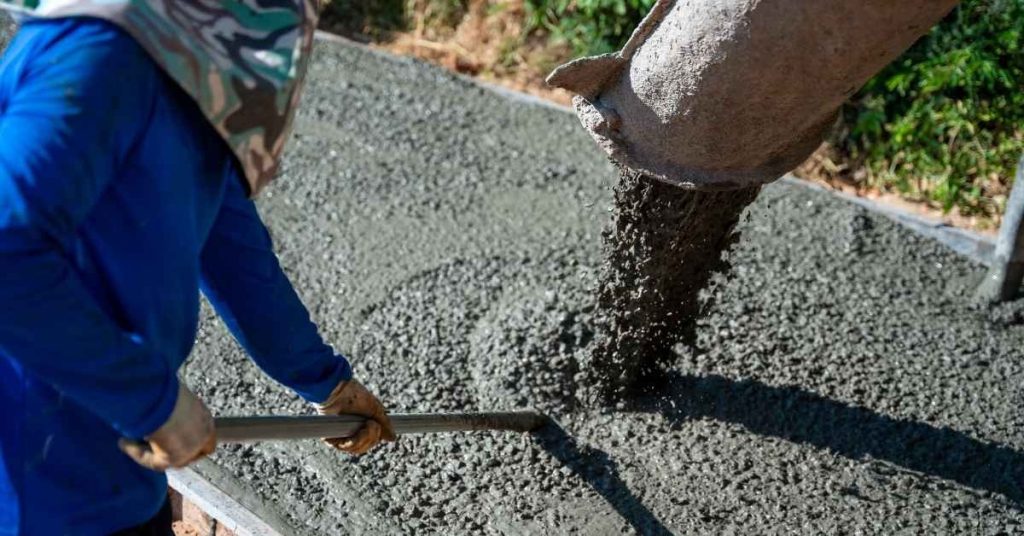
Worker spreading wet concrete from chute with shovel

Adding Gravel to Bagged Concrete: Correct Ratios and Compaction Tips

Introduction Adding gravel to bagged concrete is blending an appropriate amount of aggregate with a pre-mixed concrete product to improve stability and workability. Check the bag or manufacturer instructions for the recommended ratio and how the aggregate should be added. The aim is a consistent mix with fewer voids and a solid, workable set without

Adding Gravel to Bagged Concrete: Correct Ratios and Compaction Tips Read More »

Open metal gate with stone pillars and green landscape

How to Store Bagged Concrete: Moisture Damage, Shelf Life, and Best Practices

Introduction Storing bagged concrete means keeping the bags dry, off the ground, and protected so the mix remains usable when you need it. Moisture damage is the big risk, since humidity or leaks can turn dry premixed concrete clumps or weaken the mix. Check the bag labels and manufacturer instructions for any shelf life guidance,

How to Store Bagged Concrete: Moisture Damage, Shelf Life, and Best Practices Read More »

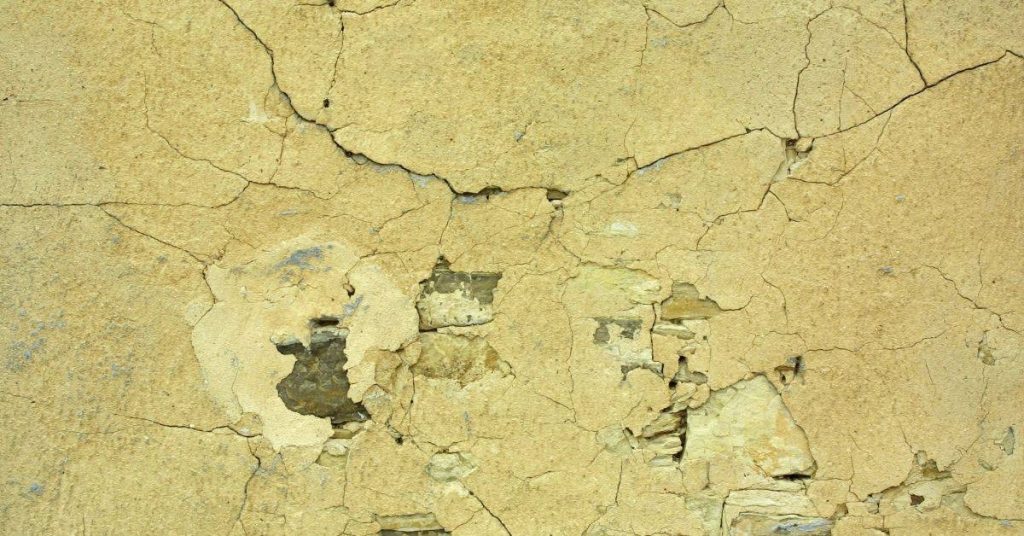
Close-up of cracked and deteriorated concrete wall surface

Microfiber vs Macro Fiber in Concrete: Which to Use (and When)

Introduction Microfibers are ultra-fine fibers added to concrete to improve toughness and crack control. Macro fibers are coarser, longer fibers that help bridge larger cracks and add toughness. For DIY projects, the choice depends on the expected loads and how much cracking you want to limit. In practice, microfibers are mixed at small doses to

Microfiber vs Macro Fiber in Concrete: Which to Use (and When) Read More »

Black and white marble tile surfaces

Tadelakt vs Tile: Where Tadelakt Works, Where It Fails, and What to Use Instead

Introduction Tadelakt is a traditional lime plaster finish used on walls and wet areas. This article offers a plain‑spoken look at where it works well, where it doesn’t, and what you should consider as a DIYer. We cover the basic idea of applying it, the materials you’ll need, and when tiling might be a safer

Tadelakt vs Tile: Where Tadelakt Works, Where It Fails, and What to Use Instead Read More »

Gray concrete slabs with visible cracks

Microtopping Over Old Concrete: Prevent Ghost Cracks, Delamination, and Edge Failures

Introduction Microtopping over old concrete is a thin, decorative concrete top layer that can refresh a worn floor. This article explains how to prepare, mix, and apply it to minimize ghost cracks, delamination, and edge failures. You’ll get a practical, hands-on approach that stays away from textbook theory. Before you start, inspect the surface for

Microtopping Over Old Concrete: Prevent Ghost Cracks, Delamination, and Edge Failures Read More »

Blue swimming pool water next to exposed aggregate concrete edge

Capillary Break Under Slabs: Materials, Foam-Glass Options, and Edge Details That Work

Introduction A capillary break under slabs is a layer or treatment that stops water from wicking from the soil into the concrete. In plain terms, it keeps moisture away from the slab to prevent dampness and cracking. Choose a method and materials that fit your climate and slab design. Foam-glass options can be used as

Capillary Break Under Slabs: Materials, Foam-Glass Options, and Edge Details That Work Read More »

polished concrete floor in industrial style living room

Cellular Concrete vs Gravel Fill for Basement Floors: Cost, Performance, and Moisture Behavior

Introduction Cellular concrete is a lightweight foamed concrete option, while gravel fill is compacted crushed stone. This article compares them in terms of cost, moisture behavior, and performance for a DIY basement floor. Keep in mind that installation methods vary widely depending on local rules and material specifications. Costs depend on material and labor, and

Cellular Concrete vs Gravel Fill for Basement Floors: Cost, Performance, and Moisture Behavior Read More »

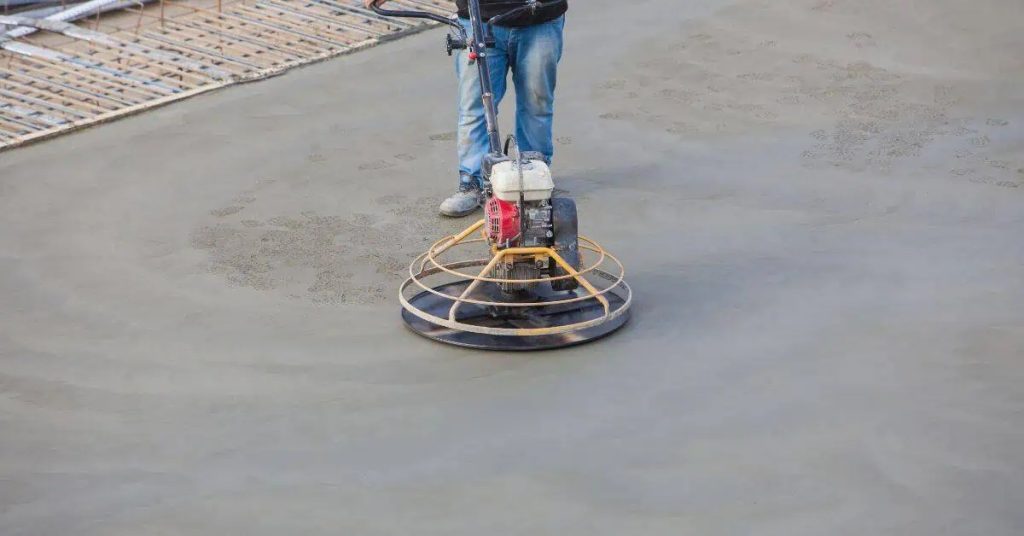
person using power trowel on wet concrete slab

Foamed Concrete for Lightweight Planters and Fill: DIY Mixing, Placing, and Finishing

Introduction Foamed concrete is a lightweight mix used for making planters and fill, mixed with air-entraining foam to reduce weight. This article walks you through practical, hands-on steps for mixing, placing in forms, and finishing for a durable, good-looking result. Check the product instructions and local rules for material limits before you start. Choose the

Foamed Concrete for Lightweight Planters and Fill: DIY Mixing, Placing, and Finishing Read More »