Search Results for: rebar

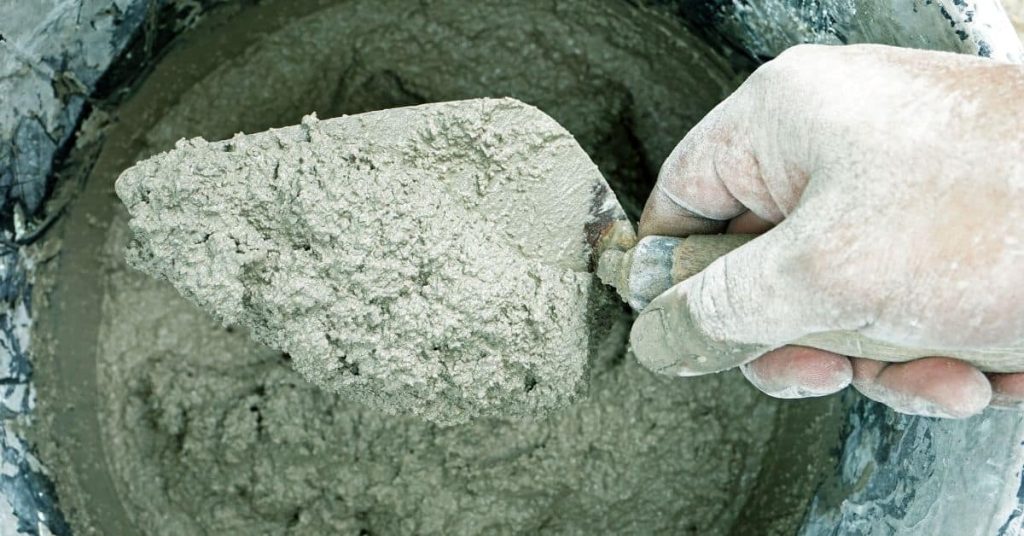
Hand holding trowel with wet concrete mixture

Shotcrete vs Hand Patching for Vertical Repairs: When Shotcrete Wins (and Why Patches Fail)

Introduction Shotcrete is a sprayed concrete repair method that builds up material quickly on vertical surfaces. Hand patches involve applying a keyed patch with mix and hand troweling, which is slower and more surface-bound. For DIY projects, shotcrete can address larger flaws, while patches rely on proper surface prep and bonding. In practice, shotcrete wins […]

Shotcrete vs Hand Patching for Vertical Repairs: When Shotcrete Wins (and Why Patches Fail) Read More »

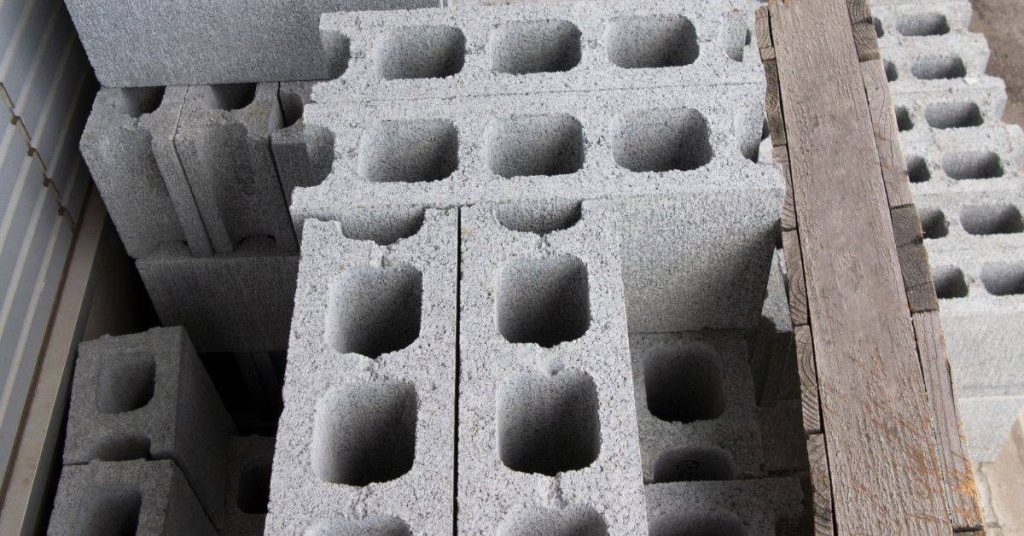
Stacked gray concrete cinder blocks with hollow centers

Rammed Earth vs Concrete Block Outdoors: Cost, Durability, and Maintenance Compared

Introduction Rammed earth and concrete block outdoors are two exterior wall options to compare in terms of cost, durability, and maintenance. This quick, hands-on look will help you decide what fits a DIY setup in your climate and budget. You’ll want to weigh initial costs, long-term upkeep, and how each holds up under weather and

Rammed Earth vs Concrete Block Outdoors: Cost, Durability, and Maintenance Compared Read More »

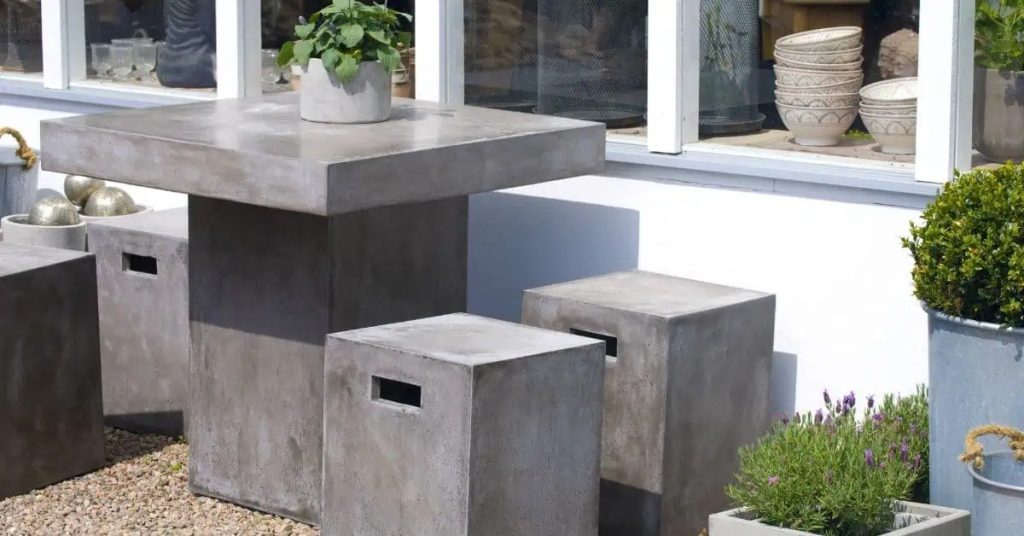
Concrete outdoor table with cube stools on gravel patio

Metakaolin for DIY Concrete Countertops: Mix Tweaks, Sealing, and Troubleshooting

Introduction Metakaolin is a pozzolanic additive that can improve the workability and durability of DIY concrete countertops. In practice, it can tighten the mix and help reduce cracking when you’re pouring custom countertops. Always follow product labels and local rules when mixing. Sealing and curing: use a proper sealer compatible with metakaolin-enhanced mixes and follow

Metakaolin for DIY Concrete Countertops: Mix Tweaks, Sealing, and Troubleshooting Read More »

Red brick townhouse with windows and door under clear sky

Using Corrosion Inhibitors on Exterior Steps and Slabs: DIY Mixing and Curing Guide

Introduction Corrosion inhibitors are additives used to slow rust and protect concrete surfaces from chemical attack on exterior steps and slabs. They help form a protective film and reduce moisture-related corrosion in metal embedded parts and reinforcement. This article covers how to choose, mix, and cure when using them in a DIY setting. Choosing the

Using Corrosion Inhibitors on Exterior Steps and Slabs: DIY Mixing and Curing Guide Read More »

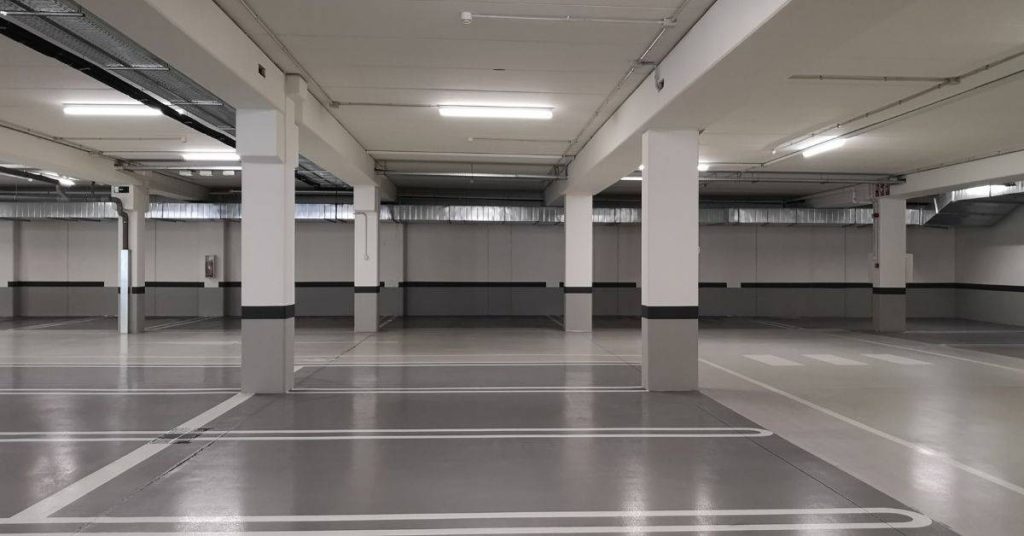
Empty concrete parking garage with support columns and painted lines

Corrosion Inhibitors in Garage Slabs: Dosage Mistakes, Rust Stains, and Prevention

Introduction Corrosion inhibitors in garage slabs are additives that help slow rusting of metal embedded in concrete. They work by interfering with the chemical reactions that cause oxidation when moisture and salts are present. For a DIY project, read the product label carefully to understand the intended use and dosage guidance. A common mistake is

Corrosion Inhibitors in Garage Slabs: Dosage Mistakes, Rust Stains, and Prevention Read More »

Empty unfinished room with smooth white plastered walls

Corrosion Inhibitors for Concrete: When They Matter and When They Don’t

Introduction Corrosion inhibitors for concrete are additives or treatments that slow the rusting process in embedded steel by reducing water or chloride penetration and altering the local chemistry. In plain DIY terms, they can help if you’re protecting new concrete or repairing exposed rebar, but they aren’t a substitute for proper waterproofing or crack control.

Corrosion Inhibitors for Concrete: When They Matter and When They Don’t Read More »

Concrete countertop with sink cutout and dark metal faucet

DIY Concrete Countertops with Superplasticizer: Mixing, Placement, and Finishing

Introduction DIY concrete countertops with superplasticizer are hand-poured countertop slabs that use a superplasticizer to improve flow and reduce slump. This article covers mixing, placement, and finishing in plain, hands-on terms. You’ll learn what to check on the product label, how to prep forms, and how to avoid common mistakes. Mixing, placing, and finishing require

DIY Concrete Countertops with Superplasticizer: Mixing, Placement, and Finishing Read More »

Stacked precast concrete columns outdoors on grass

Concrete Admixtures for DIY Builders: What to Use, What to Skip, and Why

Introduction Concrete admixtures are additives used to modify how concrete behaves. They can improve workability, curing, strength, or durability, depending on the mix and project. For DIY projects, choose admixtures based on the goal, then check the label and manufacturer instructions for your specific cement and conditions. Common types include plasticizers for flow, air entrainers

Concrete Admixtures for DIY Builders: What to Use, What to Skip, and Why Read More »

Concrete stairs next to a red brick wall

Integral Waterproofing Admixtures: What They Can Do—and What They Can’t

Introduction Integral waterproofing admixtures are additives mixed into concrete to reduce water penetration from within. They work during curing and can be easier to install than external membranes, but their effectiveness depends on mix, quality, and application conditions. For DIY projects, expect they won’t fix existing cracks or damage and you still need proper concrete

Integral Waterproofing Admixtures: What They Can Do—and What They Can’t Read More »

Concrete wall with peeling and damaged white paint surface

Crystalline Waterproofing for Concrete: How It Works and Where It Fails

Introduction Crystalline waterproofing is a treatment that makes concrete itself less permeable by filling its pores with crystalline compounds. It is typically applied or incorporated during construction, so the concrete blocks water intrusion rather than just coating it. This approach aims to create internal barriers that work as the concrete hydrates and cures. The mechanism

Crystalline Waterproofing for Concrete: How It Works and Where It Fails Read More »