Search Results for: rebar

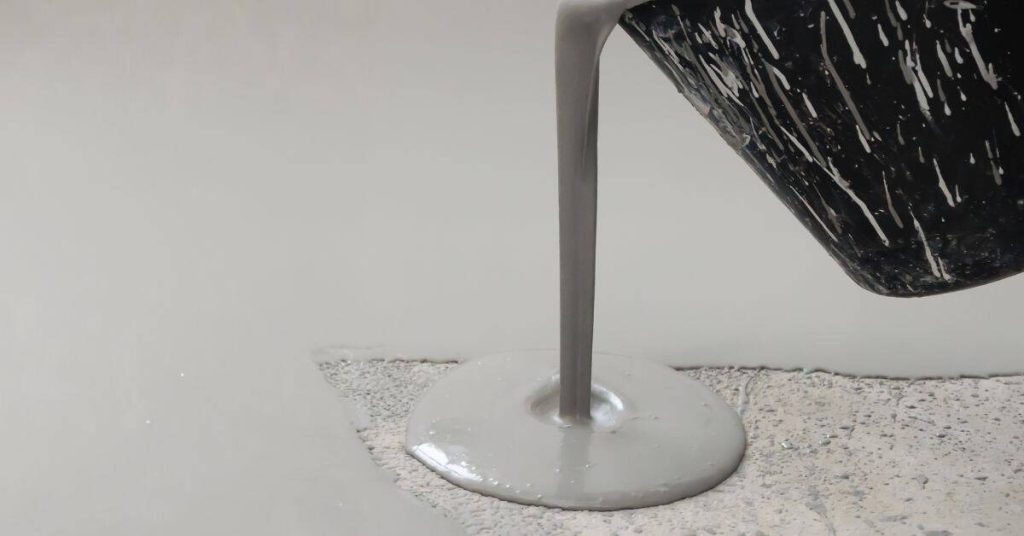
Gray liquid concrete being poured from bucket onto surface

Concrete Isolation Joints: Where to Place Them Around Walls and Columns

Introduction An isolation joint is a gap that lets the concrete slab move independently from walls and columns to prevent cracking. In this article we cover where to put them around walls and columns in a DIY-friendly way, not a textbook. Check local rules and manufacturer instructions for placement guidance. Geotechnical soil conditions and reports […]

Concrete Isolation Joints: Where to Place Them Around Walls and Columns Read More »

Two black rectangular planters with green plants outside white house

Ferrocement Planters and Thin Structures: Mesh Layout, Mortar Mix, and Curing

Introduction Ferrocement is a thin, reinforced cement mortar system that uses mesh and a cementitious mix to build lightweight, curved shells like planters. It relies on multiple coats and a strong mesh lattice to hold shape and resist cracking. It’s a hands-on technique that you can adapt for small DIY projects, with attention to formwork

Ferrocement Planters and Thin Structures: Mesh Layout, Mortar Mix, and Curing Read More »

Empty concrete parking garage with support columns and painted lines

Concrete Creep: Why Countertops and Shelves Sag Over Time (and How to Prevent It)

Introduction Concrete creep is the slow, ongoing deformation that happens in hardened concrete under sustained load. It means the material slowly changes shape over time as it bears weight from countertops and shelves. In plain terms, the longer something sits on concrete, the more it can sag or shift a little bit. Common causes include

Concrete Creep: Why Countertops and Shelves Sag Over Time (and How to Prevent It) Read More »

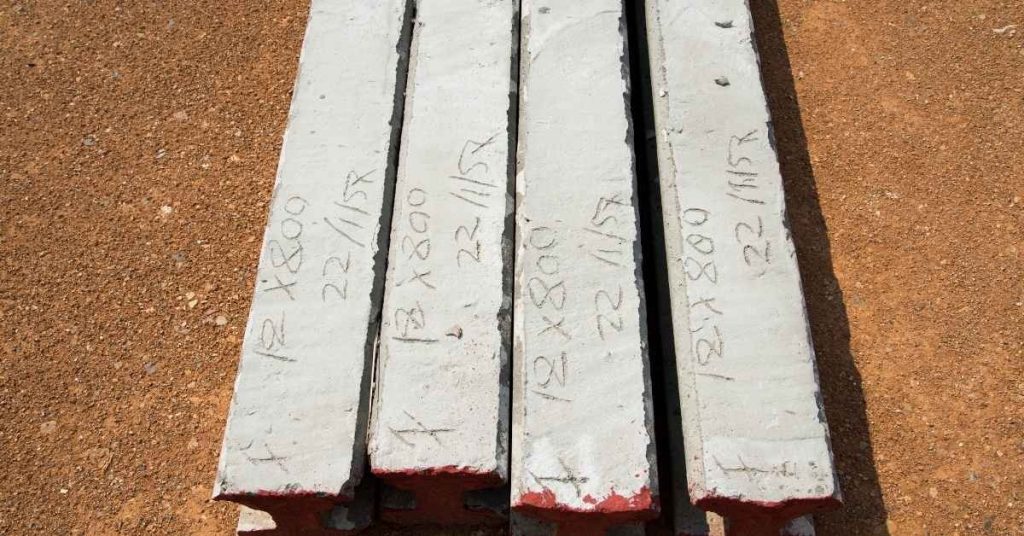
Four concrete test slabs with handwritten measurements on top

Sorptivity Explained: A Simple DIY Absorption Test and What the Results Mean

Introduction Sorptivity is a measure of how quickly a porous material absorbs water through capillary action. In this DIY intro, we’ll keep the test simple and describe what you can observe on a small patch of concrete or plaster. The goal is to get a practical sense of absorption behavior without high-tech gear. Results help

Sorptivity Explained: A Simple DIY Absorption Test and What the Results Mean Read More »

Magnified view of radon symbol over cracked concrete wall.

Radon Fan Placement Basics: Best Locations, Vent Routing, and Common DIY Mistakes

Introduction Radon fan placement is choosing where to install the fan so it can move soil gas from beneath the slab to the outdoors. Pick a location that is accessible for maintenance and close enough to the intake so air can be drawn through the system. Always follow the manufacturer’s instructions and local rules when

Radon Fan Placement Basics: Best Locations, Vent Routing, and Common DIY Mistakes Read More »

drill bit making hole in concrete slab outdoors

Radon Rough-In Under a Slab: Pipe Routing, Sealing, and Must-Have Details

Introduction Radon rough-in under a slab is routing and sealing a pipe under a concrete floor to vent soil gas safely. Do this with plain instructions: plan the path, verify access, and seal joints to limit leaks, while following local rules and manufacturer notes. Before you start, check local rules and follow any recommended testing

Radon Rough-In Under a Slab: Pipe Routing, Sealing, and Must-Have Details Read More »

Blue swimming pool water next to exposed aggregate concrete edge

Capillary Break Under Slabs: Materials, Foam-Glass Options, and Edge Details That Work

Introduction A capillary break under slabs is a layer or treatment that stops water from wicking from the soil into the concrete. In plain terms, it keeps moisture away from the slab to prevent dampness and cracking. Choose a method and materials that fit your climate and slab design. Foam-glass options can be used as

Capillary Break Under Slabs: Materials, Foam-Glass Options, and Edge Details That Work Read More »

Workers pouring wet concrete into a wooden frame outdoors

Cellular Concrete Uses: Trench Backfill and Under-Slab Fill (Pros, Cons, DIY Limits)

Introduction Cellular concrete is a lightweight concrete mix used for trench backfill and under-slab fill. It is also known as foamed or aerated concrete, and it’s discussed as a DIY-friendly option with attention to local rules and product instructions. It’s not a substitute for every job, so check what your project requires first and follow

Cellular Concrete Uses: Trench Backfill and Under-Slab Fill (Pros, Cons, DIY Limits) Read More »

Concrete floor grinding machine on dusty floor surface

Foamed Concrete for Insulation: Common Failures, Protection Details, and When to Avoid It

Introduction Foamed concrete for insulation is lightweight concrete that includes air voids or foam to slow heat transfer. This article gives a practical, hands-on overview for DIY homeowners. It helps you know what to check on labels or with the manufacturer before you mix or apply it. Common failures include moisture intrusion, cracking, and poor

Foamed Concrete for Insulation: Common Failures, Protection Details, and When to Avoid It Read More »

person using power trowel on wet concrete slab

Foamed Concrete for Lightweight Planters and Fill: DIY Mixing, Placing, and Finishing

Introduction Foamed concrete is a lightweight mix used for making planters and fill, mixed with air-entraining foam to reduce weight. This article walks you through practical, hands-on steps for mixing, placing in forms, and finishing for a durable, good-looking result. Check the product instructions and local rules for material limits before you start. Choose the

Foamed Concrete for Lightweight Planters and Fill: DIY Mixing, Placing, and Finishing Read More »