Search Results for: rebar

Closeup of drill bit attached to a drill chuck

How to Clean Anchor Holes Properly: Blow-Brush-Blow vs Shop Vac Myths

Introduction Cleaning anchor holes means removing dust, debris, and loose material so fasteners grip properly. This article covers practical, hands-on steps you can take without fancy gear, and it debunks common myths. Always start by inspecting the hole and following the anchor manufacturer’s guidance. Blow-Brush-Blow and Shop Vac are common ideas for clearing holes, but […]

How to Clean Anchor Holes Properly: Blow-Brush-Blow vs Shop Vac Myths Read More »

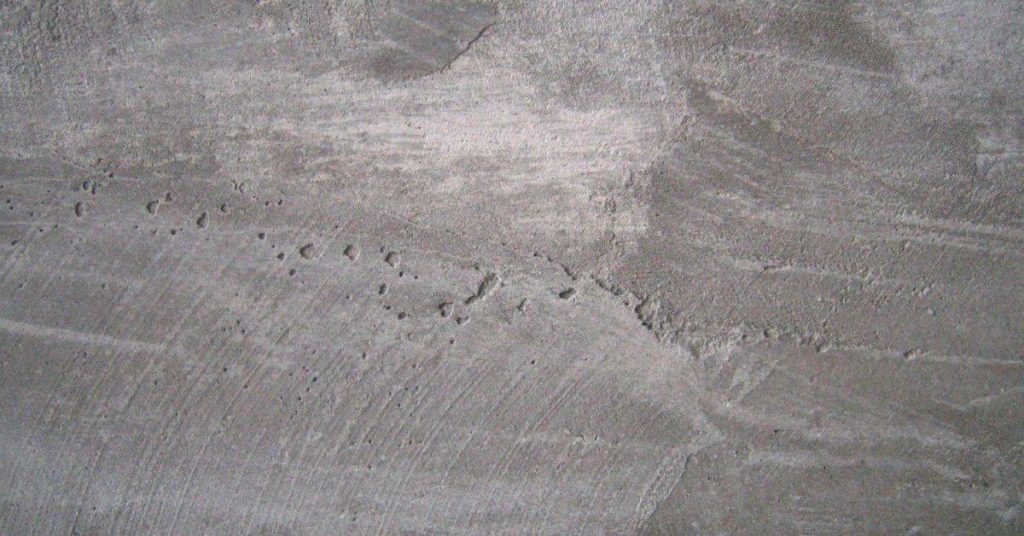
Close-up of old concrete surface with small holes and discoloration

Anchoring into Old Concrete: When the Surface Lies and How to Test Strength

Introduction Old concrete can be unreliable for anchors because the surface may lie about overall strength. The outer layer can look solid even when cores are weak. That means you need a simple test to verify what you’re drilling into. Start by listening for a hollow sound and looking for flaking, spalling, or cracks near

Anchoring into Old Concrete: When the Surface Lies and How to Test Strength Read More »

Decorative plaster floral relief with visible cracks

Fixing Plaster Cracks Above Doorways: Stress Relief Cuts and Reinforcement Choices

Introduction Stress-relief cuts and reinforcement help fix plaster cracks above doorways by reducing tension and adding support. I’ll show you how to identify the crack pattern and decide if you need cuts, mesh, or patching compound. This is a hands-on job you can do with common tools, but check your plaster type and any local

Fixing Plaster Cracks Above Doorways: Stress Relief Cuts and Reinforcement Choices Read More »

Person applying plaster over blue mesh on wall

Clay Plaster Over Plywood: Movement Joints and Mesh Choices That Reduce Cracking

Introduction Clay plaster over plywood is a breathable, clay-based wall finish bonded to a plywood base. If you’re DIYing, expect a more flexible layer that can absorb minor movement without cracking. Plan for movement joints and appropriate reinforcement to guide cracks where you want them. Placement of joints and the right mesh help the plaster

Clay Plaster Over Plywood: Movement Joints and Mesh Choices That Reduce Cracking Read More »

Yellow hard hat, safety gloves, white mask, and safety glasses on table

Categories

Categories: Concrete Practical concrete guides for DIY projects and repairs. You’ll find step-by-step help with prep, forms, reinforcement, finishing, curing, sealing, and troubleshooting common failures. If you’re new to concrete, start with curing/finishing timing and moisture basics first—they prevent most expensive mistakes. Stucco Stucco and cement-based render guides focused on details that prevent water damage

Categories Read More »

Power trowel smoothing fresh concrete floor indoors

Tools & Equipment

Tools & Equipment: Start Here This hub covers the tools that make concrete and masonry work faster, safer, and cleaner—what to buy vs rent, how to use it, and what actually matters. If you’re unsure what tools you need, start with the “core kit” guides first. They’ll save you money and stop you from buying

Tools & Equipment Read More »

Concrete pouring onto rebar grid with workers in background

Concrete

Concrete Guides: Start Here This hub collects my most practical concrete guides in one place—prep, forms, reinforcement, placing, finishing, curing, sealing, and repairs. If you’re new to concrete, don’t start with the pour. Start with the prep and planning guides first. That’s where most “mystery problems” are born. Start here Prep & planning (before you

Concrete Read More »

fresh concrete partially poured on rough surface

Using Burlap for Wet Curing: How to Keep It Wet Without Staining the Surface

Introduction Burlap can be used to keep concrete moist during curing without staining the surface when applied correctly. This method relies on evenly saturated burlap laid over the fresh pour and kept moist. Check the burlap material and manufacturer guidance for suitability and any surface protection needs. Choose burlap that is plain and untreated, and

Using Burlap for Wet Curing: How to Keep It Wet Without Staining the Surface Read More »

Concrete mixer truck pouring foundation at construction site

Concrete on Expansive Soils: Subbase Choices That Reduce Seasonal Heave

Introduction A subbase is the layer beneath a concrete pavement that provides support and a leveled, dry foundation. It helps distribute loads, control settlement, and keep the surface from shifting as soils move. For expansive soils, choosing the right subbase means considering drainage, compaction, and how moisture affects soil volume. Think of subbase choices as

Concrete on Expansive Soils: Subbase Choices That Reduce Seasonal Heave Read More »