Search Results for: primer sealer for concrete

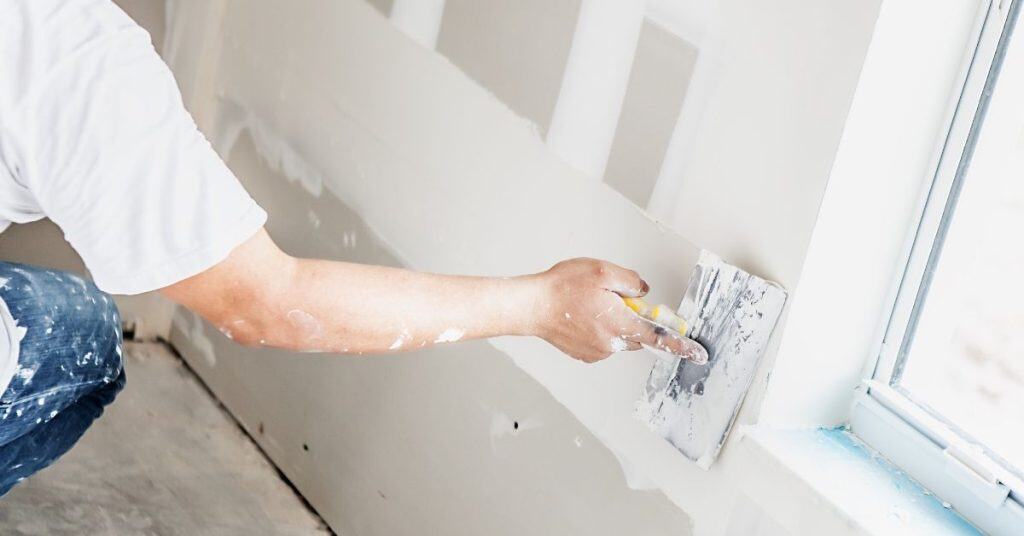
Person applying drywall joint compound near window

Choosing Plaster vs Joint Compound for Repairs: Durability, Sanding, and Paint Finish Differences

Introduction Plaster is a harder-setting wall finish made from cement- or gypsum-based mixes, while joint compound is a softer, gypsum-based product meant for taping and small repairs. For DIYers that means plaster will hold up better in high-traffic areas and where impact resistance matters, and joint compound is easier to apply and feather for small […]

Choosing Plaster vs Joint Compound for Repairs: Durability, Sanding, and Paint Finish Differences Read More »

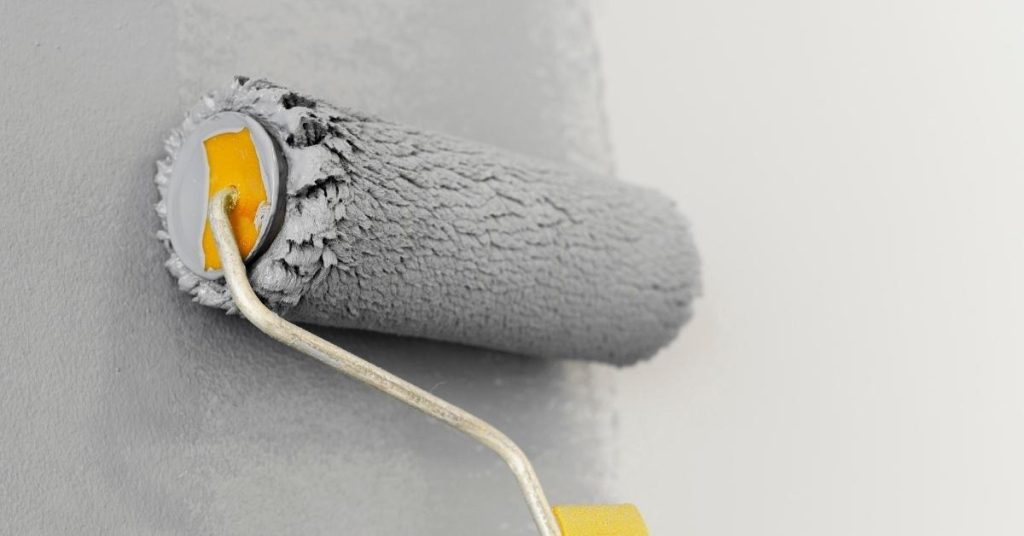
Paint roller applying gray paint on white wall

Rolling Paint Like a Pro: Managing Load, Speed, and Back-Rolling to Eliminate Stipple and Lap Marks

Introduction Rolling paint like a pro means controlling how much paint is on the roller, how fast you move it, and when you back-roll so the finish lays down smooth without stipple or lap marks. Think in practical terms: load the roller evenly, keep a steady, deliberate pace, and follow with a light back-roll while

Rolling Paint Like a Pro: Managing Load, Speed, and Back-Rolling to Eliminate Stipple and Lap Marks Read More »

Aluminum ladder next to paint cans and roller on wooden floor

Prepping Glossy Surfaces for Paint Adhesion: Bond Tests, Sanding Grits, and When Deglossers Fail

Introduction Prepping glossy surfaces for paint adhesion means removing or disrupting the shiny layer and testing the bond before committing—either by sanding, using a chemical deglosser, or combining both with the right primer. You can sometimes skip aggressive sanding if a proper deglosser and an adhesion-promoting primer are compatible with the substrate, but check product

Prepping Glossy Surfaces for Paint Adhesion: Bond Tests, Sanding Grits, and When Deglossers Fail Read More »

Close-up view of crushed concrete aggregate stones

Exposed Aggregate Repairs: Re-Exposing Stone Without Washing Out the Patch

Introduction Exposed aggregate repairs that re-expose stone without washing out the patch means removing the surface paste down to the original aggregate so the patch blends with the surrounding concrete. It’s a hands-on process using mechanical abrasion and careful material matching rather than scrubbing with water until the new paste disappears. Check product labels and

Exposed Aggregate Repairs: Re-Exposing Stone Without Washing Out the Patch Read More »

Four concrete test slabs with markings on reddish ground

Isolation Joints vs Control Joints: Where Each Belongs on DIY Slabs

Introduction Isolation joints separate a slab from vertical or fixed elements, while control joints are intentional shallow cuts that encourage where a slab cracks; put simply, isolation keeps things apart and control tells concrete where to crack. These are different tools for the same problem of movement and cracking, and you choose based on what

Isolation Joints vs Control Joints: Where Each Belongs on DIY Slabs Read More »

Workers on suspended scaffold painting exterior building wall

Stucco Cure Time Before Painting: A Simple Calendar That Prevents Blistering

Introduction Stucco cure time before painting is the period you wait for the material to dry and chemically set enough to accept paint without trapping moisture. In plain jobsite terms, that means letting the stucco go from soft, damp, or lime-rich to stable and dry according to the product instructions before anyone brushes on paint.

Stucco Cure Time Before Painting: A Simple Calendar That Prevents Blistering Read More »

close-up of weathered pink stucco wall with some peeling

Fog Coating Stucco Explained: When a Thin Coat Beats a Full Repaint

Introduction Fog coating stucco is a very thin skim of paint-like material applied over existing stucco to even out color and hide minor texture issues without stripping and redoing the whole surface. Think of it as a light cosmetic refresh rather than a full repaint or re-stucco, useful when the substrate is sound but tired-looking.

Fog Coating Stucco Explained: When a Thin Coat Beats a Full Repaint Read More »

Paint roller applying white paint on ceiling

Choosing Ceiling Paint Sheen and Additives for Steamy Rooms: Sag Resistance, Stain Blocking, and Touch-Up Reality

Introduction Choosing ceiling paint sheen and additives for steamy rooms means picking a finish and modifiers that resist sagging, hide or block water stains, and still allow realistic touch-up later. In plain terms: go with a sheen that balances washability and touch-upability, add a stain-blocking primer where needed, and choose anti-sag or leveling additives when

Choosing Ceiling Paint Sheen and Additives for Steamy Rooms: Sag Resistance, Stain Blocking, and Touch-Up Reality Read More »

White painted wooden shiplap wall with horizontal boards

Flashing on Painted Walls: How to Stop Patchy Sheen From Showing Through

Introduction Flashing on painted walls is the thin barrier that keeps water from seeping behind paint. When it fails, patchy sheen can show through and ruin a smooth finish. Check the paint and flashing product labels for compatibility, and follow manufacturer instructions or local rules if you’re unsure. To prep, clean the wall and repair

Flashing on Painted Walls: How to Stop Patchy Sheen From Showing Through Read More »