Search Results for: primer sealer for concrete

Worker painting exterior wall with yellow paint using long roller

Fading Exterior Paint: Sun Exposure Checks and Better Recoat Timing

Introduction Fading exterior paint is what happens when sun exposure breaks down color and finish over time, caused by UV bleaching, heat, and weather cycling. You’ll notice it as color loss, chalky surfaces, or a dull sheen that won’t rebound with cleaning. Check by looking for noticeable color changes and a chalky or powdery feel […]

Fading Exterior Paint: Sun Exposure Checks and Better Recoat Timing Read More »

Blue ladder in room with patched and primed drywall walls

Setting-Type Mud vs. All-Purpose: Where Each Belongs in Repairs and Finishing

Introduction Setting-type mud is a drywall compound that dries harder for joints, while all-purpose mud is a versatile, faster-setting option for general repairs. In repairs and finishing, use setting-type where you need a strong, clean joint and sanding resistance; use all-purpose for quick fills and smooth coats. Think about the project timeline and surface when

Setting-Type Mud vs. All-Purpose: Where Each Belongs in Repairs and Finishing Read More »

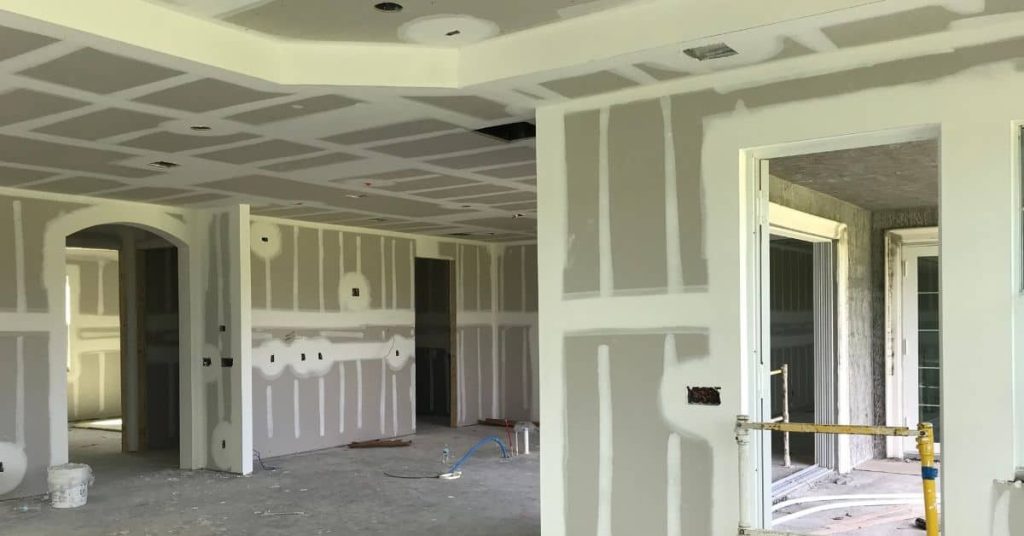
Interior walls with drywall joint tape and joint compound applied

Choosing Joint Tape: Paper vs. Fiberglass vs. FibaFuse (Use Cases and Failure Modes)

Introduction Joint tape is the thin strip that reinforces drywall joints when you compound them. Choosing between paper, fiberglass, and FibaFuse comes down to how you want the joint to behave and how much you’re willing to feather and sand. No matter which you pick, follow the product label and manufacturer instructions for application and

Choosing Joint Tape: Paper vs. Fiberglass vs. FibaFuse (Use Cases and Failure Modes) Read More »

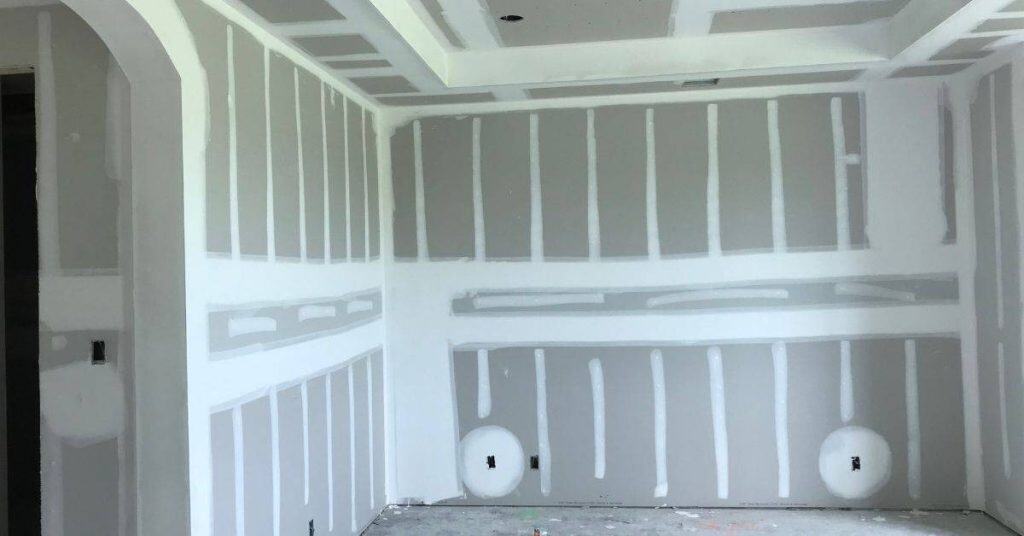
Drywall panels with taped and mudded seams in unfinished room

Drywall Repair After Wallpaper Removal: Fixing Torn Paper Without Bubbles

Introduction Drywall repair after wallpaper removal means fixing the torn or peeled gypsum board surface so it sits flat and ready for paint. You’ll likely need to patch the torn areas, skim the joints, and feather the edges so the wall looks seamless. This is a hands-on job you can do without specialized tools beyond

Drywall Repair After Wallpaper Removal: Fixing Torn Paper Without Bubbles Read More »

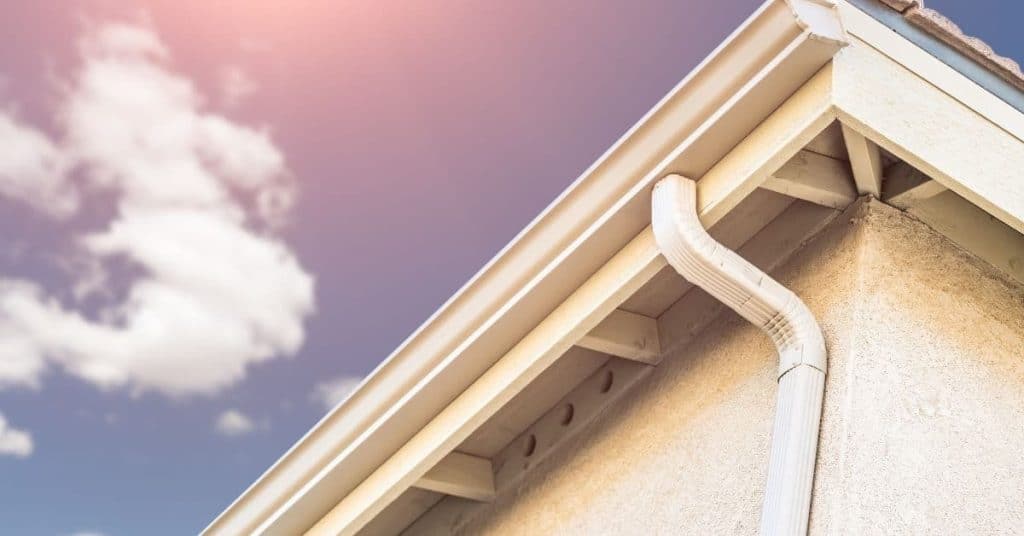
White gutter and downspout on beige house corner under blue sky

Inside Corner Cracks That Keep Returning: Movement Causes and Reinforcement Options

Introduction Inside corner cracks that keep returning are signs of ongoing movement at wall corners. These cracks usually form where framing shifts, settles, or surfaces rub as seasons change. In DIY terms, you’re seeing a repeating tug that small repairs alone won’t stop. Reinforcement options depend on the cause and finish material, and you’ll want

Inside Corner Cracks That Keep Returning: Movement Causes and Reinforcement Options Read More »

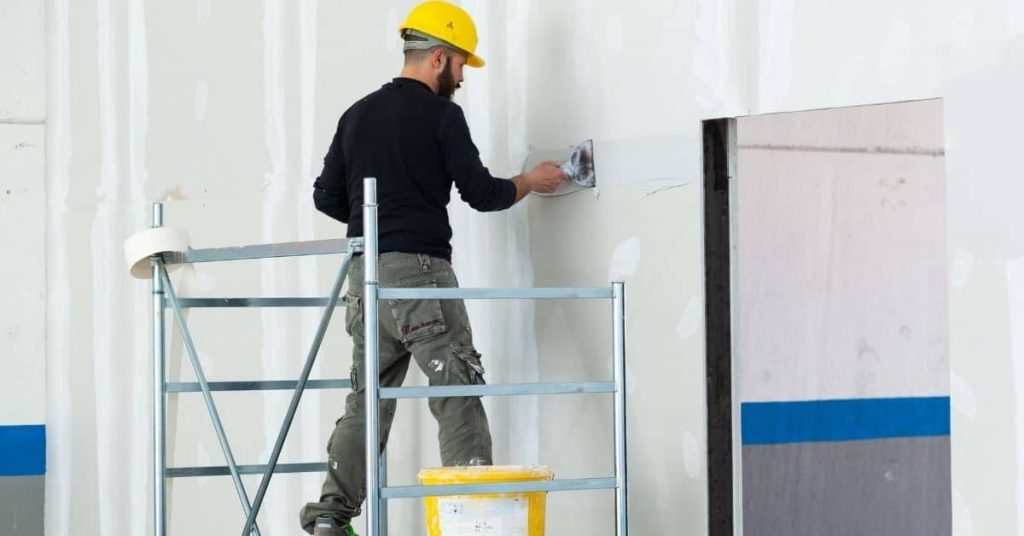
Worker applying plaster to drywall wearing yellow hard hat

Mold-Resistant Drywall in Basements: Moisture Testing Before You Hang Anything

Introduction Mold-resistant drywall is dry wall designed to resist moisture and mold growth in basements. It’s a practical upgrade when you’re finishing a damp space. I’ll walk you through how to tell if it’s a good fit and what to expect on the job. Before hanging anything, do moisture testing and air checks. Use a

Mold-Resistant Drywall in Basements: Moisture Testing Before You Hang Anything Read More »

Blue ladder against patched drywall with primed walls

Greenboard vs. Purple Board vs. Cement Board: Choosing Walls for Bathrooms (Real-World Limits)

Introduction Greenboard, purple board, and cement board are moisture-rated wall materials used in bathrooms. Each has different moisture tolerance, installation needs, and finish options, which affects where you should use them. For a practical DIY approach, start with what the product label and manufacturer instructions say about moisture exposure and prep. In real life, you

Greenboard vs. Purple Board vs. Cement Board: Choosing Walls for Bathrooms (Real-World Limits) Read More »

Worker spraying cement plaster on concrete wall

Plaster in Shower Areas: When Cement Plaster Is Safer Than Gypsum (and Why)

Introduction Cement plaster is typically safer in shower areas because it resists moisture better than gypsum. It dries hard and handles moisture and humidity in wet zones better. Choose cement plaster for areas that get a lot of splash, and always follow the product label and local building guidance. Check that the substrate is sound,

Plaster in Shower Areas: When Cement Plaster Is Safer Than Gypsum (and Why) Read More »

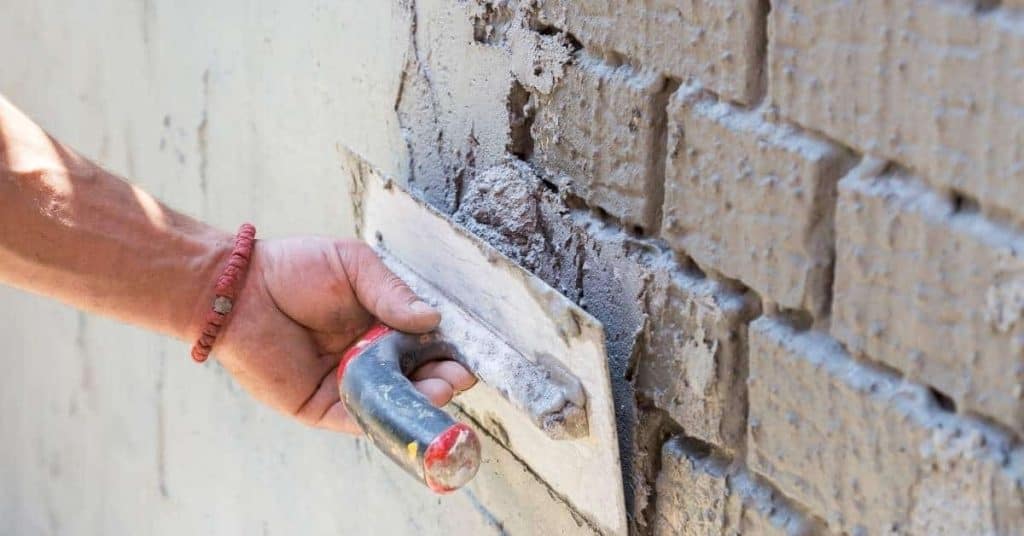
Hand applying plaster to brick wall with trowel

Feathery vs. Sharp Transitions in Plaster Repairs: Choosing the Right Edge Strategy

Introduction A feathery transition blends into the surrounding plaster, while a sharp transition leaves a crisp, defined edge. That choice changes how visible the repair is and how easy it feels to the eye. As a DIYer, your pick depends on wall texture, room style, and how the surface will be used. When you repair,

Feathery vs. Sharp Transitions in Plaster Repairs: Choosing the Right Edge Strategy Read More »

White textured plaster wall surface with swirl patterns

Skim Coating Over Textured Plaster: High-Spot Knockdown and Flatness Checks

Introduction Skim coating over textured plaster is applying a thin, smooth layer to even out high spots and create a flat surface. You’ll knock down the high spots, then skim with lightweight compound to blend the texture. Start by inspecting for obvious ridges and plan where you’ll feather edges. Before you start, confirm you have

Skim Coating Over Textured Plaster: High-Spot Knockdown and Flatness Checks Read More »