Search Results for: primer sealer for concrete

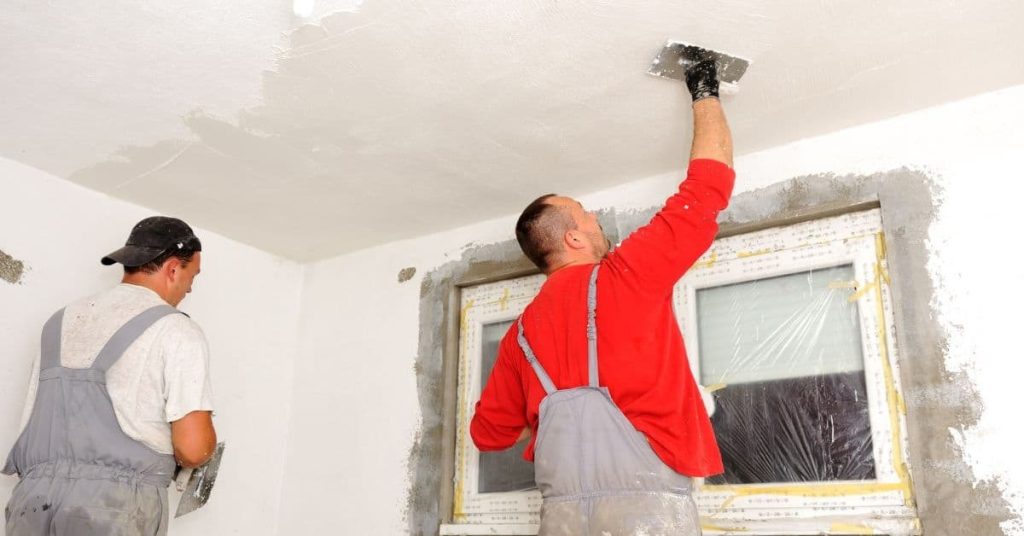
Two men applying plaster to a ceiling and wall near a window

Stopping Water Stain Bleed: Fixing the cause and sealing the ceiling

Introduction Stopping water stain bleed means fixing the moisture source and sealing the ceiling so stains don’t reappear. It’s a hands-on job that starts with finding where the water is coming from and drying the area thoroughly. Then you seal the surface to block any future bleed-through. You’ll see practical tips for locating the leak, […]

Stopping Water Stain Bleed: Fixing the cause and sealing the ceiling Read More »

Paint roller applying white paint on bathroom ceiling

Bathroom Ceiling Paint: Mold resistance without high gloss

Introduction Mold-resistant bathroom ceiling paint with a low-gloss finish resists mold without creating glare. Choose a product labeled for bathroom use and mold resistance, and prep the ceiling first. Always verify the manufacturer’s instructions and local rules for surface prep and drying times. Prepare the ceiling by cleaning, repairing cracks, and letting it dry before

Bathroom Ceiling Paint: Mold resistance without high gloss Read More »

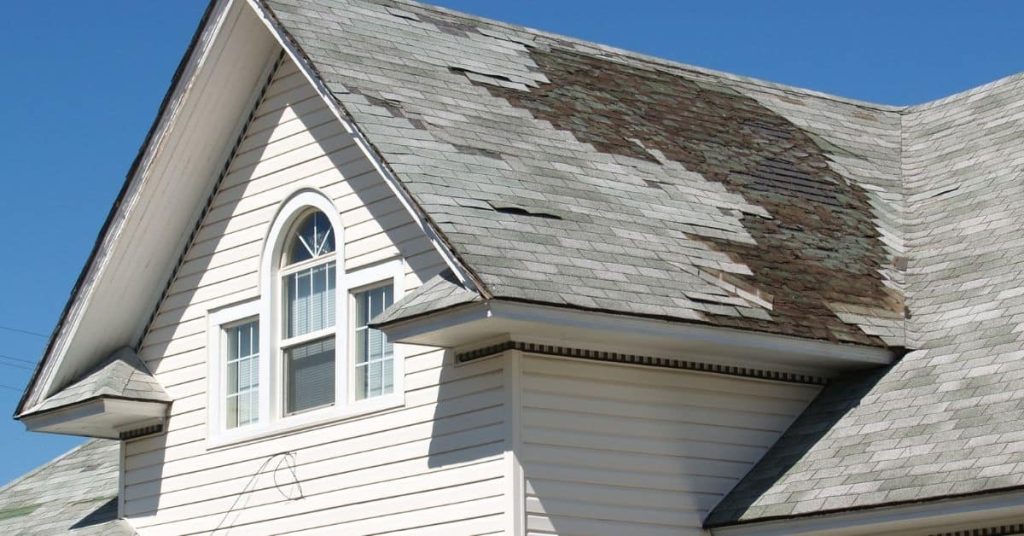
House roof with damaged and missing asphalt shingles

Pipe Boot Leaks: Diagnosing Cracks, UV Damage, and Replacement Steps

Introduction Pipe boot leaks occur when the seal around a vent or plumbing pipe boot fails, letting water into the roof or attic. You’ll usually see staining, damp insulation, or peeling shingle nearby. This article explains how to diagnose the problem and replace the boot safely. Start by inspecting the boot for cracks, splits, or

Pipe Boot Leaks: Diagnosing Cracks, UV Damage, and Replacement Steps Read More »

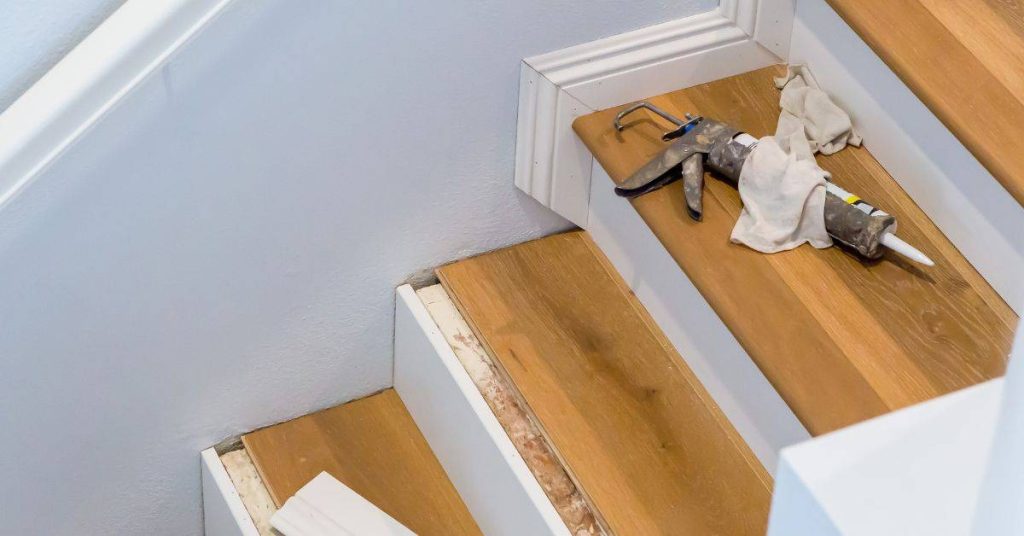
Caulking gun and cloth on wooden stairs next to white baseboards

Caulking Baseboards: Which Caulk to Use and How to Avoid Cracks

Introduction Use a flexible, paintable caulk designed for interior trim to seal baseboards. It should cure cleanly and move with seasonal expansion to prevent cracking. Check that the label says wood or drywall, and look for low VOC if you care. Key takeaways Select a paintable, flexible caulk compatible with both baseboards and walls. Wear

Caulking Baseboards: Which Caulk to Use and How to Avoid Cracks Read More »

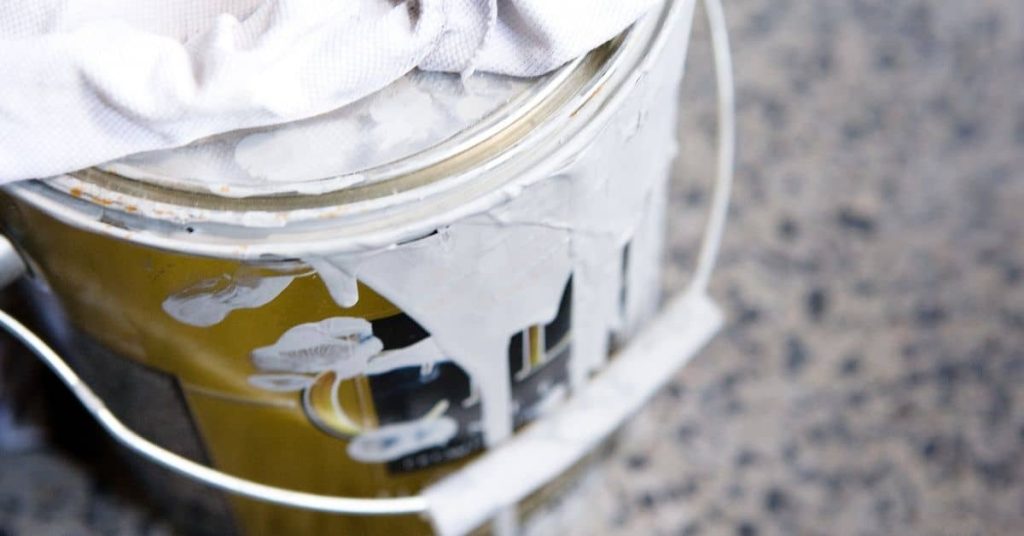
Close-up of paint can with white paint spilled on side

Why Paint Bubbles on Walls: Moisture vs Heat vs Dirt (How to Diagnose)

Introduction Paint bubbles occur when moisture, heat, or dirt get trapped under the paint. That trapped stuff lifts the coating and creates blisters you can see on walls. Check for damp spots, recent heat exposure, or dusty surfaces that weren’t cleaned before painting. To diagnose, inspect the area for moisture, heat exposure, or dirt. Try

Why Paint Bubbles on Walls: Moisture vs Heat vs Dirt (How to Diagnose) Read More »

Close-up of cracked concrete surface with multiple fissures

Cold-Applied Crack Fillers: Which Ones Work and Which Wash Out

Introduction Cold-applied crack fillers are products you can apply at room temperature to seal cracks without using heat. Key takeaways Choose filler types by crack width, substrate, and expected movement. Verify weather suitability and cure times against manufacturer instructions before mixing. Prepare surfaces: clean, dry, and free of loose material prior to application. Apply with

Cold-Applied Crack Fillers: Which Ones Work and Which Wash Out Read More »

Clean garage with painted concrete floor and shelving

Anti-Slip for Garage Coatings: Flake, Grit, and Cleaning Tradeoffs

Introduction Anti-slip coatings for garages use embedded flakes or grit to add traction. Choosing the right mix depends on your surface, traffic, and how much texture you want. Use this guide to compare options and make a practical, DIY-friendly choice. Consider where and how you’ll apply it—entryways, drive lanes, or workshop zones—along with your cleaning

Anti-Slip for Garage Coatings: Flake, Grit, and Cleaning Tradeoffs Read More »

Concrete garage floor with paint roller and wet coating

Garage Floor Paint vs Epoxy vs Polyaspartic: What Actually Holds Up

Introduction Garage floor coatings come in paint, epoxy, and polyaspartic, each with its own durability profile. Paint is simple and forgiving, epoxy offers a thicker hard coat, and polyaspartic dries fast and resists temperature swings. This guide helps you compare protection, appearance, and DIY viability before you pick. You’ll learn what to expect in terms

Garage Floor Paint vs Epoxy vs Polyaspartic: What Actually Holds Up Read More »