Search Results for: primer sealer for concrete

Close-up of rough concrete surface with blurred background lights

Concrete Surface Blisters: Finishing Causes and How to Prevent Them

Introduction Concrete surface blisters are raised pockets on the finish caused by trapped air or moisture beneath the surface. They usually form when the surface dries too quickly or moisture moves upward as the concrete sets. Causes include finishing while the surface is still soft, excessive water in the mix, or rapid evaporation from sun, […]

Concrete Surface Blisters: Finishing Causes and How to Prevent Them Read More »
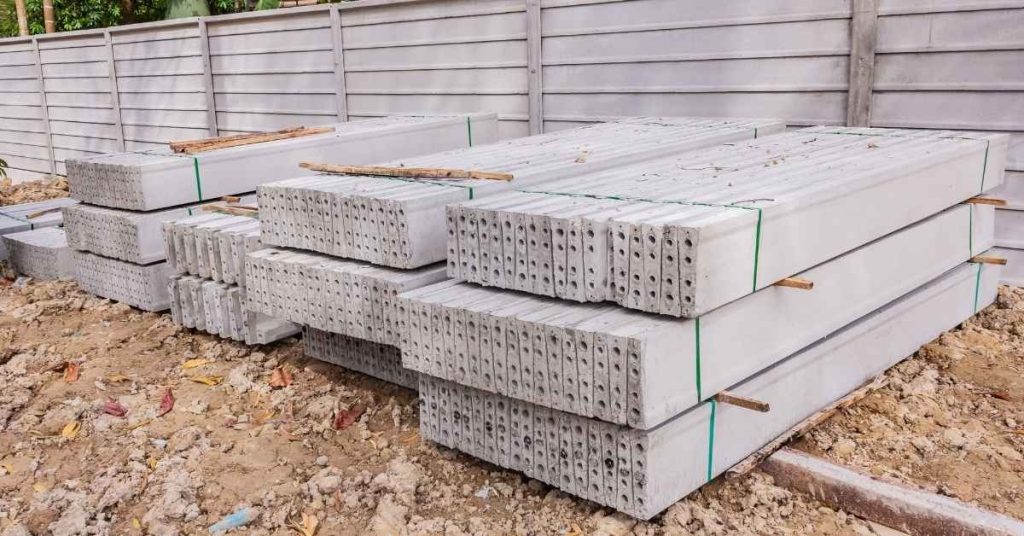
Stacked precast concrete hollow core slabs on dirt ground

Stucco at Concrete Slabs: Proper Gap, Sealant Joint, and How to Fix a Tight Termination

Introduction Stucco at concrete slabs means leaving a controlled gap and sealing it so the finish can move without cracking at the slab edge. This protects the stucco from moisture wicking and movement from the slab; check product instructions and local rules for the gap size and backing material. A proper joint combines a backing

Stucco at Concrete Slabs: Proper Gap, Sealant Joint, and How to Fix a Tight Termination Read More »

Gray Venetian plaster wall texture with subtle irregular patterns

Plaster in Kitchens: Grease Contamination Tests and Primer Choices Before Painting

Introduction Plaster in kitchens means checking for grease contamination and choosing the right primer before you paint to ensure the finish sticks and cleans up later. I’ll walk you through quick, practical grease tests you can do with household items and what to look for so you know when surface conditioning is needed. This is

Plaster in Kitchens: Grease Contamination Tests and Primer Choices Before Painting Read More »

Close-up of paint roller applying white paint on wall corner

How to Paint Over Silicone Contamination: Solvents, Abrasion, and Specialty Primers

Introduction Painting over silicone contamination means removing or isolating slick silicone residue so paint will stick; that can be done with solvents, mechanical abrasion, or specialty primers depending on how much silicone is present. Start by testing a small area to see if solvent or sanding removes the contamination, and always check product labels and

How to Paint Over Silicone Contamination: Solvents, Abrasion, and Specialty Primers Read More »

Person painting wall corner with roller and light paint

Painting Dark Colors Without Streaks: Undercoats, Tinted Primer, and Film Thickness

Introduction Painting dark colors without streaks means building an even base and applying paint so the finish lays down uniformly; start with a proper undercoat or tinted primer and pay attention to film thickness and technique. In plain jobsite terms: prep the surface, choose a primer approach that covers or tints toward the final shade,

Painting Dark Colors Without Streaks: Undercoats, Tinted Primer, and Film Thickness Read More »

Hand holding paint roller with orange paint above drop cloth

Painting Over Fresh Concrete: pH Testing, Wait Times, and Primer Selection

Introduction Painting over fresh concrete means making sure the slab is ready and won’t ruin your paint job; that starts with testing alkalinity, letting the concrete cure, and choosing a primer that matches the slab’s condition. In plain jobsite terms: test surface pH, wait the right amount of time based on the product you plan

Painting Over Fresh Concrete: pH Testing, Wait Times, and Primer Selection Read More »

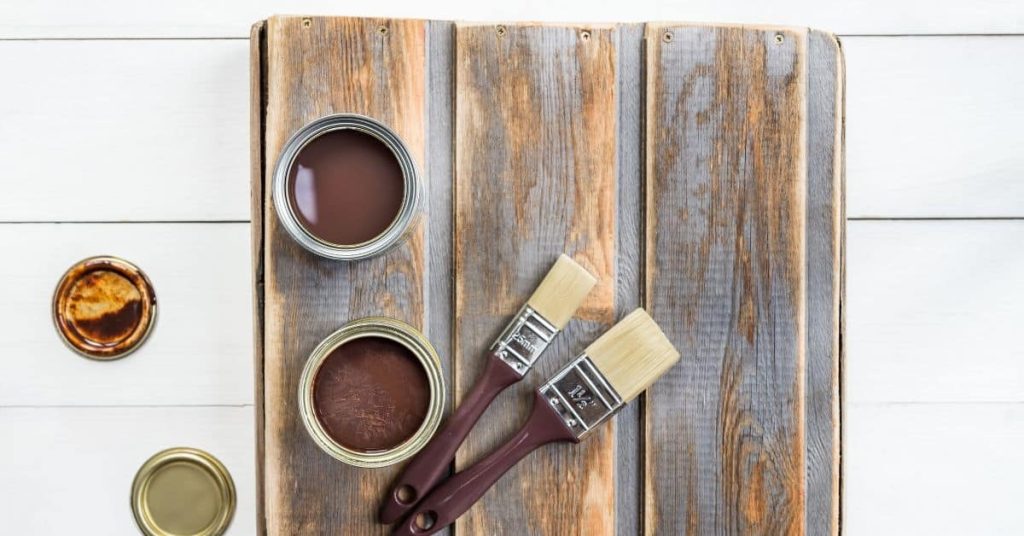
Two open paint cans and two paintbrushes on wooden planks

Shellac vs Oil vs Waterborne Primers: Odor, Dry Time, and Stain-Blocking Tradeoffs

Introduction Shellac, oil, and waterborne primers are different types of sealers with distinct strengths: shellac blocks severe stains and dries fast, oil handles tannin bleed and adhesion well, and waterborne is low-odor and easy to clean; pick by which tradeoff—odor, dry time, or stain-blocking—matters most to your job. Think practical: check the product label and

Shellac vs Oil vs Waterborne Primers: Odor, Dry Time, and Stain-Blocking Tradeoffs Read More »

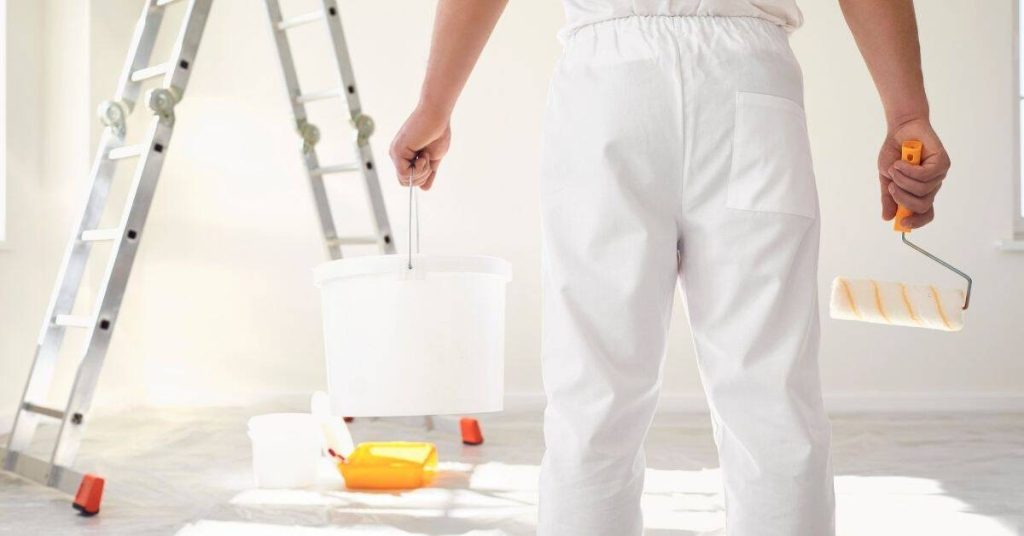
Person in white clothes holding paint roller and bucket near ladder

Painter’s Tape Alternatives: Liquid mask, edge sealers, and when they beat tape

Introduction Painter’s tape alternatives are products and techniques—like liquid masking, edge sealers, and specialty sealants—that block paint or create clean edges where tape isn’t ideal. They work best on irregular surfaces, tight curves, or when tape would lift or leave residue, but check the product label and manufacturer instructions for surface compatibility and drying time.

Painter’s Tape Alternatives: Liquid mask, edge sealers, and when they beat tape Read More »