Search Results for: plaster crack repair

Hand applying white plaster with metal putty knife

Scagliola Basics: Making Faux-Marble Plaster Panels and Sealing Them for Real Use

Introduction Scagliola is a plaster technique used to imitate marble. Key takeaways Choose faux-marble panels when you want durable, low-maintenance decorative plaster. Prepare substrate with clean, sound surface and proper moisture management. Use sharp tools and steady mixing with PPE to avoid texture inconsistencies. Marbling requires even color distribution; test small panels before full cast. […]

Scagliola Basics: Making Faux-Marble Plaster Panels and Sealing Them for Real Use Read More »
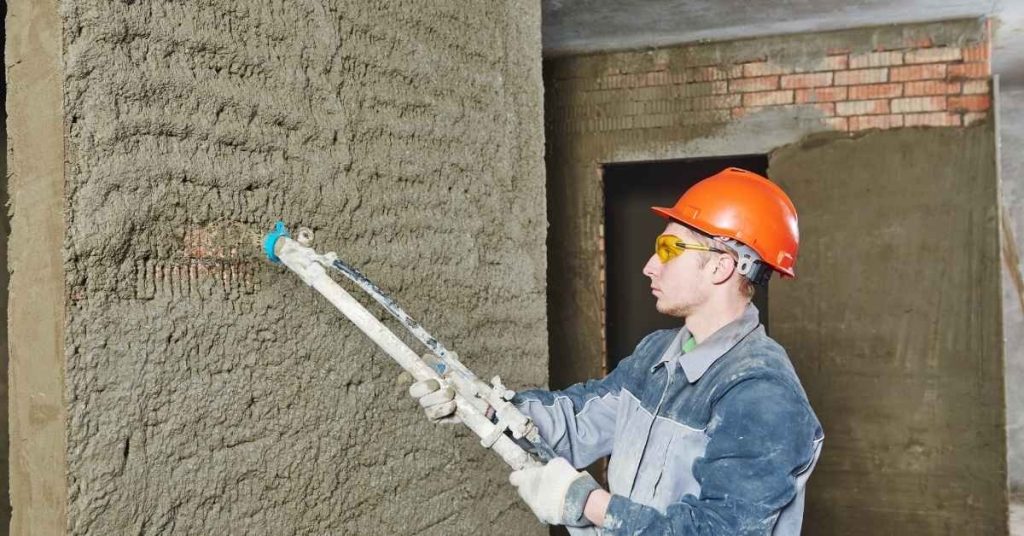
Worker spraying stucco onto brick wall indoors

Stucco Control Joint Placement Around Large Walls: Avoiding Random ‘Map Cracking’ Patterns

Introduction Control joints are planned gaps in stucco that help prevent random map cracking on large walls. Place them at regular intervals and where the wall planes change. Check manufacturer instructions and local rules for spacing and placement guidance. This is a hands-on task you can plan during framing and stucco work. Mark the joints

Stucco Control Joint Placement Around Large Walls: Avoiding Random ‘Map Cracking’ Patterns Read More »

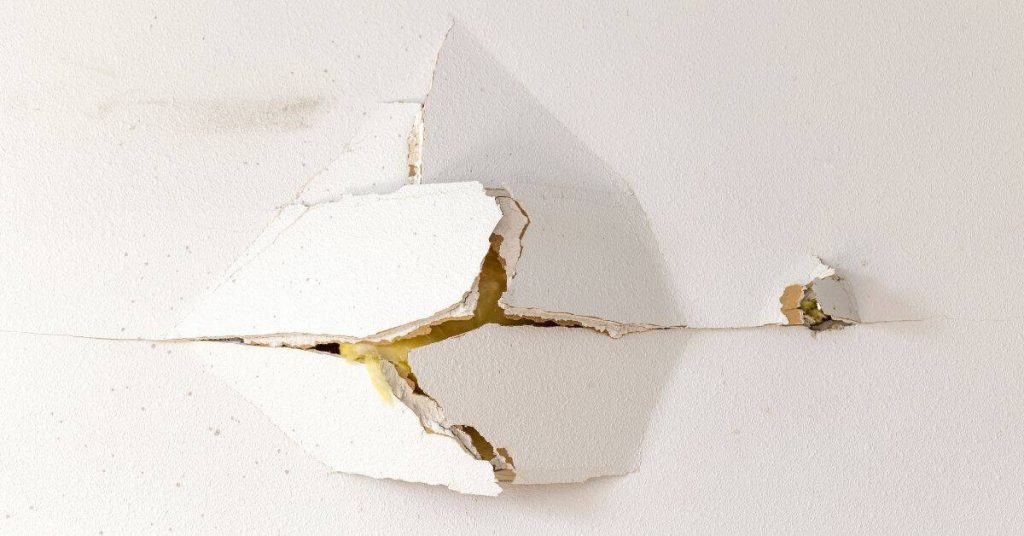
Closeup of cracked and peeling plaster on white wall

How to Repair a Failed Patch That Sounds Hollow: Cutback Rules and Reattachment Options

Introduction A failed patch that sounds hollow is a plaster area with voids that likely needs back-cutting and reattachment. In plain terms, you’ll check why it came loose and decide whether to trim the patch back or start fresh. This is a real-world, DIY job you can handle with basic tools and a patient approach.

How to Repair a Failed Patch That Sounds Hollow: Cutback Rules and Reattachment Options Read More »

Wooden form with rebar grid on concrete and dirt surface

Board-Formed Patch Blending: How to Hide Repairs Inside an ‘Intentional’ Texture

Introduction Board-formed patch blending is a technique for concealing repairs by matching a surface texture to look like the surrounding board pattern. It works by shaping filler and using tools to mimic the grain and lines of the wood. This keeps repairs discreet in an intentionally textured wall or paneling. In practice, you start by

Board-Formed Patch Blending: How to Hide Repairs Inside an ‘Intentional’ Texture Read More »

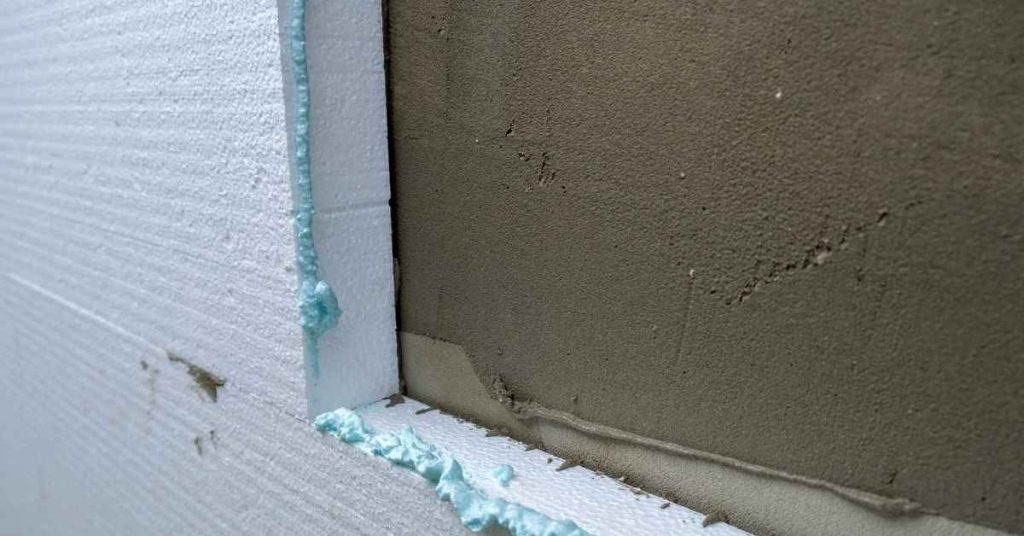
Close-up of foam insulation and repair mortar edge

Feather-Edge Rules for Repair Mortars: Minimum Thickness by Product Type

Introduction Feather-edge thickness for repair mortars is the minimum thickness you should aim for at the feathered edge of a repair, as defined by the product you choose. Because different products have different requirements, always check the label and the manufacturer instructions for the exact minimum. If in doubt, consult local rules or a pro

Feather-Edge Rules for Repair Mortars: Minimum Thickness by Product Type Read More »

Cracked white mortar on red brick wall in sunlight

Latex (SBR) Modifiers in Repair Mortars: Strength Gains vs Breathability Losses

Introduction Latex (SBR) modifiers are synthetic rubber additives used in repair mortars to improve flexibility and adhesion. They help the mortar resist cracking as concrete moves, but they can reduce breathability if overused. Always check the product label and manufacturer instructions for recommended usage and cure expectations. In textile-reinforced mortars (TRMs), SBR modifiers can boost

Latex (SBR) Modifiers in Repair Mortars: Strength Gains vs Breathability Losses Read More »

Orange road work ahead sign with workers in safety gear

Ferrocement Repair Shells: When They Work, How to Build Them, and How They Fail

Introduction A ferrocement repair shell is a thin, reinforced mortar skin applied over a frame to repair or rebuild a boat or similar surface. Work is done in stages—from prep to application to curing—and relies on a solid bond to the existing substrate. This article walks you through what you need to know to decide

Ferrocement Repair Shells: When They Work, How to Build Them, and How They Fail Read More »

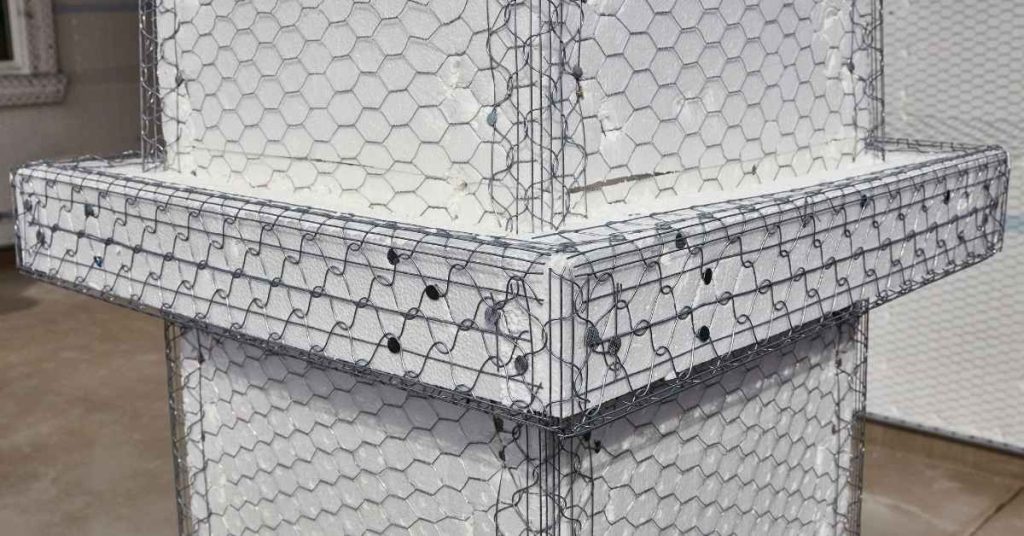
Corner of foam insulation covered with metal wire lath for stucco

Inside Corner Stucco Cracks: Reinforcement details that reduce repeat cracking

Introduction Reinforcement details inside a corner of stucco help prevent cracks from redeveloping. This article gives practical, home-friendly ways to strengthen the joint as you repair. Think of it as a light rebuilding of the corner so movement from framing or temperature doesn’t keep tearing at the surface. Start by inspecting the crack and removing

Inside Corner Stucco Cracks: Reinforcement details that reduce repeat cracking Read More »

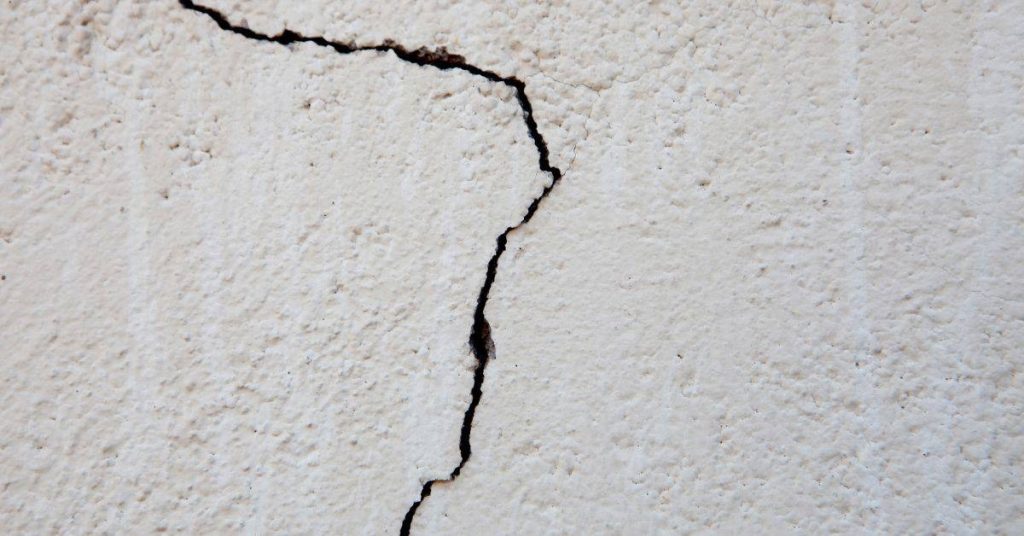
Closeup of cracked white stucco wall texture

Stucco Patch Color Matching: Avoiding halos and obvious repair rings

Introduction Color matching stucco patches means blending the new patch with the existing wall so it looks seamless. Start by inspecting the surface, note the shade under natural light, and compare small test spots. Plan to mix from the same material and apply in thin layers to avoid halos. Feather the edges and apply thin,

Stucco Patch Color Matching: Avoiding halos and obvious repair rings Read More »

Concrete surface with small holes and surface pitting

Hairline Cracks in Countertops: Repair methods that don’t leave lines

Introduction Hairline cracks in countertops are tiny, surface-level fractures that often appear in concrete or stone slabs. They can be caused by shrinkage, temperature changes, or minor impacts during curing and use. Polishing can sometimes reveal hidden flaws, so assess the whole slab before deciding how to fix it. For repair, choose materials designed for

Hairline Cracks in Countertops: Repair methods that don’t leave lines Read More »