Search Results for: pavers concrete

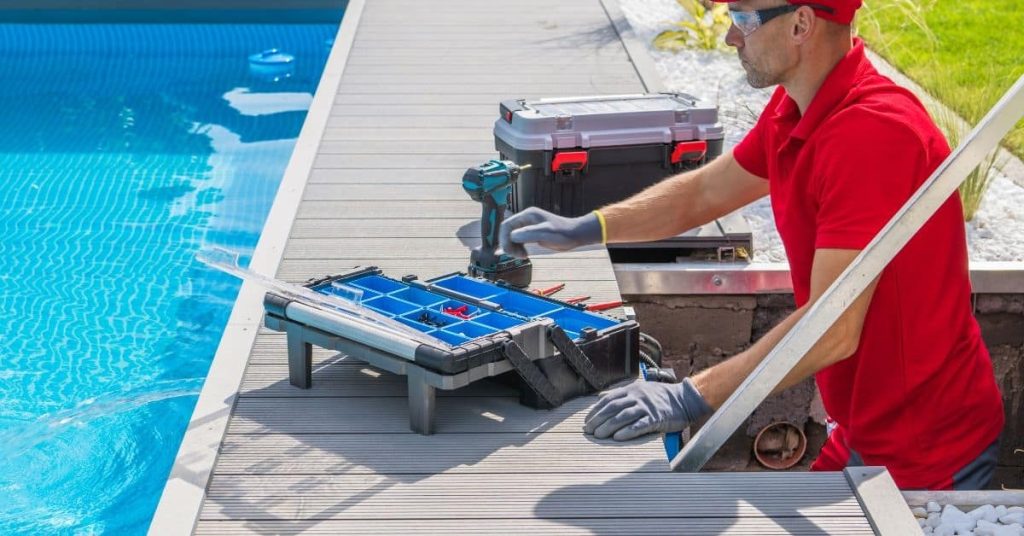
Man in red shirt working with toolbox and electric drill by pool

Brick walkway weeds: jointing options and maintenance that doesn’t erode sand

Introduction Brick walkway weeds occur when the joints between bricks are open enough for weed seeds to take root. This article looks at options to fill those joints and keep the sand in place without eroding. It’s written as a practical, hands-on guide you can use on a DIY project. Jointing sand options range from […]

Brick walkway weeds: jointing options and maintenance that doesn’t erode sand Read More »
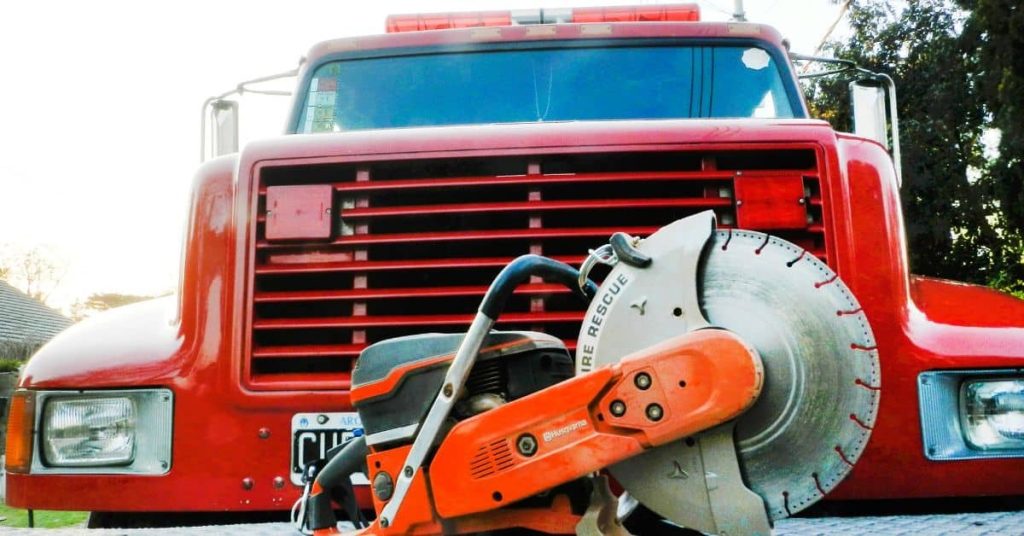
Close-up of red gas-powered cutting saw in front of vehicle

Cutting brick cleanly: blade choice, support, and minimizing blowout

Introduction Cutting brick cleanly means controlling the cut with the right blade, steady support, and careful technique. Choose a blade designed for brick and masonry, and pair it with proper support to reduce chipping. Always check the manufacturer instructions and local rules for your tool and material. Use a suitable diamond blade for brick, and

Cutting brick cleanly: blade choice, support, and minimizing blowout Read More »

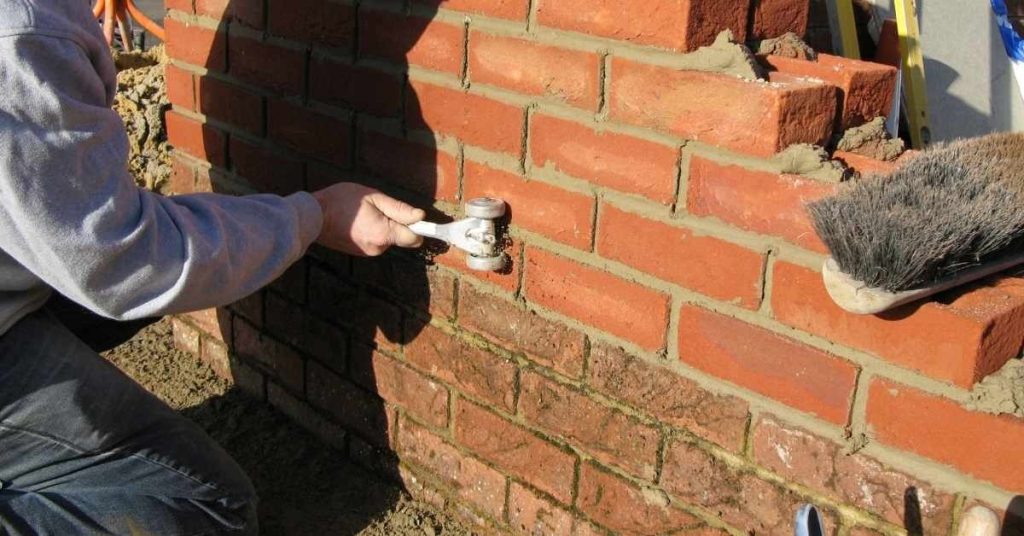
Person using roller tool on brick wall joints

Freeze-thaw on brick patios: bedding, drainage, and joint fill that survives

Introduction Freeze-thaw on brick patios is how water trapped in bedding, joints, and brick itself can thaw and refreeze, driving cracking and loosening. This article explains practical signs and approaches for bedding, drainage, and joint fill that can survive freeze-thaw cycles. It is written in a hands-on, plain-language style to help you plan and execute

Freeze-thaw on brick patios: bedding, drainage, and joint fill that survives Read More »

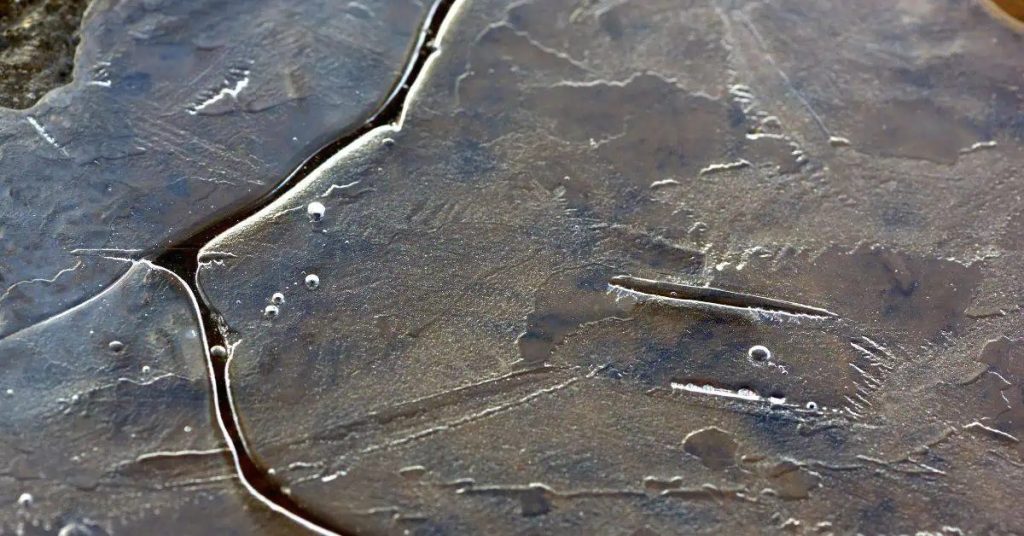
Closeup of cracked frozen soil surface with ice coatings

Freeze-thaw on brick patios: bedding, drainage, and joint fill that survives

Introduction Freeze-thaw on brick patios means water trapped in bedding, drainage, and joints can crack or lift bricks when temperatures swing below and above freezing. This article covers how to select bedding, manage drainage, and fill joints so a DIY patio can survive those cycles. You’ll focus on simple checks you can do before you

Freeze-thaw on brick patios: bedding, drainage, and joint fill that survives Read More »

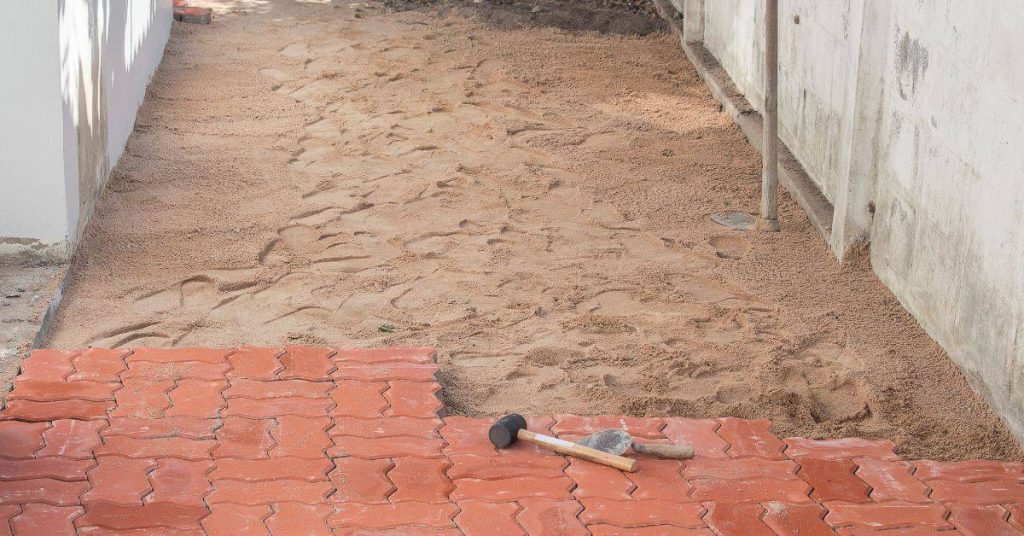
Partially laid red brick pavers with sand base and tools

Rebuilding Loose Brick Steps: When to Reset vs Rebuild (and how to prep the base)

Introduction Resetting loose brick steps means stabilizing the stairs by cleaning the base, re-seating the bricks, and securing them so the steps are solid again. This article walks you through deciding when to reset versus rebuild and how to prep the base. You’ll find practical, hands-on tips for a DIY job without fancy gear. Start

Rebuilding Loose Brick Steps: When to Reset vs Rebuild (and how to prep the base) Read More »

curved brick paver pathway with stone wall and landscaping

Brick Paver Edging That Won’t Spread: Restraints, Bedding, and Joint Choices

Introduction Edging that won’t spread is a border for brick paver layouts that stays in place and keeps the line looking sharp. Getting it right means using sturdy restraints, a solid bedding layer, and properly selected joints. Always check the product label and local rules for any installation limits that apply to your area. Choose

Brick Paver Edging That Won’t Spread: Restraints, Bedding, and Joint Choices Read More »

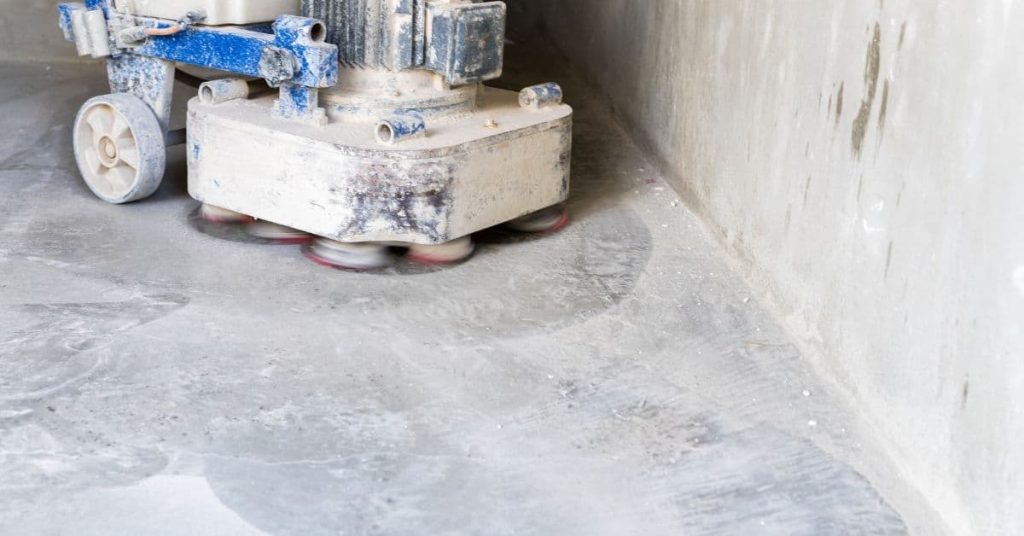
Concrete floor grinding machine smoothing surface near wall

Fixing Trip Hazards by Grinding: How Much You Can Remove Before You Create New Problems

Introduction Grinding to fix trip hazards is removing small amounts of material from high spots so the surface becomes even. Do not remove more than necessary, since over-grinding can create new problems. Check the material, tool, and surface before you start, and follow manufacturer instructions and local rules. Do small passes and check your progress

Fixing Trip Hazards by Grinding: How Much You Can Remove Before You Create New Problems Read More »

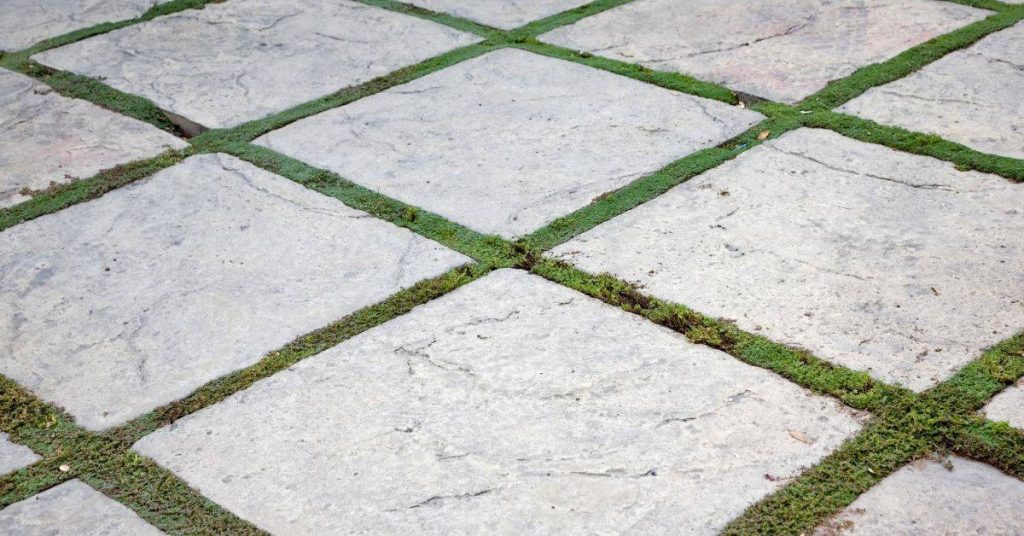
Gray square stone pavers with green moss-filled joints

How to Hide Control Joints Visually: Layout Tricks That Look Intentional

Introduction Control joints are planned gaps in concrete that you hide with layout tricks to look intentional. This article covers simple, hands-on steps you can follow on your own slab without fancy equipment. Think lines, patterns, and edges that camouflage joints while staying within manufacturer instructions and local rules. Start by choosing a location that

How to Hide Control Joints Visually: Layout Tricks That Look Intentional Read More »

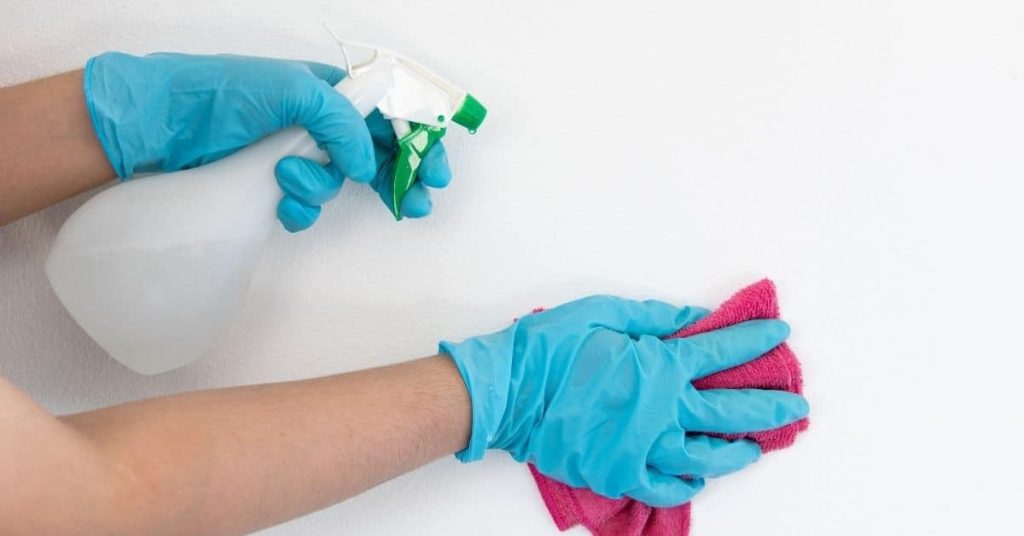
Hands in blue gloves spraying and wiping white wall with cloth

How to Remove Ice Melt Residue Before Resealing: Cleaning Without Etching

Introduction Removing ice melt residue after sealing is cleaning concrete surfaces without etching the finish. Use a non-acid cleaner and plenty of clean water, and work from the edges toward the center to avoid spreading residue. Test a small area first and scrub gently with a soft brush, then rinse well. Look for signs of

How to Remove Ice Melt Residue Before Resealing: Cleaning Without Etching Read More »