Search Results for: old house foundation repair

Red concrete pump booms set against clear blue sky

Concrete Splash Blocks That Actually Move Water: Shapes, Slopes, and Soil Protection

Introduction A splash block is a molded block placed under a downspout to direct rainwater away from the foundation. This article focuses on concrete splash blocks that actually move water, considering shapes, slopes, and soil protection. Choose a design based on how much flow you have and what the soil needs, and verify you follow […]

Concrete Splash Blocks That Actually Move Water: Shapes, Slopes, and Soil Protection Read More »
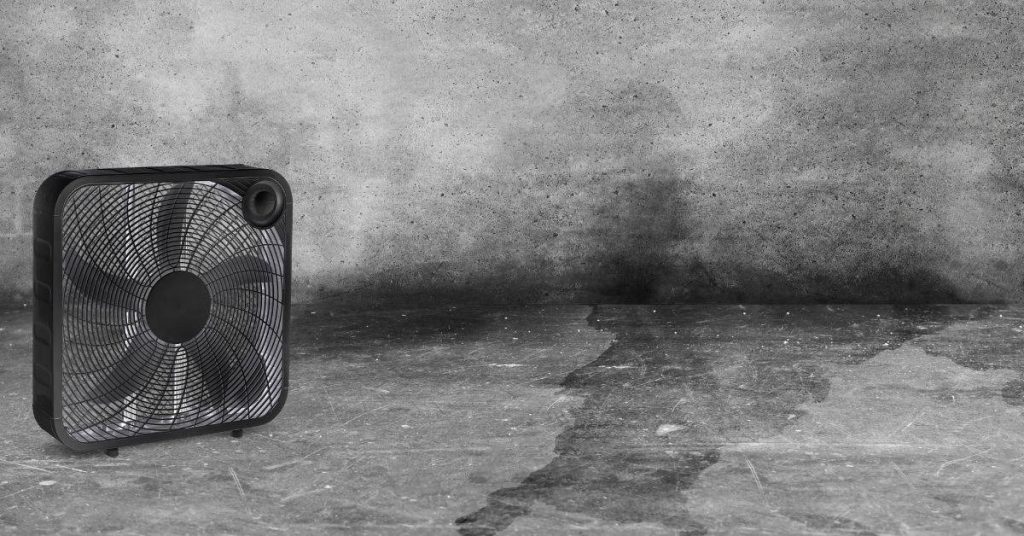
Box fan on concrete floor with dark moisture stains on wall

Concrete Block Moisture Problems: Capillary Rise, Sealers, and Interior Coatings That Make Sense

Introduction Moisture problems in concrete blocks happen when water wicks through the wall, showing up as damp patches and mineral blooms. This is commonly caused by capillary rise and can occur even when the surface seems dry. To deal with it, you need to identify where the moisture is coming from and how the wall

Concrete Block Moisture Problems: Capillary Rise, Sealers, and Interior Coatings That Make Sense Read More »

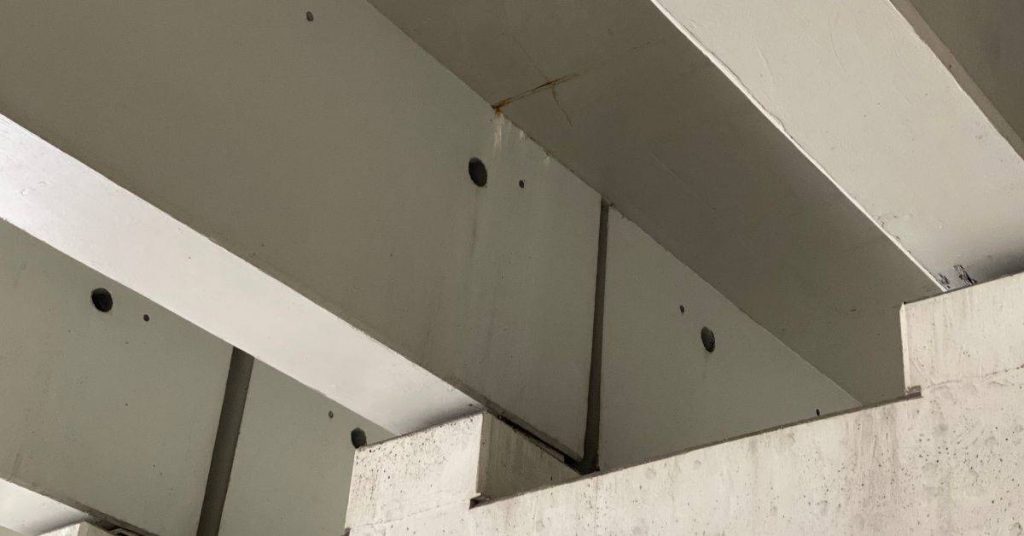
Close-up of concrete beam to column connection with visible joint

Choosing Caulk for Concrete Block Joints: Polyurethane vs Hybrid vs Silicone (and why it matters)

Introduction Caulk for concrete block joints is a flexible sealant used to close gaps between concrete blocks to keep out water and air. Choosing the right sealant starts with the joint type and weather exposure, then applying it with the right tools. Keep in mind it should bond to masonry, cure properly, and be compatible

Choosing Caulk for Concrete Block Joints: Polyurethane vs Hybrid vs Silicone (and why it matters) Read More »

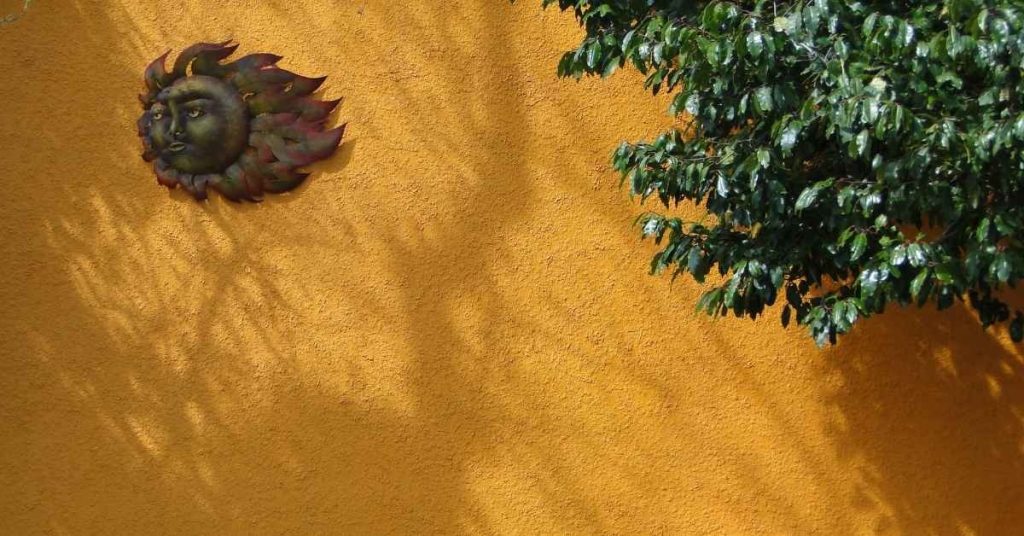
Textured yellow stucco wall with decorative sun and green leaves

Efflorescence on Stucco After Rain: What It Means and How to Clean Gently

Introduction Efflorescence is a whitish, powdery salt deposit that can appear on stucco after rain. It means moisture carried salts to the surface and dried, leaving a residue. Weather, moisture, and the wall materials all play a role in how it shows up. To clean it gently, start with a light rinse to remove loose

Efflorescence on Stucco After Rain: What It Means and How to Clean Gently Read More »

Hand in pink glove scrubbing stucco wall with brush

Algae on Stucco: Cleaning Methods That Don’t Bleach Color or Etch Finish

Introduction Algae on stucco is algae growth that appears as green or dark spots on the surface. Identify it by color, texture, and where it’s growing, especially in shaded or damp areas. This guide keeps things simple for DIY homeowners and avoids bleaching or etching. Use safe cleaners that are milder than bleach and follow

Algae on Stucco: Cleaning Methods That Don’t Bleach Color or Etch Finish Read More »

closeup of textured light gray stucco wall surface

Sprinkler Damage on Stucco: Salt, Staining, and Long-Term Protection

Introduction Sprinkler damage on stucco is the salt and water-related staining and surface effects caused by sprinkler spray. Sprinkler spray can leave salty deposits, efflorescence, and moisture issues on stucco. This article covers how to spot salt staining, what causes it, and why sealing can help protect the surface. Look for white, powdery deposits, dark

Sprinkler Damage on Stucco: Salt, Staining, and Long-Term Protection Read More »

Exposed brick wall partly covered with gray stucco render

Stucco-to-Brick Transitions: Movement Joints and Water Breaks That Don’t Crack

Introduction A movement joint at a stucco-to-brick transition is a deliberate gap that lets the siding materials expand and contract without cracking. Its job is to separate the two substrates so stresses don’t transfer and crack the finish. This article shows practical, hands-on steps for placing joints and installing water breaks so the transition stays

Stucco-to-Brick Transitions: Movement Joints and Water Breaks That Don’t Crack Read More »

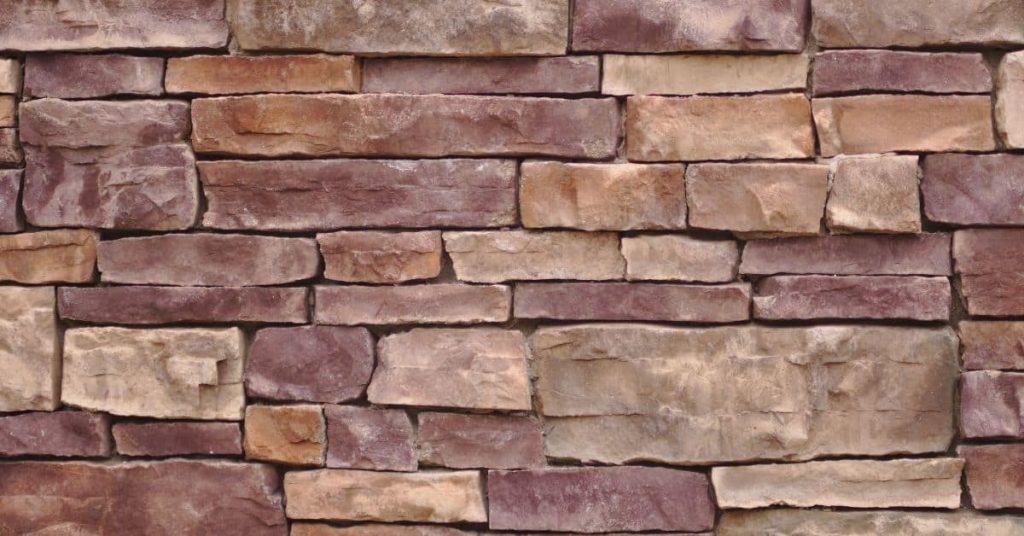
Close-up of stacked stone veneer wall with varied shapes

Brick Veneer 101: Air Gaps, Weeps, and Why “Stuck-On” Systems Fail

Introduction Brick veneer is a non-structural facing that sits on a wall with an intentional air gap to vent moisture. Understanding why air gaps and weep holes matter helps you spot issues before they show up. This setup is what keeps brick veneer performing without relying on the wall itself for support. Stuck-on brick systems

Brick Veneer 101: Air Gaps, Weeps, and Why “Stuck-On” Systems Fail Read More »

Pile of broken red bricks and rubble

Spalling Brick Diagnosis: Freeze-Thaw, Salts, and the “Stop the Water” Plan

Introduction Spalling brick diagnosis is identifying why bricks are flaking or crumbling due to freeze-thaw, salts, or moisture. This is a hands-on check to help you decide what needs repair and how to stop further damage. Look for cracking, hollow sounds, powdery surfaces, or powdery efflorescence as clues. Start by stopping water entry and planning

Spalling Brick Diagnosis: Freeze-Thaw, Salts, and the “Stop the Water” Plan Read More »