Search Results for: old house foundation repair

Exterior building wall with scaffolding and stucco application in progress

Stucco Lath Fasteners That Last: Corrosion, Length, and Avoiding Loose Walls

Introduction Stucco lath fasteners are the hardware that attach exterior stucco lath to the framing and keep the wall solid. They come in several styles for different substrates, so you should pick ones that fit your lath and backing material. Check the label or manufacturer guidance to ensure corrosion resistance and proper compatibility with your […]

Stucco Lath Fasteners That Last: Corrosion, Length, and Avoiding Loose Walls Read More »
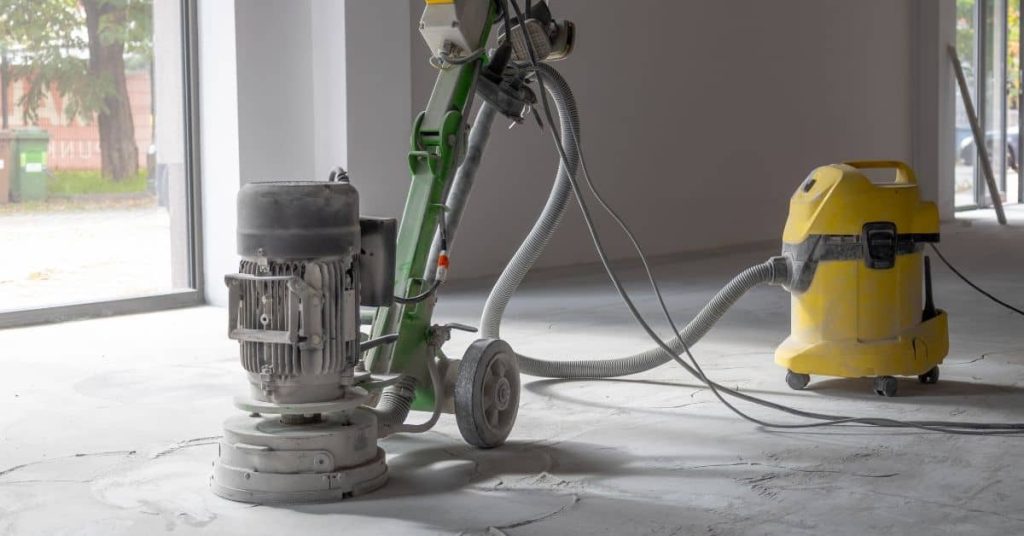
Concrete floor grinder connected to yellow vacuum cleaner indoors

Diagnosing Concrete Delamination: Chain Drag vs Hammer Sounding and What Each Misses

Introduction Delamination in concrete is when layers or patches separate, revealing hollow or weaker zones beneath the surface. Using a chain drag helps you feel for soft spots by listening and feeling where the chain catches. Hammer sounding can also reveal hollow tones, but it may miss shallow or narrow separations. Both tests have limits

Diagnosing Concrete Delamination: Chain Drag vs Hammer Sounding and What Each Misses Read More »

Hand painting interior wall corner with roller

Painting Over Powdery Masonry: Consolidants vs Primers and When to Repoint First

Introduction Consolidants and primers are coatings used on powdery masonry to stop dusting and ready the wall for paint. Consolidants penetrate and bind loose material, while primers create a sealed, paint-ready surface. Choose based on the condition of the masonry and follow manufacturer instructions. If the masonry is badly eroded or the joints crumble, repointing

Painting Over Powdery Masonry: Consolidants vs Primers and When to Repoint First Read More »

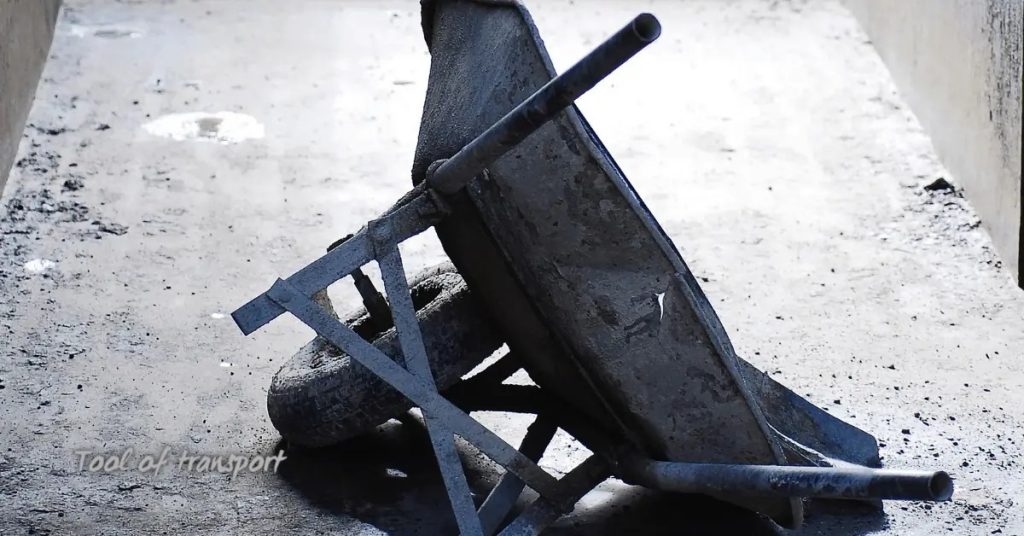
Empty wheelbarrow resting on concrete surface

Concrete Near Downspouts: Slopes, Splash Blocks, and How to Stop Undermining

Introduction Concrete near downspouts needs proper slope and splash protection to prevent water from undermining the footing. Gutters and splash blocks channel roof runoff away from the foundation and concrete edge. This article explains what splash blocks are, why they matter, and how to position them so water moves away from the wall. Choosing a

Concrete Near Downspouts: Slopes, Splash Blocks, and How to Stop Undermining Read More »

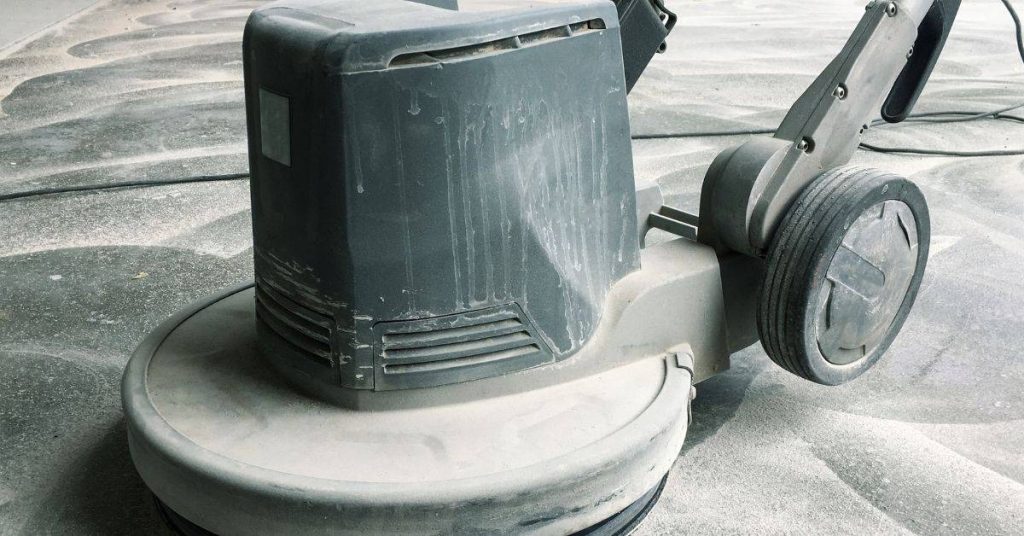
Concrete floor grinding machine on concrete surface

Concrete Trowel Blade Burnishing: When It Makes a Floor Stronger and When It Creates Dark Swirls

Introduction Concrete trowel blade burnishing is the act of using a trowel blade on a fresh slab to seal the surface and tighten the paste, which can harden the floor but may leave dark swirl marks if done too aggressively. In practice, it can give a slick finish and extra density when conditions are right,

Concrete Trowel Blade Burnishing: When It Makes a Floor Stronger and When It Creates Dark Swirls Read More »

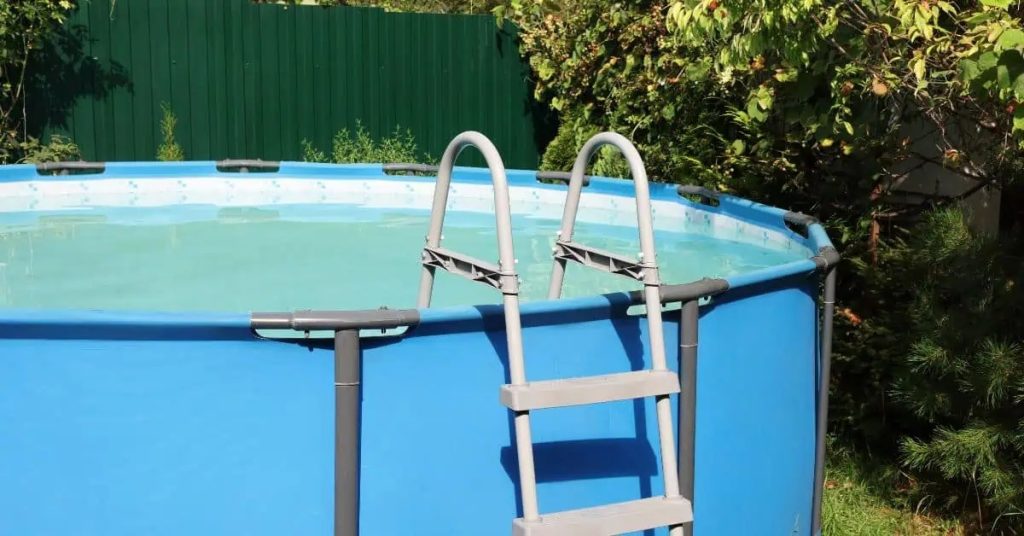
Above ground pool with ladder in backyard

Concrete on Frost-Heave-Prone Ground: DIY Drainage Fixes Before You Pour

Introduction Concrete on frost-prone ground needs drainage and subgrade prep to resist heave. In plain terms, moisture and freezing soil can push concrete upward if the ground isn’t managed. Check your local rules and follow manufacturer guidance for soil prep and drainage when planning a pour. A proper base and a simple drainage path help

Concrete on Frost-Heave-Prone Ground: DIY Drainage Fixes Before You Pour Read More »

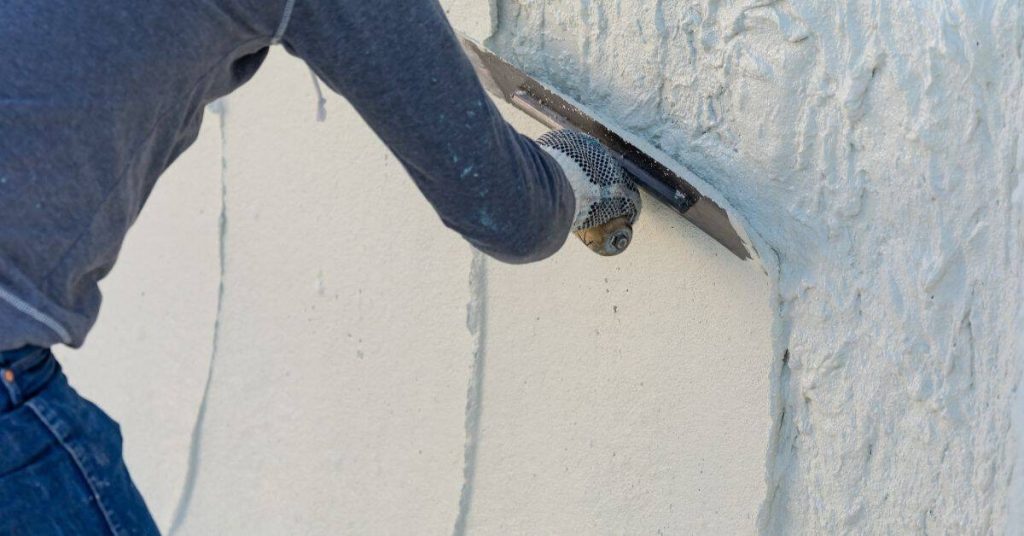
Person applying stucco texture to exterior foam wall

Stucco + Exterior Foam Additions: Transition Details That Keep Drainage Paths Open

Introduction This approach combines stucco with exterior foam to manage drainage and keep water from standing against the foundation. It adds an insulating layer outside the wall and creates a smooth receiver for the stucco finish. You’ll want to plan how drainage paths remain open while the layers are installed and sealed. For DIY work,

Stucco + Exterior Foam Additions: Transition Details That Keep Drainage Paths Open Read More »

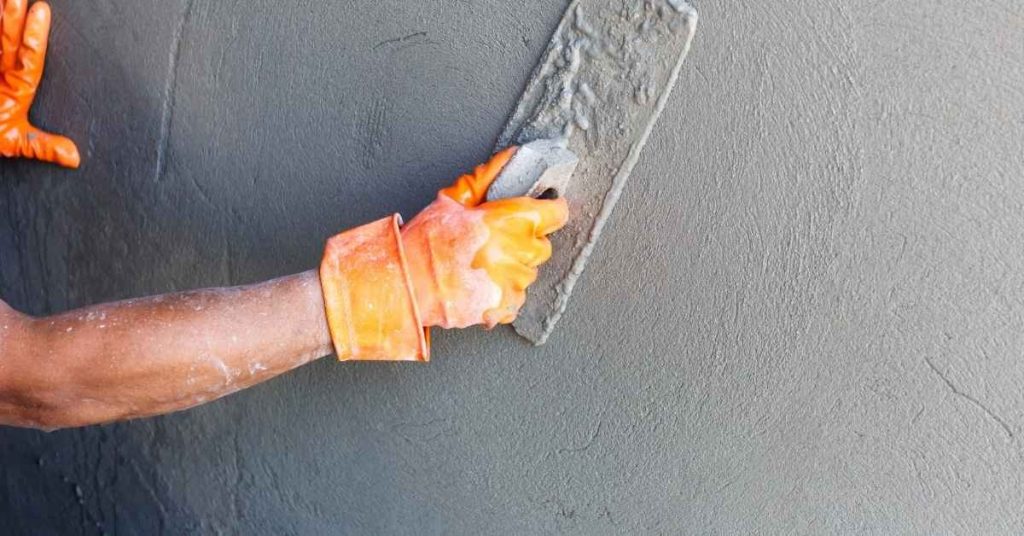
Hand wearing orange gloves smoothing gray stucco with trowel

Stucco Expansion Joints at Additions: Detailing Differential Movement Without Water Traps

Introduction Expansion joints in stucco at additions accommodate differential movement between the new addition and the existing structure while avoiding water traps. Plan for joints at the connection and detail how the joint will be filled and flashed without creating water traps. This article keeps the language plain and focuses on practical steps you can

Stucco Expansion Joints at Additions: Detailing Differential Movement Without Water Traps Read More »

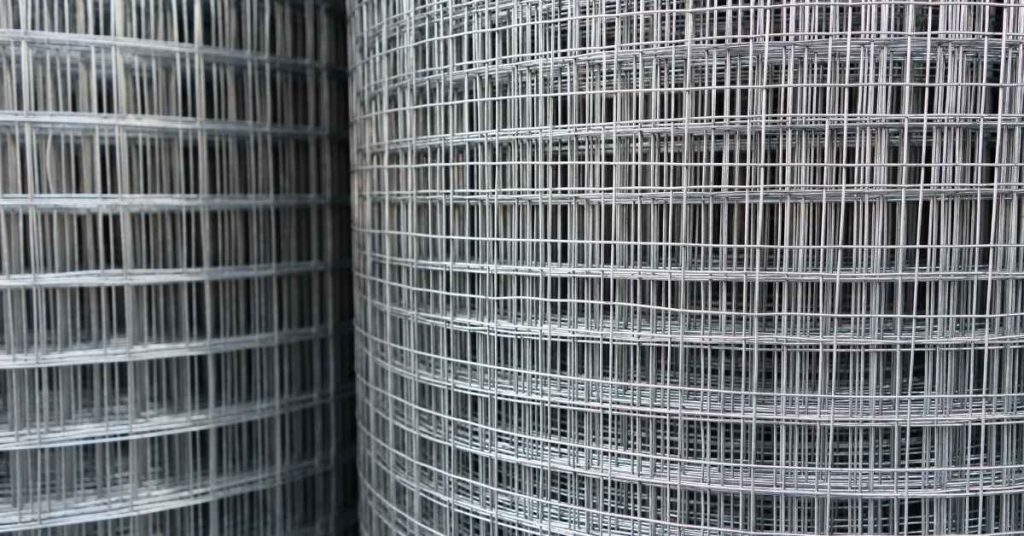
Close-up of two rolls of metal wire mesh

Fiber + Wire Mesh Together: When It’s Redundant and When It Helps

Introduction Fiber + wire mesh together is a reinforced concrete setup where fibers help control cracking and mesh provides added structural distribution. Redundancy can mean extra fibers or extra mesh ends up overlapping; watch for overcomplicating the pour. Combining fiber with mesh can help in slabs with control joints or poor soil, but it can

Fiber + Wire Mesh Together: When It’s Redundant and When It Helps Read More »