Search Results for: mortar type

Pouring bonding slurry onto dry concrete surface

How to Patch Thin Concrete Repairs: Bonding Slurry and Edge Prep That Sticks

Introduction Patch thin concrete repairs with a bonding slurry to help the patch stick to the prepared edge. Start with clean, dust-free edges and roughen the surface for a solid key, then mix the slurry and patch material as instructed. If in doubt, check manufacturer guidance or local rules to ensure proper adhesion. Prepare the […]

How to Patch Thin Concrete Repairs: Bonding Slurry and Edge Prep That Sticks Read More »

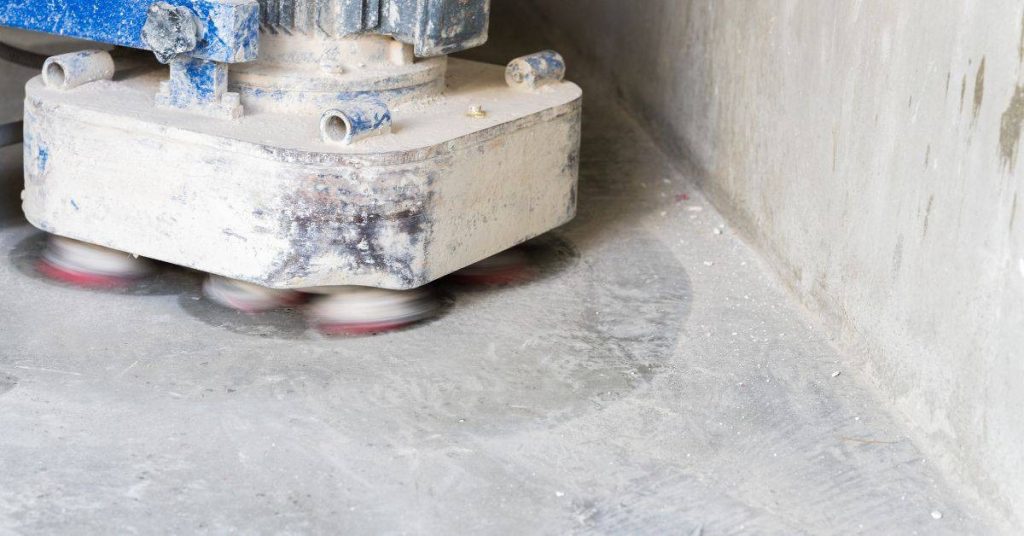
Close-up of concrete floor grinding machine on rough concrete surface

Fixing Form Lines on Exposed Concrete: Grinding, Skim Coats, and Texture Matching

Introduction Fixing form lines on exposed concrete means smoothing or concealing the raised lines left by the forms so the surface looks even. In this DIY approach, you’ll grind the lines down, skim-coat areas as needed, and texture-match the rest of the surface. Plan to work methodically, wear a dust mask, and always check the

Fixing Form Lines on Exposed Concrete: Grinding, Skim Coats, and Texture Matching Read More »

Concrete floor grinding machine smoothing surface

Fixing Birdbaths on Concrete: Grinding, Topping, and When to Re-Pour

Introduction Grinding, topping, and re-pouring are practical steps to repair and level a birdbath set in concrete. This DIY guide walks you through evaluating the damage, choosing a plan, and doing the work safely. You’ll learn what to check on materials and how to approach the job without fancy tools. Start by inspecting the existing

Fixing Birdbaths on Concrete: Grinding, Topping, and When to Re-Pour Read More »

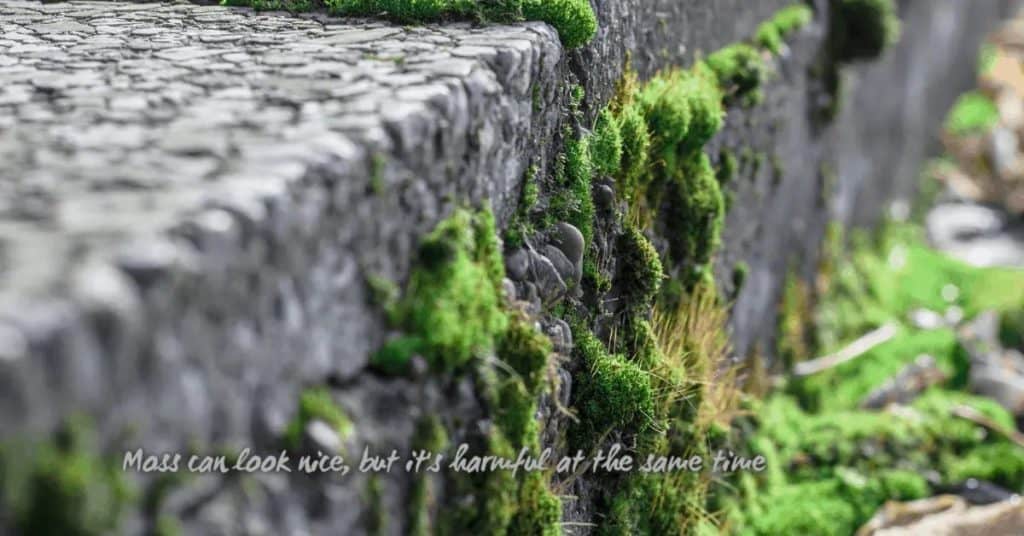
Close-up of moss growing on deteriorating concrete edge

Feather-Edge Concrete Repairs: When They Fail and Better Build-Up Methods

Introduction Feather-edge concrete repairs are a method to rebuild a thin, tapered edge on damaged concrete so it blends with the surrounding slab. This approach is hands-on and relies on proper surface prep, bonding, and gradual build-up rather than full removal. If the edge is chipped but the rest of the slab is sound, a

Feather-Edge Concrete Repairs: When They Fail and Better Build-Up Methods Read More »

Empty concrete parking garage with support columns and ceiling beams

Concrete Shrinkage-Reducing Options: What Helps on Small DIY Pours

Introduction Shrinkage-reducing options are methods and approaches that help concrete settle with less shrinking and cracking on small pours. For DIY projects, you’ll hear about techniques like using a drier mix strategy and careful placement to control how water behaves. One common option is dry pouring, a method that aims to minimize free water and

Concrete Shrinkage-Reducing Options: What Helps on Small DIY Pours Read More »

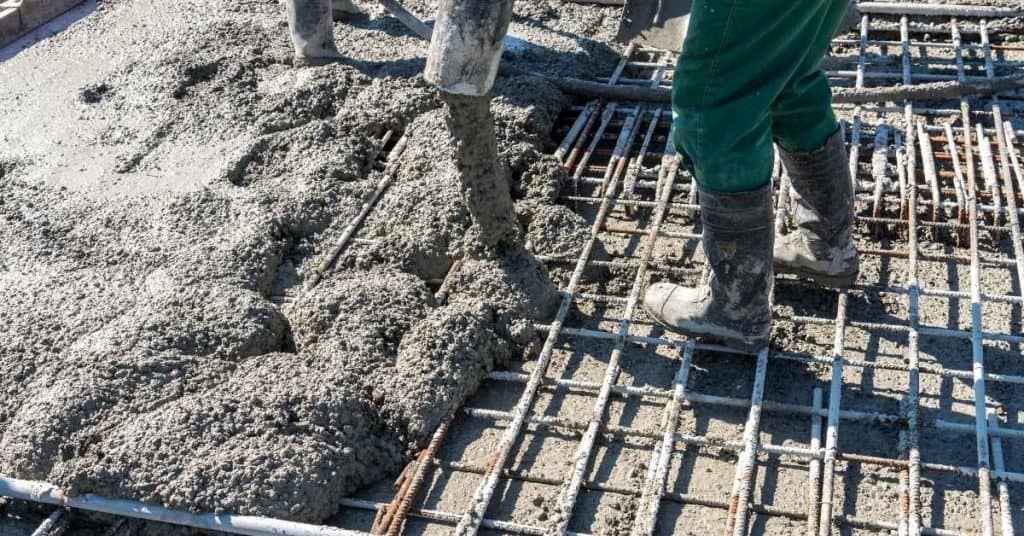
Workers pouring wet concrete over steel rebar grid

Concrete Rebar Shadowing: Why Lines Appear and What You Can Do

Introduction Concrete rebar shadowing is when the lines of embedded steel rebar show up as darker or lighter lines on the surface after curing. This happens as moisture, temperature, and the metal interact during the cure, with the surface sometimes mirroring the rebar pattern. Differences in finishing between forms or around the rebar can further

Concrete Rebar Shadowing: Why Lines Appear and What You Can Do Read More »

Close up of concrete surface with small voids and holes

Concrete Honeycombing: Why Voids Form and How to Patch Properly

Introduction Concrete honeycombing is voids or gaps in the concrete left by poor compaction, creating a honeycomb-like texture. It’s often visible on the surface as rough pockets and can affect how the finish looks and wears. For DIYers, inspect exposed areas after form removal and under surfaces to spot these voids early. Common causes include

Concrete Honeycombing: Why Voids Form and How to Patch Properly Read More »