Search Results for: mortar type

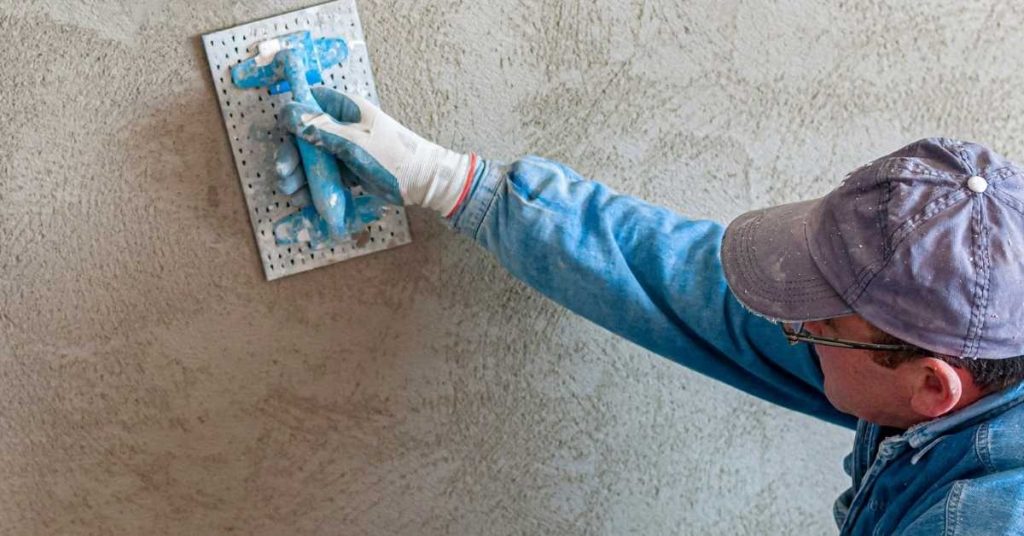
Worker applying stucco texture with a blue float tool

Sand Float Stucco Texture Matching: Tool Angles, Timing, and Avoiding Shine

Introduction A sand float stucco texture is a lightly rough, matte finish achieved by floating mortar with a sanded tool to create texture. This article covers practical techniques and the feel of the finish when you’re applying it on a DIY project. It stays away from glossy shine and aims for a consistent, hand‑worked look. […]

Sand Float Stucco Texture Matching: Tool Angles, Timing, and Avoiding Shine Read More »
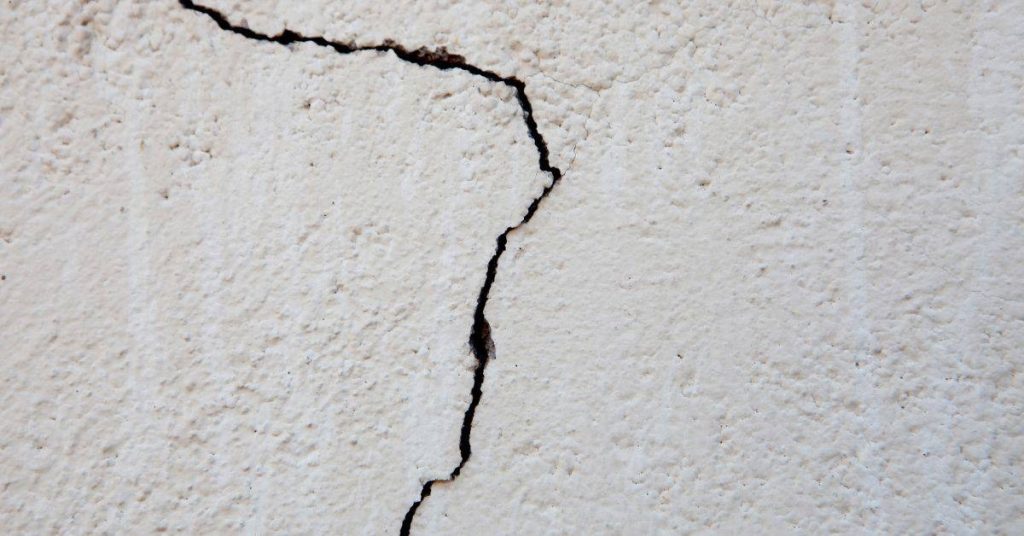
Closeup of stucco surface with a visible crack

Curing Stucco Patches in Heat and Wind: Mist Schedules and Weak-Finish Prevention

Introduction Curings stucco patches in heat and wind means maintaining a light, frequent mist to keep the surface from drying too fast and cracking. Misting is usually done on a schedule you adjust to the day, shielding the patch from direct sun when needed. Always monitor the patch for dryness, and check product and local

Curing Stucco Patches in Heat and Wind: Mist Schedules and Weak-Finish Prevention Read More »

Person sits on a wooden bench beside a circular fire pit in snow.

Concrete for Outdoor Fire Pits: Mix Tweaks, Heat Limits, and Safer Sealers

Introduction Concrete for outdoor fire pits is the sturdy, heat‑tolerant material you pour to form the pit structure and seating. This article gives practical tweaks for mix, curing, and sealers so you can do it safely. Always check local codes and manufacturer labels for heat limits and curing temps. Focus on a durable mix and

Concrete for Outdoor Fire Pits: Mix Tweaks, Heat Limits, and Safer Sealers Read More »

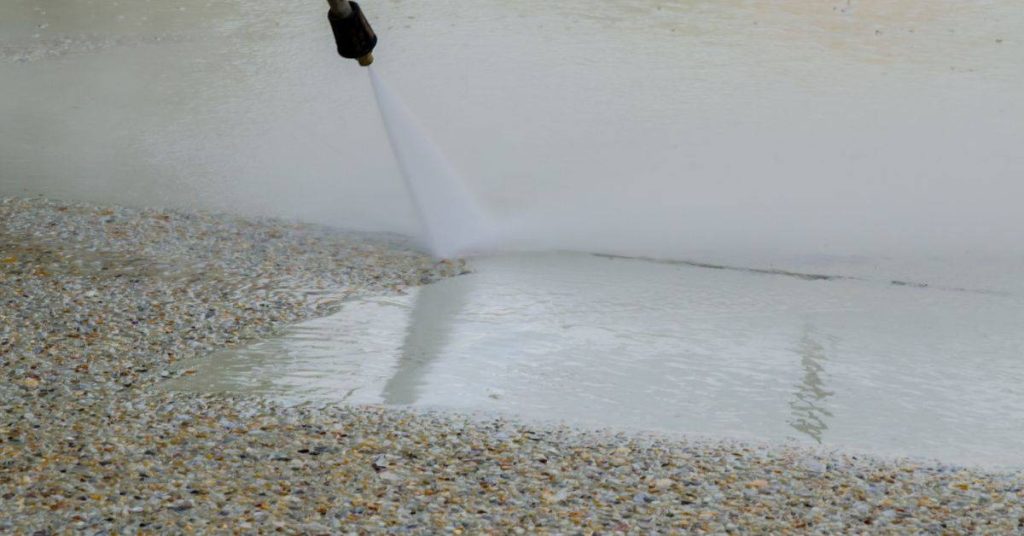
Pressure washing exposed aggregate concrete surface

Exposed Aggregate Repair Patches: Blending Stone Size and Washing Timing to Match

Introduction Exposed aggregate repair patches involve matching the look of the existing surface by using stone-size blends and controlled washing timing. This article gives a practical, hands-on view for DIYers on how to prep, bond, and patch exposed aggregate without a full resurfacer. We’ll cover how to choose the right aggregate size, how to wash

Exposed Aggregate Repair Patches: Blending Stone Size and Washing Timing to Match Read More »

Yellow level tool and green cutting knife on concrete board pieces

Cement Shelf-Life Reality: How Storage Conditions Change Set Time and Strength

Introduction Cement shelf-life is the window during which stored cement stays workable and can reach intended strength when mixed. Storage conditions like moisture, temperature, and how long it sits affect how fast it sets and how strong the final pour will be. In practice, poor storage tends to shorten set time and reduce final strength.

Cement Shelf-Life Reality: How Storage Conditions Change Set Time and Strength Read More »

Vinyl plank flooring pieces and tools on concrete floor

Supplementary Cementitious Materials for Efflorescence Control: What Actually Reduces Salts

Introduction Supplementary Cementitious Materials reduce efflorescence by limiting the salts that migrate to the surface. They work with the cement mix to slow water movement and bind minerals. In DIY terms, think of them as additives that help the concrete breathe less and stay drier. Efflorescence is the white, powdery salt that shows up on

Supplementary Cementitious Materials for Efflorescence Control: What Actually Reduces Salts Read More »

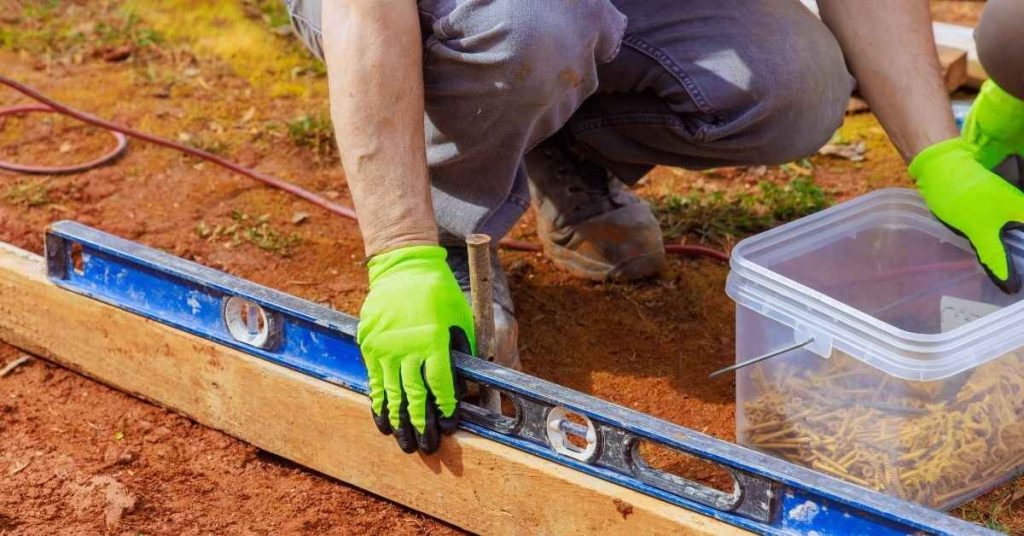
Person using level tool on wooden form outdoors

Anti-Washout Admixtures for Underwater or Wet-Form Repairs: Niche, but Useful

Introduction Anti-washout admixtures are additives that help concrete stay in place underwater or in wet forms. They slow water loss and improve cohesion so the mix doesn’t segregate. Use only as directed on the product label and by local rules. Pick a product that is rated for underwater or wet-form use, and read the label

Anti-Washout Admixtures for Underwater or Wet-Form Repairs: Niche, but Useful Read More »

Newly poured smooth concrete floor inside an unfinished room

Plastering Directly Over Concrete Ceilings: Bonding Bridges, Suction Control, and Crack Isolation

Introduction Plastering directly over concrete ceilings means applying plaster straight onto a bare concrete surface without a separate bonding layer. It’s a DIY-friendly approach when the surface is solid and clean, but it needs careful prep. I’ll walk you through what to expect and how to stay on track. Bonding bridges help the plaster grab

Plastering Directly Over Concrete Ceilings: Bonding Bridges, Suction Control, and Crack Isolation Read More »

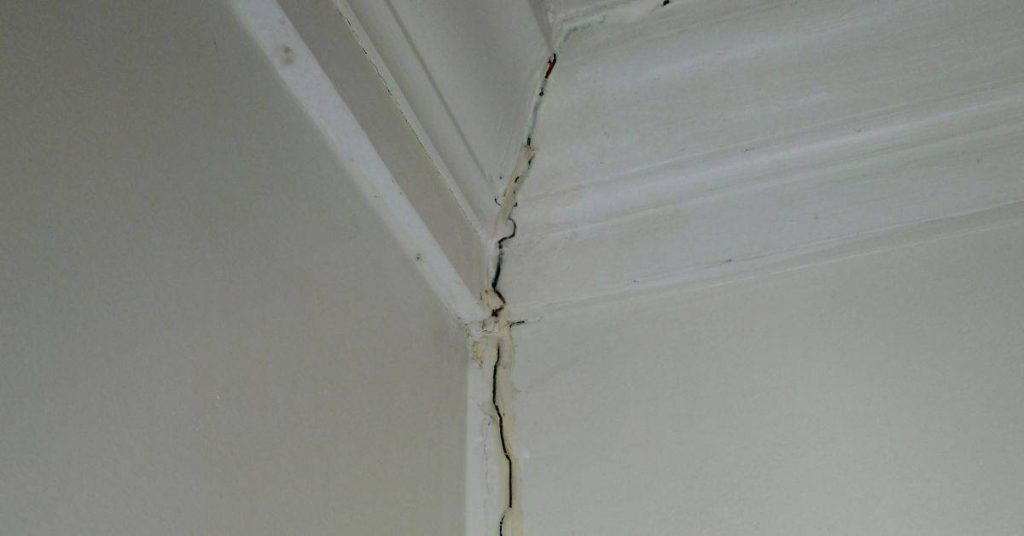
Hairline crack in plaster wall corner near ceiling trim

Hairline Crack Repairs That Don’t Show: Routing vs Injection vs Surface Fill

Introduction Hairline crack repairs that don’t show are methods that seal the crack and restore a smooth, uniform surface without visible seams. Routing, injection, and surface fill are common DIY options you can choose based on access and how the crack behaved. The goal is to blend the repair so it’s hard to notice after

Hairline Crack Repairs That Don’t Show: Routing vs Injection vs Surface Fill Read More »

Hand holding trowel with wet concrete inside container

Feather-Edge Patch Failures: Minimum Thickness Rules and Better Edge Details

Introduction Feather-edge patch failures occur when the thin edge of a patch is not thick or stable enough to grip the surrounding concrete. In plain terms, the edge can erode or chip and the patch pulls away. Make sure you follow the material’s directions and local rules for edge prep. To avoid failures, clean and

Feather-Edge Patch Failures: Minimum Thickness Rules and Better Edge Details Read More »