Search Results for: mortar type

utility knife and level on concrete board pieces

Cutting a Utility Trench Through Concrete: Sawcut, Demo, and Patching Back to Flat

Introduction A utility trench through concrete is a narrowed channel cut into concrete to install or access services. Do this with care by planning the path, selecting the right tools, and sizing expectations for the demo and patch. You’ll be cutting, removing, and cleaning as you go, keeping safety and local rules in mind. Start […]

Cutting a Utility Trench Through Concrete: Sawcut, Demo, and Patching Back to Flat Read More »

stacked precast concrete columns outdoors

Concrete Pop-Out Repairs: How Deep to Remove, What to Patch With, and How to Blend

Introduction A concrete pop-out is a damaged, loose piece of concrete that needs removal and repair. Treat it as a small excavation: remove the loose material and sound the edges to see how deep the void goes. This article shows a practical way to safely cut back, patch, and blend so the repair looks and

Concrete Pop-Out Repairs: How Deep to Remove, What to Patch With, and How to Blend Read More »

Wet concrete being poured onto floor surface

Concrete Control Joints Around Floor Drains: Crack Steering Without Creating a Lip

Introduction Concrete control joints around floor drains are expansion joints that help crack control by isolating the drain area from the surrounding slab. They create a defined weak plane that guides cracks away from the drain and keep a smooth surface around the lip. This is a practical, hands-on detail you can plan for during

Concrete Control Joints Around Floor Drains: Crack Steering Without Creating a Lip Read More »

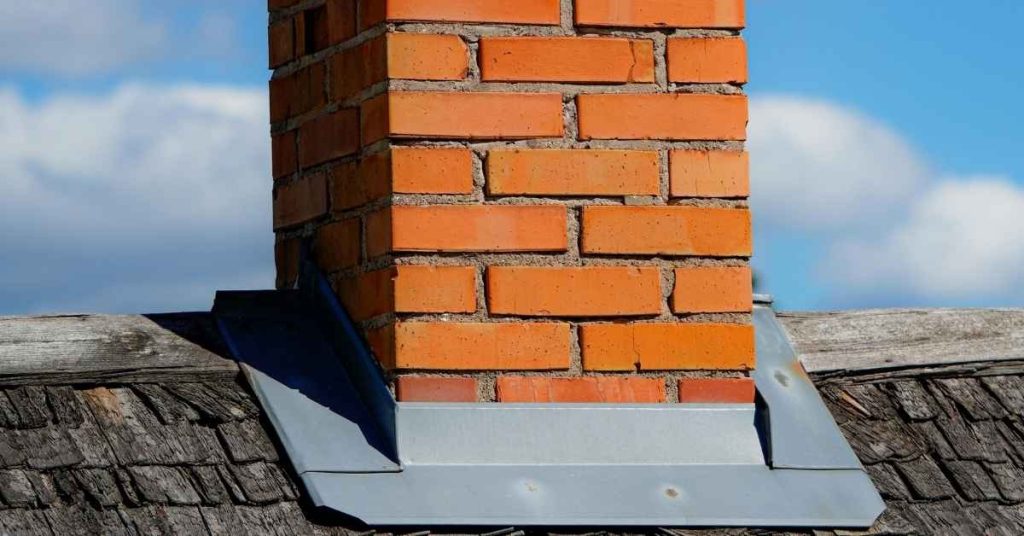
Brick chimney with metal flashing on wooden shingle roof under blue sky

Brick Flashing and Weep Holes at Ledges: How Water Is Supposed to Escape

Introduction Brick flashing and weep holes at ledges are features that let water escape from behind brickwork. They direct runoff away from the wall and help prevent moisture damage. As a DIYer, you’ll inspect for proper placement and unobstructed openings before finishing the ledge. Start by checking that flashing is in place under the brick

Brick Flashing and Weep Holes at Ledges: How Water Is Supposed to Escape Read More »

Two white windows in red brick wall with flower boxes

Sealing Brick the Safe Way: Breathable Sealers vs Films—and When to Skip Both

Introduction Breathable sealers let moisture escape from brick while still sealing it; film sealers keep a surface layer that can trap moisture. As a DIYer, you’ll notice breathable options let the brick breathe, while film options can give a smoother, glazed look. Check the label for breathability cues and follow the manufacturer’s suggestions, and avoid

Sealing Brick the Safe Way: Breathable Sealers vs Films—and When to Skip Both Read More »

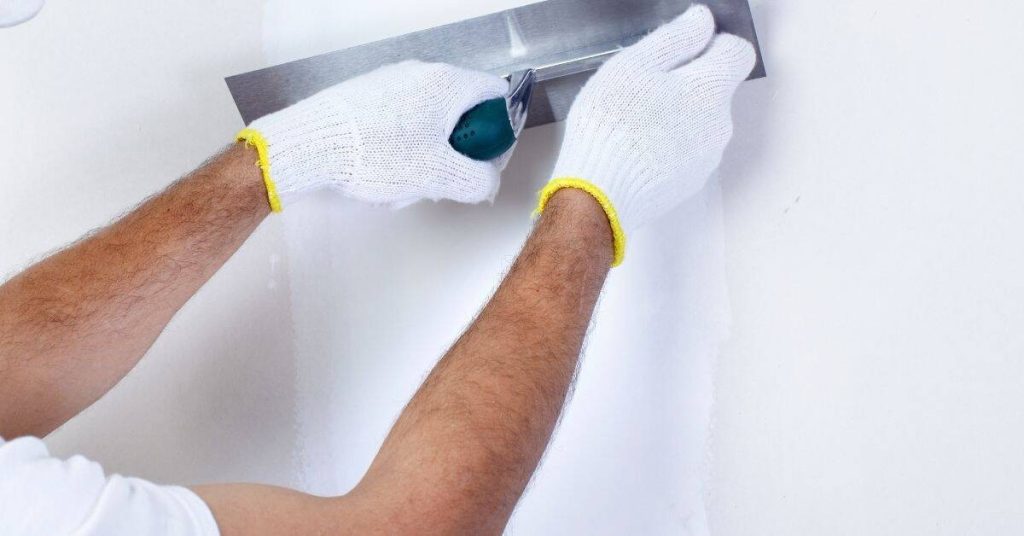
Worker smoothing fresh plaster wall wearing helmet and mask

Fresco vs Limewash on Fresh Plaster: What’s Possible and What Isn’t

Introduction Fresco involves pigments mixed into plaster as it cures, while limewash is pigment suspended in lime that you apply to the surface. On fresh plaster, the timing and technique you use will influence how well each method sticks and how the final look develops. This article gives a plain‑spoken DIY overview of what each

Fresco vs Limewash on Fresh Plaster: What’s Possible and What Isn’t Read More »

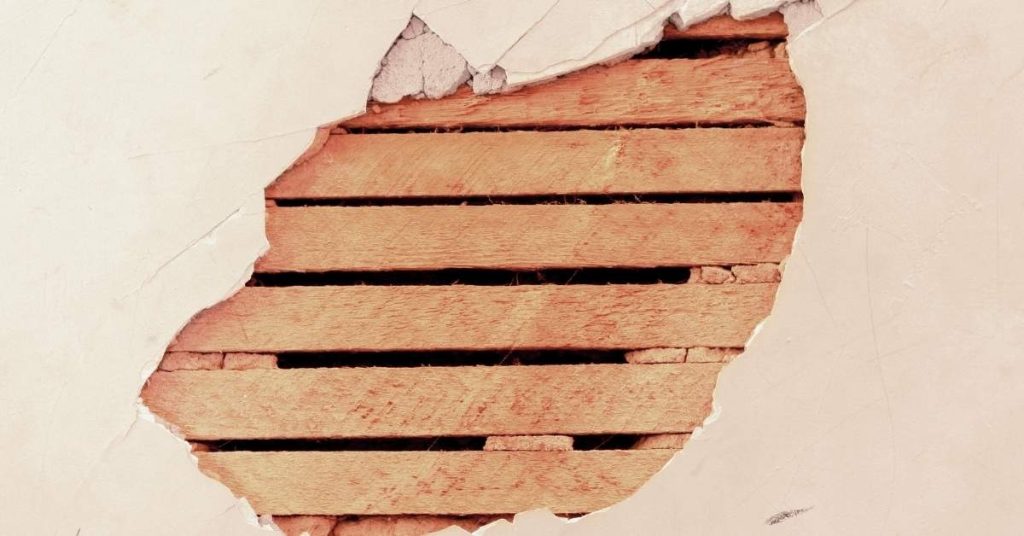
Broken plaster revealing wooden lath behind wall

Loose Lath Under Plaster: Refasten vs Replace (a Practical Decision Guide)

Introduction Refastening loose lath is usually the simplest first step to fix plaster that’s pulling away. If the lath is rotten or severely warped, replacement might be the safer option. Check for signs of damp, rot, and whether the plaster remains solid. Decide between refastening and replacing by inspecting the lath condition and the soundness

Loose Lath Under Plaster: Refasten vs Replace (a Practical Decision Guide) Read More »

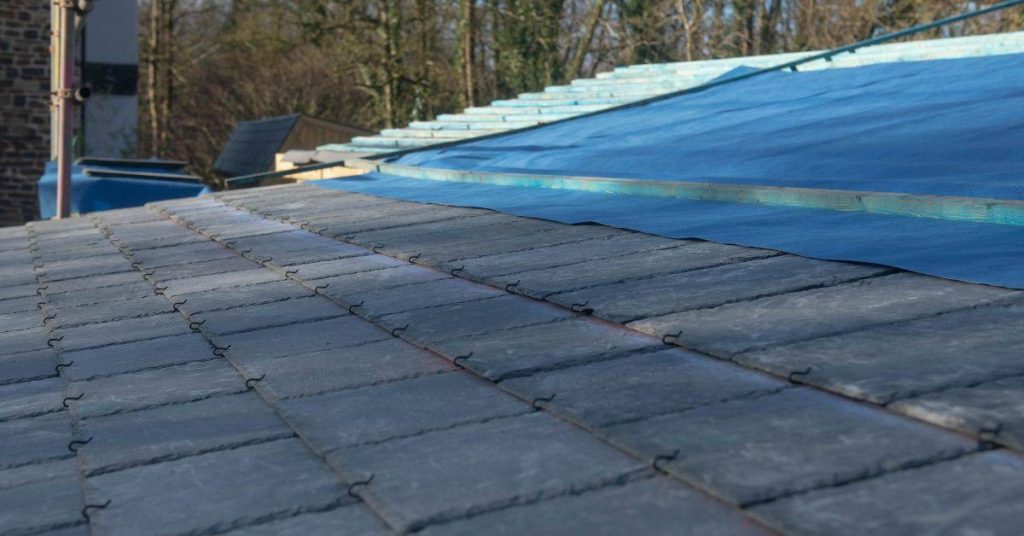
Slate roof tiles partially installed with underlayment visible

Stucco Meets Roof: Step Flashing, Sealant Placement, and Drainage Gaps

Introduction Step flashing, sealant placement, and drainage gaps are the practical techniques used at the stucco-roof intersection to prevent leaks. In plain talk, they’re the fail-safes you create where the wall meets the roof to keep water out. Follow local practice and the manufacturer instructions for flashing, sealant, and any required gaps, and check product

Stucco Meets Roof: Step Flashing, Sealant Placement, and Drainage Gaps Read More »