Search Results for: mortar color

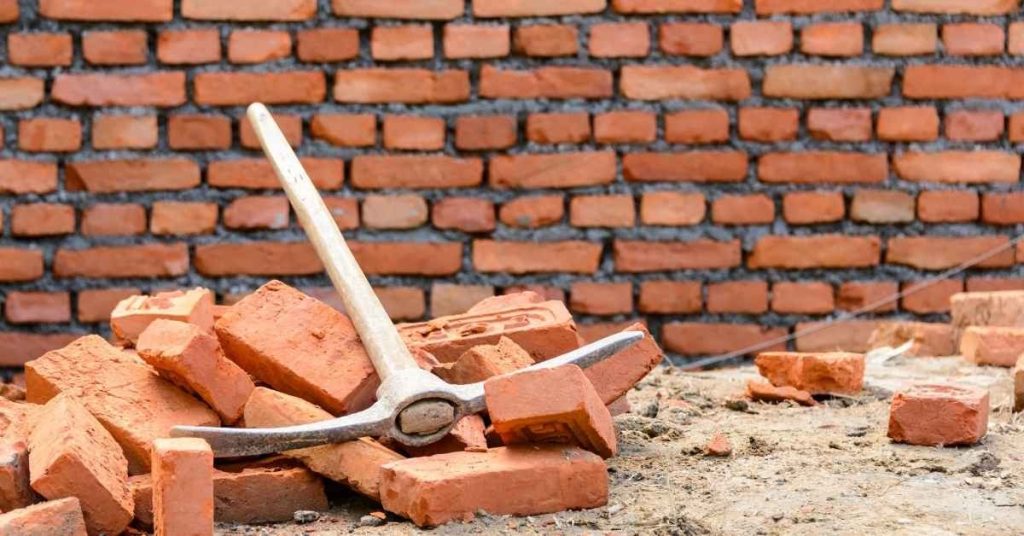
Pile of red bricks with a pickaxe resting on top

Efflorescence on Brick and Block: Removal Methods That Don’t Make It Worse

Introduction Efflorescence is the white, powdery deposit that forms on brick or block when water brings soluble salts to the surface. This article explains simple removal methods that avoid making it worse. You’ll get practical, hands-on steps you can do yourself without fancy tools. Start with the easiest, low-risk approach and test a small area […]

Efflorescence on Brick and Block: Removal Methods That Don’t Make It Worse Read More »

Concrete screeding tool smoothing wet concrete surface

Concrete Sand: Mason Sand vs Concrete Sand vs Play Sand (What Actually Works)

Introduction Concrete sand is the coarse, well-graded sand used in concrete mixes and as bedding material. Mason sand, concrete sand, and play sand differ mainly in texture, particle size, and how they compact. Knowing which to use depends on the job and what the sand needs to do in the mix or base. Mason sand

Concrete Sand: Mason Sand vs Concrete Sand vs Play Sand (What Actually Works) Read More »

Worker applying plaster over blue fiberglass mesh on wall

Fiberglass Mesh vs Metal Lath: Choosing Reinforcement for Thin Cement Coats

Introduction Fiberglass mesh and metal lath are both used to reinforce thin cement coats. Fiberglass mesh is lightweight and easy to handle, while metal lath provides more rigid support for tougher jobs. Check manufacturer instructions and local rules to confirm suitability for your project, and look for guidance on compatible mixes and application methods. For

Fiberglass Mesh vs Metal Lath: Choosing Reinforcement for Thin Cement Coats Read More »

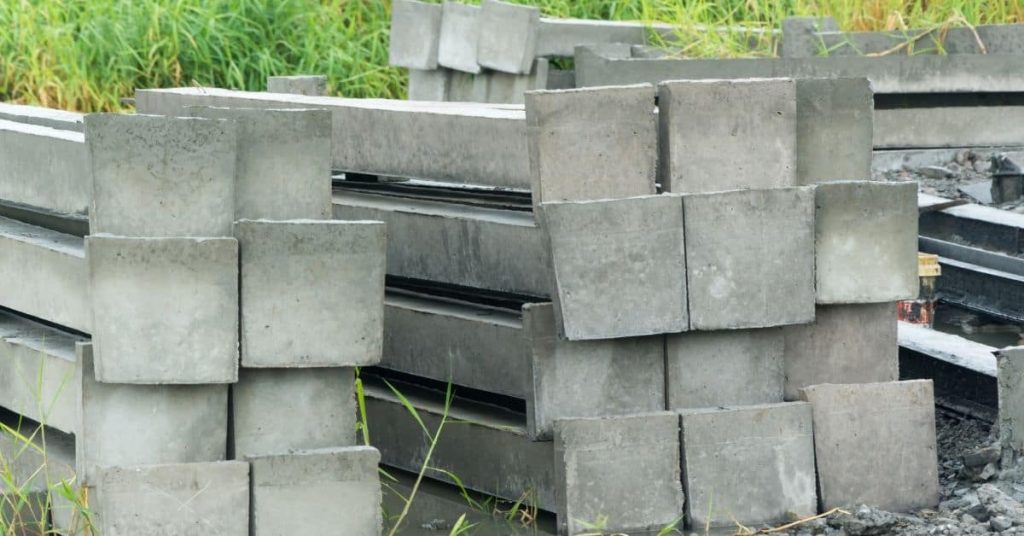
stacked precast concrete columns outdoors on grassy ground

Can You Use Calcium Chloride in Concrete? When It’s Allowed and When It’s a Bad Idea

Introduction Calcium chloride can speed up concrete setting, but it is not allowed for every mix or every job. For DIY pours, check product labels and local rules to know if it’s permitted. If you’re unsure, ask the supplier or code authority before using it on your project. In some cases it’s allowed, but in

Can You Use Calcium Chloride in Concrete? When It’s Allowed and When It’s a Bad Idea Read More »

Empty concrete parking garage with white support beams

Adding Sand to Bagged Concrete: When It Helps and When It Weakens the Mix

Introduction Adding sand to bagged concrete can change how it flows and how strong it ends up. The right amount improves workability, but too much can weaken the mix. Always test a small batch and follow the product directions. Sand addition often increases the volume of the mix, which can affect formwork and curing time.

Adding Sand to Bagged Concrete: When It Helps and When It Weakens the Mix Read More »

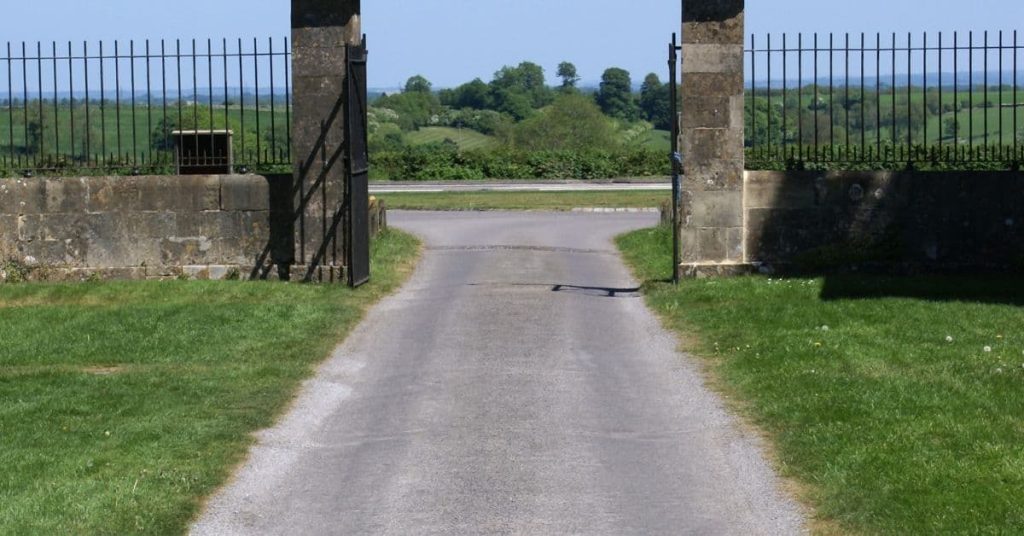
Open metal gate with stone pillars and green landscape

How to Store Bagged Concrete: Moisture Damage, Shelf Life, and Best Practices

Introduction Storing bagged concrete means keeping the bags dry, off the ground, and protected so the mix remains usable when you need it. Moisture damage is the big risk, since humidity or leaks can turn dry premixed concrete clumps or weaken the mix. Check the bag labels and manufacturer instructions for any shelf life guidance,

How to Store Bagged Concrete: Moisture Damage, Shelf Life, and Best Practices Read More »

Worker tying rebar with pliers on gravel base

Epoxy-Coated Rebar: When It Helps—and When It Hurts Bond

Introduction Epoxy-coated rebar is steel reinforcing bar coated with epoxy to resist moisture and corrosion. It’s used in concrete projects where moisture or soil contact is expected. Think of it as a protective shell for rebar in harsher environments. Transport and handling can be different from galvanized bars, so plan how you load, carry, and

Epoxy-Coated Rebar: When It Helps—and When It Hurts Bond Read More »

Black and white marble tile surfaces

Tadelakt vs Tile: Where Tadelakt Works, Where It Fails, and What to Use Instead

Introduction Tadelakt is a traditional lime plaster finish used on walls and wet areas. This article offers a plain‑spoken look at where it works well, where it doesn’t, and what you should consider as a DIYer. We cover the basic idea of applying it, the materials you’ll need, and when tiling might be a safer

Tadelakt vs Tile: Where Tadelakt Works, Where It Fails, and What to Use Instead Read More »

Gray concrete slabs with visible cracks

Microtopping Over Old Concrete: Prevent Ghost Cracks, Delamination, and Edge Failures

Introduction Microtopping over old concrete is a thin, decorative concrete top layer that can refresh a worn floor. This article explains how to prepare, mix, and apply it to minimize ghost cracks, delamination, and edge failures. You’ll get a practical, hands-on approach that stays away from textbook theory. Before you start, inspect the surface for

Microtopping Over Old Concrete: Prevent Ghost Cracks, Delamination, and Edge Failures Read More »