Search Results for: match texture plaster

Black painted brick wall with uneven paint coverage

Interior Painted Brick Done Right: Bond Tests, Primers, and Bleed-Through Fixes

Introduction Interior painted brick means coating interior brick walls with paint using proper prep to ensure adhesion and durability. This article covers how to test for good bond, what primers to use, and how to fix bleed-through in plain, hands-on terms. You’ll find practical steps you can follow on a DIY job site and what […]

Interior Painted Brick Done Right: Bond Tests, Primers, and Bleed-Through Fixes Read More »

Close-up of blue painted wood siding with horizontal grooves

Acrylic Render Over Painted Stucco: Bond Tests, Prep, and Failure Prevention

Introduction Acrylic render over painted stucco is the process of applying an acrylic finish coat on top of painted stucco to create a new, durable surface. Before you start, run bond checks and surface prep to decide if the paint will hold and where it may peel. Inspect for peeling paint, loose patches, and gloss,

Acrylic Render Over Painted Stucco: Bond Tests, Prep, and Failure Prevention Read More »

Pile of crushed concrete outdoors under clear sky

GFRC Concrete Face Coat Troubleshooting: Pinholes, Fiber Behavior, and Timing

Introduction GFRC face coat troubleshooting is diagnosing and fixing common issues like pinholes, fiber behavior, and timing mistakes in GFRC mixes. This guide aims to give practical, hands-on steps you can check on the job site. Start by confirming your mix design and how the fibers are added, since those drive surface quality. Pinholes tend

GFRC Concrete Face Coat Troubleshooting: Pinholes, Fiber Behavior, and Timing Read More »

Power drill mixing gray cement in black bucket

Mixing Gypsum Basecoat for Patches: Water Ratios, Set Control, and No-Retemper Rules

Introduction Mixing gypsum basecoat for patches means preparing a plaster-like mix by combining gypsum with water to arrive at a workable, patch-ready consistency. Follow the product label and manufacturer instructions to determine the proper water amount and mix texture. Check local rules or codes if they govern patch work or setting times in your area.

Mixing Gypsum Basecoat for Patches: Water Ratios, Set Control, and No-Retemper Rules Read More »

Closeup of wooden decking planks with natural grain patterns

Breathable Concrete Coatings: When Vapor Permeability Beats “Tougher” Paint

Introduction Breathable concrete coatings allow water vapor to pass through the film while still protecting the surface. For DIY folks, that means you get a protective layer without sealing in moisture or trapping dampness. Check the product label and manufacturer instructions for exact permeability guidance and proper preparation steps. Compared to traditional paints, these coatings

Breathable Concrete Coatings: When Vapor Permeability Beats “Tougher” Paint Read More »

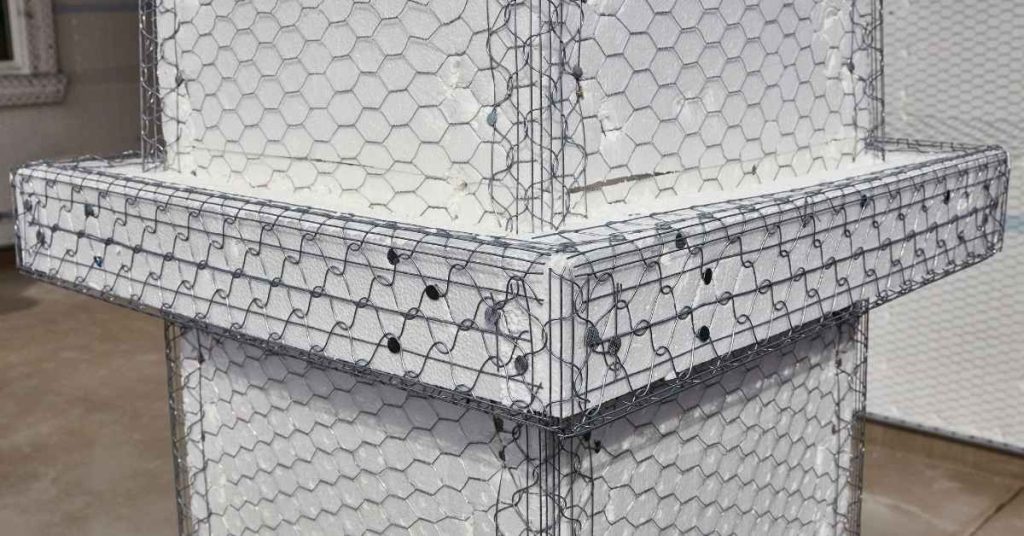
Wire lath attached over foam insulation at inside corner

Inside-Corner Stucco Cracks: Reinforcement That Works Without Bulking

Introduction Inside-corner stucco crack reinforcement is a way to strengthen the joint without making it bulky. It focuses on tying the corner back together and borrowing the surrounding material’s strength so the crack doesn’t widen. Check local guidelines and product instructions to choose a method that fits your wall and climate. Different stucco types and

Inside-Corner Stucco Cracks: Reinforcement That Works Without Bulking Read More »

Partially removed stucco revealing brick wall underneath

Crumbling Stucco Bottom Edges: Rebuild Steps and Keeping the Base Dry

Introduction Crumbling stucco bottom edges are where the material pulls away from the base near the ground, often letting moisture into the wall. This article shows you how to inspect the problem, remove damaged stucco safely, and plan repairs in plain, hands-on terms. You’ll learn what to look for so you can decide what needs

Crumbling Stucco Bottom Edges: Rebuild Steps and Keeping the Base Dry Read More »

Stucco exterior walls of beige house with visible horizontal control joints

Stucco Control Joint Layout for Big Walls: Spacing That Prevents Map Cracking

Introduction Control joints are designed gaps in stucco that allow movement and prevent cracks on big walls. They give the plaster somewhere to flex instead of tearing apart as the wall expands and contracts. If you skip them on a large surface, you’re inviting map cracking and uneven textures. Plan joint placement based on wall

Stucco Control Joint Layout for Big Walls: Spacing That Prevents Map Cracking Read More »

Worker applying plaster to wall with trowel

Smoothing Interior Concrete Block Walls: Skim Coats, Bonding, and Moisture Concerns

Introduction Smoothing interior concrete block walls means applying a skim coat to create a flat, paint-ready surface. It’s a light, even layer that fills small voids and helps the wall accept finish coats. The key is good bonding and proper moisture handling before you start. Lean on simple steps: clean and rough up the surface,

Smoothing Interior Concrete Block Walls: Skim Coats, Bonding, and Moisture Concerns Read More »

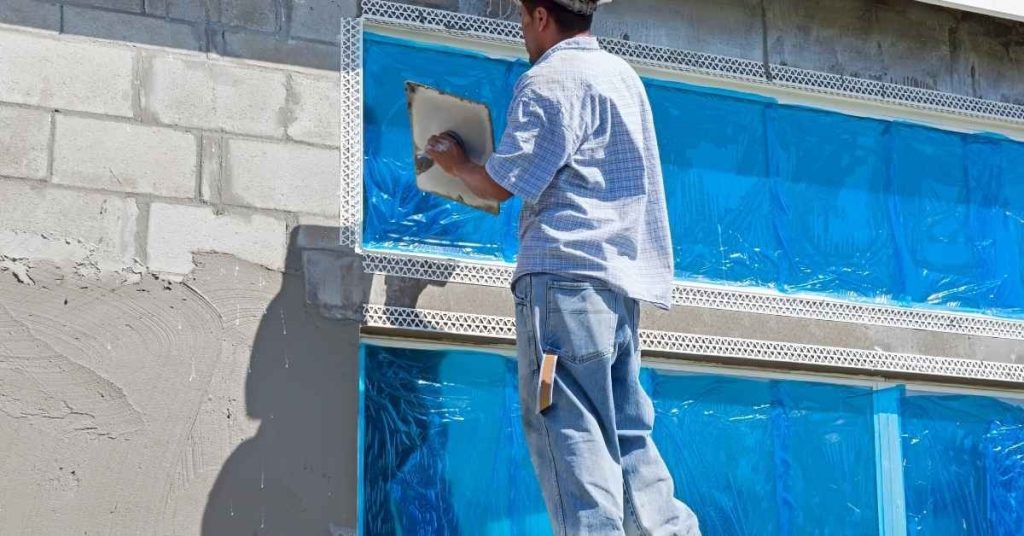
Worker applying stucco over concrete block wall near blue covered windows

Stucco Over Painted Concrete Block: Adhesion Tests and Prep That Prevents Delamination

Introduction Stucco over painted concrete block requires proper surface prep and adhesion testing to prevent delamination. We’ll walk through simple checks you can do with basic tools to judge if the old paint will hold and what to rough up or clean. This is a hands-on, DIY-friendly overview, not a full contractor guide. You’ll start

Stucco Over Painted Concrete Block: Adhesion Tests and Prep That Prevents Delamination Read More »