Search Results for: lime plaster gypsum

Person holding green electric drill against white brick wall

Repairing chipped brick corners: patch materials that blend (and those that don’t)

Introduction Repairing chipped brick corners means restoring the edge with patch materials that match the surrounding masonry. This guide focuses on practical choices and steps you can take to blend or distinguish patches as needed. Material options range from blends that closely match color and texture to those that are meant to be obvious. Prepare […]

Repairing chipped brick corners: patch materials that blend (and those that don’t) Read More »
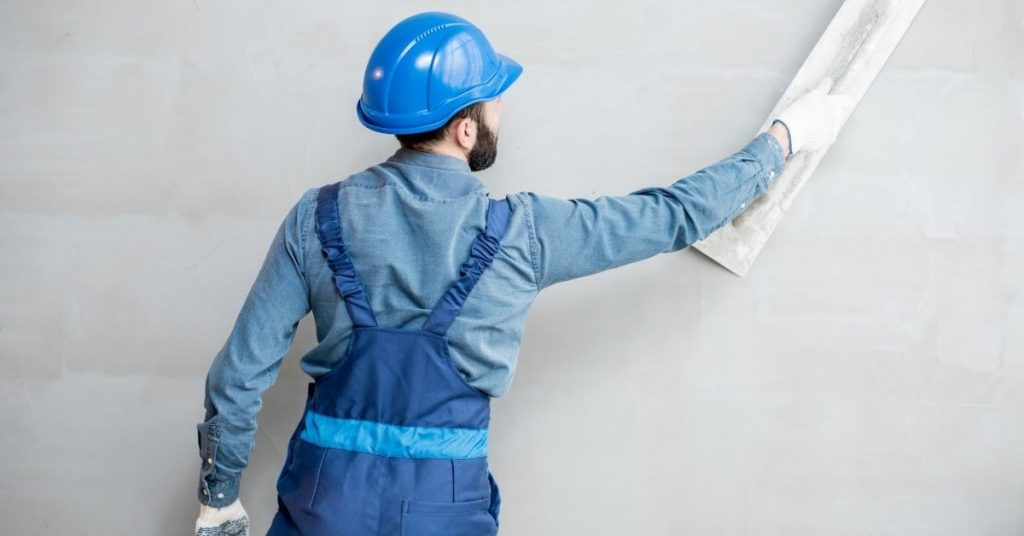
Worker in blue helmet smoothing a light gray plaster wall

Roman Clay Wall Finishes: Substrate Picks, Burnish Timing, and Sealing Options

Introduction Roman clay wall finishes are traditional lime-based plasters applied to walls to create a natural, earthy, matte surface. They require a clean, sound substrate and proper priming before application. Burnish timing depends on conditions and should be tested on a scrap area to get the feel you want. These finishes work well in living

Roman Clay Wall Finishes: Substrate Picks, Burnish Timing, and Sealing Options Read More »

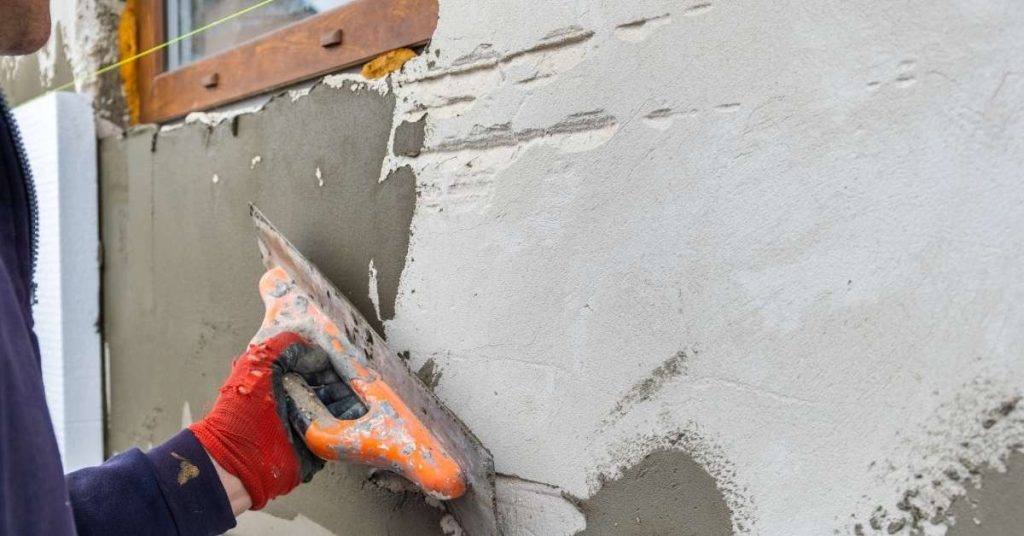
Person applying stucco to exterior wall with trowel

How Thick Is Your Stucco? Measuring Without Full Demo (and Patching Cleanly)

Introduction Measuring stucco thickness without full demolition means estimating how thick the outer layer sits on the wall. In plain terms, you’re looking for clues you can verify without tearing the surface apart. Use simple tools and a careful approach to avoid creating new cracks or exposing the substrate. Tools you can rely on include

How Thick Is Your Stucco? Measuring Without Full Demo (and Patching Cleanly) Read More »

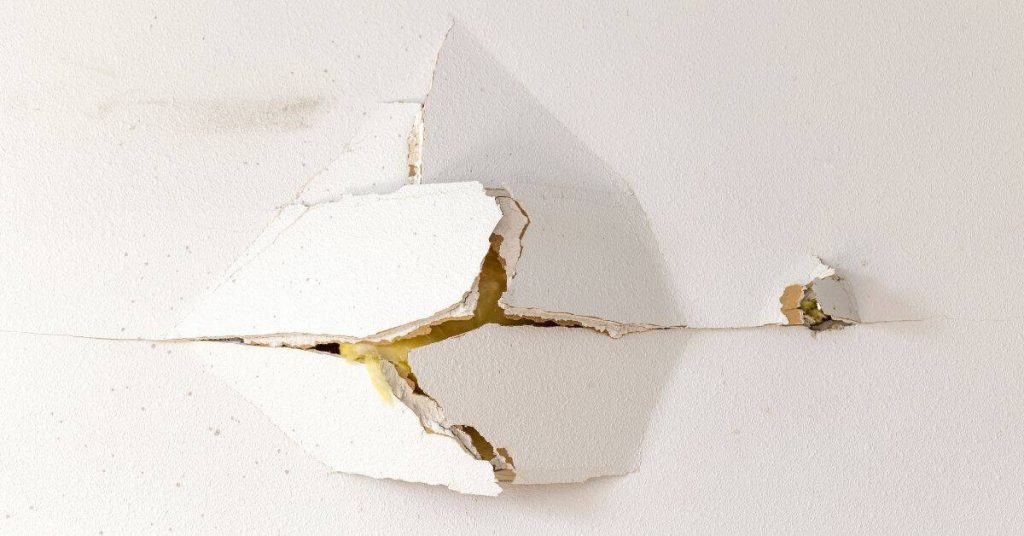
Closeup of cracked and peeling plaster on white wall

How to Repair a Failed Patch That Sounds Hollow: Cutback Rules and Reattachment Options

Introduction A failed patch that sounds hollow is a plaster area with voids that likely needs back-cutting and reattachment. In plain terms, you’ll check why it came loose and decide whether to trim the patch back or start fresh. This is a real-world, DIY job you can handle with basic tools and a patient approach.

How to Repair a Failed Patch That Sounds Hollow: Cutback Rules and Reattachment Options Read More »

Empty unfinished room with smooth white plastered walls

Hempcrete Walls: DIY Build Basics, Drying Time, and Moisture Failure Modes

Introduction Hempcrete walls are walls built from a lime-hemp composite that forms a lightweight, breathable enclosure. As a DIY builder, you’ll mix a lime-hemp composite and place it into formwork, then let it cure with good airflow. The key is understanding that these walls are different from cement blocks and rely on porous curing and

Hempcrete Walls: DIY Build Basics, Drying Time, and Moisture Failure Modes Read More »

gray venetian plaster texture on masonry surface

Mineral Paint vs Acrylic on Masonry: Troubleshooting Common Issues and Fixes

Introduction Applying paint to masonry surfaces can present unique challenges. Whether you’re dealing with moisture issues, peeling paint, or color fading, understanding the differences between mineral and acrylic paints is key to troubleshooting common problems. In this guide, we’ll help you identify symptoms, diagnose underlying issues, and provide practical fixes tailored to each type of

Mineral Paint vs Acrylic on Masonry: Troubleshooting Common Issues and Fixes Read More »

Man applying plaster to wall using trowel and hawk

Roman Clay Wall Finish: How to Get the Look, What Substrates Work, and How to Seal It

Introduction Roman Clay Wall Finish is a hand-applied plaster look that mimics traditional lime-based finishes. You build it in layers on a prepared substrate, then blend and burnish to create the texture. Check the substrate and product labels for compatibility and curing times before you start. For substrates, common options include clean, smooth walls or

Roman Clay Wall Finish: How to Get the Look, What Substrates Work, and How to Seal It Read More »

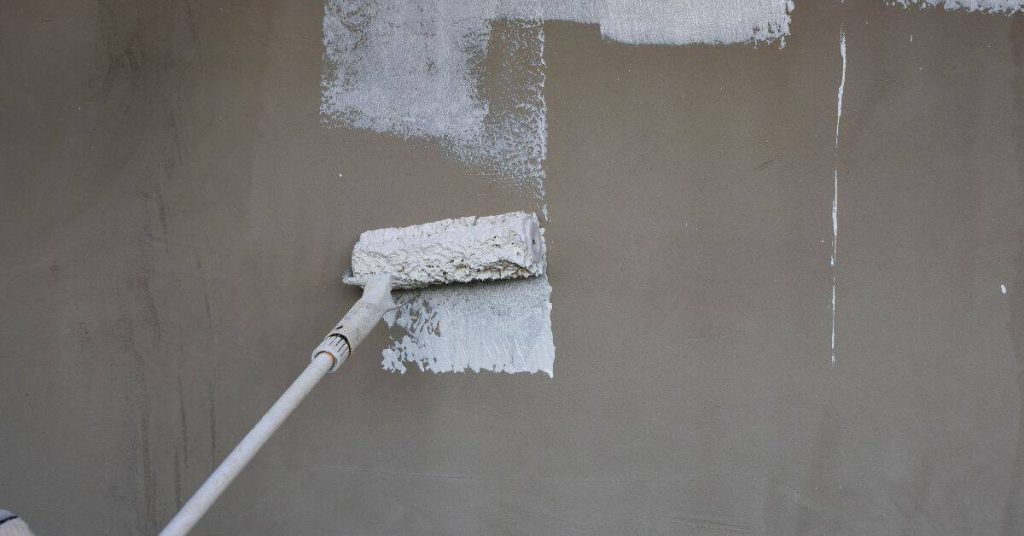
Paint roller applying white paint on gray masonry wall

Mineral Silicate Paint for Masonry: When It’s Worth It and How to Apply

Introduction Mineral silicate paint is a breathable masonry coating that bonds to mineral surfaces. It’s often worth it for exterior or historic masonry where you want a lasting, matte finish that can weather damp conditions. It resists peeling when applied correctly, but effectiveness depends on clean, sound substrate and proper surface prep. Applying it starts

Mineral Silicate Paint for Masonry: When It’s Worth It and How to Apply Read More »