Search Results for: lime plaster gypsum

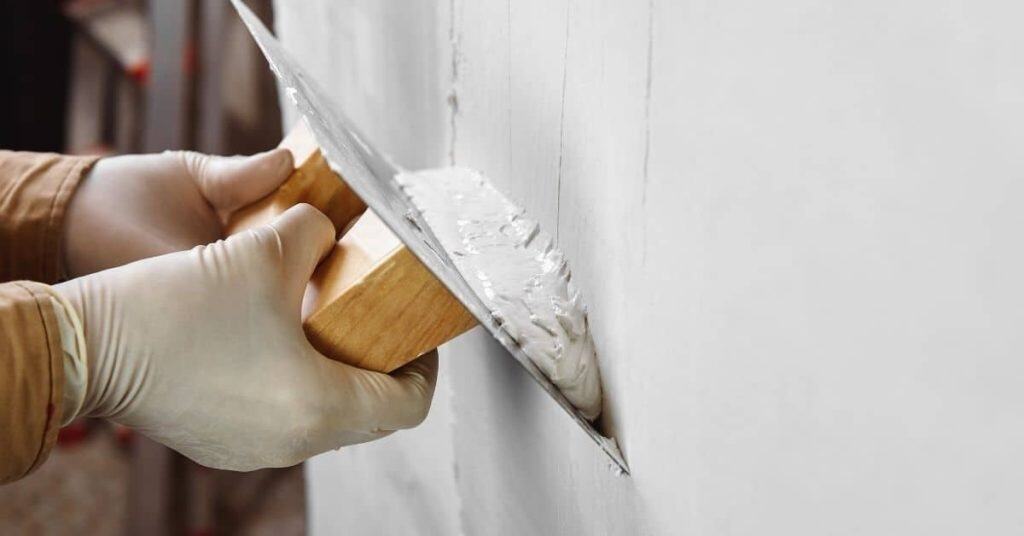
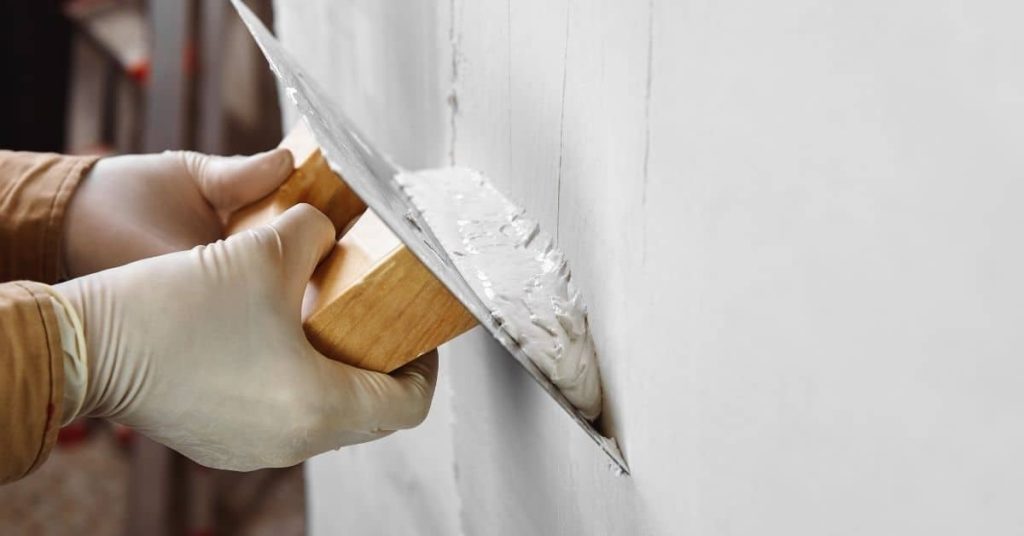
Gloved hands applying plaster on wall with trowel

Gypsum Over Lime Plaster: Compatibility Traps and Smart Primers

Introduction Gypsum over lime plaster is when you apply gypsum-based finish over a lime plaster substrate, which calls for checking compatibility first. Lime and gypsum cure differently, so mismatches can cause peeling or cracking, and a proper primer or bond coat helps. Plan your prep and follow manufacturer or product guidance for the exact steps. […]

Gypsum Over Lime Plaster: Compatibility Traps and Smart Primers Read More »

Hands applying plaster on wall with trowel

Gypsum Plaster Over Lime Plaster: Compatibility, Primers, and Preventing Debonding

Introduction Gypsum plaster over lime plaster is the practice of applying gypsum-based plaster on top of lime-based plaster to create a smooth, finished surface. Compatibility comes down to surface prep, the right primer, and following each material’s instructions. Before you start, check that the lime is fully set and not actively chalking, and plan a

Gypsum Plaster Over Lime Plaster: Compatibility, Primers, and Preventing Debonding Read More »

Hands wearing gloves applying plaster with a trowel on wall

How Long Does It Take to Tell If Your Wall Is Lime Plaster or Gypsum Plaster?

Introduction Identifying the type of plaster on your walls is a crucial first step before any repair or renovation work. But how long does it take to accurately determine if you’re dealing with lime plaster or gypsum? In this guide, we’ll walk you through the process, breaking down each test and its duration so you

How Long Does It Take to Tell If Your Wall Is Lime Plaster or Gypsum Plaster? Read More »

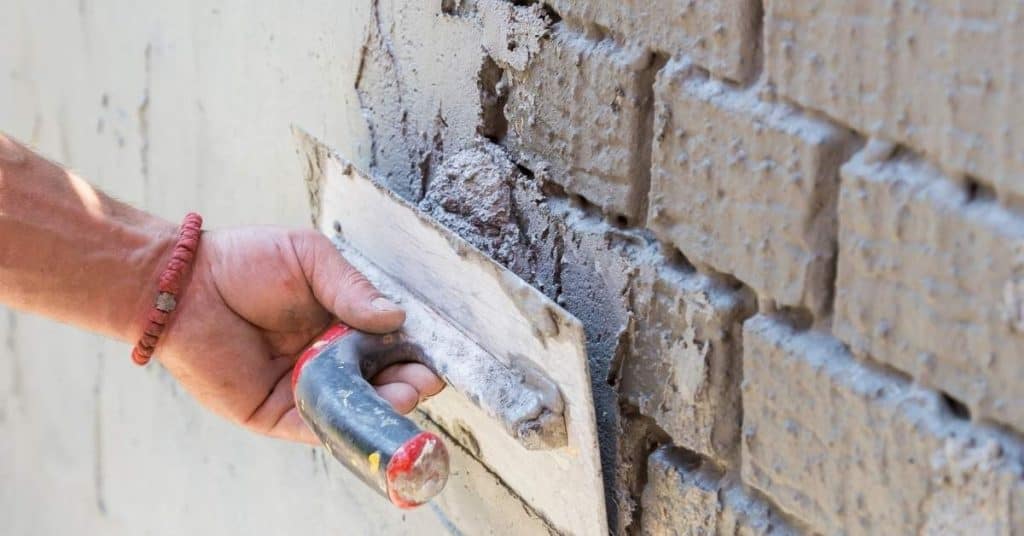
Hand applying plaster to rough brick wall with trowel

Lime Plaster Vs Gypsum Plaster: Compatibility Rules for Old Houses

Introduction Lime plaster and gypsum plaster are two plaster options for old houses, and their compatibility with the wall is a key difference. Lime plaster lets walls breathe and flex a bit, while gypsum plaster goes on smoother and dries faster. In simple terms, choose lime if you need moisture handling and wall compatibility; choose

Lime Plaster Vs Gypsum Plaster: Compatibility Rules for Old Houses Read More »

Plaster worker smoothing wall with trowel wearing black glove

Common rookie plaster mistakes: overwatering, overworking, and chasing perfection too soon

Introduction Rookie plaster mistakes are doing too much water, overworking the mix, and chasing a perfect finish before it’s ready. These habits can cause cracks, shrinkage, and a surface that won’t hold paint. Take a steady, practical approach: mix only what you need, apply in damp coats, and let each layer set. During a shifting

Common rookie plaster mistakes: overwatering, overworking, and chasing perfection too soon Read More »

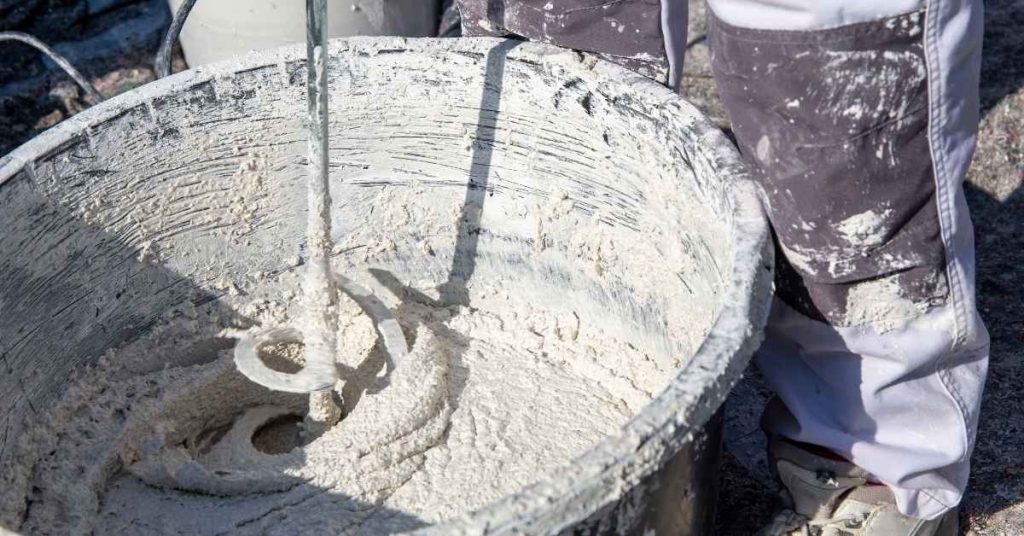
Close-up of plaster being mixed in a large bucket with a drill mixer

Mixing small plaster batches: setting time control without weakening the finish

Introduction Setting time control for small plaster batches means managing how fast plaster hardens without compromising surface quality. Keep an eye on temperature and humidity, since they influence cure speed and finish. Use small, workable batches and follow the manufacturer’s guidance for mixing and setting, then adjust for environmental conditions in your space. If you

Mixing small plaster batches: setting time control without weakening the finish Read More »

Hand pressing foam insulation board against plaster wall

Adding insulation behind plaster: approaches that don’t destroy historic trim

Introduction Adding insulation behind plaster is placing insulation in the wall cavity behind the plaster to improve warmth while preserving historic trim. It aims to balance preservation with better energy use using approaches that keep trim intact. You’ll work with methods that minimize damage to plaster surfaces and trim during installation. Common options for historic

Adding insulation behind plaster: approaches that don’t destroy historic trim Read More »

Living room with plastered beige walls and lit fireplace

Wallpaper on plaster: sizing, repair prep, and avoiding bubbles on uneven walls

Wallpaper application on plaster walls requires proper surface preparation for even adhesion and a smooth finish. Focus on inspecting, repairing, and preparing the wall surface before applying wallpaper. This ensures minimal bubbles and a professional look, especially on uneven plaster. Begin by examining your plaster walls for cracks or loose patches. Repair these areas as

Wallpaper on plaster: sizing, repair prep, and avoiding bubbles on uneven walls Read More »

Person painting white window frame with brush

Painting over fresh plaster repairs: timing, pH issues, and primer selection

Introduction Painting Over Fresh Plaster Repairs Painting over fresh plaster involves applying paint to repaired plaster surfaces once they have cured sufficiently. This guide covers when to start painting after plaster repairs and what to check beforehand. Timing: Allow the plaster to cure according to its type and room conditions. Paint only when the surface

Painting over fresh plaster repairs: timing, pH issues, and primer selection Read More »